REVIEW · ROME
Golf Cart Tour Timelapse Through History
Book on Viator →Operated by Not boring tours · Bookable on Viator
Rome can feel like a lot at once.
This golf cart time trip turns major sights into a smooth, small-group route with a guide who keeps the pace friendly and the facts clear. I really like the comfort of cruising instead of slogging through crowds, and I also love how the stops mix famous landmarks with quick, meaningful context. One thing to consider: it is not a slow museum day, so if you want long ticketed time inside major sites, you’ll still need to plan that separately.
You’ll start near Via Santamaura and finish at Campo de’ Fiori, which is a smart way to end the tour in a lively area. The max group size is 14, and the tour is offered in English, so you should get enough attention without feeling trapped in a giant bus. Expect lots of photos, several brief walks, and pass-bys that help you connect what you’re seeing across centuries—without getting stuck in “just looking” mode.
In This Review
- Key things I’d zero in on before you go
- Why a golf cart works for Rome fast
- From Via Santamaura to St. Peter’s area: the opening glide
- Largo Argentina and the Colosseum overlook: history with breathing room
- San Pietro in Vincoli and Terrazza del Pincio: statues and the Rome view
- Santa Maria Sopra Minerva and the Pantheon: the stops that reward attention
- Campo de’ Fiori: a market square with a darker past
- What the guide and small group format mean in real life
- Price and what you might pay out of pocket
- Practical tips for making the most of it
- Should you book this golf cart time trip through Rome?
- FAQ
- How long is the golf cart tour?
- Is the tour available in English?
- How many people are in the group?
- Do I need to print a ticket?
- Are admission tickets included for each stop?
- Where does the tour start and end?
- Is free cancellation available?
- Are service animals allowed?
Key things I’d zero in on before you go
- Golf cart comfort for a fast loop: you cover big territory in about 3 hours.
- Small group (max 14): easier back-and-forth with your guide.
- Photo-friendly viewpoints: like Terrazza del Pincio, where Rome instantly opens up.
- Iconic art moments: Moses statue by Michelangelo and Saint Peter’s chains at San Pietro in Vincoli.
- Pantheon context in front of it: you get a short talk before you decide what to do next.
- Colosseum admission not included: plan around what you want to pay for on the day.
Why a golf cart works for Rome fast
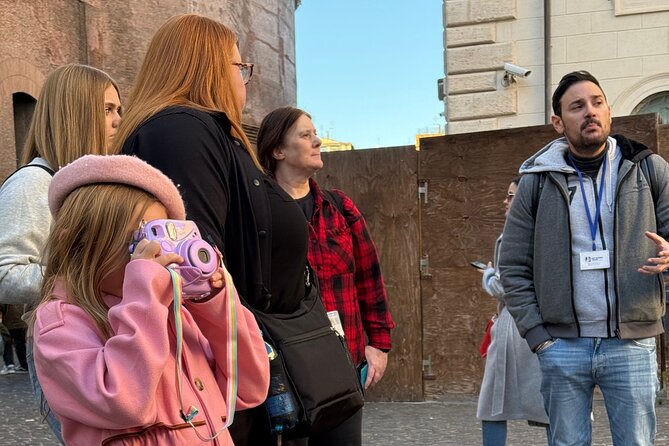
Rome is famous for being walkable. It’s also famous for being tiring in the wrong way—heat, hills, tight streets, and crowds that move like slow water. On this tour, the golf cart does the heavy lifting, so you can spend your energy on the parts you actually care about: photos, brief stops, and listening.
The format is built around short moments that still make sense. Instead of treating each stop like a random postcard, the guide ties them together so you start seeing Rome as one continuous story. And because the group is small—up to 14—you’re less likely to get lost in the “follow the herd” rhythm.
You can also read our reviews of more historical tours in Rome



From Via Santamaura to St. Peter’s area: the opening glide
The tour begins at Via Santamaura, 12 and immediately gets you into the city’s big geography. Early on you pass by the street that leads to St. Peter’s Basilica. It’s a helpful warm-up because it sets your mental map before you even reach the “main event” neighborhoods.
Then the route continues with pass-bys linked to papal Rome: you’ll see Hadrian’s mausoleum, later known as the fortress of popes. This is the kind of quick on-the-move context that pays off later, because you’ll recognize the structures even if you visit them again on your own.
And you also pass by the church connected to St. Peter’s brothers. It’s brief, but these pass-bys matter. They fill in the connections between what you know as “big attractions” and what surrounds them—those smaller religious landmarks that help the city feel lived-in instead of staged.
Largo Argentina and the Colosseum overlook: history with breathing room
Your first proper stop is Area Sacra di Largo Argentina, where you can see the site associated with the assassination of Julius Caesar. The stop is short, but it’s a powerful one because it anchors the entire Roman story in a turning point. You also don’t have to budget admission for it, since the listed admission ticket is free.
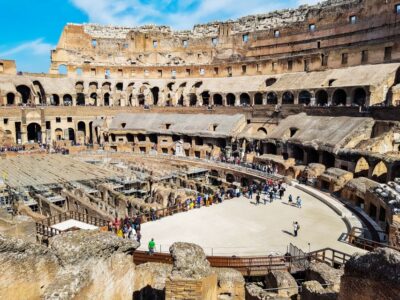
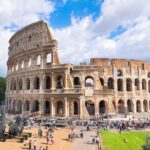
Next comes the Colosseum. You don’t enter on this stop, but you get the classic advantage: a chance to look from an overlook for photos and a quick history talk. The timing is only about 10 minutes, so you won’t be stuck waiting in lines or spending half your day there.
A small practical note: the tour sometimes includes a chance to grab a coffee around this area. Even if you don’t stop for one, this is exactly the kind of realistic timing choice that makes a short tour feel smoother. You get the highlight and keep moving.
San Pietro in Vincoli and Terrazza del Pincio: statues and the Rome view
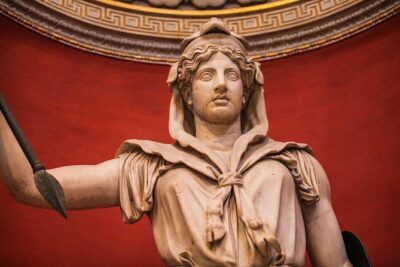
At San Pietro in Vincoli, you’ll see Saint Peter’s chains and the Moses statue by Michelangelo. This is one of those moments where the brief time actually works in your favor. Michelangelo’s Moses is famous for a reason, and seeing it in context—without the pressure of a long timed-entry day—can make it feel more personal.
You get about 10 minutes here, and the admission ticket listed is free. That matters for value: it lets the tour pack in a top-tier art stop without adding another paid ticket layer.
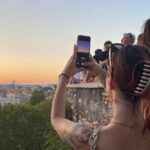
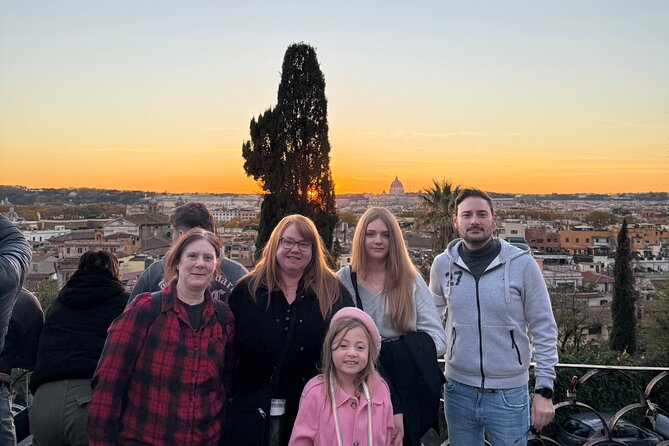
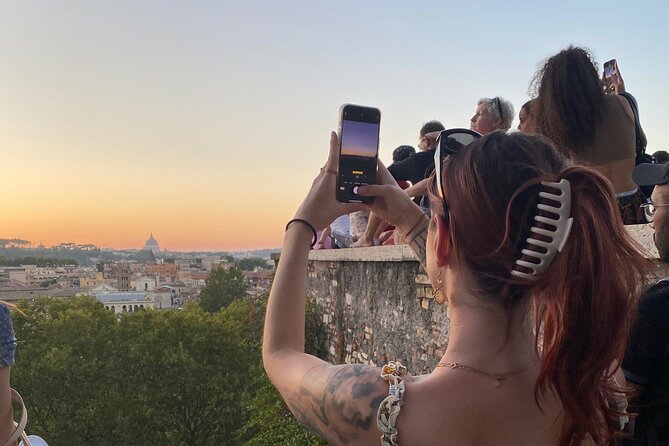
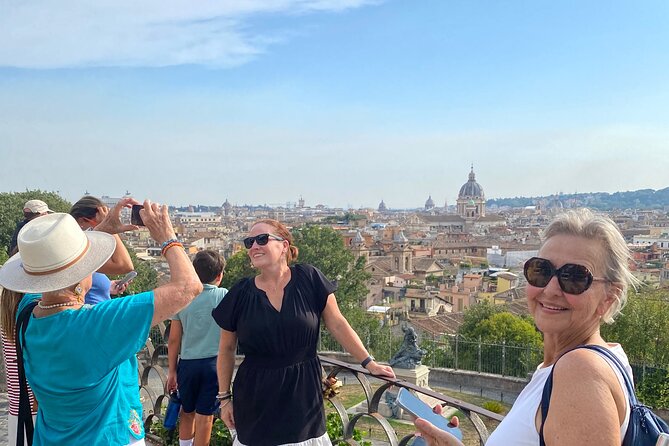
Then it’s off to Terrazza del Pincio, a classic photo stop for a reason. You’ll get a breathtaking panoramic view of Rome, timed for photos and quick looking. Ten minutes may sound short, but views like this are often most satisfying when you don’t rush—just breathe in, take a few angles, and move on before you get too hot or bored.
Santa Maria Sopra Minerva and the Pantheon: the stops that reward attention
Next up is Chiesa di Santa Maria Sopra Minerva. This is a smart choice for art-and-history visitors because the stop connects religion, graves, and sculpture. You’ll see Saint Catherine’s grave and another Michelangelo statue of Christ.
Again, the listed admission ticket is free, and the stop is about 10 minutes. If you like learning “why it’s here,” this church is the kind of place where a short guided explanation makes you notice details you’d miss on your own.
After that, the tour faces the Pantheon. You’ll get a history talk while standing in front of it. That matters because the Pantheon is one of those landmarks where it’s easy to think, I see a big building. With a focused talk, you’re more likely to notice what made it so influential.
You’ll also get a chance to decide your next move. If you want more time inside, you can plan it after the tour. If you already feel you got the “anchor info,” you’re set to keep exploring without feeling behind.






Campo de’ Fiori: a market square with a darker past
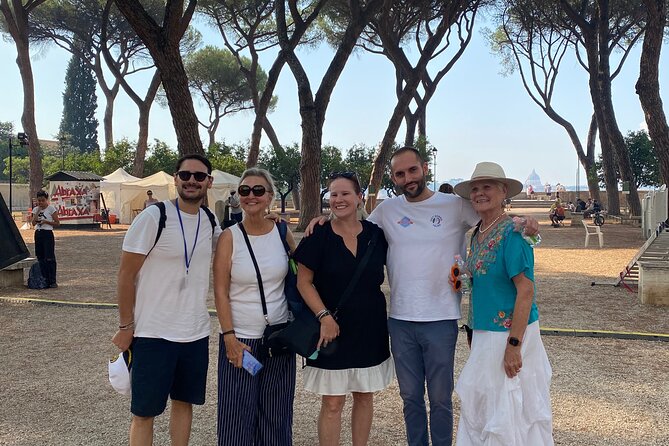
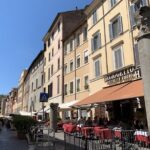
One of the most striking stops comes near the end at Campo de’ Fiori. You’ll see the modern fruit marketplace area, but with the context that it was once connected to an execution site. Ten minutes is all you need to understand the contrast—food and daily life right next to the weight of what happened here.
This stop works especially well because it changes the mood. Earlier you’re in ancient and papal Rome; here you end in a more everyday street scene. It makes the tour feel less like sightseeing homework and more like how you’d experience a neighborhood.
What the guide and small group format mean in real life
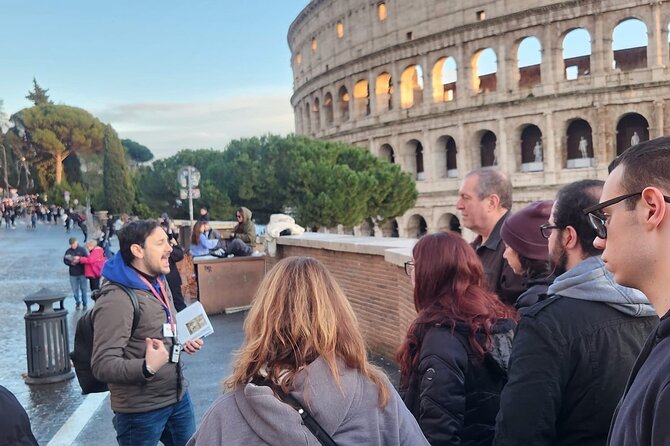
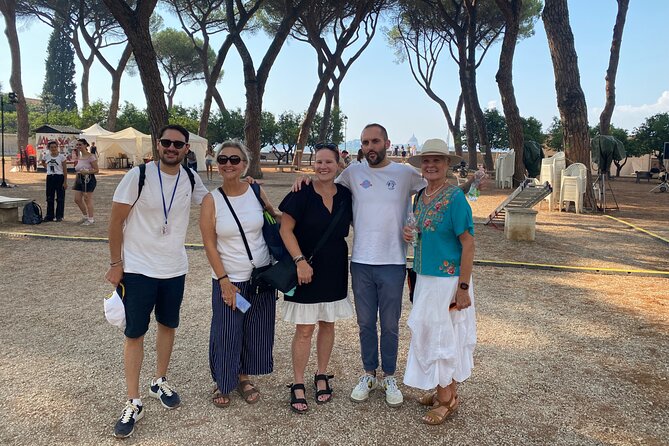
This tour has a max of 14 travelers, and it feels like that small group size is a key part of why people enjoy it. With fewer people, you’re more likely to hear details clearly and get small course corrections when you’re trying to take photos or understand a confusing street layout.
One name that comes up a lot is Salvo. When groups are led by Salvo, the vibe described is funny and fast-moving, without turning the tour into pure comedy. The important part for you is balance: you should still walk away with facts that connect the landmarks, not just jokes that fade in minutes.
Since the tour is offered in English, it’s also easier to follow along with the story beats—especially when you’re bouncing between ancient, medieval, and Renaissance-era references.
Price and what you might pay out of pocket
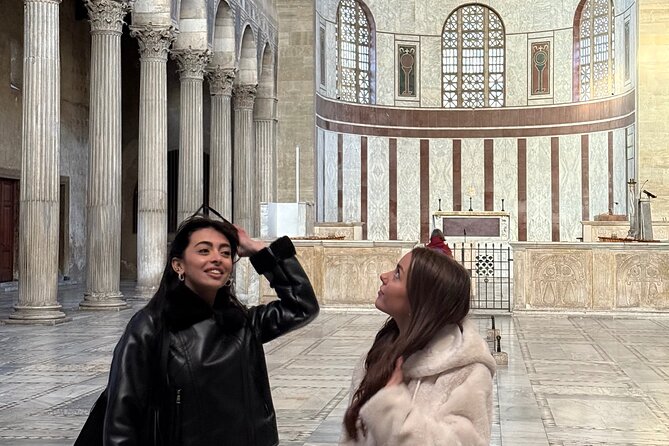
At $135.78 per person, this is not a bargain-bin add-on. But it’s also not trying to be a DIY taxi tour. For the price, you get the golf cart transport, the guided explanation, and a route that strings together major locations in under 3 hours.
Here’s the value angle you should understand: most of the listed stops have free admission tickets (for example Area Sacra di Largo Argentina, San Pietro in Vincoli, Terrazza del Pincio, Santa Maria Sopra Minerva, Pantheon, and Campo de’ Fiori). That means you’re mostly paying for the guide and the logistics, not for ticket after ticket.
The one clear exception is the Colosseum, where the admission ticket is listed as not included. So if you want to actually go inside the Colosseum during this day, you’ll need to budget separately. If you’re happy with a photo overlook plus a quick talk, the “not included” part matters less.
Also, the tour duration is about 2 hours 50 minutes, which is a sweet spot for first-time orientation. You get a lot of Rome without it swallowing your whole afternoon.
Practical tips for making the most of it
- Bring a camera or phone with enough space; you’ll want multiple angles at Terrazza del Pincio and around the Colosseum.
- Wear comfortable shoes anyway. Even with a golf cart, you’ll still do short stops where you’ll want to stand comfortably.
- If you care about the Colosseum interior, plan it so you don’t feel rushed. This tour sets you up visually, but it doesn’t promise long ticketed time there.
- Consider this a day of direction-setting. Use it to build your “Rome map,” then pick which places you want to revisit more slowly.
Should you book this golf cart time trip through Rome?
I think this is a smart booking if you’re coming to Rome for the first time and want to get your bearings quickly. The combination of small group size, English guidance, and a route that connects ancient turning points, papal Rome, and major art moments makes it feel efficient without being shallow.
I’d skip it or pair it differently if your top priority is deep, ticketed time inside places like the Colosseum. This tour is built for moving, stopping, and understanding, not for long museum wandering.
If your goal is to see a lot, learn fast, and still feel fresh enough to continue exploring afterward, book it. It’s the kind of tour that helps Rome click into place.
FAQ
How long is the golf cart tour?
The tour lasts about 2 hours 50 minutes.
Is the tour available in English?
Yes, the tour is offered in English.
How many people are in the group?
The tour has a maximum of 14 travelers.
Do I need to print a ticket?
No. You’ll receive a mobile ticket.
Are admission tickets included for each stop?
Admission is listed as free for several stops (like Area Sacra di Largo Argentina, San Pietro in Vincoli, Terrazza del Pincio, Santa Maria Sopra Minerva, Pantheon, and Campo de’ Fiori). Colosseum admission is not included.
Where does the tour start and end?
It starts at Via Santamaura, 12, 00192 Roma RM, Italy and ends at Piazza Campo de’ Fiori, 00186 Roma RM, Italy.
Is free cancellation available?
Yes. You can cancel for a full refund up to 24 hours in advance of the experience start time.
Are service animals allowed?
Yes, service animals are allowed on this tour.