REVIEW · ROME
Rome: Palazzo Altemps Reserved Entrance Ticket
Book on GetYourGuide →Operated by TOURISTATION · Bookable on GetYourGuide
One ticket, three Roman stops. The reserved entrance to Palazzo Altemps helps you bypass the worst waits and jump straight into Greek-and-Roman masterpieces, including the Ludovisi Throne.
I also like how the palace doesn’t treat you like a school group; you can wander through sculpture rooms and even pause in quieter corners at your own pace.
The only real drawback is that this is self-guided, not a guided tour—so you’ll get the most if you’re happy reading labels and using the onsite info tools rather than listening to a storyteller.
In This Review
- Key highlights at Palazzo Altemps and beyond
- How this reserved ticket turns into a flexible Rome day
- Getting to Piazza Sant’Apollinare and collecting your official tickets
- Palazzo Altemps: a 16th-century palace that guides your pace
- Greek and Roman sculpture: the Ludovisi and Boncompagni Ludovisi impact
- Sant’Aniceto church frescoes and the palace’s art layers
- A rare-books pause: how the museum’s calmer corners work
- The bundle extras: 25-minute multimedia video and VR glasses
- Best timing and practical tips so you don’t feel rushed
- Who this is perfect for (and who should consider something else)
- Should you book the Palazzo Altemps reserved entrance?
- FAQ
- Where do I collect the official tickets?
- What does the ticket include for the main museum experience?
- Is a guided tour included?
- Is the ticket valid for more than one day?
- What do I need to bring to enter?
- Can I bring luggage or large bags?
- Is this suitable for wheelchair users or mobility impairments?
- What is the cancellation policy?
Key highlights at Palazzo Altemps and beyond
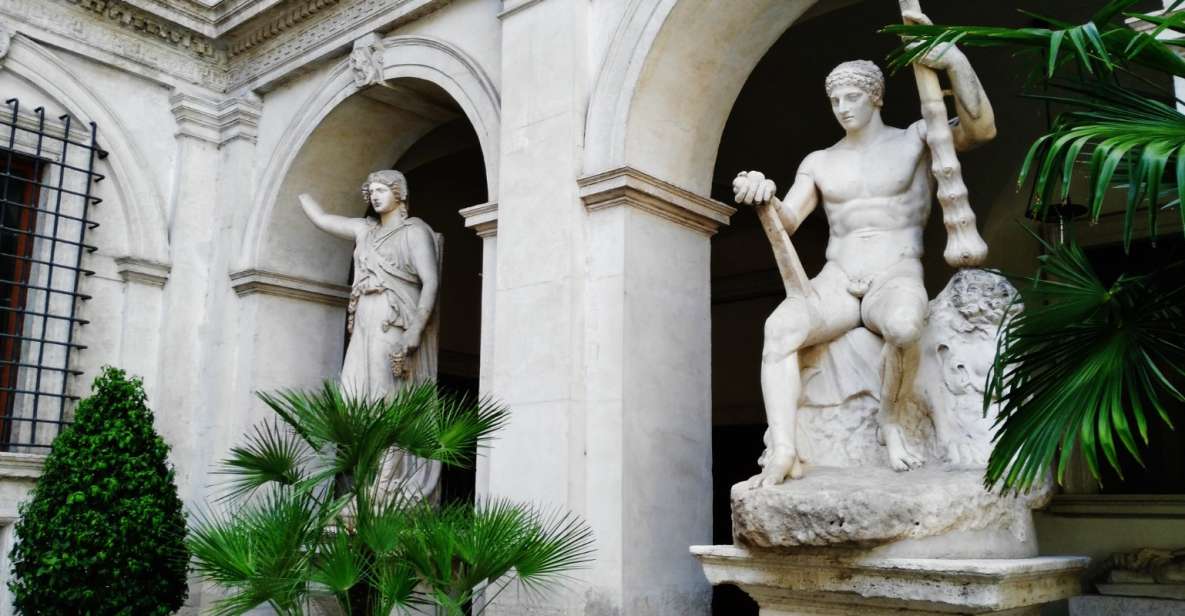
- Reserved, skip-the-line entry for Palazzo Altemps (plus extra stops in the same bundle)
- Ludovisi Throne, Galatian Suicide, and other star sculptures tied to famous Roman collections
- Sant’Aniceto church frescoes inside the palace complex, including Pallavicini-Rospigliosi work
- Self-paced museum flow, with time to linger in rooms and a rare-books area
- QR codes next to artworks for extra context as you move room to room
- A full bundle day that can include Palazzo Massimo and Diocletian’s Baths, plus a multimedia video and VR glasses
How this reserved ticket turns into a flexible Rome day
This isn’t just an Altemps ticket. It’s a day pass style bundle that’s built around reserved entry and getting you into several Roman Museum sites without wasting time in lines. The core is Palazzo Altemps, but your ticket set also includes reserved entrance to Palazzo Massimo and Diocletian’s Baths—plus a 25-minute Ancient Rome multimedia video and virtual-reality glasses.
That matters in Rome. The popular museum lines can be brutal, and a reservation changes your experience from stuck waiting to actually seeing. You’re collecting official tickets with help at the meeting point and then heading out with your reserved access in hand.
You also get a City Paper map and free Wi‑Fi at the meeting point. That sounds minor, but it’s practical if you’re hopping between places and want your bearings fast. And yes, you’ll be moving through more than one site—so the best value comes when you plan a realistic route and don’t try to do everything at a sprint.
You can also read our reviews of more tours and experiences in Rome


Getting to Piazza Sant’Apollinare and collecting your official tickets
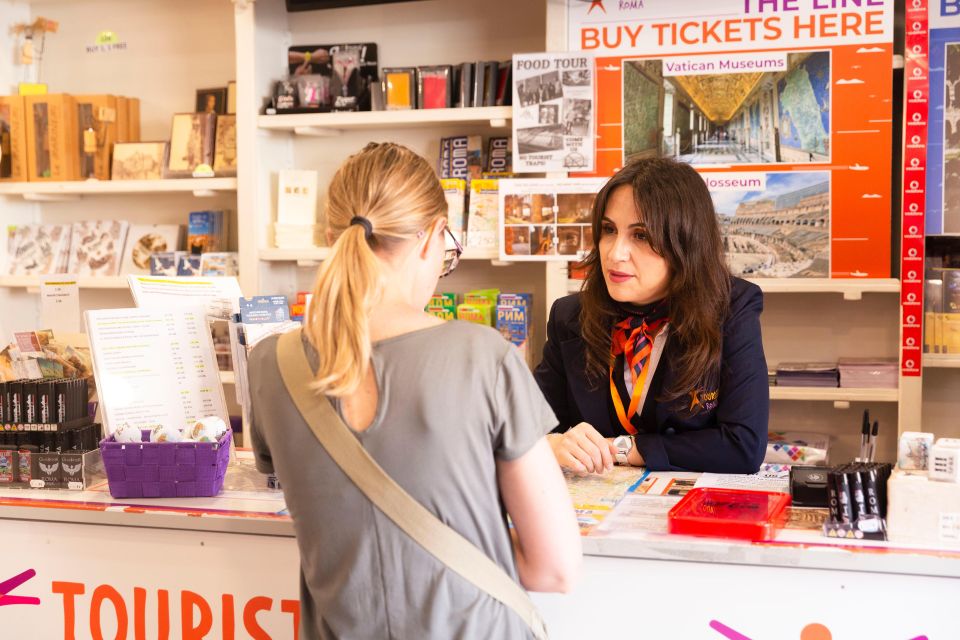
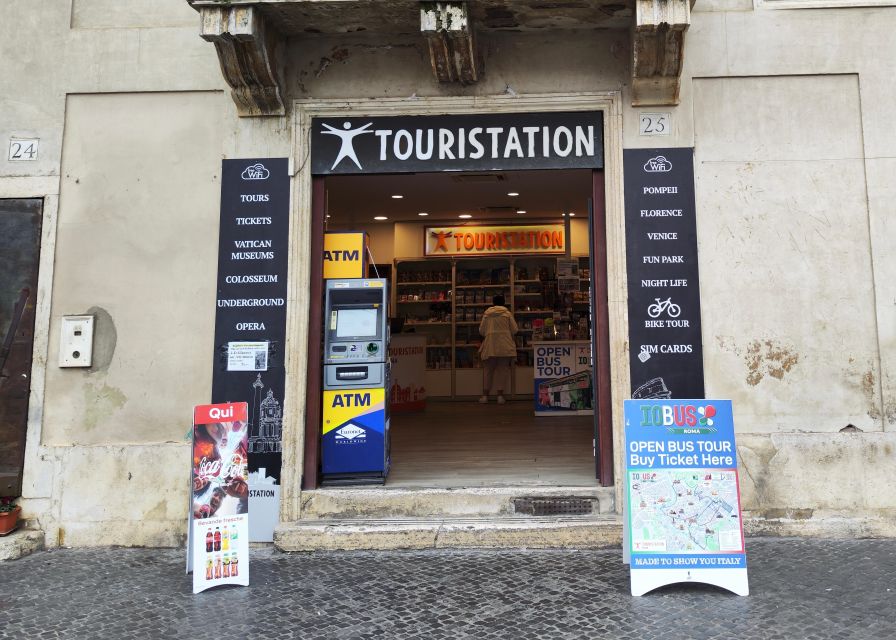
Your experience starts at the Touristation Office, where you pick up the official tickets. There’s assistance at the meeting point, which is helpful because this bundle covers multiple venues, so you want to leave with the right passes for the day.
From there, you travel to Piazza Sant’Apollinare, in central Rome, where Palazzo Altemps sits. This palace isn’t a generic museum shell. It was once the residence of Cardinal Marco Sittico Altemps in the late 1500s (the palace is tied to 1568), and it later became part of the National Roman Museum—opening to the public in 1997.
Plan for a little walking once you’re in the area. Altemps is in a dense, historic neighborhood, so your feet do most of the work—just like you’ll do everywhere in central Rome. If you’re sensitive to crowded indoor spaces, go early or time your visit for a slower hour and you’ll enjoy the rooms more.
One more practical note: bring a passport or ID card. Also keep an eye on the restrictions. Luggage or large bags aren’t allowed, and glass objects, weapons/sharp objects, alcohol, and drugs are prohibited. If you’re traveling with a big bag, plan ahead before you arrive.
Palazzo Altemps: a 16th-century palace that guides your pace
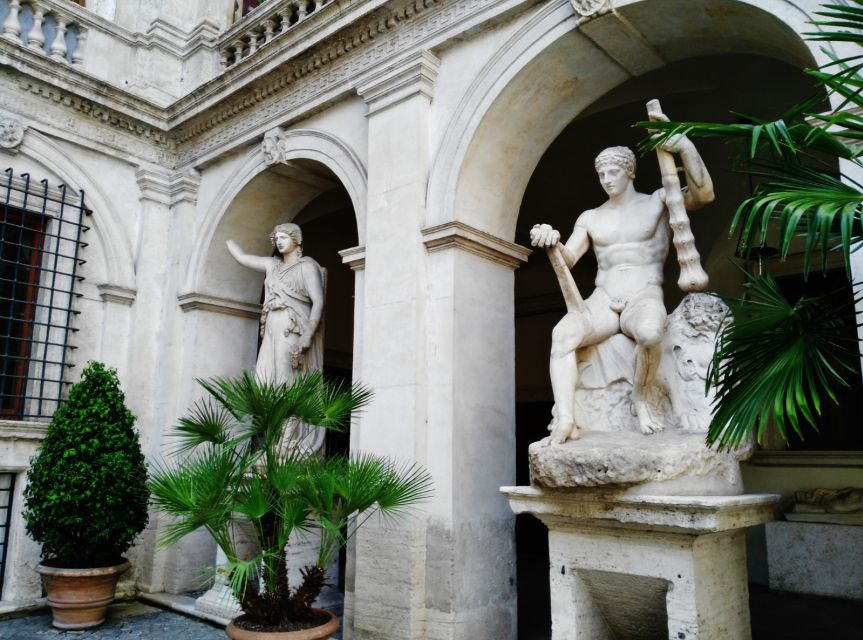
Once inside, you don’t just see art—you move through a real residence turned museum. The layout works well for independent visitors because it naturally breaks into sculpture rooms, gallery spaces, and special areas like the church.
The museum is built around collections from Roman noble families and major donations made over time, including pieces acquired between the 16th and 17th centuries. That means a lot of the sculpture you’ll see feels like it was collected with taste and status in mind—not only with archaeology as the goal. You’ll often notice how works were placed to show off the drama of scale and the craftsmanship.
A big advantage of reserved entry plus self-guided pacing is control. You can start with the headline sculptures and then slow down for smaller details: the style differences between Greek and Roman interpretations, and how the same theme can look different depending on the workshop and patron. The museum labels and info tools (including QR codes on artworks) make it easier to choose what to read and what to skip.
The trade-off is time. Because you can stroll freely, it’s easy to lose track of the day—especially if you’re also juggling Palazzo Massimo and Diocletian’s Baths. A good trick: pick your must-sees first (the famous sculptures and the church frescoes), then give yourself permission to drift.
Greek and Roman sculpture: the Ludovisi and Boncompagni Ludovisi impact
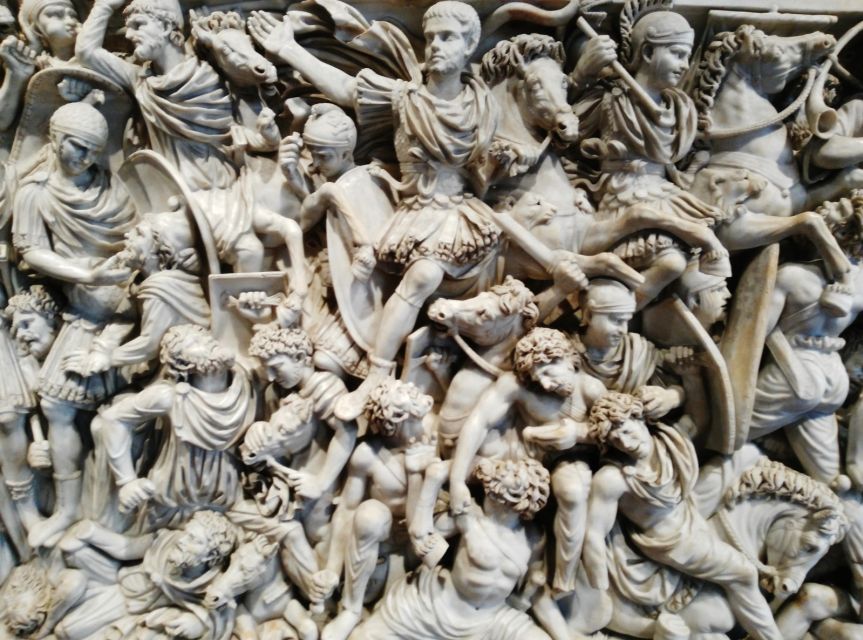
The star of Palazzo Altemps for many people is the way it brings famous sculpture collections into one place. You’ll see works associated with noble collectors, including the Boncompagni Ludovisi collection, and you’ll encounter sculpture tied to donations made by Roman families over centuries. That collection history is part of the fun—these objects weren’t all dug up and displayed the same way. They were gathered, protected, and shown with their own tastes.
Three names you should look for:
- Ludovisi Throne: one of those works that feels like a whole storyline in stone.
- Galatian Suicide: a dramatic, emotionally loaded scene that rewards close viewing.
- Major sculpture groups connected to the Egyptian and aristocratic collections brought together over time.
What I like about this part is the variety in emotion and style. Greek-influenced pieces often come with intense physical expression, while Roman presentation can feel more composed or ceremonial. Even if your background is casual, you’ll start spotting how artists shaped the mood—turning bodies into messages.
The collection also includes works recovered from local antique markets, which adds a “how did this survive and get here” layer to your visit. You might find yourself thinking about the objects as travelers themselves: how they moved from private ownership to public display.
If you want an efficient visit, focus on the sculptures first. If you want a calmer visit, take the first pass through the rooms, then go back for the pieces that pulled you in. Reserved entry keeps this flexible; you’re not racing against a group.
Sant’Aniceto church frescoes and the palace’s art layers
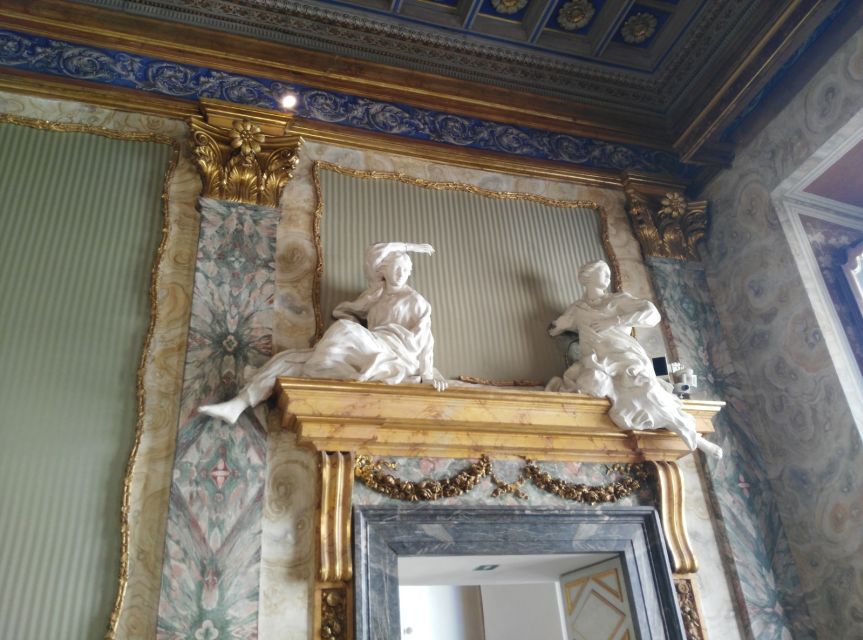
One reason this experience stands out is that it includes more than sculpture. Inside the Palazzo Altemps complex, you can visit the church of Sant’Aniceto, and this is where frescoes take over.
In this church area, you’ll encounter fresco-adorned walls and ceilings. A highlight is the Pallavicini-Rospigliosi fresco work, which gives you a different kind of Roman art experience—less about bodies frozen in stone, more about paint, architecture, and storytelling in motion.
This church stop is also a nice palate cleanser. After the intensity of sculpture rooms, the fresco space lets you shift your brain. You start looking up, scanning ceilings, and noticing how the fresco scenes interact with the religious setting.
One thing to consider: fresco viewing takes time. If you’re the type who reads everything, you’ll naturally spend longer in the church area. If you’re more selective, focus on a few sections and you’ll still get the big visual payoff.
Also, remember this is part of a palace museum. The room-to-room transitions are part of the experience, so it’s worth moving at a steady, not rushed pace. You’ll get more out of the art when you’re not in constant hurry.





A rare-books pause: how the museum’s calmer corners work
Not every museum lets you slow down. Palazzo Altemps does. One of the more satisfying surprises is the chance to stroll through a library of rare books at your own pace.
It’s not the kind of area you sprint through, and it’s not meant to be. Think of it as a reset button. After absorbing sculpture and frescoes, you get a quieter space where you can stop and focus without feeling like you’re missing the next big room.
You’ll likely notice how the museum’s info system supports independent browsing. The artworks have clear identification, and QR codes help you jump into extra context without interrupting your flow. That combo—self-guided movement plus quick extra info—works well for visitors who don’t want a lecture, but still want to understand what they’re looking at.
If you’re short on time, treat this area as optional. But if you love books, sketches, inscriptions, or anything that connects art to collectors and culture, you’ll enjoy it more than you expect.
The bundle extras: 25-minute multimedia video and VR glasses
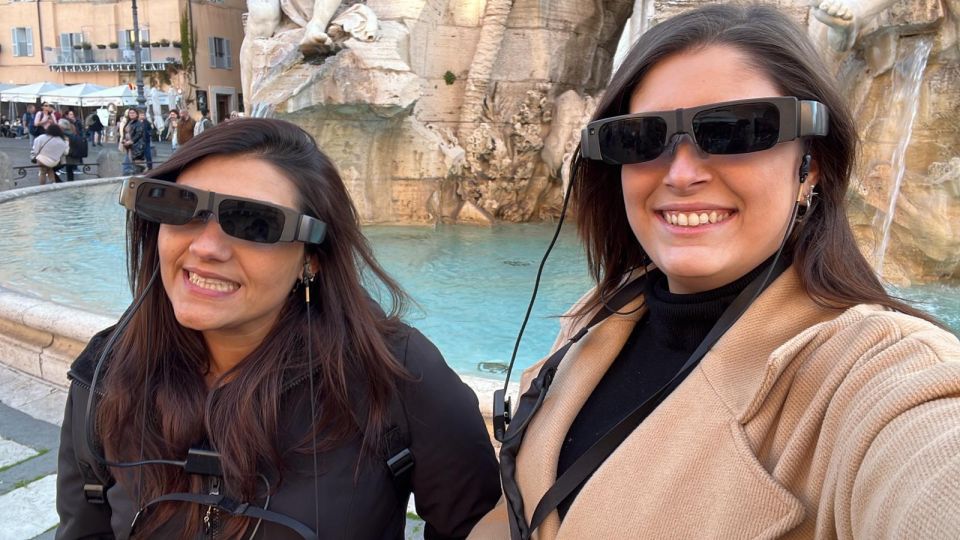
Your ticket package includes an Ancient Rome multimedia video (about 25 minutes) and virtual-reality glasses.
These are the kind of additions that can go either way depending on what you want that day. If you like a quick story to “set the stage,” the multimedia video helps frame what you’re seeing across the sites. If you’d rather spend every minute in galleries, you might treat the video and VR as breaks between museums.
Either way, it’s smart to plan where these fit. If you schedule the video at the start of your museum day, it can prime you for the sculpture and architectural themes. If you schedule it mid-day, it can soften the fatigue that comes from hours indoors.
Practical tip: don’t underestimate how your energy levels change. Rome museums look close together on a map, but you’re still dealing with walking, stairs, and crowds. The multimedia and VR stops are useful because they don’t require you to “run” the way a timed guided tour can.
Best timing and practical tips so you don’t feel rushed
You’re skipping ticket lines with reserved entrance, but you’re still visiting multiple places in a single day. That means timing matters more than people expect.
Here are a few strategies that keep the day enjoyable:
- Start with Palazzo Altemps if you care most about the sculpture and Sant’Aniceto frescoes.
- Pick a realistic order for Palazzo Massimo and Diocletian’s Baths so you’re not cutting across the city at the worst times of day.
- Plan a slow “second look” round for whichever sculptures hit you hardest.
Also, build in a buffer. Indoor spaces get busy, and you may want to linger near the more famous works like the Ludovisi Throne and Galatian Suicide. If you try to move from room to room too quickly, you’ll miss the very details that make these collections worth seeing.
If you’re traveling with friends with different interests, this ticket is a decent compromise. One person can focus on star works and fresco sections, while another can drift into rarer corners like the rare-books area and use the QR codes to guide their reading.
Who this is perfect for (and who should consider something else)
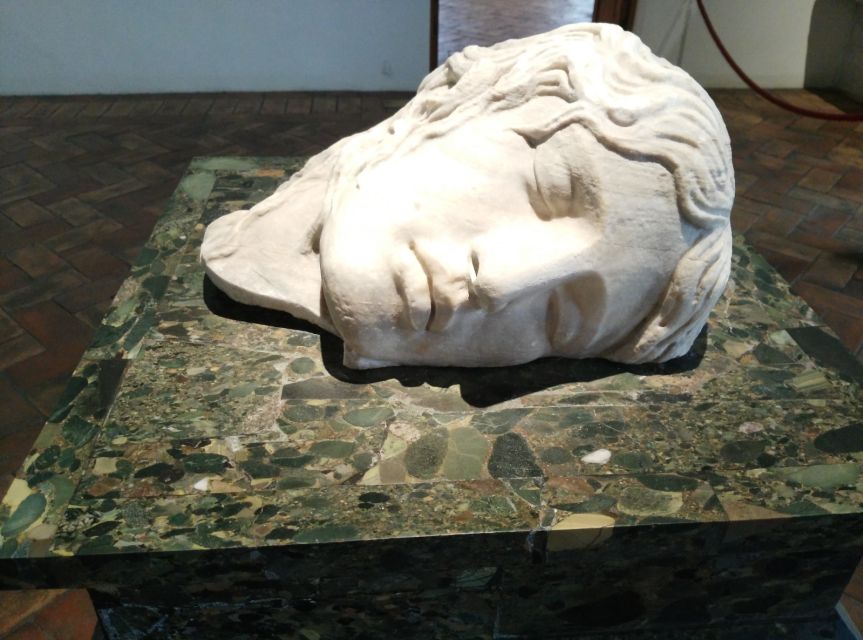
This reserved entrance bundle is a good fit if you:
- Want independent pacing instead of a strict guided itinerary
- Love Roman and Greek sculpture and want to see major named works
- Appreciate frescoes and want a palace museum that includes church art too
- Value a ticket that links several major Roman Museum sites in one day
It’s less ideal if you:
- Need a guided explanation to connect the dots while you’re walking
- Have mobility needs that require step-free access
The operator notes it’s not suitable for people with mobility impairments and wheelchair users. Also, because luggage or large bags aren’t allowed, this can be a hassle if you’re moving from hotel to hotel with bulky travel gear.
If you’re the kind of museum visitor who likes to read labels, scan QR codes, and make your own itinerary, this is a strong deal.
Should you book the Palazzo Altemps reserved entrance?
If your goal is to see Palazzo Altemps well—without losing your morning to queues—and you’re happy doing a self-guided museum day, I’d book this. The value comes from the bundle logic: you’re paying for reserved access plus extra museum entries and a multimedia/VR component, not just for one site.
That said, if you want a narration-heavy experience that explains every theme as you go, you may feel the lack of a guide. This ticket doesn’t include a Palazzo Altemps audioguide, so you’ll want to either rely on the onsite labels/QR codes or pair the visit with another guided option.
If you’re flexible and want a Rome day that feels like your own itinerary—but still structured enough to avoid line stress—this is a smart choice.
FAQ
Where do I collect the official tickets?
You collect your official tickets at the Touristation Office meeting point. Assistance is provided at that point.
What does the ticket include for the main museum experience?
The bundle includes reserved entrance for Palazzo Massimo, Palazzo Altemps, and Diocletian’s Baths, plus a 25-minute Ancient Rome multimedia video. It also includes reserved entrance access and other materials like a City Paper Map.
Is a guided tour included?
No. The ticket is not a guided tour, and it does not include a Palazzo Altemps audioguide.
Is the ticket valid for more than one day?
The activity is valid for 1 day. You should check availability to see starting times.
What do I need to bring to enter?
Bring a passport or ID card.
Can I bring luggage or large bags?
No. Luggage or large bags are not allowed.
Is this suitable for wheelchair users or mobility impairments?
No. It is not suitable for people with mobility impairments, and it is not for wheelchair users.
What is the cancellation policy?
You can cancel up to 24 hours in advance for a full refund.