REVIEW · ROME
Ostia Antica Small Group Tour
Book on GetYourGuide →Operated by Rome - Tour · Bookable on GetYourGuide
Ostia Antica feels like Rome’s port comes back to life. You’ll ride out from the city, step into a remarkably preserved ancient town, and walk through places tied to daily work and home life—temples, guild money, public baths, and even a standout house. It’s a smart way to see Rome’s past without getting trapped in the big-city crowds.
I especially like the small group setup. You get time to ask questions, and my favorite part is how the guide turns stones into stories—on past tours I’ve heard guides such as Sonia and Sarah explain not just what you’re looking at, but how people actually lived here. The pace also tends to feel relaxed, so the site doesn’t rush past your camera.
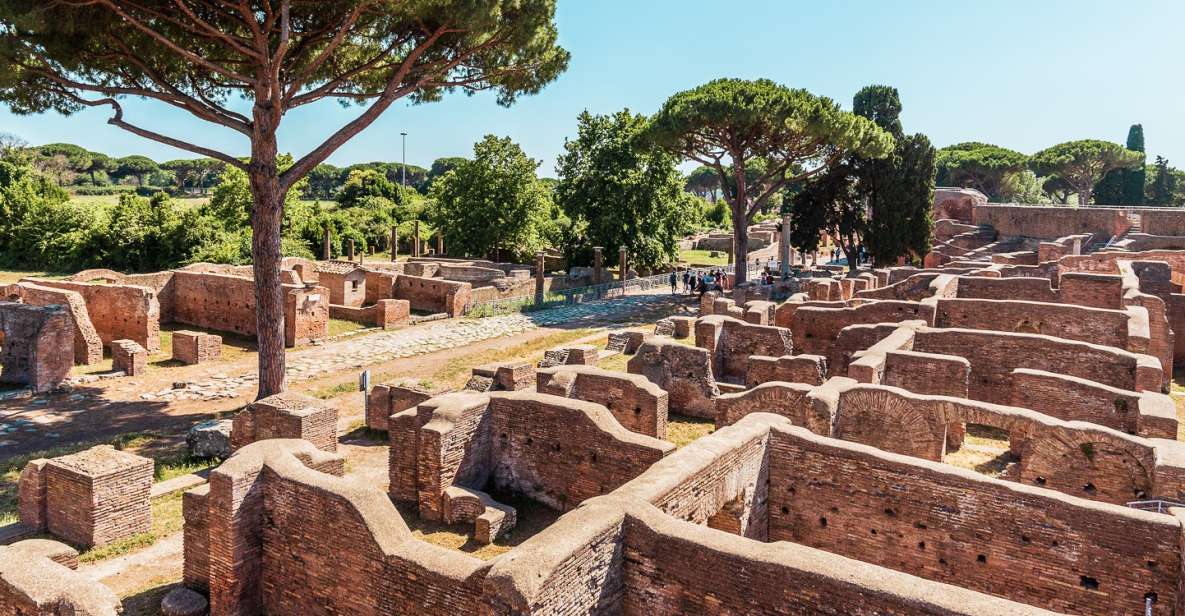
One thing to plan for: this is a walking-heavy ruins visit. The park is spread out and a bit of a maze, and it’s not recommended for people with reduced mobility or wheelchair users, so wear comfortable shoes and don’t expect a stroll-and-park day.
In This Review
- Key things you’ll notice on this Ostia Antica tour
- Why Ostia Antica hits differently than Rome’s big sights
- Getting there the easy way: Roma Ostiense to the archaeological park
- Skip-the-line entry through a separate entrance
- The outdoor theater: where Rome staged drama and spectacle
- The Square of the Guilds: the business side of Roman life
- Baths of Neptune: cleansing, exercise, and social time
- House of Diana: a sophisticated home, not just public ruins
- How the guide changes the value of the ruins
- The timing and walking reality of a 4-hour half day
- Price and value: is $94 worth it?
- Who should book this tour (and who should skip it)
- Before you go: what to bring and what to leave behind
- Should you book Ostia Antica Small Group Tour?
- FAQ
- How long is the Ostia Antica small group tour?
- Where is the meeting point?
- What’s included in the $94 price?
- Is food included?
- What ID and shoes should I bring?
- Is this tour suitable for wheelchair users or reduced mobility?
Key things you’ll notice on this Ostia Antica tour
- Train-to-ruins convenience: you meet at Roma Ostiense and ride the local train roundtrip with the ticket handled for you
- Grand outdoor theater: the playhouse where big crowds once gathered, including gladiator fights
- Square of the Guilds: the commercial heart, where ship owners and merchants chased fortunes
- Baths of Neptune: Roman-style bathing spaces and the everyday routines behind them
- House of Diana: a surprisingly sophisticated private home, not just a collection of walls
Why Ostia Antica hits differently than Rome’s big sights
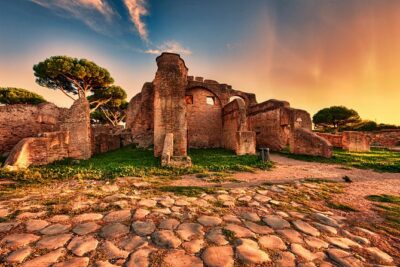
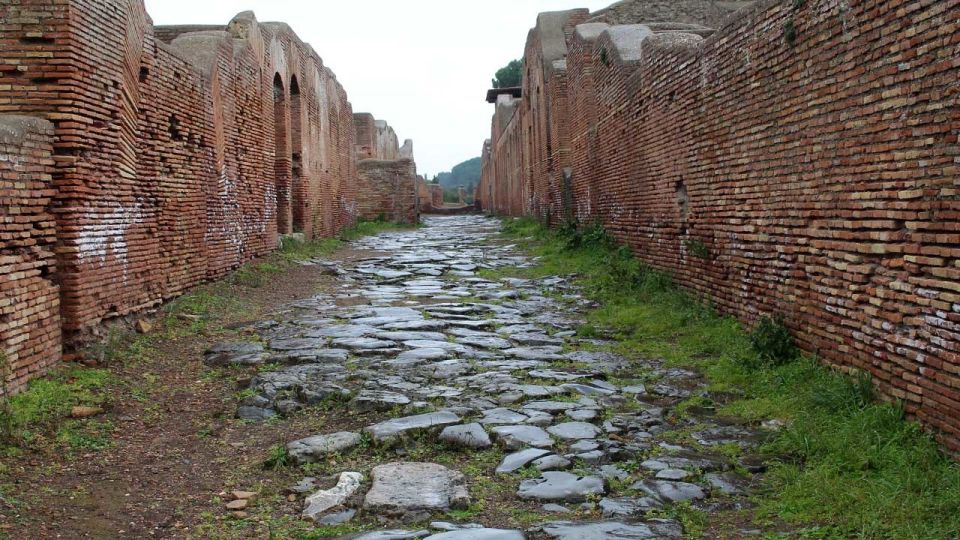
Ostia Antica was Rome’s port city, and once you’re on the ground, you can feel the logic of it. This was where goods moved, jobs happened, and people built lives around the harbor and the constant flow of trade.
What makes this tour appealing is the mix of scales. You’re not only looking at monuments; you’re also seeing the spaces that shaped daily routines. A theater for public spectacle. A guild square tied to business. Baths designed for cleaning and social time. And a house that hints at status and taste.
Also, the city’s survival story matters. After the Roman Empire faded, Ostia was abandoned. Over time, the river shifted, and silt and mud covered the ruins, which helped protect them until excavation later brought the city back into view. That’s why so many structures still feel readable, even when they’re partly ruined.
You can also read our reviews of more tours and experiences in Rome.



Getting there the easy way: Roma Ostiense to the archaeological park
You start at the Roma Ostiense Train Station area, meeting in front of the station (Piazzale Ostiense, 9, 00154 Roma). From there, the tour handles the core logistics by including your roundtrip train ticket to the archaeological park.
Why that matters: taking public transit is usually the part people feel most unsure about, especially if it’s your first time using Italian trains. Having the ticket and the plan managed lets you focus on the day, not on figuring things out on the fly.
Once you arrive near the site, your guide takes over. Expect a walking route through multiple key zones, with enough context to help you understand what you’re seeing instead of just following signs.
Skip-the-line entry through a separate entrance
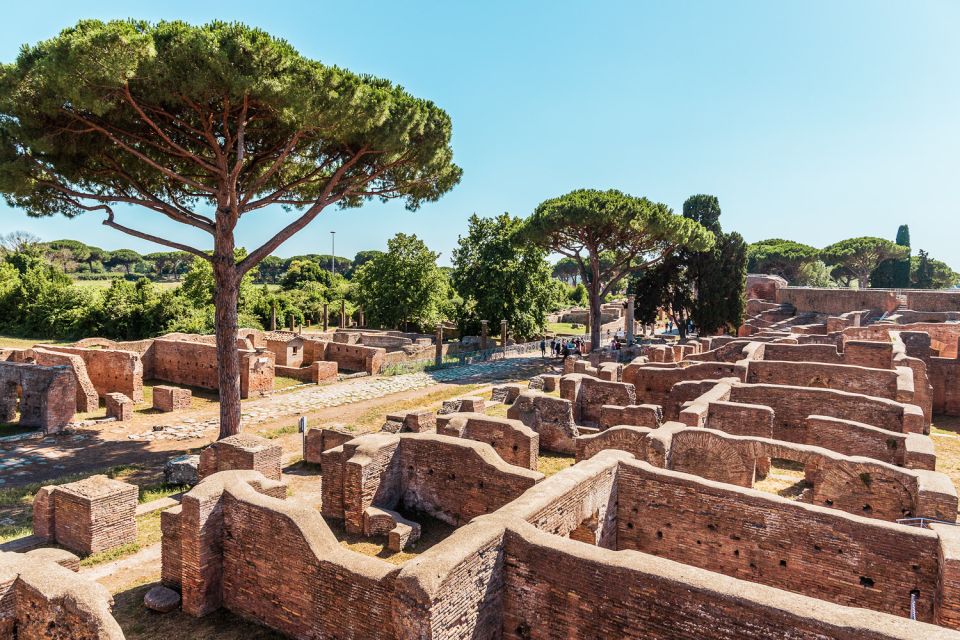
One of the smartest parts of this setup is the skip-the-line ticket for the Ostia archaeological park. You use a separate entrance, which can save time when entry lines build up.
This isn’t about rushing. It’s about keeping your visit comfortable. You’re only out for about 4 hours, so every minute you gain helps you see more than the first few ruins and then leave.
The outdoor theater: where Rome staged drama and spectacle
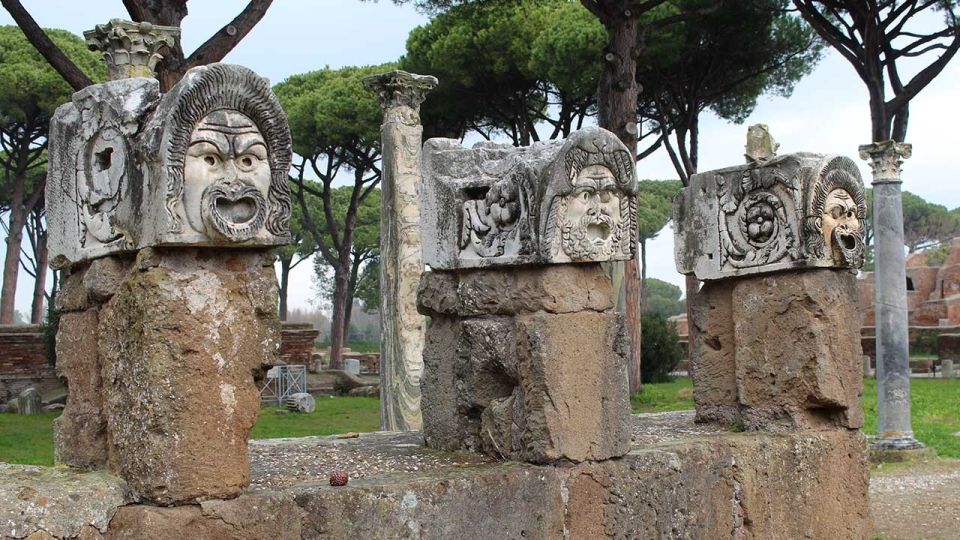
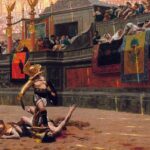
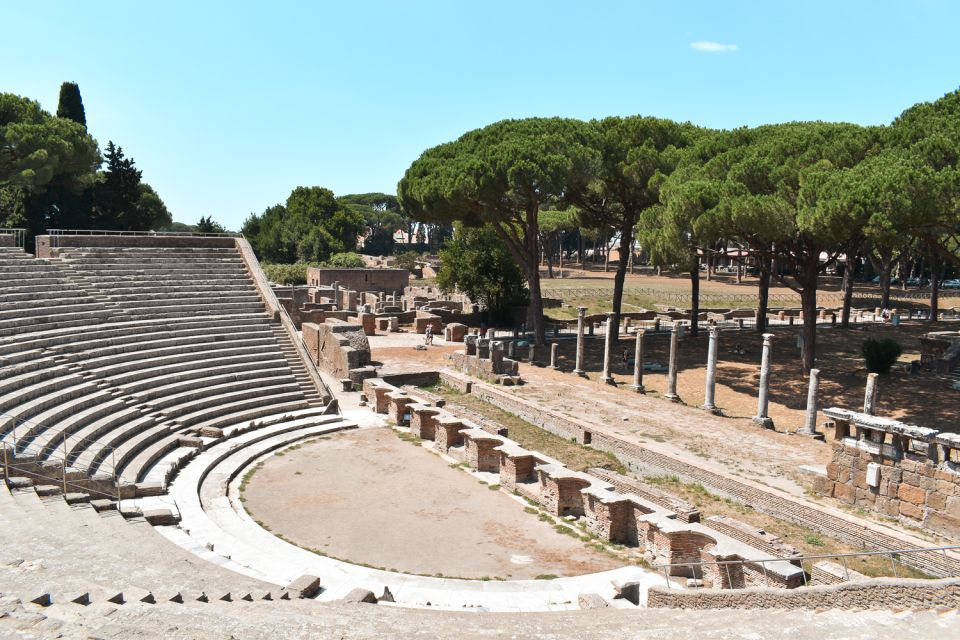
The headline stop is the grand outdoor theater. This wasn’t just a casual place to watch a show. It hosted plays and could also serve for bigger public entertainments, including gladiator fights.
Standing where audiences once sat changes your view of the ruins. The scale isn’t abstract; you can imagine the noise, the crowd energy, and the way the city used public spaces to gather people. Even if you’re not a theater person, it’s a strong anchor point for the rest of the tour, because it shows how entertainment and public life connected here.
A practical note: because it’s outdoors, you’ll feel the weather. In sunny seasons, bring sun protection and plan for light breaks as you walk between stops.
The Square of the Guilds: the business side of Roman life
Next you’ll explore the Square of the Guilds—and this is where the city starts to feel sharply real. This area connected to shipping, merchants, and the people trying to make money off trade.
Look around with your guide’s explanation in mind: this square wasn’t built for passive admiration. It was part of a work-and-profit system. Roman life wasn’t only villas and temples; it also depended on commerce and organized groups.
This stop also helps you understand why Ostia mattered so much to Rome. Ports are engines. Without them, ships don’t move, supplies don’t arrive, and the city’s broader economy slows down.






Baths of Neptune: cleansing, exercise, and social time
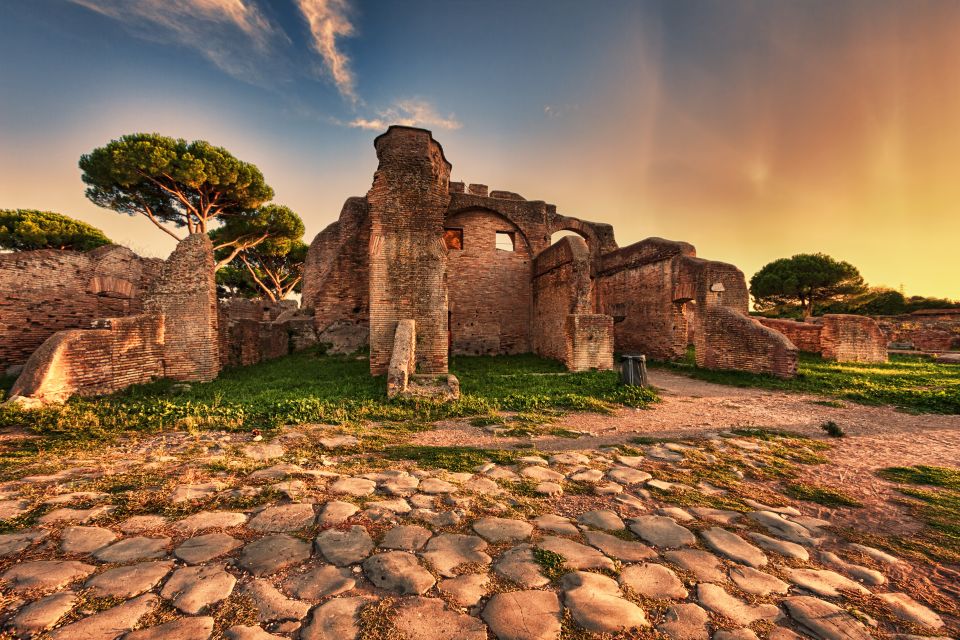
Then you’ll see the Baths of Neptune, one of the best places to connect archaeology to routine. The ruins show Roman-style bathing areas where people would lounge, work out, and clean themselves—often with olive oil.
I love this stop because it’s tactile. Bath complexes aren’t just “pretty rooms.” They show how Romans used time, space, and body care as part of everyday culture. Even from ruins, you can often map the logic: change, cleanse, relax, and socialize.
A small realism check: you’re walking through stone remains, not stepping into a restored spa. But that’s part of the value. You get the layout and the purpose, not a modern recreation.
If you tend to learn best by making mental comparisons, this is the one to lean into. Imagine the flow of people, and suddenly the stones start acting like a plan.
House of Diana: a sophisticated home, not just public ruins
One of the more surprising highlights is the House of Diana. Instead of staying only in the public spaces, you’ll walk into a private abode and get a sense of home life at Ostia.
This stop stands out because it adds texture. A city isn’t only theaters and baths; it’s also where families ate, rested, and displayed identity. A house like this can hint at comfort and taste, and your guide can point out how features would have mattered to daily living.
Think of it as the emotional midpoint of the tour. Public ruins explain the city’s engine. The home helps you understand its people.
Also, it’s a nice contrast with the scale of the theater. The day shifts from crowd spaces to personal spaces, and your eyes adjust with it.
How the guide changes the value of the ruins
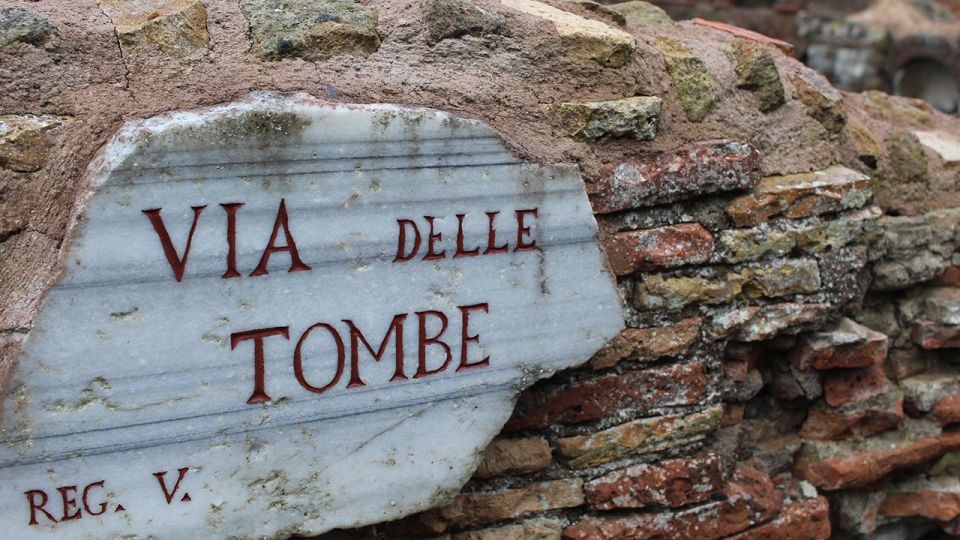
This tour’s real strength is the human layer. The ruins could be overwhelming—Ostia Antica is vast, and it can feel like a maze if you’re wandering on your own.
With a guide, you don’t just see the highlights; you get the reasons they mattered. On past tours, guides such as Claudia, Kathleen, Antonio, Sonia, and Sarah have been praised for making the site feel alive and for adding details that connect the stones to Roman routines and stories. If you ask questions, you’ll often get answers that help you “read” the place afterward too.
Even better, the pace typically feels relaxed and not rushed. For a 4-hour visit, that balance matters. You want time to look closely at the major stops, not just march from one photo point to the next.
The timing and walking reality of a 4-hour half day
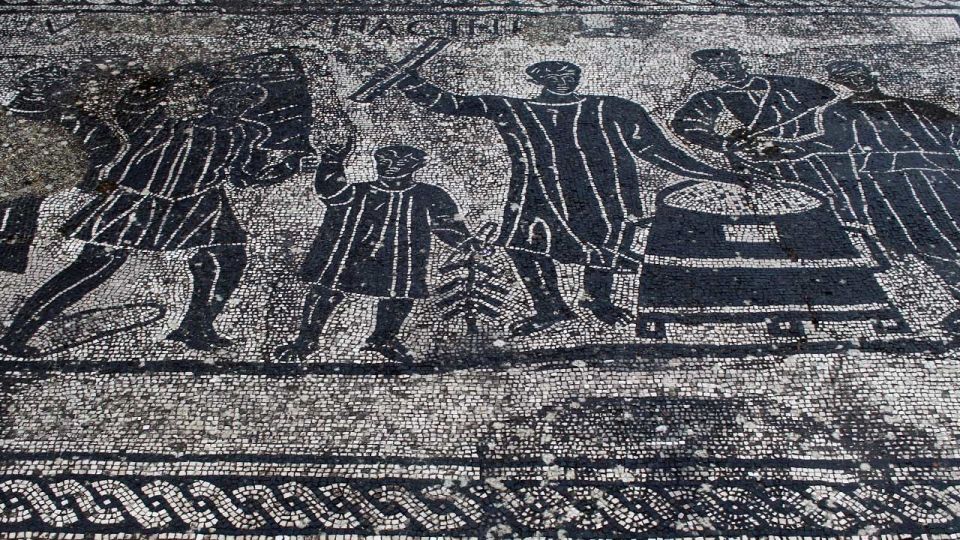
This is built as a half-day outing, so you shouldn’t expect every ruin in Ostia to be covered. Instead, you’re choosing a focused route through the most meaningful and memorable sites.
What you should plan for:
- Comfortable shoes are non-negotiable. There’s walking between zones, and the park involves uneven ground.
- You’ll move at a guided pace, but there will still be gaps between stops where you’ll want to look around.
- If it’s warm, bring water and sun protection. Even with a guide, you’re outside for much of the experience.
If you’re the type of traveler who likes to maximize time but still read what you’re seeing, this tour format usually clicks well.
Price and value: is $94 worth it?
At $94 per person, you’re paying for a few things that add up quickly: a licensed English tour guide, skip-the-line entry, and a roundtrip train ticket. You’re also capped at a small group size (limited to 10 participants).
In practical terms, that price can be a win if you’d otherwise have to piece together transit, entry time, and a self-guided route. Ostia Antica is not the kind of place where “casual wandering” always makes sense, because context helps you spot what matters.
The biggest tradeoff is that food and drinks aren’t included. So you’ll want to bring water and plan a snack strategy. If you’re the sort of traveler who buys snacks on the spot, consider budgeting for it on top of the tour price.
Who should book this tour (and who should skip it)
This tour is a great fit if you:
- want a Rome break from the heaviest tourist crowds
- like guided context over a pure self-guided walk
- enjoy archaeology with real-life connections (work, bathing, home life, commerce)
It’s also a smart choice for first-timers because it includes train tickets and reduces the stress of figuring transit out alone.
Who should reconsider: if you have mobility impairments or use a wheelchair. The tour explicitly isn’t recommended for people with reduced mobility or wheelchair users, and it involves significant walking across an archaeological site.
Before you go: what to bring and what to leave behind
Bring:
- Passport or ID card
- Comfortable shoes
Plan around rules:
- No luggage or large bags are allowed.
That matters because ruins days are already tough on your feet and attention. Keeping your pack small makes the walk easier and helps you move through crowds and entrances without hassle.
Should you book Ostia Antica Small Group Tour?
If you want Ostia Antica to feel coherent and not like a scatter of ruins, I’d book it. The guide-led focus on the outdoor theater, the Square of the Guilds, the Baths of Neptune, and the House of Diana gives you a logical route through the story of the city. Add the skip-the-line entry and roundtrip train ticket, and the $94 price starts to make sense fast.
Book it especially if you care about context, pacing, and a quieter-feeling day trip away from central Rome. Pass if you want a mostly resting, low-walking visit, or if mobility limits you on uneven, spread-out ruins.
FAQ
How long is the Ostia Antica small group tour?
The tour lasts 4 hours.
Where is the meeting point?
Meet in front of the Roma Ostia Lido Train Station, at Piazzale Ostiense, 9, 00154 Roma RM, Italia.
What’s included in the $94 price?
Included are a roundtrip train ticket, skip-the-line tickets to the Ostia archaeological park, a licensed English tour guide, and a small group tour.
Is food included?
No. Food and drinks are not included, so plan to bring water or arrange snacks on your own.
What ID and shoes should I bring?
Bring a passport or ID card and wear comfortable shoes.
Is this tour suitable for wheelchair users or reduced mobility?
No. The tour is not recommended for people with reduced mobility or wheelchair users.