REVIEW · ROME
Focaccia and Pesto Cooking Class in the Roman Countryside
Book on Viator →Operated by Rome Cooking Class · Bookable on Viator
Bread and basil, in the Roman countryside. This hands-on class takes you away from central Rome for a half-day in a working kitchen overlooking a vineyard, where you cook the foods Italians actually brag about: fresh focaccia, pesto, and classic tiramisù. You’re not just watching—you’re working at the table with the host, with local ingredients and a meal at the end.
Two things I really like here: the small group size (up to 16) keeps it friendly, and the setting does the heavy lifting. When you’re cooking with olive trees and vines in the background, the food tastes more real. Plus, you get a welcome with Prosecco and nibbles, and then you sit down to what you made, paired with local wine.
One consideration: rural pickup can be a weak link on any countryside outing. If you’re relying on a driver, give yourself time, double-check your meeting details ahead of the morning, and keep your phone ready—because once you’re off the city grid, small timing problems can feel big.
In This Review
- Key things that make this cooking class worth your time
- Why cook outside Rome at all?
- The 10:30am flow for your 4-hour countryside food day
- The focaccia lesson: learning dough you can taste
- Pesto with basil from the garden (and not from a jar)
- Tiramisu at the end: a classic finish, done properly
- Starters, wine, and the “why” behind the meal
- Small group size means better attention (and easier questions)
- Price and value: what you’re really paying for
- When to book (and what to watch for)
- What to wear and bring for a countryside cooking kitchen
- Who this class is best for
- Should you book it?
- FAQ
- What time does the class start and how long does it last?
- Where do I meet for the cooking class?
- How many people are in the group?
- What will I cook and eat?
- Is there wine included?
- What language is the experience offered in?
- What happens if the weather isn’t good?
Key things that make this cooking class worth your time
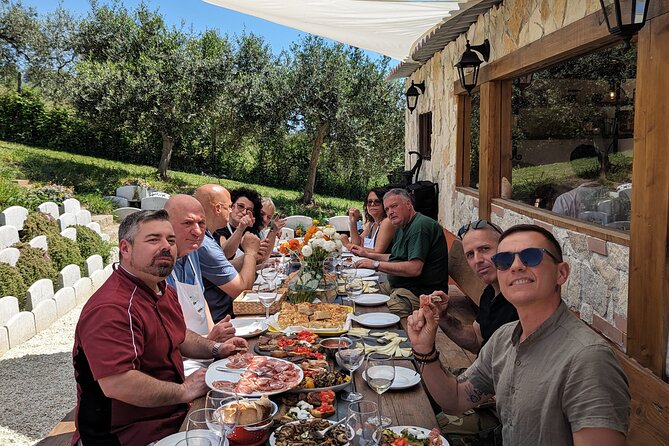
- Vineyard-view kitchen in the countryside: You cook with the scenery doing part of the “vacation” job.
- Fresh focaccia you make yourself: Not a demo—real hands-on dough work.
- Pesto made with basil from the garden: You get that classic, bright flavor instead of jarred shortcuts.
- A full meal at the end, not just snacks: starters, your focaccia/pasta, and traditional tiramisù.
- Wine pairings with what you cook: Prosecco on arrival and local wine with your meal.
- English-speaking experience for small groups: Up to 16 people, so questions don’t vanish into the crowd.
Why cook outside Rome at all?
Rome is wonderful, but food classes in the city can feel like a detour from the real trip. This one trades museums and crowds for a countryside rhythm: olive trees, vineyards, and the kind of calm where you can focus on technique—without feeling like you’re fighting for space.
What also makes it appealing is that food is the whole point, not an add-on. In Italy, cooking isn’t just “a fun activity.” It’s a way families teach flavors, habits, and timing. When the basil is coming from a garden and the kitchen looks over a vineyard, you’re tasting ingredients with a real place behind them.
If you’re the type who likes your travel days to include both hands-on learning and a satisfying payoff, this hits the sweet spot. You finish with food you made, plus wine and conversation that feel like part of the day rather than a sales pitch.
You can also read our reviews of more cooking classes in Rome

The 10:30am flow for your 4-hour countryside food day
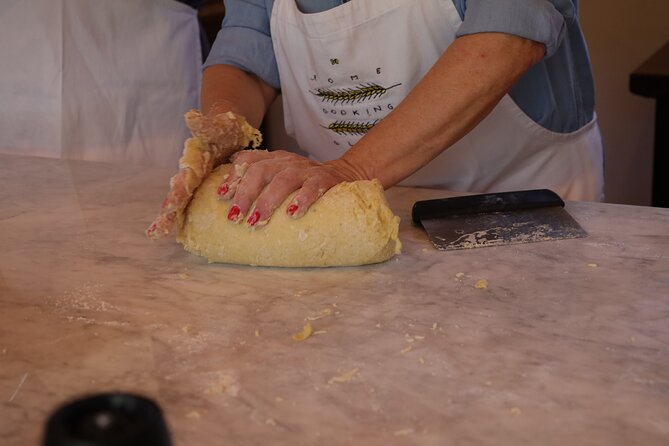
The class starts at 10:30 am and runs about 4 hours. It also ends back at the meeting point, so you’re not stuck guessing how to get home or timing a second plan.
Here’s how the experience generally moves, based on how the day is described and what’s on the menu:
First, you arrive at the meeting point in Fonte Nuova (Via di Santa Lucia, 274, 00013). Expect a welcome with Prosecco and nibbles. This matters more than it sounds. It gives you time to settle in, meet the group, and get in the “let’s cook” mindset before hands go into dough and herbs.
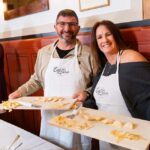
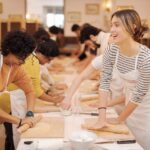
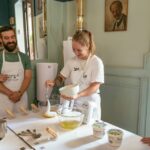
Then the cooking starts. You’ll put on aprons and cook in a kitchen with that vineyard view. The core lessons focus on:
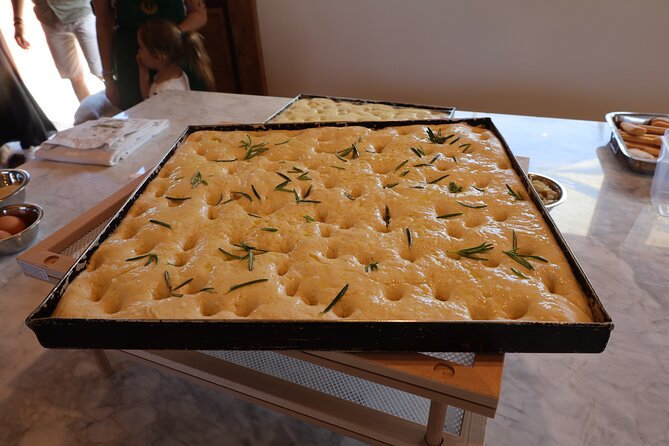
- Fresh homemade focaccia
- Pesto using fresh basil from the property’s garden
- Traditional tiramisù
Along the way, you also eat. There are starters made with seasonal ingredients from local farmers, and your meal includes the foods you’ve been working on.
By the end, you sit down with what you cooked—focaccia and pasta are both part of the main meal—and finish with tiramisu. Your food is paired with carefully selected local wine, turning the class into a full lunch-style experience, not a quick bite between sightseeing.
The focaccia lesson: learning dough you can taste
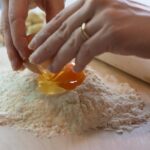
Focaccia is one of those foods that feels simple until you make it. That’s why it’s such a smart choice for a cooking class. When you go hands-on with fresh homemade focaccia, you’re learning something practical: how dough behaves, how it changes with time, and what “ready” actually means.
In a countryside class like this, the focus tends to stay on making it at home feel doable. Instead of fancy plating tricks, you’ll spend your attention on fundamentals: mixing, shaping, and the joy of seeing the oven do its work.
And here’s the best part: you’re not cooking focaccia as a prop. You’ll eat it afterward as part of your meal. So you can connect the technique to the result right away. That makes the class useful even if you’re not a “serious cook.” You’ll leave with a clearer sense of what you’re doing and why it matters.
Pesto with basil from the garden (and not from a jar)
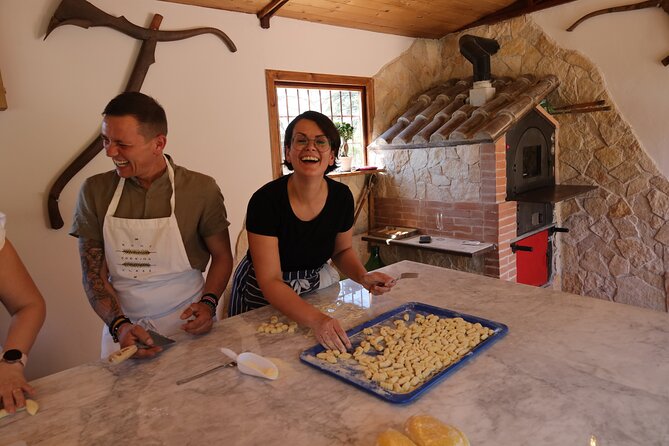
Pesto is another great teaching ingredient because it’s built on simplicity. The quality comes from the basics—herbs, texture, and balance—so it’s a food where a small difference tastes obvious.
In this class, you make pesto with fresh basil from the garden. That single detail changes everything. Garden basil tastes more alive—peppery, slightly sweet, and aromatic in a way that jarred versions can’t match. It also means the pesto lesson connects you to the setting. You’re not just learning a recipe; you’re using ingredients that were grown nearby.
If you’ve ever made pesto at home and wondered why it didn’t taste like the restaurant version, this is the type of class that can fix that mystery. When basil freshness is part of the equation, everything else has an easier job. You’ll likely learn how the pesto should feel and taste, not just what it’s called.
Tiramisu at the end: a classic finish, done properly
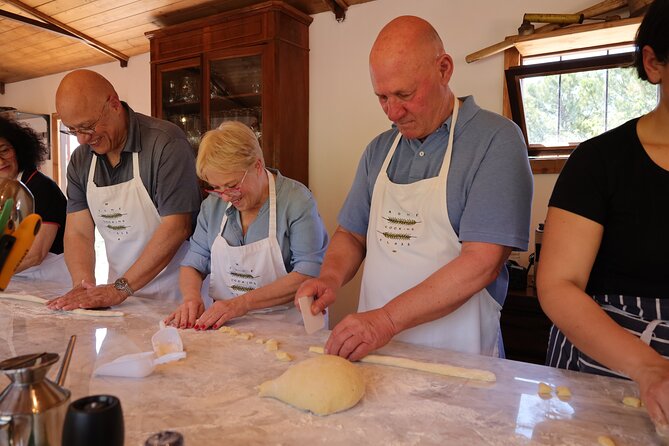
The day doesn’t end with a cookie-cutter dessert. You’ll learn traditional tiramisù, which is good because it’s both familiar and easy to mess up.
Tiramisu can look straightforward on a menu, but the texture matters. That’s where learning in-person helps: you get a feel for the right timing and consistency, and you’ll see how the dessert comes together as a final act after cooking savory dishes. It’s also the kind of dish that makes the whole day feel complete—sweet payoff after wine pairing and real working-apron cooking.
And again, it’s not a separate “dessert add-on.” It’s included as the end of the meal, so your final bites land in the right moment: after you’ve tasted the day’s starters and mains.
You can also read our reviews of more tours and experiences in Rome

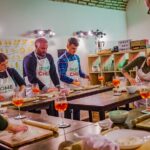
Starters, wine, and the “why” behind the meal
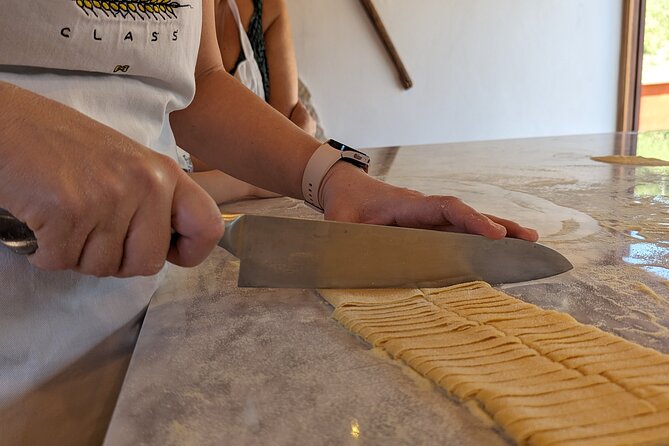
Cooking classes can sometimes turn into a thing where you cook, then stand around, then leave. This one is structured around eating what you make.
You get starters built from seasonal ingredients from local farmers. That’s a smart way to set the tone: you’re learning Italian food habits while actually tasting them, not just collecting recipes.
Then comes the pairing. Your finished meal is paired with local wine, and you also get Prosecco at arrival. Wine isn’t just a perk—it helps you pay attention. When you’re tasting with the right beverage, you start noticing salt, fat, herb brightness, and sweetness in a way that’s easier to remember later.
It’s also a social setup. With time built in to sit down and laugh while you eat, the class becomes less like a workshop and more like a shared meal. For many people, that’s the part they remember most.
Small group size means better attention (and easier questions)
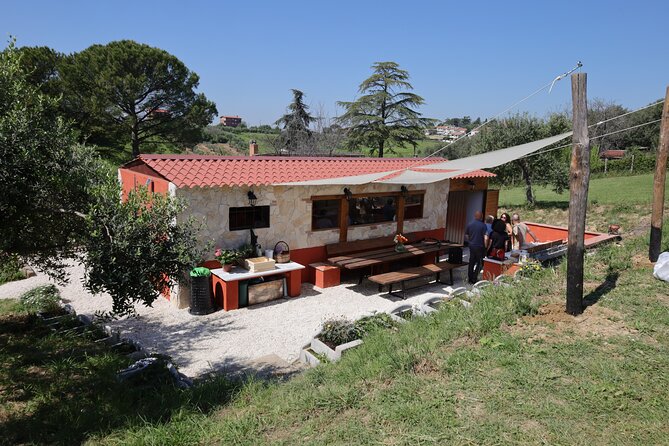
This experience caps at 16 travelers. That’s a big deal for a cooking class. In larger groups, you can end up doing one task while someone else handles the “important” parts. Here, the smaller size makes it more likely you can ask questions, get guidance when you need it, and actually feel involved instead of watching.
It also helps with atmosphere. The countryside setting already slows the day down. A small group keeps that pace human. You’re not shouting over a crowd to explain what you’re trying to do with the dough or pesto.
Price and value: what you’re really paying for
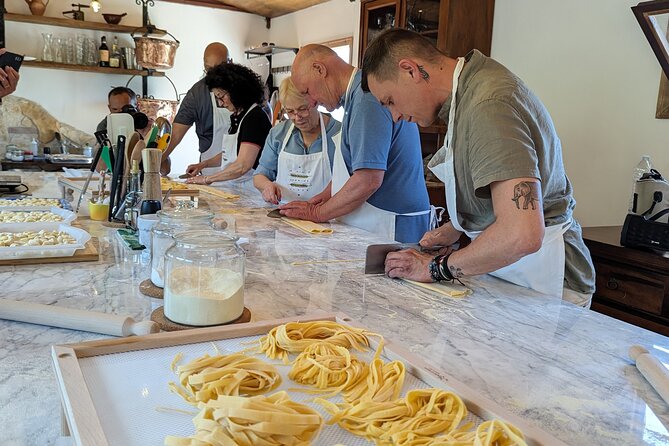
At $108.26 per person, this is not the cheapest thing you’ll do while in Rome. But it isn’t overpriced either, considering what’s included.
You’re paying for a full half-day experience that includes:
- a hands-on cooking class (focaccia, pesto, tiramisù)
- a welcome with Prosecco and nibbles
- seasonal starters
- your meal with focaccia and pasta, plus dessert
- local wine pairings
- a scenic countryside setting in a vineyard-view kitchen
So your money goes beyond “instruction.” It buys the full meal experience and the setting. If you tried to recreate this at home, you’d spend more once you factor in ingredients, time, and the learning-by-doing element. Also, the class format is a shortcut to confidence. You’ll leave with practical understanding of what you cooked, not just a memory.
One more value point: this runs about 4 hours, so it fits neatly into a travel schedule. It’s long enough to feel like an event, but short enough that you’re not sacrificing an entire day in Rome.
When to book (and what to watch for)
This activity is commonly booked around 56 days in advance, which usually means it has a limited schedule and sells out in busy seasons. If you have set dates, booking ahead is the easiest way to secure the slot you want.
As for timing, the start is 10:30 am, so plan to arrive with breathing room at the meeting point. Rural transport can be smoother than you expect—or it can be sensitive to minor delays. Either way, arriving early and staying reachable helps.
Also note the experience requires good weather. If conditions aren’t suitable, you’ll be offered a different date or a full refund. That’s normal for countryside plans, but it means you shouldn’t stack this with a “must-do” day plan that can’t change.
What to wear and bring for a countryside cooking kitchen
The class involves cooking with aprons, and you’ll be in and around a countryside property (with vineyard views and olive-tree vibes). I’d treat it like a light workday for your feet and hands.
Bring:
- Comfortable shoes you can stand in for a few hours
- A light layer in case the countryside air feels cooler than central Rome
If you’re sensitive to smells, remember you’ll be working with basil and cooking aromas. That’s part of the fun, but it’s good to know ahead of time.
Who this class is best for
This experience makes sense if you want:
- a break from Rome’s main-ticket sights
- a hands-on food day where you eat what you make
- an English-led class in a small group setting
- a countryside meal with wine and real local ingredients
It’s also great for food lovers who want something more personal than a standard group tour. If you’re traveling with friends or a partner and want one day that feels both relaxing and productive, this is a strong pick.
If you hate cooking in general, you might find it too hands-on. But if you like learning through doing, you’ll get a lot more out of it.
Should you book it?
Yes—if your idea of a great Rome day includes real cooking, local ingredients, and a countryside setting with a meal at the end. The combination of focaccia + pesto + tiramisù, plus Prosecco at arrival and wine with your food, makes it feel like a complete experience rather than a quick activity.
I’d book with extra care if you’re worried about transport timing. Rural pickups can go smoothly, but be ready for the day to run on its own schedule. Arrive early, stay reachable, and you’ll set yourself up for a stress-free meal-and-music kind of afternoon.
If you want a memorable food moment outside the crowds, this is one of those rare classes that actually earns the time.
FAQ
What time does the class start and how long does it last?
The class starts at 10:30 am and lasts about 4 hours.
Where do I meet for the cooking class?
You meet at Via di Santa Lucia, 274, 00013 Fonte Nuova RM, Italy.
How many people are in the group?
The class has a maximum of 16 travelers.
What will I cook and eat?
You’ll learn to make fresh homemade focaccia, pesto (with fresh basil from the garden), and traditional tiramisù. Your meal includes starters with seasonal ingredients, plus focaccia and pasta, followed by tiramisù.
Is there wine included?
Yes. You’ll get Prosecco and nibbles at the welcome, and your meal is paired with local wine.
What language is the experience offered in?
The class is offered in English.
What happens if the weather isn’t good?
The experience requires good weather. If it’s canceled due to poor weather, you’ll be offered a different date or a full refund.