REVIEW · ROME
Farmers Market Shopping with Roman Full Course Class – (SHARED)
Book on Viator →Operated by Walks Inside Rome · Bookable on Viator
Fresh pasta plus market shopping. That combo is the point. You’ll shop Campo de’ Fiori for what you’ll eat, then get hands-on coaching in a small-group class inside a 17th-century palace. Small-group attention is a big win here, but one thing to consider is that the market situation can change by season—so the menu shopping plan may be adapted if the market is closed.
I also like how the class feels like a real meal you’ll finish together, not a rushed demo. You start with an antipasti and prosecco welcome, cook a full course lineup, and then sit down to eat what you made. The price is not cheap, but when you factor in the full meal, drinks, and chef-led instruction, it starts to look like good value for Rome.
In This Review
- Key points at a glance
- Why Campo de’ Fiori Market Shopping Makes This Class Work
- Meeting at 9:00 am and Finding the Starting Line
- Antipasti and Prosecco Welcome Before You Cook
- Inside the Kitchen: A Small-Group Class With Real Teaching
- The 4-Course Meal You’ll Cook From Market Ingredients
- Fresh pasta: where your hands get involved fast
- Main dish: meat, chicken, or fish, tailored to the day
- Vegetable side: a chance to learn Roman-style produce
- Dessert: tiramisù or panna cotta, with practical technique
- Dining What You Cook: Lunch or Dinner With Wine and Coffee
- Price and Value: What $216 Covers in Real Terms
- Who Should Book This Class (and Who Might Feel Limited)
- Should You Book Farmers Market Shopping With a Roman Full Course Class?
- FAQ
- How long is the cooking class?
- What’s included in the price?
- Is hotel pickup and drop-off included?
- Where do I meet, and what time does it start?
- Is there a vegetarian option?
- What if there aren’t enough people for the class?
- What’s the cancellation policy for a full refund?
Key points at a glance
- Campo de’ Fiori shopping first: Pick ingredients before you cook, so you connect what you buy to what hits the table.
- Max 8 people: More chance to get questions answered while your hands are actually moving.
- A 17th-century setting for cooking: Class happens in an old palace, not a bland studio.
- Full 4-course structure: Fresh pasta, a main (meat/chicken/fish), a vegetable side, then dessert.
- Drinks are part of the experience: Prosecco at the start, plus wine or beer with lunch or dinner.
- Vegetarian option available: Tell the team ahead of time and the menu can shift.
Why Campo de’ Fiori Market Shopping Makes This Class Work
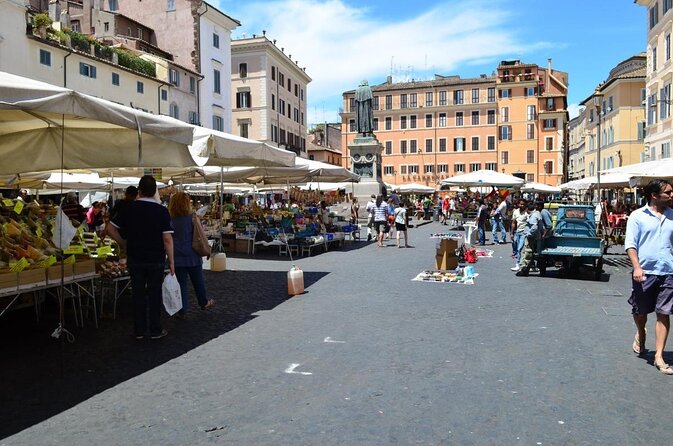
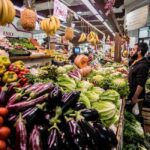
The heart of this experience is the order of operations. You don’t just arrive at a kitchen and hope you learn something. You start at the market in Campo de’ Fiori, choosing fresh produce and key ingredients that directly shape your meal.
This does two useful things for you. First, it turns shopping into a food-education moment. You’ll learn what goes into classic Roman cooking based on what’s actually available that day, not what’s sitting in a warehouse somewhere. Second, it makes the rest of the class feel more personal—you’re cooking with ingredients you picked out, not random supplies.
There’s also a practical reality to mention. Roman market hours can be season-dependent. If something is closed, your chef may adapt and still keep the class moving by shopping elsewhere so you can continue cooking and eating the plan.
You can also read our reviews of more shopping tours in Rome
Meeting at 9:00 am and Finding the Starting Line
You meet at P.za Campo de’ Fiori, 55-52, 00186 Roma RM, and the class starts at 9:00 am. The activity ends back at the meeting point, so you’re not stuck wondering how to get home afterward.
Since there’s no hotel pickup, plan to get yourself there using public transport (it’s noted as near public transportation). I’d also treat this like a morning market mission: comfortable shoes help. Campo de’ Fiori is lively, and you’ll be on your feet while your group shops and walks to the school.
If you’re coming with kids, remember they must be accompanied by an adult. The class format is small-group and hands-on, so being present and engaged matters.
Antipasti and Prosecco Welcome Before You Cook
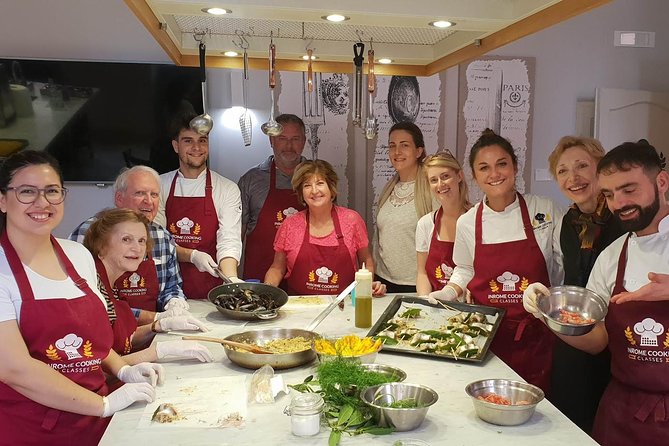
After the market, you walk a short distance to the cooking school. Then it’s straight into a relaxed welcome: antipasti and prosecco to start.
That first bite matters more than it seems. It helps you settle in after the market, and it gives you a light preview of how the meal will flow. You’re basically warming up your appetite before the hands-on work begins, which makes the kitchen time feel smoother and less rushed.
The setting is also part of the appeal: you cook in a 17th-century palace. One of the nice practical effects of that kind of venue is that it usually feels like part of the neighborhood, not an added-on tourist stop.
Inside the Kitchen: A Small-Group Class With Real Teaching
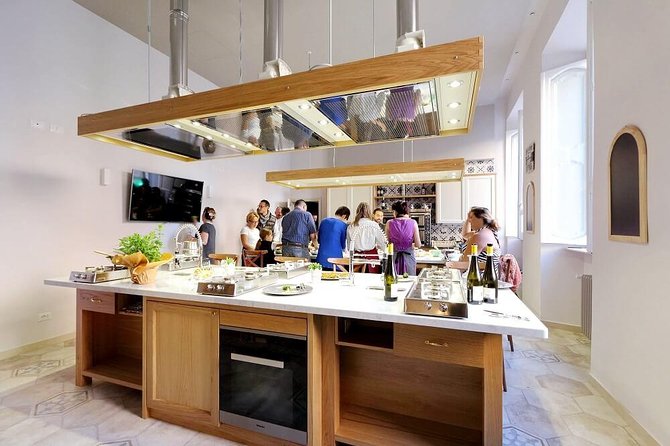
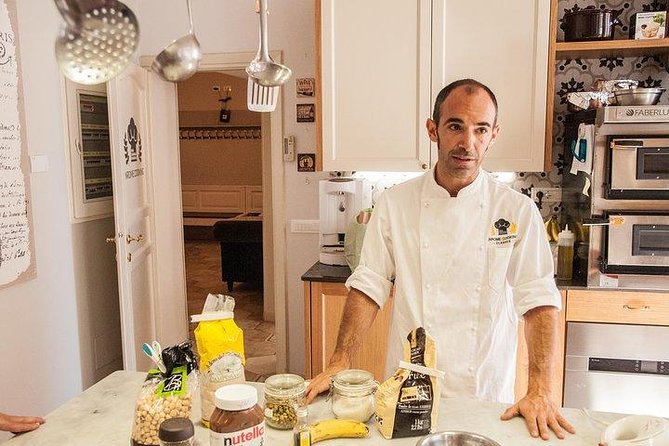
The class caps at 8 travelers, which changes the vibe. In a group that small, your chef can actually check what you’re doing and help you adjust while you’re working—whether that’s pasta technique, sauce balance, or timing so everything finishes together.
English-speaking chefs run the session, and the teaching style can be hands-on and interactive. In past classes, chefs have asked what guests want to learn, then shape the menu and how they teach around the group. You’re not just watching instructions happen. You’re making decisions with your hands.
The kitchen setup is designed for multiple cooks at once. Feedback mentions well-equipped space and a comfortable layout where a group of eight can work without feeling squeezed. You’ll also likely notice that the dining portion is separate from the work area, which helps you transition from cooking mode to eating mode.
The 4-Course Meal You’ll Cook From Market Ingredients
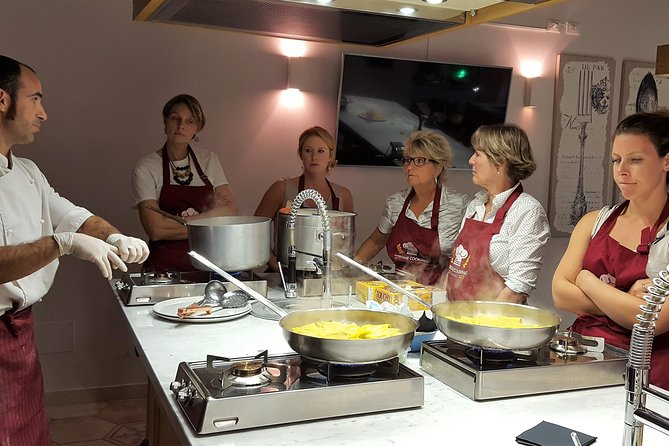
This is a full-course experience, and that’s where the value really shows. You’re not doing one dish. You’re building a meal from start to dessert.
Here’s the structure you can expect:
- Starter (Primi Piatti): Fresh pasta
- Main (Secondi Piatti): Meat, chicken, or fish (the exact choice depends on what’s purchased and what’s appropriate for the menu that day)
- Side (Contorni): A vegetable dish, such as roasted vegetables
- Dessert (Dolce): Options like tiramisù or panna cotta
You can also read our reviews of more tours and experiences in Rome
Fresh pasta: where your hands get involved fast
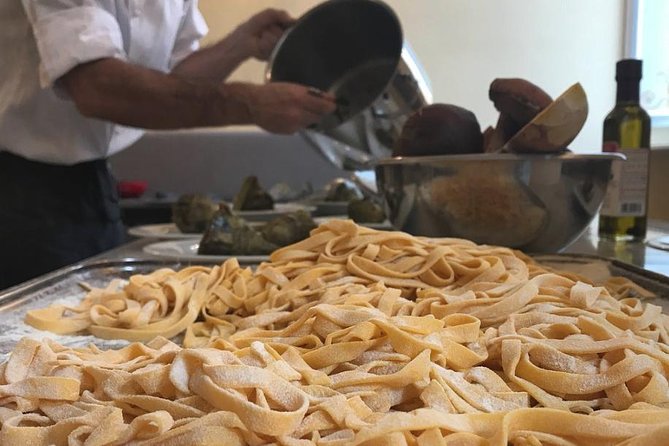
Fresh pasta is the anchor for the class. Multiple guests highlight the hands-on pasta-making as a key highlight, including learning technique steps that make a real difference at home. This isn’t just shaping—good instruction is what gets you from dough to a finished plate without stress.
Main dish: meat, chicken, or fish, tailored to the day
The main course follows what the market supports. Expect some combination of meat or chicken or fish depending on the menu selections and ingredients picked up during market time. If you’re someone who loves being fully involved in every stage, say so. The class is designed to be interactive, but like any cooking workflow, some portions can be more active than others depending on timing and how ingredients are prepped.
Vegetable side: a chance to learn Roman-style produce
The side dish is where you often learn new ways to treat vegetables. Even if you think you know roast patterns, Roman cooking can teach you seasoning, cut size, and timing choices that make vegetables taste less like an afterthought.
Dessert: tiramisù or panna cotta, with practical technique
Dessert is not an add-on. It’s built into the class rhythm and often lands as one of the most memorable parts. Past guests have specifically called out hands-on dessert work like tiramisù, and the key win is learning how to put together the components cleanly and finish with the right texture.
One more smart point: because your exact menu depends on what you purchase, don’t assume you’ll get the same dishes as someone else who booked a different date.
Dining What You Cook: Lunch or Dinner With Wine and Coffee
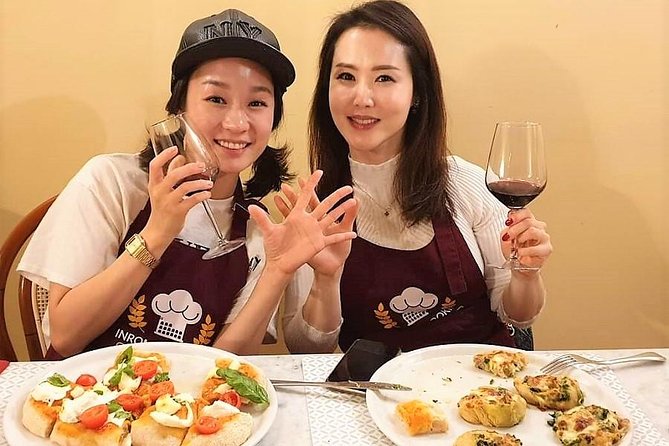
Once the cooking is done, you sit down and eat what you made. This is one of the best parts for most people because it gives you immediate feedback: you can taste what your technique created, and you’re not walking out on a food high without proof.
Your meal includes:
- Lunch or dinner (depending on the session)
- Wine or beer with your lunch/dinner
- Soft drinks
- Coffee and/or tea
That beverage setup is part of why the class feels like a complete experience. You start with prosecco, then continue with wine or beer, and you end with coffee or tea—so you’re not expected to pay extra just to enjoy a sit-down meal.
Price and Value: What $216 Covers in Real Terms
At $216.04 per person for about 4 hours 30 minutes, it’s important to ask what’s included beyond the “cooking” part.
You’re paying for:
- Market-to-kitchen guidance (so you know what to buy and why)
- Chef instruction in English
- A full 4-course meal
- A prosecco reception plus wine or beer with your meal
- Snacks (antipasti)
- Coffee or tea
- Taxes and fees
What’s not included is hotel pickup and drop-off. So if you’re far from the central meeting point, factor in your own transport time and cost.
For my money, the value is strongest if you actually want to learn technique and then eat the results in a social, well-timed setting. If you just want to eat Italian food with drinks, you could probably do that on your own for less. But if you want the market context and hands-on cooking with a small group, this price starts to make sense.
Who Should Book This Class (and Who Might Feel Limited)
This class is best for you if:
- You like cooking enough to enjoy technique, not just watching
- You want a morning plan centered around real ingredients
- You enjoy small-group settings where you can ask questions
- You want to eat a full Roman-style meal you made yourself
It may not be the best fit if:
- You hate structured time blocks and prefer wandering freely all morning
- You expect a huge amount of individual time on every single step (timing can shift, especially around the main course workflow)
On the plus side, the small size and chef attention help you avoid the classic big-group problem: standing back while someone else does the work.
If you’re traveling with a vegetarian diet, there is a vegetarian option, but you must communicate it at booking so the menu can be planned properly.
Should You Book Farmers Market Shopping With a Roman Full Course Class?
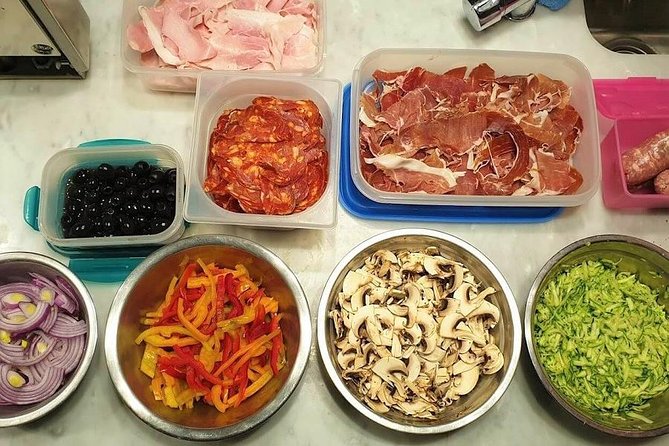
Yes, I think you should book it if you want your Rome trip to include something active and food-focused that still feels authentically local. The market start makes the shopping meaningful, and the 17th-century palace kitchen adds an atmosphere you can’t fake at home. The drinks and full-course meal keep it from being purely educational—this is dinner you help create.
Book it with confidence if you value hands-on cooking and small-group attention. Consider a different plan only if you’re mainly chasing sightseeing and this schedule feels too fixed for your travel style, or if you’re not interested in learning technique beyond one single dish.
FAQ
How long is the cooking class?
It runs for approximately 4 hours 30 minutes.
What’s included in the price?
You get a prosecco and antipasti reception, an English-speaking chef, soft drinks, coffee and/or tea, and lunch or dinner. Wine or beer is also included with your lunch or dinner, plus all taxes and fees.
Is hotel pickup and drop-off included?
No. You’ll need to make your own way to the meeting point.
Where do I meet, and what time does it start?
You meet at P.za Campo de’ Fiori, 55-52, 00186 Roma RM, Italy. The start time is 9:00 am, and the experience ends back at the meeting point.
Is there a vegetarian option?
Yes. Tell the team at booking so they can plan a vegetarian menu.
What if there aren’t enough people for the class?
If the minimum number of travelers isn’t met, you’ll be offered an alternative class or a full refund.
What’s the cancellation policy for a full refund?
You can cancel up to 24 hours before the experience starts for a full refund.