REVIEW · ROME
Authentic Roman Cooking Class & Market Experience
Book on Viator →Operated by Gray Line I Love Rome by Carrani Tours · Bookable on Viator
Homemade pasta starts with a market stroll. This Rome cooking class blends a guided shopping walk near Campo de’ Fiori with hands-on lessons in a real kitchen, then closes with a sit-down lunch and wine pairing.
I really like the market part because you learn what to buy and how to spot good ingredients, not just what to cook. I also like that the class stays small (up to 8), so instructors can give feedback as you roll, shape, and cook.
One drawback to consider: the schedule is packed with multiple dishes (three homemade pastas plus more), so if you want slow, step-by-step teaching nonstop, you may feel the pace a bit fast.
In This Review
- Quick Take: Market-to-Pasta Value in 5 Hours
- Starting at Rossopomodoro and Why the Timing Helps
- The Market Walk: How to Shop Like a Roman Cook
- The Kitchen Lesson: Three Pastas and Real Technique Feedback
- Lunch on What You Made: Four Courses and Wine Pairing
- The Real Value of $225: What You’re Paying For
- What the Small Group Feels Like (Up to 8 People)
- Vegetarian Options and What to Do Before You Arrive
- Pace, Instruction Style, and One Thing to Watch
- Who Should Book This Pasta-and-Market Class
- Should You Book This Rome Cooking Class?
- FAQ
- How long is the cooking class?
- What time does it start, and where do we meet?
- How big is the group?
- What do we do during the market portion?
- What will we cook?
- Is lunch included, and is there wine?
- Can I request a vegetarian menu?
- What languages is the class offered in?
- What’s the cancellation policy?
Quick Take: Market-to-Pasta Value in 5 Hours
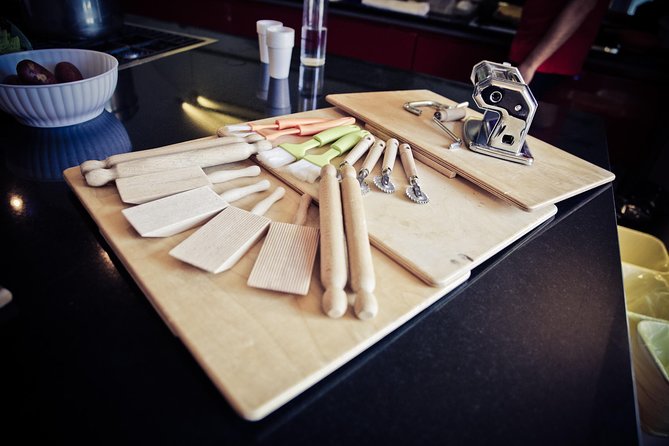
- Campo de’ Fiori shopping start: choose ingredients with a guide and learn what matters
- Up to 8 people: smaller group size means less standing around
- Three homemade pastas: practical skills you can repeat at home
- Hands-on technique coaching: you get pointers while you cook, not just a demo
- 4-course lunch with wine pairing: the meal is part of the experience, not an afterthought
- Vegetarian options available: request during booking for a tailored menu
Starting at Rossopomodoro and Why the Timing Helps
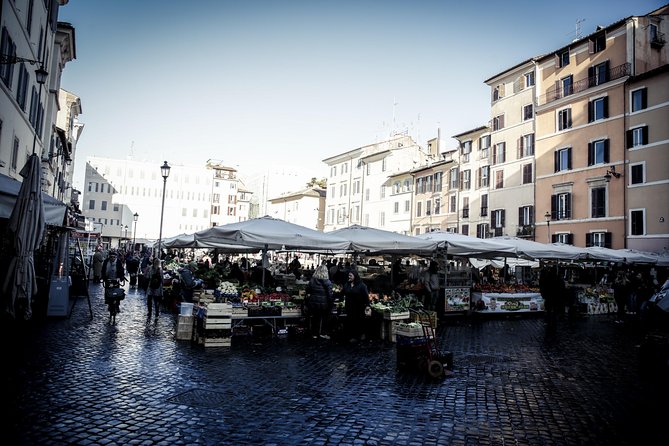
This tour begins at 9:30 am, right by Rossopomodoro at Largo di Torre Argentina, 1. From there, you’re taken on a short walk through Rome’s food scene, and then you get to work in a kitchen set up for cooking.
Five hours sounds like a lot until you’re in the rhythm of it. The market visit breaks up sightseeing, and the lunch lands at exactly the right time to keep your day moving without turning the afternoon into a food-only rest day. It also helps you avoid the classic Rome mistake of trying to pack too much into one day without a real pause.
You’ll also get a mobile ticket, which keeps the whole thing simple at the start.
You can also read our reviews of more shopping tours in Rome
The Market Walk: How to Shop Like a Roman Cook
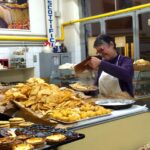
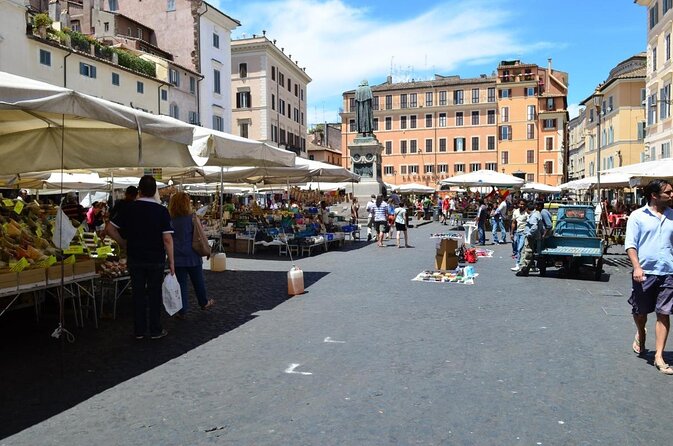
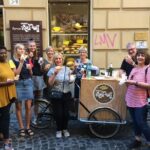
The morning centers on a guided grocery shopping experience in Rome’s city center, with a first stop connected to Campo de’ Fiori and then time spent moving past stalls and shops that sell real basics. You’ll learn how to pick ingredients—produce quality, what to look for at a counter, and how different items affect the taste of your final pasta and sauces.
This is where the class quietly turns into more than a cooking show. Instead of eating pasta and moving on, you start understanding ingredients as choices. That means when you get home, you’ll know what you’re aiming for: better tomatoes, better cheese, better herbs, better meat (if it’s on your menu), and better pantry staples.
Also, the market walk gives you a taste of how Roman food culture works: there’s a difference between buying for cooking and buying for convenience. If you enjoy food markets, this portion is the kind of thing you can’t really mimic from a cookbook.
The Kitchen Lesson: Three Pastas and Real Technique Feedback
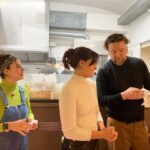
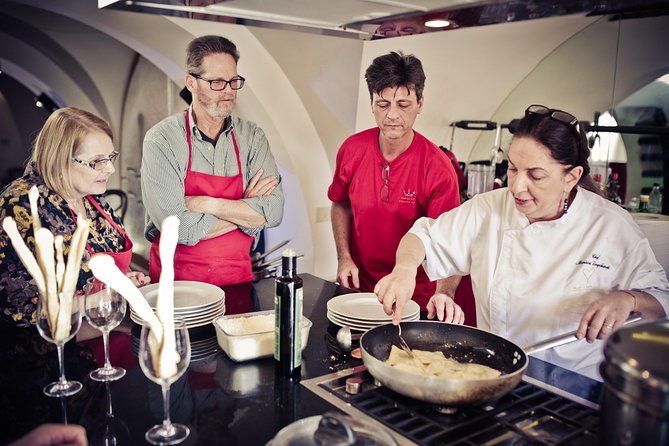
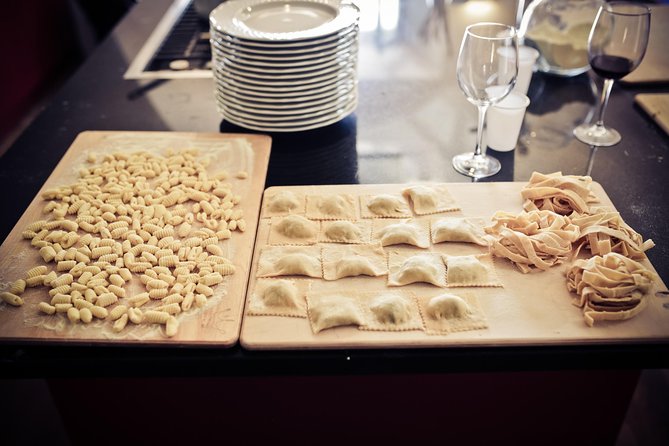
Once the shopping is done, you head to the private kitchen where the cooking happens. The structure is hands-on: you’re not just watching. You’ll make three different varieties of homemade pasta, guided step by step by the instructor and supported by an assistant.
What makes this valuable is the kind of technique talk you can actually use. Some of the coaching you may hear includes practical tips like how pasta water helps sauces thicken and cling, or how to work dough and shape pasta so it cooks properly. A lot of people also mention learning how to roll and shape types like fusilli, which is the difference between pasta that looks right and pasta that eats right.
Then there’s the main course component. The format is designed so that after you finish cooking, you already understand how everything connects: dough consistency, sauce behavior, timing, and finishing touches.
If you like learning by doing, you’ll probably love the flow here. If you prefer super slow instruction, keep in mind the class is moving because you’re making multiple dishes.
Lunch on What You Made: Four Courses and Wine Pairing
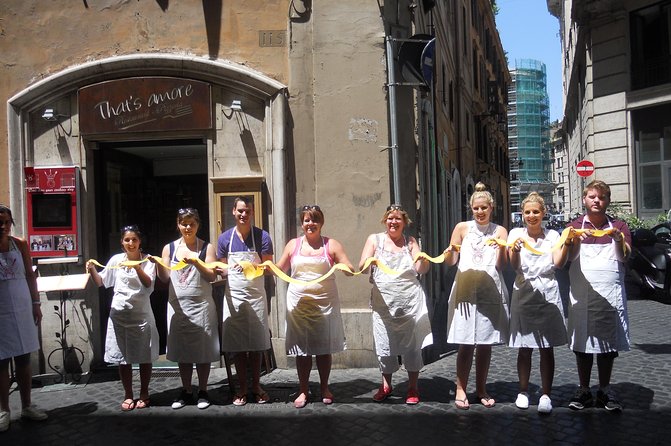
When the cooking ends, it turns into a sit-down lunch where you eat what you created. The plan is a four-course meal, often including the pasta you made plus additional dishes that round out the table, with Italian wine pairing included.
This is one of the best parts of the experience because it makes the teaching stick. You taste the results immediately while the lessons are fresh. You also get to experience Italian food as a sequence—salt, texture, acidity, richness—rather than as a random pile of dishes.
Some course elements you may see in the class offerings include pasta plus Roman-style main dishes, and dessert like tiramisu has shown up in past sessions. The exact menu can vary by instructor and planning, but the promise stays the same: you’ll leave with a full lunch that matches the effort you put in.
And yes, the wine pairing matters here. It’s part of why the meal feels like a complete Roman lunch rather than a reward after cooking.
The Real Value of $225: What You’re Paying For
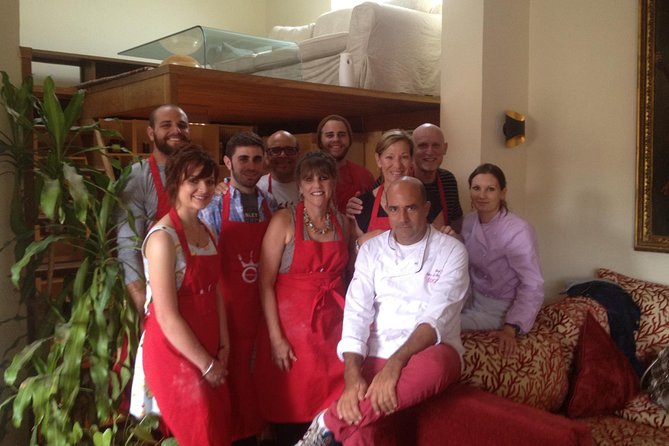
At $225.01 per person for about 5 hours, this isn’t a bargain basement activity. But when you break down what’s included, it looks more reasonable:
- Guided market shopping in Rome’s city center
- Cooking class with ingredients and tools
- Lunch made from your dishes
- Complimentary beverages, including Italian wine
- Small-group format with a maximum of 8
Most cooking classes either focus on the kitchen or the meal. This one connects both, and it does it in a small group where you’re more likely to get personal guidance while you work. That’s the value driver.
The price also covers something intangible: someone else organizes the shopping route, handles the kitchen setup, keeps timing on track, and makes sure you eat what you cooked. In Rome, that kind of coordination can be worth a lot, especially if you’re trying to build an experience that feels local without spending your entire day planning it.
You can also read our reviews of more tours and experiences in Rome
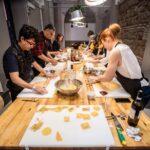
What the Small Group Feels Like (Up to 8 People)
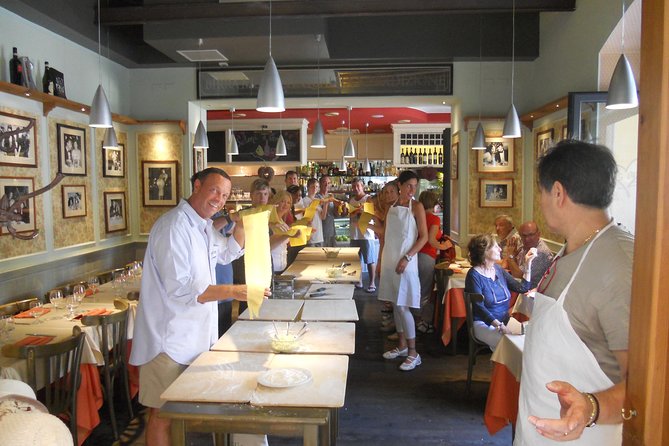
The class is structured for maximum 8 travelers, and that size shows up in the way the cooking time feels. You’re not stuck waiting your turn for dough or equipment, and you’re more likely to get corrections in real time.
That said, pace still matters. Because you’re making three pastas plus more dishes, the best sessions are usually the ones where you jump in quickly, ask questions early, and accept that you might not get a deep lecture on every step. Think of it as learning through repetition—do it, adjust it, and taste the difference.
If you’re coming as a couple, a small group of friends, or solo, this format also encourages conversation at lunch without turning into a big, noisy event.
Vegetarian Options and What to Do Before You Arrive
There’s good news if you eat vegetarian: you can request a vegetarian cooking option during booking. That gives the organizer a chance to plan a menu that works for you, rather than forcing you to improvise at the table.
Two practical notes:
- If you have dietary limits beyond vegetarian (like allergies), the info you provided doesn’t spell those out. You’ll want to confirm specifics when you book.
- Because the schedule includes both cooking and a full meal, it’s worth planning your hunger. Many people recommend not stuffing yourself right before the class so lunch actually tastes great when it arrives.
Pace, Instruction Style, and One Thing to Watch
Even with excellent teaching, this is a busy cooking format. You’re juggling multiple dishes and different tasks, and some portions can lean more structured than talky. If you prefer lots of explanation while you cook, you may want to arrive ready with a few specific questions like:
- Which steps change the texture most?
- How should the sauce behave once the pasta goes in?
- What should I watch for during timing?
Also, one practical warning: not every cooking class includes written recipes. If you care about taking instructions home on paper, ask ahead. It’s better to know than to hope.
And if you’re sensitive to late starts or sound issues in a kitchen setting, keep your expectations flexible. Kitchens can be efficient, but they’re still human operations.
Who Should Book This Pasta-and-Market Class
This is a great fit if you want a Rome activity that’s hands-on and food-focused, not just a walking tour with occasional bites. You’ll likely enjoy it if you:
- love Italian markets and want to learn what to pick,
- want a repeatable skill like making fresh pasta,
- enjoy sitting down for a real multi-course lunch with wine,
- prefer small-group instruction.
It also works well for travelers who want something different from the usual sights. You’ll get a slice of local daily life: buying ingredients, cooking technique, and eating in a structured meal.
If you’re only interested in watching chefs cook from a distance, this one may feel too hands-on.
Should You Book This Rome Cooking Class?
I’d book it if your goal is simple: learn fresh pasta skills in a real setting, shop for ingredients with guidance, then enjoy the results as a full Roman lunch. The combination of market + kitchen + four-course meal is exactly what makes this class more satisfying than a standard cooking demo.
Skip it (or choose carefully) if you’re expecting a slow, ultra-academic class where every step is explained at length and you’ll definitely get printed recipes. The program is designed for production—make multiple dishes, eat together, go.
If you book, do it with the right mindset: jump in, taste as you go, and ask questions when you’re standing at your station. That’s how you’ll walk away with skills, not just a full stomach.
FAQ
How long is the cooking class?
It runs for about 5 hours.
What time does it start, and where do we meet?
The start time is 9:30 am, and the meeting point is Rossopomodoro, Largo di Torre Argentina, 1, 00186 Roma RM, Italy.
How big is the group?
It’s a small-group experience with a maximum of 8 people.
What do we do during the market portion?
You’ll do guided grocery shopping in Rome’s city center, including passing stalls/shops and selecting ingredients for your class.
What will we cook?
You’ll learn to prepare three different varieties of homemade pasta plus a main course.
Is lunch included, and is there wine?
Yes. You’ll enjoy a sit-down lunch made of the dishes you prepared, plus complimentary beverages including Italian wine.
Can I request a vegetarian menu?
Yes. Vegetarian cooking options are available if you indicate it during booking.
What languages is the class offered in?
The experience is offered in English and Spanish.
What’s the cancellation policy?
This experience is non-refundable and cannot be changed. If it’s canceled because the minimum number of participants isn’t met, you’ll be offered another date/experience or a full refund.