REVIEW · ROME
Kitchen of Mamma: Pasta Cooking Class with market visit in Rome
Book on Viator →Operated by YellowSquare · Bookable on Viator
Pasta starts with a walk. In Rome, Kitchen of Mamma takes you to the Nomentano Market with an Italian chef, then back to YellowSquare for hands-on pasta and wine. It’s a smart mix of local food shopping and the real work of making classic dough from scratch.
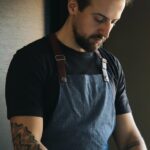
I like that you eat what you make right after learning it, with a relaxed lunch instead of a rushed demo. I also like the way chef Marco teaches—step-by-step, with practical dough tips and a friendly vibe that works even when the group is as large as 14.
One consideration: this class is not built for every diet. It’s not suitable for gluten-free travelers, and vegan options aren’t available.
In This Review
- Key highlights worth circling
- Meeting at Via Palestro: your start point and what 11:00 means
- Market walk at Nomentano Market: the lesson hidden in shopping
- Back to YellowSquare: where the class gets hands-on
- Making classic pasta: dough feel, shaping, and real technique
- Lunch with wine pairing: what you eat and why it’s part of the value
- Skills you take home: recipes and the confidence to cook again
- Who this is best for (and who should rethink it)
- Price and logistics: is $151.23 worth it?
- Reliability and scheduling: what to watch for before you go
- Should you book Kitchen of Mamma in Rome?
- FAQ
- Where is the meeting point for Kitchen of Mamma?
- What time does the pasta class start?
- How long is the experience?
- Is lunch included?
- Are vegetarian options available?
- Is it suitable for vegan or gluten-free diets?
- How big is the group, and what’s the minimum age?
Key highlights worth circling
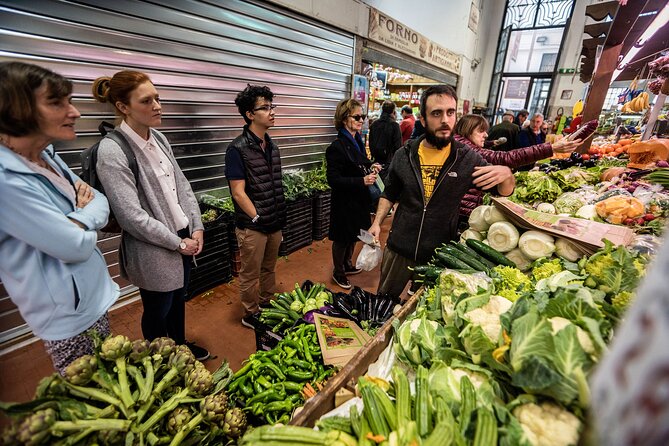
- Nomentano Market ingredient shopping with the chef, so you learn what to buy and why
- Small group size (max 14), which helps with hands-on time
- Make pasta from scratch and learn techniques you can repeat at home
- Lunch with local wine pairing plus coffee and limoncello
- Recipes and a participation certificate to take home
Meeting at Via Palestro: your start point and what 11:00 means
The experience starts at Via Palestro, 51 at 11:00 am and ends back near the same meeting point. That matters because you can plan the rest of your day without guessing how you’ll get back across town.
You’re not picked up from a hotel, so treat this like a standalone half-day outing. If you’re staying central, it’s usually easy to reach by public transportation, and the tour is described as near transit. Dress is casual, and you’ll be walking a bit—think comfortable shoes, not dressy “Roman Sunday” gear.
Also, you’ll want to show up on time. Even though the total runs about 6 hours, the market visit and cooking schedule stack on each other. If you arrive late, it’s your hands-on class that gets squeezed.
You can also read our reviews of more shopping tours in Rome
Market walk at Nomentano Market: the lesson hidden in shopping
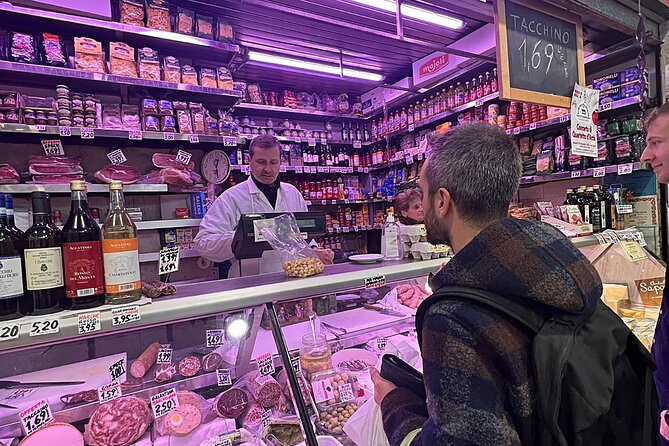
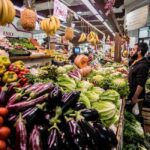
A big part of why this works is that the market visit isn’t just sightseeing. You go with the chef to look at the Italian products tied to your pasta—ingredients you can actually recognize later when you cook at home.
You’ll learn how to spot what’s worth buying and how each ingredient contributes to the final result. That sounds simple, but it’s one of the fastest ways to improve your cooking: you’re training your eye and your instinct, not just copying a recipe.
And the walk is paced like you’re on a neighborhood errand, not herded through stalls. The chef’s explanation helps you connect the dots between what you see at the market and what you’ll knead, roll, and shape back at the kitchen.
Back to YellowSquare: where the class gets hands-on
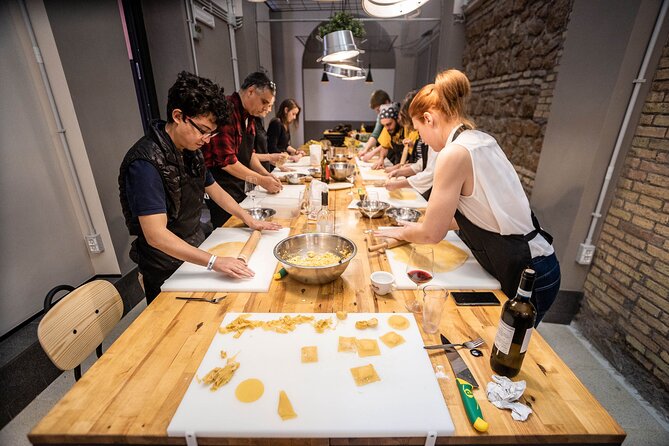
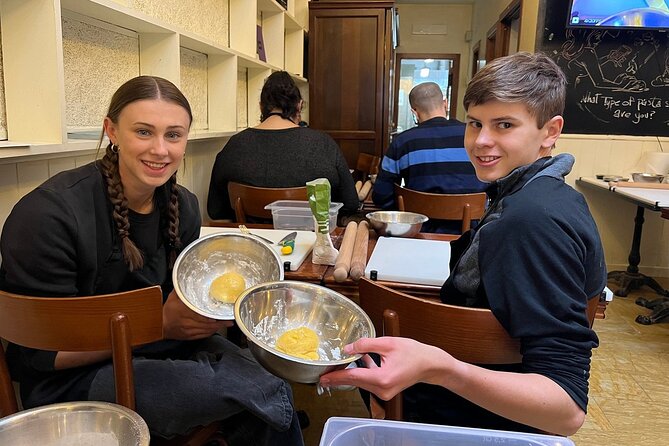
After the market, you head back to YellowSquare, where the practical part happens. This is where you stop being a spectator. You’ll work on the pasta dough and make classic pasta dishes—so you learn what the dough should feel like and how it changes as you handle it.
The atmosphere here tends to be casual and friendly, and chef Marco is known for keeping things fun while still teaching technique. That combination is key. Pasta making isn’t hard in theory, but it’s easy to get wrong on texture. A good teacher helps you adjust in real time, like when dough needs a little rescue.
One small watch-out: kitchen layouts vary. In at least one setup, it can be harder for everyone to see every step clearly. If you’re someone who learns best by watching closely, arrive a touch early and pick a spot where you can see the work area.
Making classic pasta: dough feel, shaping, and real technique
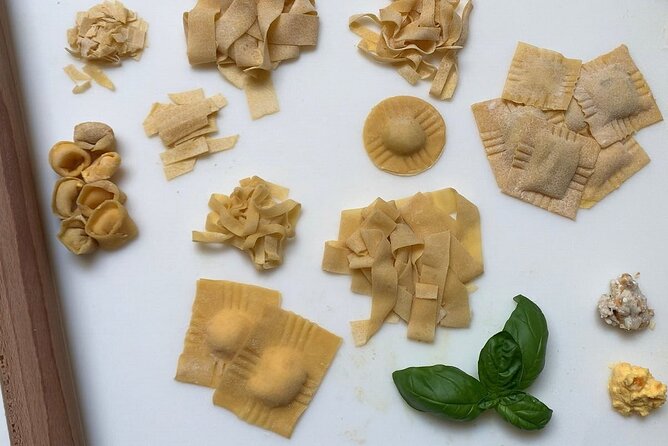
This class focuses on pasta “from scratch,” and you don’t just roll once and call it done. Expect a step-by-step teaching flow that covers dough work and then turns into shaping.
What you’re really paying for here isn’t magic—it’s technique:
- how the dough should look and feel as you work it
- how to handle mistakes instead of panicking
- how to shape pasta in a way that holds sauce
Chef Marco is highlighted for giving lots of hands-on attention and for explaining the reasoning behind steps, not just the steps themselves. You’ll also get tips for dough that ends up too dry, which is exactly the kind of issue that happens when flour brands and kitchen humidity differ from home.
You’ll learn more than one pasta preparation. Many people come away surprised at how much you actually produce in one session—enough that lunch afterward feels like a reward, not an obligation.
Lunch with wine pairing: what you eat and why it’s part of the value
At lunch, you eat what you make—an experience advantage that matters more than it sounds. Cooking classes that serve food you didn’t make can feel like a side dish to the “real” event. Here, your pasta is the point.
A glass of Italian wine is included, and the lunch is described as pleasant and unhurried. Reviews also talk about the social side: you’re eating, chatting, and tasting together, not standing in line for a plate.
Coffee and limoncello are included too. That’s a nice Rome touch and a smooth way to finish a food-focused afternoon. It also helps the whole day feel complete, especially if you don’t want to plan dinner after.
You can also read our reviews of more tours and experiences in Rome
Skills you take home: recipes and the confidence to cook again
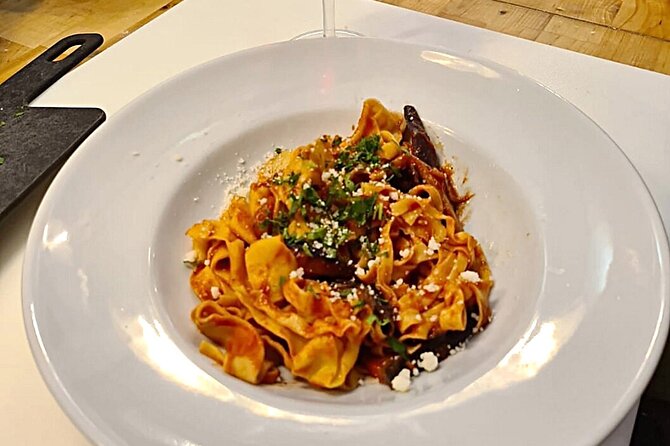
You’ll leave with pasta recipes plus a participation certificate. The recipes are practical—what you need for the next time you try this at home.
But the bigger takeaway is confidence. You’re not just memorizing a single recipe. You’re learning how pasta dough behaves, so when you cook again, you know what adjustments to make. That’s the real “value” layer: this is training, not just entertainment.
If you plan to cook Italian food for friends later, this class gives you the foundation to do it without guessing. Even better, it makes the classic dishes feel less intimidating, because you handled the dough yourself.
Who this is best for (and who should rethink it)
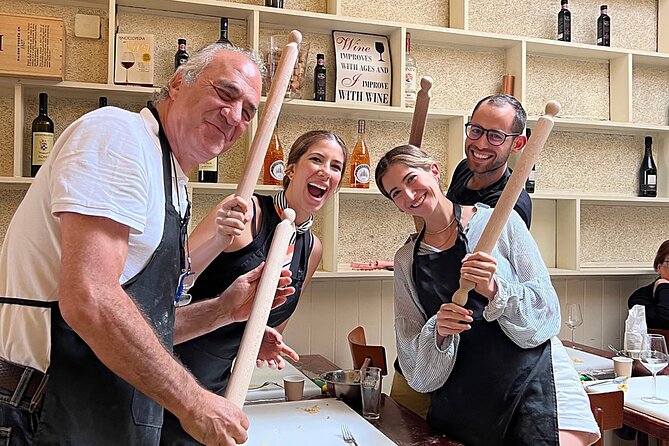
This works well for families and food lovers. The minimum age is 8, so it can be a fun way for older kids and teens to engage with cooking. It’s also a strong pick if you like hands-on learning and want a sensory lesson—smell, texture, timing—not just a lecture.
Vegetarian options are available upon request. You’ll need to tell the chef upon arrival, so if you have dietary needs, plan to communicate clearly when you meet.
Who should skip it:
- Gluten-free travelers: it’s specifically noted as not suitable
- Vegan travelers: vegan options aren’t available
If you’re sensitive to gluten or avoid it strictly for medical reasons, you’ll want a different class designed for that. Otherwise, you’ll spend the day worrying instead of cooking.
Price and logistics: is $151.23 worth it?
At $151.23 per person for about 6 hours, the price looks steep at first glance. Here’s the math that makes it feel fair: you’re getting a market visit, a hands-on pasta class, lunch with wine pairing, and post-meal extras like coffee and limoncello—plus recipes and a certificate.
Also, the class size is capped at 14 travelers, so you’re not getting stuck in a massive show-and-tell group. Hands-on time is where cooking classes earn their keep, and small-group formats usually deliver better learning.
The only “cost” you should budget for yourself is getting there and back. Transportation to/from attractions and hotel pickup aren’t included, so your total travel time is part of the equation.
If you want value, this is best when you treat it as your main food event of the day. Don’t schedule a second meal right after and expect to snack-light; people tend to leave full.
Reliability and scheduling: what to watch for before you go
The tour notes that there are minimum numbers and there’s a possibility of cancellation after confirmation if the requirement isn’t met. That’s normal for popular Rome experiences, and it’s why you should book soon if you can.
On the day-of logistics side, you’ll get a mobile ticket, and service animals are allowed. The meeting point is fixed at Via Palestro, 51, and the end point returns to the meeting point, so there’s less confusion at the back end.
Also, since the start time is firm at 11:00 am, you’ll want to build in a little buffer. In one account, the session ran longer than expected, which usually isn’t bad for food lovers, but it can matter if you have tight plans later.
Should you book Kitchen of Mamma in Rome?
I’d book it if you want a food-forward Rome experience that teaches real technique. The combo of market shopping, hands-on pasta making, and lunch with wine is exactly the kind of day that turns into a practical skill you can use later—not just a memory photo.
I wouldn’t book it if you need gluten-free or vegan accommodations, because those options aren’t available. And if you’re very sensitive to schedule risk, it’s smart to double-check your day plan since group minimums can affect whether the experience runs.
If you’re deciding between “see more sights” and “learn how the food is made,” this is the one that gives you something you can recreate back home.
FAQ
Where is the meeting point for Kitchen of Mamma?
The tour meets at Via Palestro, 51, 00185 Roma RM, Italy.
What time does the pasta class start?
It starts at 11:00 am.
How long is the experience?
It lasts about 6 hours.
Is lunch included?
Yes. You’ll have a pleasant lunch with the pasta you make, plus a glass of Italian wine. Coffee and limoncello are also included.
Are vegetarian options available?
Yes, vegetarian options are available upon request. You should inform the chef upon arrival.
Is it suitable for vegan or gluten-free diets?
No. Vegan options are not available, and the experience is not suitable for gluten-free diets.
How big is the group, and what’s the minimum age?
The class has a maximum of 14 travelers, and the minimum age is 8 years.