REVIEW · ROME
Vatican City: 24-Hour City Card
Book on GetYourGuide →Operated by OPERA ROMANA PELLEGRINAGGI · Bookable on GetYourGuide
Vatican lines can eat your whole day. This card bundles skip-the-line Vatican entry, a 24-hour Rome hop-on hop-off bus, and audio-guided extras like Carcer Tullianum and Saint John in Laterano, so you can cover a lot with less stress. One drawback: the museums visit is timed, and if you try to do everything outside the Vatican in one day, you may feel rushed.
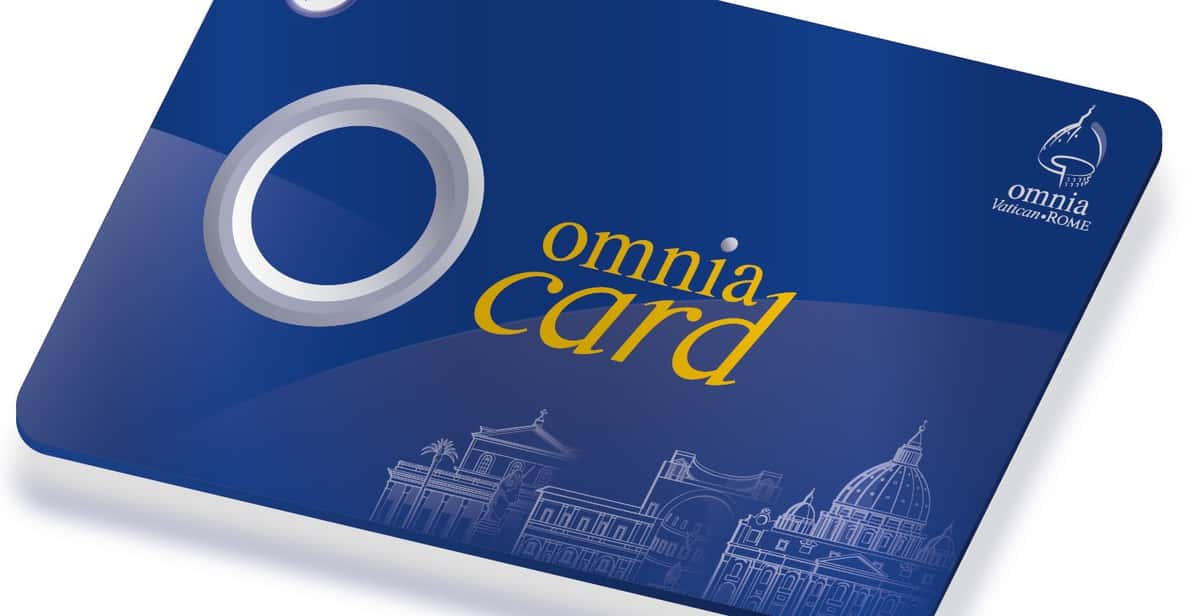
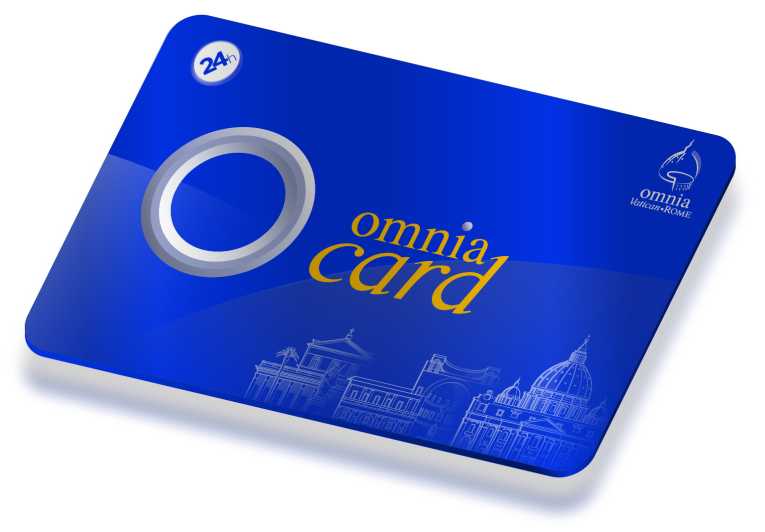
I like that the pass is digital, so there’s no physical pickup day-of, and you can move straight into your scheduled Vatican time. I also like the mix of experiences: big ticket Vatican highlights plus smaller, atmospheric stops, plus self-paced walking routes in Rome. The main consideration is the schedule crowding and pacing—this is a “one full day” plan, not a slow stroll.
In This Review
- Key things I’d do first with this card
- Skip-the-line Vatican entry: why this card feels worth it
- Sistine Chapel timing: Michelangelo’s ceiling and the April 2025 closure
- Vatican Museums: how to make the visit feel manageable
- Carcer Tullianum: the short stop with a strong mood
- Saint John in Laterano: archbasilica status and a calmer pace
- 24-hour hop-on hop-off bus: use it like a tool, not a distraction
- Phone app and walking itineraries: turning Rome into a self-guided plan
- Included extras that quietly make a difference
- Price and value: is $81 a smart buy for your one-day plan?
- Logistics you should not wing on the day
- Who this card suits best
- Should you book the Vatican City: 24-Hour City Card?
- FAQ
- Do I need a physical card for the Vatican City 24-Hour City Card?
- How does the Vatican Museums entry timing work?
- What’s included with the card?
- Is public transportation included?
- Is the Sistine Chapel always open with this card?
- What languages are the audio guides available in?
Key things I’d do first with this card
- Book your Vatican entry time before you go and plan to arrive early so you don’t lose momentum.
- Treat the hop-on hop-off bus as orientation: use it to position yourself for walks and quick photo stops.
- Use the audio guides, not just the map—they’re part of how you turn a packed visit into something you can actually follow.
- Have your voucher ready on your phone and check your email spam folder for it.
- Plan for the one-day pace: you can do a lot here, but you’ll want focus, not “see everything.”
Skip-the-line Vatican entry: why this card feels worth it
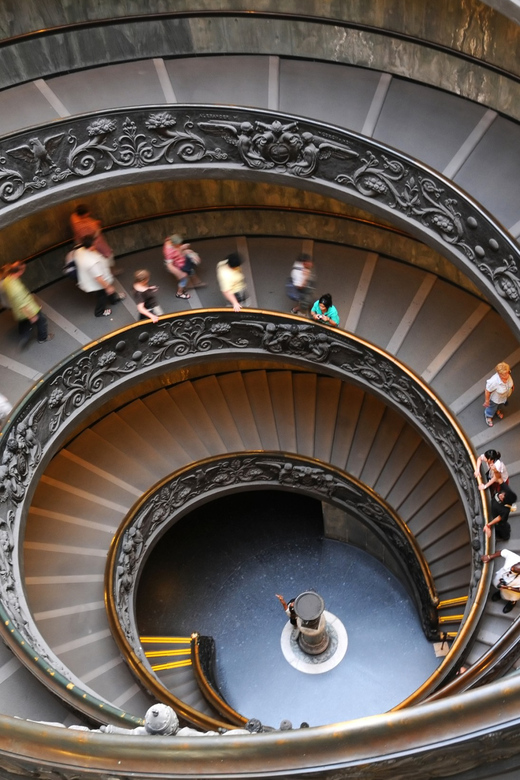
The Vatican Museums are famous for long queues. When you’re working with only one day, time isn’t just time—it’s energy. This card’s biggest practical win is that it gives you skip-the-ticket-line entry for the Vatican Museums and the Sistine Chapel area, which usually means less waiting and more time looking.
Here’s what that means for your day. You book a specific entry time during purchase, then at the Vatican you show the official voucher from email at the entrance to the museums. That scheduled slot is your anchor. Without it, you’d often lose prime morning time to lines and “waiting to wait” energy.
Also, the day isn’t only Vatican. The card is built like a starter kit for Rome: it connects a Vatican visit with a 24-hour hop-on hop-off open-top bus plus audio-assisted stops around the city. So even though the Vatican is the headline, the card is really about flow—getting you from one highlight to the next.
You can also read our reviews of more city tours in Rome


Sistine Chapel timing: Michelangelo’s ceiling and the April 2025 closure
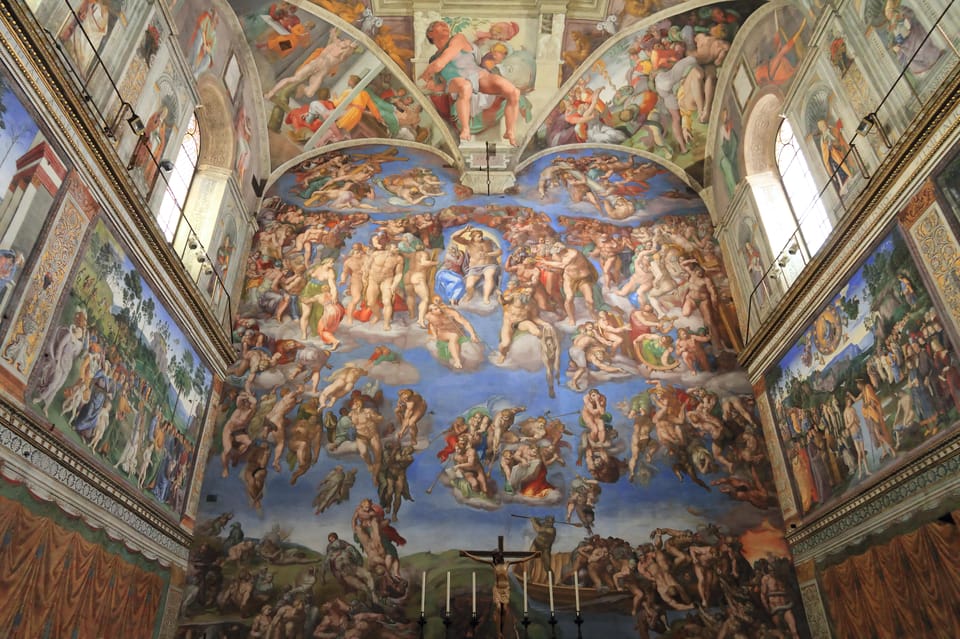
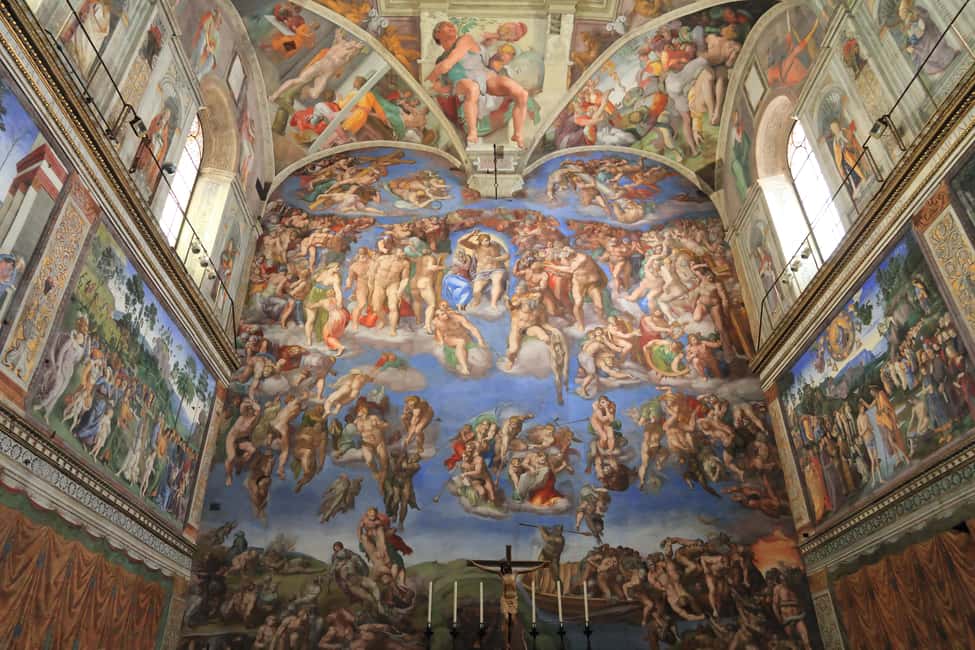
This experience is designed around seeing Michelangelo’s frescoes in the Sistine Chapel. However, there’s an important date to know: for the Conclave, the Sistine Chapel will be closed to the public starting Monday 28 April 2025, while other sections of the Vatican Museums remain open.
If your trip lands after that date, you should adjust expectations. You’ll still have access to the Vatican Museums sections that remain open, but you may not be able to experience the Sistine Chapel in the way this card markets it.
My practical advice: when you book, check your travel dates against that closure notice and decide how much the Sistine Chapel is worth to you. If it’s your must-see, build your plan around what’s actually accessible on your dates, not just what’s included on paper.
Vatican Museums: how to make the visit feel manageable
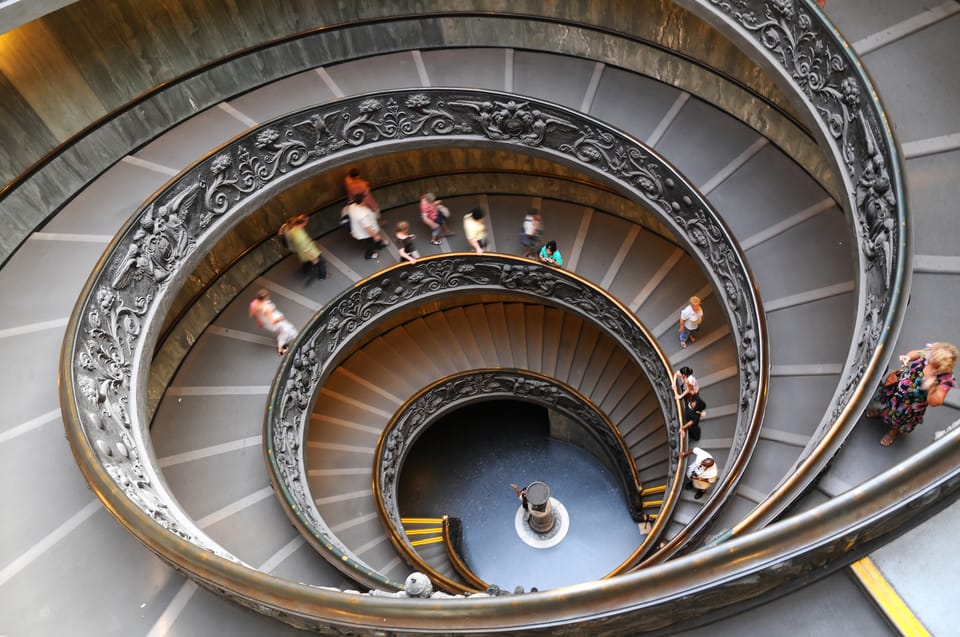
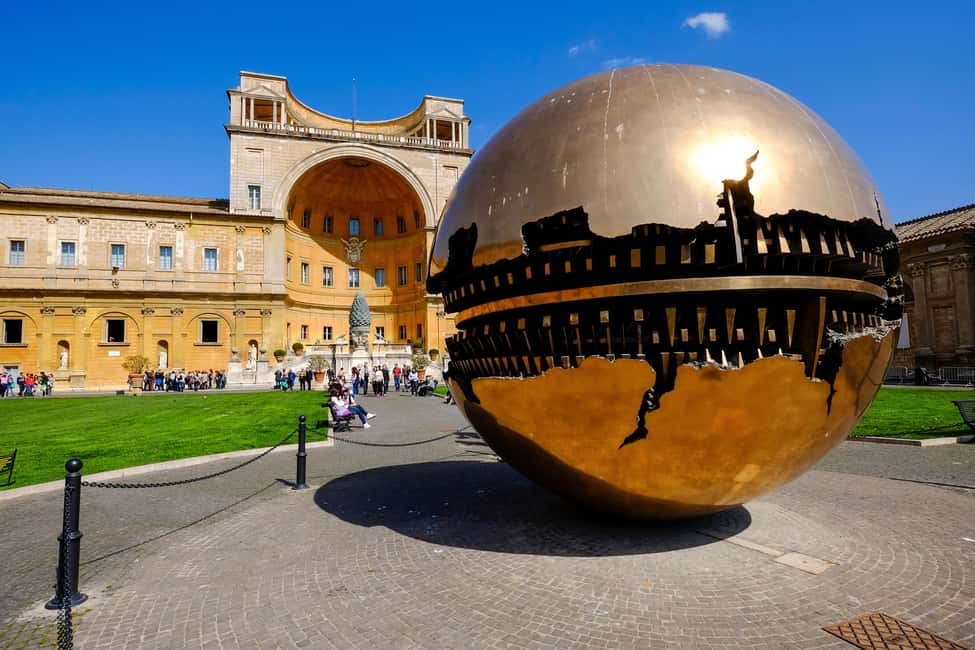
The Vatican Museums are huge, and even without a line, they can feel overwhelming. The good news is that the card is not a guided tour—so you won’t be “herded.” You’re more free to set your own pace, which matters when crowds make it hard to hear or focus.
Use this strategy for a better experience:
- Pick a short list of what matters most to you before you enter (for most people: key gallery highlights and then the Sistine Chapel area, if open).
- Build in a break mindset. You’re walking a lot in a dense space, and fatigue makes everything blur together.
- If you’re prone to museum overload, don’t try to do it all in one go. With a one-day card, focus beats completion.
One review theme that lines up with what you’ll likely feel: the museum is impressive but can be mentally heavy because there’s just so much. This card can help because it gives you the time advantage, but it can’t shrink the building. Your best tool is choosing what you’ll actually experience.
Carcer Tullianum: the short stop with a strong mood
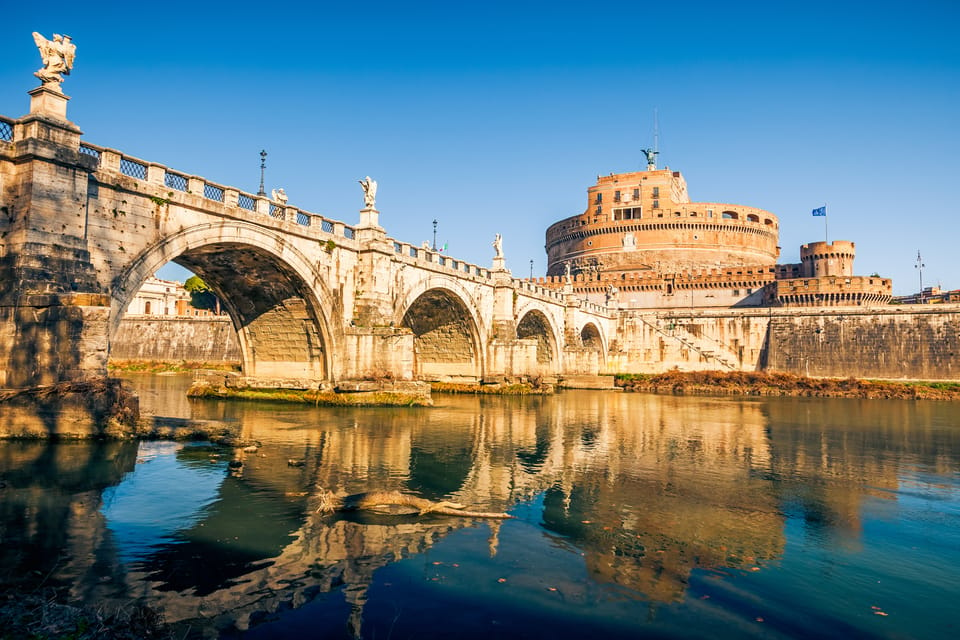
Not every Vatican-based ticket includes Carcer Tullianum. This card does, and that’s one reason it can feel more interesting than just “Vatican then bus.”
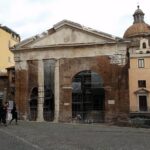
Carcer Tullianum is described here as an ancient site, and the experience includes entry plus audio guidance. That combination tends to work well for places like this: you get a bit of context without needing a guide standing next to you, and you can move at your own pace.
In a one-day plan, small stops like this are gold. They break up the big-ticket density of the Vatican Museums with something more compact and atmospheric—exactly the kind of change that keeps you from burning out.
Saint John in Laterano: archbasilica status and a calmer pace
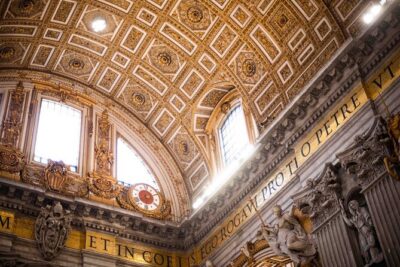
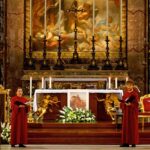
Another strong inclusion is entry to Basilica and Cloister of Saint John in Lateran with an audio guide. The card notes it has the unique title of archbasilica and is among the oldest in the world, which tells you this isn’t just another church visit—it’s a meaningful one.
Why I’d put time into this stop even if you already saw several churches in Rome:
- It pairs well with the rest of your day because it’s more “steady” than the museum maze.
- The cloister adds a quieter change of scenery.
- You get audio support, which helps you understand what you’re seeing without needing a formal tour.
This area also tends to work better if you’re thinking about the day as a sequence: Vatican in the morning, then Lateran and other experiences later when you’re less likely to be overwhelmed by scale.





24-hour hop-on hop-off bus: use it like a tool, not a distraction

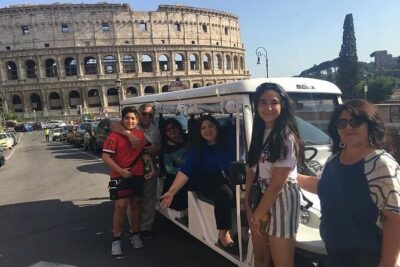
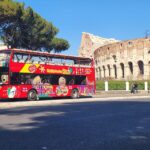
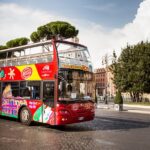
The card includes a 24-hour hop-on hop-off open-top sightseeing bus with a multilingual audio guide. In Rome, that kind of bus pass can be more than sightseeing. It’s navigation help and a pacing choice.
Here’s how to get value from it:
- Use the bus early to get your bearings fast. In many cities, a bus loop gives you mental “anchors” you can remember while walking.
- Plan to hop off where you want to walk next. Then hop back on if you need to cross town without spending hours in transit.
- Don’t assume you’ll always find an easy seat. One practical complaint shows up in the feedback: pick-ups can be irregular and can get crowded, so having flexibility helps.
If you want a low-stress day, this bus works best as your “spine.” The rest of your time goes to the stops that deserve your attention: Vatican highlights first, then audio-guided extras and walking routes afterward.
Phone app and walking itineraries: turning Rome into a self-guided plan
Beyond the bus, this card comes with a smartphone app and walking support through four itineraries:
- Center of Rome
- Heart of Rome
- The Jewish Quarter
- Trastevere
It also includes audio guidance tied to those walks, plus audio guidance for Carcer Tullianum and Saint John in Laterano and its cloister.
Why this is useful: Rome can feel like you’re walking through “maybe I’ll remember later.” These kinds of self-paced routes help you keep moving with purpose. You get a guided structure without being stuck to a group schedule.
I also like that it can help you spread the day. Instead of forcing every moment to be Vatican-focused, you can break the experience into chunks that feel more human—especially helpful if you’ve got kids or you’re simply tired of museum lighting by early afternoon.
Included extras that quietly make a difference
This card isn’t just entry tickets and a bus ride. It also includes:
- A free guidebook and map to help you plan your day
- A smartphone app with walking itineraries
- Audio guide coverage in multiple languages (English, Spanish, French, Italian, Polish, Portuguese, Russian)
That multi-language audio matters because you can keep things consistent across the day. You’re not switching systems mid-visit. And since the Vatican Museums are complex, having audio help can keep you from getting lost in the “this is beautiful but what am I looking at?” feeling.
Price and value: is $81 a smart buy for your one-day plan?
At $81 per person for a 1-day card, this can be a good deal if you value two things: saving time in the Vatican and getting built-in extras you’d otherwise have to plan or pay for.
Consider it good value if:
- You want skip-the-line Vatican Museums entry (time savings are real here).
- You’ll actually use the 24-hour bus to orient yourself and connect across neighborhoods.
- You plan to do more than just Vatican City—you’ll fit in at least one of the audio-guided extras (Carcer Tullianum and/or Lateran).
It might be less worth it if:
- You’re traveling slowly and your day is likely to stretch beyond what the card supports.
- You care mainly about a single site and wouldn’t use the bus or audio itineraries much.
- Your dates fall after the Sistine Chapel closure start date and Sistine is your top priority.
The sweet spot is a first-time Rome visit where you want maximum highlights without paying for a bundle of separate tickets and tours.
Logistics you should not wing on the day
A smooth visit here depends on a few very concrete steps—mostly about staying ready.
1) Your pass is digital
You don’t collect a physical card. You’ll keep your purchase confirmation handy, and you may need the email voucher.
2) Your Vatican entry time is booked in advance
During purchase, you book your timed entry. That means arriving late can be costly, even if you’ve skipped some lines.
3) Show the voucher at the Vatican Museums entrance
You’ll receive an official voucher via email within 24 hours before the booked time. Check your spam folder too. At the entrance, you show that official voucher.
4) Know where to go if you need help
There’s an OMNIA collection point at OMNIA COLLECTION POINT – SAINT PETER’S SQUARE, Piazza Pio XII, 9. Hours are Monday to Saturday 9:00 a.m. to 4:00 p.m., closed Sundays and holidays.
One practical note from real-world experience: when audio guides or office help feel unclear, it tends to waste precious minutes. Bring patience, but also build in a little buffer time so you don’t start your day frazzled.
Who this card suits best
This is a strong match for:
- First-timers who want Vatican highlights plus Rome orientation in a single day.
- People who dislike lines and want to protect morning time.
- Anyone who prefers self-guided visits with audio support rather than a live guide.
It’s also a solid choice if you like structured freedom: timed entry for the Vatican, then flexible movement with bus and app-based walks.
If you hate packed schedules and prefer unplanned wandering, you might feel pressure here. This card is designed for action, not for “we’ll see what happens.”
Should you book the Vatican City: 24-Hour City Card?
Yes, I’d book it if your trip fits a one-day rhythm and you care about skipping the hardest queue. The combination of skip-the-line Vatican entry, a 24-hour hop-on hop-off bus, and audio-guided extras like Carcer Tullianum and Saint John in Laterano makes it easy to turn time into experiences instead of waiting.
I’d hold off (or book with adjusted expectations) if the Sistine Chapel closure impacts your travel dates and Sistine is non-negotiable. Also, if you know you’ll struggle with museum overwhelm, plan a focused Vatican route so the day doesn’t turn into stress.
FAQ
Do I need a physical card for the Vatican City 24-Hour City Card?
No. The pass is completely digital, so you won’t collect a physical card. Keep your purchase confirmation handy, and use the official voucher you receive by email for your booked entry time.
How does the Vatican Museums entry timing work?
During purchase, you book your entry time to the Vatican Museums. At the entrance, you show the official voucher you receive via email within 24 hours before that booked time.
What’s included with the card?
Included are Vatican Museums and Sistine Chapel entry, a 24-hour hop-on hop-off bus tour, Carcer Tullianum entry, and entry to the Basilica and Cloister of Saint John in Lateran with an audio guide, plus a smartphone app.
Is public transportation included?
No. Public transportation is not included.
Is the Sistine Chapel always open with this card?
No. For the Conclave, the Sistine Chapel will be closed to the public starting Monday 28 April 2025. Other sections of the Vatican Museums will remain open.
What languages are the audio guides available in?
The audio guide is included in English, Spanish, French, Italian, Polish, Portuguese, and Russian.