REVIEW · VATICAN CITY
Rome: Vatican Pass plus Top Attractions and Transport
Book on Viator →Operated by Go City | Rome · Bookable on Viator
A Rome voucher that works like a mini itinerary. It strings together fast-track Vatican access, top museums, and city transport so you can sightsee on your own pace. You get a 72-hour window to jump between Vatican highlights and Rome classics without buying individual tickets all week.
The two best parts for me are how the pass handles the biggest bottlenecks and how it helps you move through the city. First, the Omnia Vatican Card includes fast-track entry so you spend less time in the general admission line for St. Peter’s Basilica and the Vatican Museums. Second, the Roma Pass + transport setup is practical: you also get a 3-day hop-on hop-off bus plus unlimited public transport with a travelcard, and a free guidebook and map.
The main thing to watch is timing. You still have to follow the reservation rules for several headline sights, and if you hit a snag at redemption or booking, you can lose time and end up waiting anyway (or paying separately for what sells out).
In This Review
- Key things to know before you go
- Omnia + Roma Pass: how the 72 hours shape your plan
- Fast-Track Vatican Museums and the Sistine Chapel queue reality
- St. Peter’s Basilica and Vatican City: fast access plus dress code common sense
- San Giovanni in Laterano: the big church stop with lower pressure
- Choosing your two included Rome sights the smart way
- Roman Forum and Palatine Hill: ruins you can actually read
- Borghese Gallery: worth it, but it lives and dies by reservations
- Castel Sant’Angelo plus Carcer Tullianum: Roman power in two very different modes
- Capitoline Museums: Michelangelo’s piazza and artifacts with context
- The big museum menu: discounted entry to more than 30 options
- Getting around Rome: travelcard + hop-on hop-off bus pros and limits
- Price and value: when $179.24 makes sense
- Who this pass suits best (and who should consider DIY)
- Final call: should you book this Rome Vatican Pass?
- FAQ
- How long are the Omnia Vatican Card and Roma Pass valid?
- What’s included besides attraction admission?
- Can I use fast-track entry for the Vatican?
- Which attractions require reservations?
- How many Rome attractions are free with the Roma Pass?
- Does the pass include audio for the Vatican?
- Is the hop-on hop-off bus included, and for how long?
- Are there age rules for the travel card and Roma Pass?
Key things to know before you go
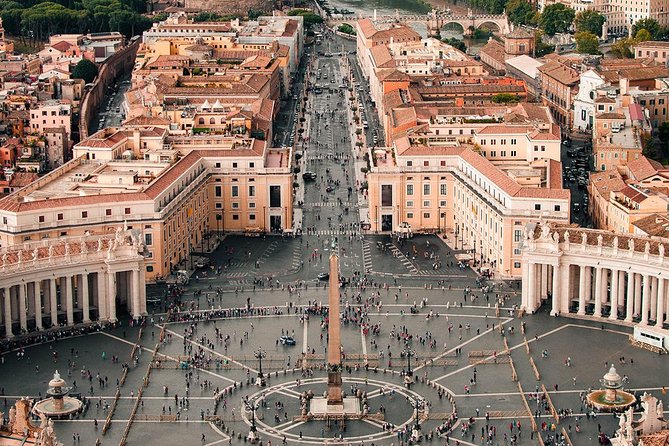
- Fast-track Vatican entry can reduce the worst general-admission lines for the Vatican Museums and St. Peter’s Basilica.
- Two free admissions with your Roma Pass choice, plus discounts to more than 30 other museums and attractions across Rome.
- 72 hours from first use means you should plan your first redemption moment carefully.
- Reservations matter for multiple top sights (Sistine Chapel, Vatican Museums, Colosseum/Forum-area, Borghese, St Peter’s, and more).
- Transport is included, but the hop-on hop-off experience can be slow or confusing if stops and schedules don’t line up with your plans.
- Small group size (max 15) suggests these are not meant as a full guided bus-tour day for everyone.
Omnia + Roma Pass: how the 72 hours shape your plan
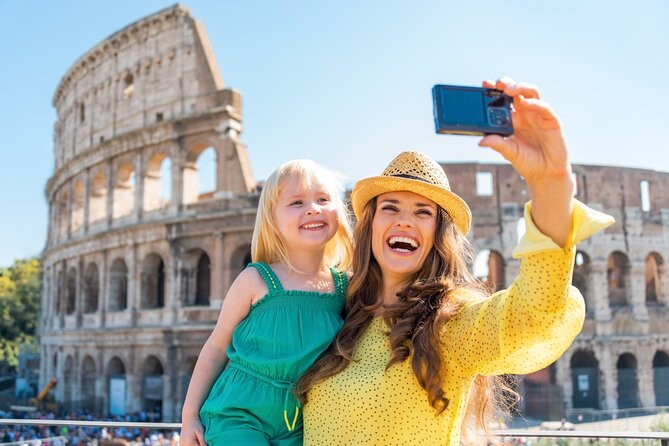
This is really two passes merged into one: an Omnia Vatican Card for Vatican City highlights and a Roma Pass for Rome attractions. Once you use the cards for the first time, both are valid for 72 hours, so you’re working in a short, focused window rather than a flexible week.
That time limit is a deal-maker or deal-breaker depending on your style. If you like structure—morning Vatican, afternoon ruins, museum hopping on your third day—you’ll get your money’s worth fast. If you prefer wandering without a plan, you’ll still be able to visit many sights, but the “two free admissions” part will be harder to optimize.
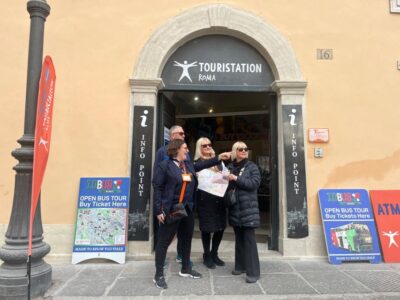
You’ll pick up and redeem your voucher(s) at redemption centers, with a useful guidebook and map included. From there, the pass becomes your ticket wallet: you’re using it to get into included sights, to access discounted admission for many more options, and to ride the included transport.
You can also read our reviews of more tours and experiences in Vatican City.

Fast-Track Vatican Museums and the Sistine Chapel queue reality

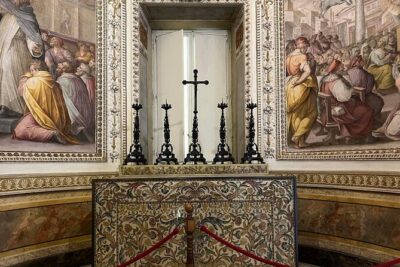
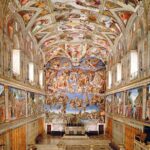
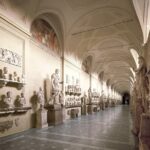
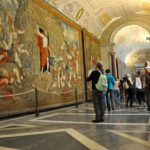
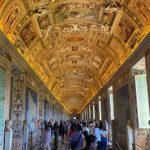
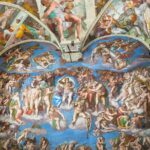
The Vatican Museums plus the Sistine Chapel are the big reason people buy passes like this, because the lines can be brutal. With the Omnia Vatican Card, you get fast-track entry so you aren’t stuck in the usual general admission queue for the Vatican Museums. And yes, you’re looking at the Sistine Chapel as a dedicated stop point, with the Vatican Museums timed as a longer visit.
What this means in practice: you still need to manage your own arrival timing, and you still have to respect the reservation rules. The data here explicitly notes that the Sistine Chapel and Vatican Museums require reservations, so even with fast-track, your time window isn’t something to ignore.
A nice extra: Omnia pass holders can redeem a free audio-guide worth €10. You show your pass at the entrance to redeem it, which is helpful if you want context without committing to a paid guide.
Important caution based on real-world friction: the pass experience can be tech- and redemption-sensitive. Some visitors reported confusion around voucher-to-pass steps and difficulty getting the right code or documentation to work at entry. I’d treat your redemption day like a critical step—double-check what you receive, and keep screenshots or documents handy.
St. Peter’s Basilica and Vatican City: fast access plus dress code common sense
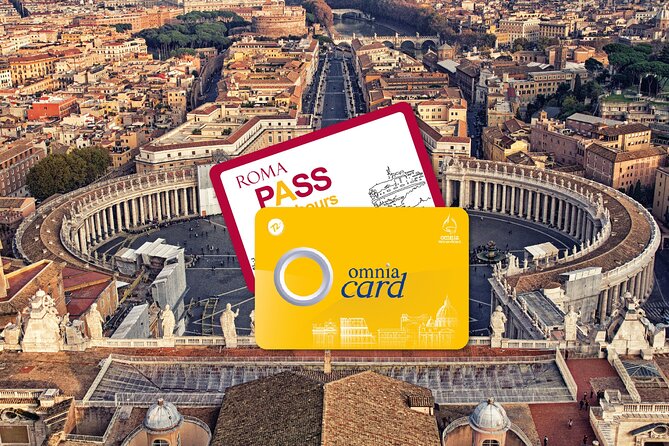
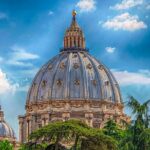
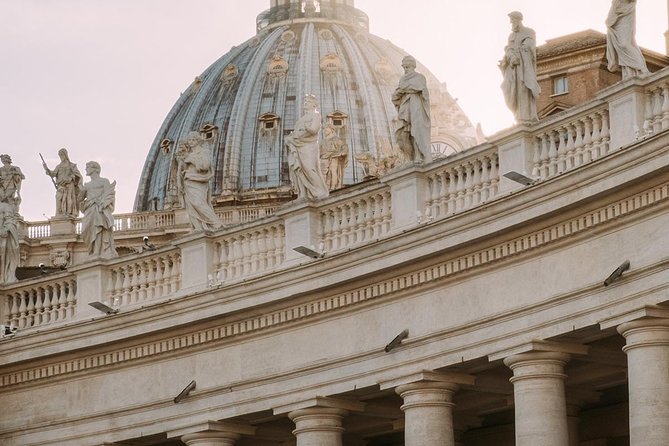
St. Peter’s Basilica is included in the Omnia Vatican access set, and the pass is positioned as fast-track for St. Peter’s Basilica too. It’s one of those places where even a “skip the line” promise can still mean waiting a bit, because security and crowd flow matter.
Two practical tips help a lot. First, plan your visit early in the day, because Vatican crowds can build quickly. Second, be ready for a strict dress code—at least one visitor had to buy trousers on-site, which is the kind of last-minute expense nobody wants after you’ve already paid for a pass.
If you’re trying to prioritize impact, I’d think of St. Peter’s as your “wow” stop and the Vatican Museums as your “depth” stop. The pass groups them as key pillars, but you’ll enjoy it more if you don’t try to cram everything into one frantic afternoon.
San Giovanni in Laterano: the big church stop with lower pressure
Basilica di San Giovanni in Laterano (St. John Lateran) gets less hype than the Vatican, which is exactly why it can feel refreshing. It’s described as the official ecclesiastical seat of the Pope and a major basilica with roots going back to 324 AD.
The adjacent cloister is also a big part of why you’d choose this stop. It’s described as an oasis for meditative prayer, and both the cloister and basilica are popular for their architecture and religious symbolism.
This is a good “breather” visit inside your 72-hour sprint. After the Vatican crowds, Lateran can feel calmer, and you still get a major Rome landmark without forcing your schedule around the most notorious queues.
Choosing your two included Rome sights the smart way
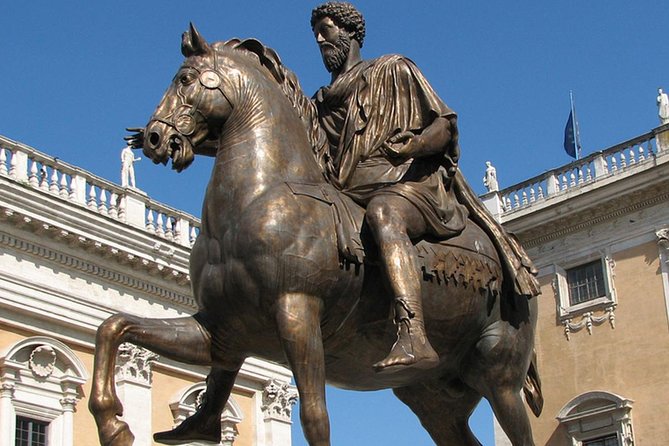
Your Roma Pass gives general admission to two attractions of your choice. The list of top options includes things like the Colosseum, the Roman Forum and Palatine Hill, the Capitoline Museums, Castel Sant’Angelo, and the Museum of Rome.
Then the remaining included selections are discounted. This is where you can tailor the pass to your interests—ruins vs. art vs. museums vs. big fortresses.
A practical strategy: pick one “headline” choice that you can actually reserve, and pick a second choice that fits your timing. If you’re aiming for something very schedule-dependent (like Borghese), you’ll want to build your plan around reservations being available when you need them.
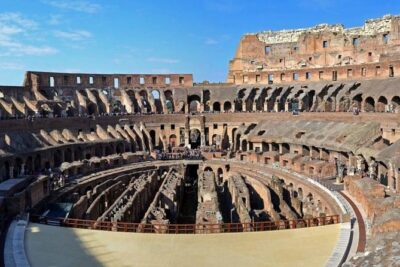
Also note: the guidance here says the Colosseum, Roman Forum and Palatine require a reservation. A few reviews describe disappointment when Colosseum booking didn’t work out in time, so I’d plan for the possibility that your first choice might be fully booked and have a backup slot in mind.



Roman Forum and Palatine Hill: ruins you can actually read
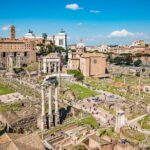
The Roman Forum and Palatine Hill work especially well with a pass because they connect you to the idea of ancient Rome as a living place—not a museum display. The description frames the Forum as ruins and historic buildings that once acted as a bustling marketplace, full of old streets and iconic pillars.
If you pick this as one of your two free Roma Pass admissions, you’ll spend your time moving through spaces that feel like you’re walking inside a time machine. It also pairs well with the Colosseum nearby, even though the pass setup treats these as separate booking/reservation items.
This is a stop where short, focused planning pays off. Go when you can—arriving earlier helps you avoid the heaviest crowd crush. And bring water, because you’ll feel the sun once you’re outside.
Borghese Gallery: worth it, but it lives and dies by reservations
Galleria Borghese is one of the most in-demand art visits in Rome, and the pass confirms it: pre-reservation for Galleria Borghese is mandatory. It’s also recommended to book at least 10 days in advance, and it notes that you can place a reservation even if you don’t yet have the Roma Pass card, as long as you use the Roma Pass holder’s name.
That tells you the core truth about Borghese with any ticket plan: you’re not just buying admission. You’re buying a timed entry slot. If you fail the slot part, you don’t get a “substitute experience”—you miss it.
I like this inclusion because it gives you a legitimate path to one of Rome’s most high-impact museum visits. But I’d only choose Borghese if you’re willing to do the reservation work quickly.
Castel Sant’Angelo plus Carcer Tullianum: Roman power in two very different modes
Castel Sant’Angelo is framed as an ancient fortress and mausoleum on the Tiber, with Hadrian’s ashes referenced in the description. For many people, it’s easier to appreciate than the Roman Forum because it’s more contained—you can make sense of what you’re seeing without constantly recalibrating your bearings.
Carcer Tullianum (included as a stop) is a different kind of Rome. It’s described as a crucial Roman-period monument, which gives you a strong theme contrast: power, punishment, and the mechanics of empire.
One important scheduling note: reservations are listed as required for Carcer Tullianum and Castel Sant’Angelo as well. If your reservation timing falls apart, these stops can become frustrating targets instead of satisfying ones.
Capitoline Museums: Michelangelo’s piazza and artifacts with context
Capitoline Museums are one of the best ways to experience Rome’s art-and-archaeology blend without losing the thread. The description calls out a set of museums across three historic buildings and a piazza designed by Michelangelo.
It also highlights key pieces like the Capitoline She-wolf, the Hall of Tapestries, and a Chapel. This is an excellent choice if you want Rome’s story to feel curated even when you’re exploring independently.
If you’ve already hit the Vatican and ruins, Capitoline can add art and objects that connect the ancient world to later Rome. It’s also a good “second museum day” choice if you’re tired of walking in the sun.
The big museum menu: discounted entry to more than 30 options
Beyond the two included Roma Pass admissions, the Omnia Vatican and Rome Pass setup includes discounted entry to dozens of additional sights. The list here is long, so I’ll focus on how to choose rather than listing every room.
You can pivot to Roman civilization museums, Etruscan artifacts, baroque interiors, and even day-trip style history. Examples in the included set include Museo della Civilta Romana, Museo Nazionale Etrusco di Villa Giulia, Museo di Roma (Palazzo Braschi), and Museo Nazionale del Palazzo di Venezia.
If you like modern angles, there’s also Galleria Nazionale d’Arte Moderna e Contemporanea and other themed museums listed. For a more outdoor historic punch, Parco Archeologico di Ostia Antica and Via Appia Antica (Appian Way) are included as discounted options.
Here’s the key: discounted entry is only useful if the museum fits your day. I’d pick one “bonus” museum stop per day max. Otherwise you’ll end up museum-tired and start skimming instead of enjoying.
Getting around Rome: travelcard + hop-on hop-off bus pros and limits
Transport is one of the most practical parts of this bundle. You get a travel card for unlimited travel on public transport (buses and metro trains in Rome) plus a hop-on hop-off sightseeing tour that’s included for 3 days.
This is where you win time. Rome’s sites are spread out, and walking everywhere works until heat, fatigue, and time windows hit. The pass gives you a way to connect major zones without constantly buying separate tickets.
Now the realism check: hop-on hop-off buses can be slower than you expect, and schedules aren’t always the promise you’d imagine. Some visitors reported long waits and difficulty with stop placement. I’d treat the bus as helpful for orientation and convenience, not as a perfectly timed shuttle.
My recommendation: use the bus to get your bearings fast, then rely on the metro/buses from the included travel card when you need precision. Also, don’t gamble on a bus if you have a strict reservation time—plan a buffer and have a backup route.
Price and value: when $179.24 makes sense
At $179.24 per person for a roughly 3-day window, this pass is priced for people who will commit to at least a few heavy hitters. If your plan includes Vatican Museums (and ideally St. Peter’s Basilica) plus two major Rome attractions, the value can add up quickly because you’re bundling admission with transport.
The pass also tries to reduce risk via fast-track and transport inclusions. In the better outcomes, it saves hours in the Vatican queue and makes hopping between areas easier without constant ticket purchases.
But the value depends on two things you control. First, you have to use the 72-hour window effectively. Second, you have to manage reservations. When reservations don’t line up or your redemption doesn’t go smoothly, you can lose time and spend more money on individual tickets.
I’d see this as a good buy if you plan like a strategist and flexible if you build backups. If you want a totally effortless experience where every line is skipped with no effort, you may find it frustrating.
Who this pass suits best (and who should consider DIY)
This is best for you if:
- You want Vatican Museums + Sistine Chapel during a short stay.
- You’re comfortable doing a bit of planning for timed entries.
- You’ll use the included transport instead of relying only on taxis or walking.
- You like having a pre-built ticket structure so you’re not pricing each museum day by day.
You might rethink this pass if:
- You hate reservation homework.
- Your schedule is too loose for timed entries and sold-out slots.
- You’re expecting a guaranteed true skip-the-line at every point, regardless of crowd flow and entry rules.
If you’re confident you’ll book everything directly and you’re staying longer than a weekend, DIY can be simpler. But if you’re short on time and want a coherent framework, this bundle is designed for that.
Final call: should you book this Rome Vatican Pass?
I’d book it if you can handle timed reservations and you want a compact, no-drama route through Rome’s biggest names. The fast-track Vatican access and the included transport card are real advantages, and the ability to choose two major Rome sights helps you avoid random ticket math.
I’d pause before booking if you know your dates are tight or you’re unlikely to reserve Borghese/Colosseum-type entries quickly. In that case, you might end up spending extra anyway, and the pass stops feeling like a bargain.
If you do book, plan your first redemption day carefully, save your documents, and build a backup museum choice for each must-see area. Rome rewards momentum—and this pass is at its best when you use it like a system, not like a magic wand.
FAQ
How long are the Omnia Vatican Card and Roma Pass valid?
They’re valid for 72 hours starting from your first use.
What’s included besides attraction admission?
You get a free Rome travelcard for unlimited public transport, a 3-day hop-on hop-off bus ticket, and a complimentary guidebook with map.
Can I use fast-track entry for the Vatican?
Yes. The Omnia Vatican Card includes fast-track entry for St. Peter’s Basilica and the Vatican Museums so you don’t wait in the general admission queue.
Which attractions require reservations?
Reservations are required for Sistine Chapel and Vatican Museums, Colosseum, St Peter’s Basilica, Carcer Tullianum, Borghese Gallery, and Castel Sant’Angelo.
How many Rome attractions are free with the Roma Pass?
You get general admission to two attractions of your choice under the Roma Pass.
Does the pass include audio for the Vatican?
Omnia Pass holders can redeem a free audio-guide worth €10 at the entrance.
Is the hop-on hop-off bus included, and for how long?
Yes. A 3-day hop-on hop-off bus ticket is included, with stops around major sights.
Are there age rules for the travel card and Roma Pass?
Child passes (6–17 yrs) do not include the Roma Pass nor a travelcard. Travel is free for under 10s, and many museums in Rome are free for under 18s.