REVIEW · VATICAN CITY
Rome: Sistine Chapel & Vatican Tour with Pre-Opening Access
Book on GetYourGuide →Operated by Italy With Family · Bookable on GetYourGuide
You can beat Vatican crowds with early access. This private Sistine Chapel & Vatican Museums tour starts before the public rush, so the art lands more clearly and you spend less time staring at signs and ticket lines.
I like the smart stop sequence: you’ll hit major galleries like the Candelabra Gallery and the Gallery of Maps before the day fully begins. I also like that a local English guide walks you through what you’re seeing, including the story behind Michelangelo and how to look at the ceiling like it matters. One consideration: if parts of the museum (including the Sistine Chapel) are temporarily inaccessible, the tour can shift to other sections, so you’re not guaranteed every exact room.
In This Review
- Key highlights worth marking
- Why Pre-Opening Vatican Access Changes Everything
- Meeting at Bar Leonina (and the Airport-Style Security You’ll Need)
- Candelabra Gallery to Gallery of Maps: Where the Roman Empire Shows Up
- Raphael’s School of Athens: How to Look Beyond the Famous Name
- The Gallery of Tapestries and Why They Matter
- Sistine Chapel: Timing, Rules, and What the Guide Adds
- St. Peter’s Basilica Stop: The Religious Side of the Same Complex
- How the 3-Hour Private Format Feels in Real Life
- Price and Value: Is $758.84 Worth It?
- Who This Tour Suits Best (and Who Should Choose Another Plan)
- Book This Tour or Skip It?
- FAQ
- Where is the meeting point?
- What time does the tour start?
- Is this tour private?
- What’s included in the price?
- What should I wear or bring?
- Will I go through security?
- What if the Sistine Chapel or other areas are closed temporarily?
- What’s the overall duration and pace?
Key highlights worth marking
- Pre-opening start for more breathing room in the Vatican Museums
- Galleries first: Candelabra Gallery, Gallery of Maps, and Gallery of the Tapestries
- Raphael’s School of Athens as a standout art moment
- Sistine Chapel guidance so you understand what you’re looking at (not just what it is)
- Skip the ticket line plus headsets for clear guide audio
- St. Peter’s Basilica included in the same 3-hour experience
Why Pre-Opening Vatican Access Changes Everything
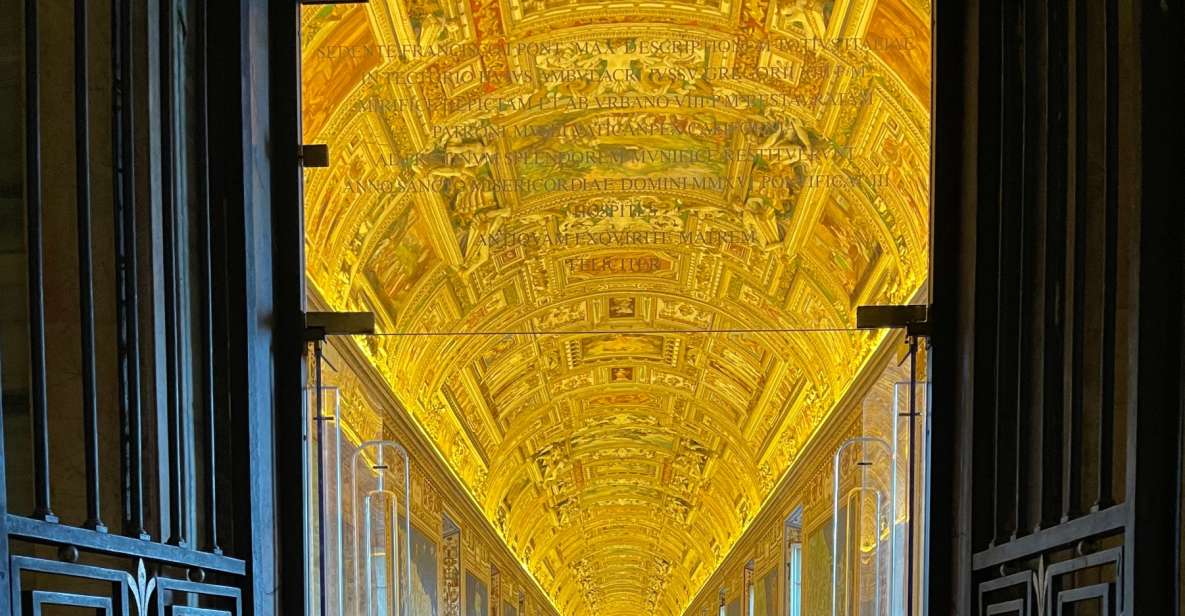
The Vatican Museums are popular for a reason, but that popularity comes with a cost: long lines and art-viewing in “crowd mode.” This tour’s early morning access is the practical antidote. You get to see famous rooms with very few people around you, which makes a huge difference for both photos and attention.
I also like that the tour plan is built for momentum. You’re not wandering from one end of the Vatican to the other while thinking, Where do I go next? Your guide keeps you moving through the collections so you see more of the most important areas in a tight window.
There’s a trade-off, though. The Vatican is a working site, and plans can change if certain areas are temporarily inaccessible. Even so, the tour is designed to keep you in meaningful sections rather than leaving you stuck.
You can also read our reviews of more tours and experiences in Vatican City.

Meeting at Bar Leonina (and the Airport-Style Security You’ll Need)
You’ll meet in front of Bar Leonina in Piazza della Città Leonina, just outside St. Peter’s Square. That location is convenient if you’re already orienting yourself around St. Peter’s, but it also means you’re responsible for getting there on your own—no hotel pickup.
Plan for airport-style security. That matters because it can add time and tighten your schedule sense, especially at the start of the day. Bring your passport or ID card (a copy is accepted), and wear clothes that meet the rules—no shorts, no sleeveless shirts. It’s not about style. It’s about getting through without friction.
Once you’re in, the value of the early start becomes obvious. You’re not scrambling to beat the crowds. You’re stepping into the museums before most people even wake up to the plan.
Candelabra Gallery to Gallery of Maps: Where the Roman Empire Shows Up
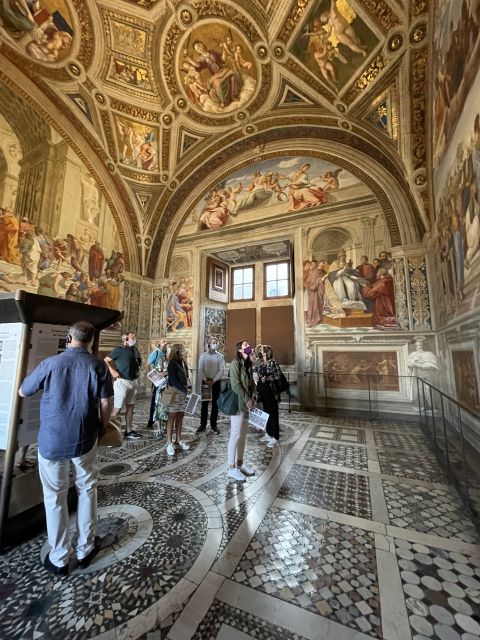
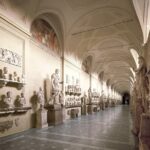
The first big wins are the galleries that teach you how the Vatican Museums connect to the ancient world. The Candelabra Gallery is one of those places where you can see Roman-era fragments and relics in a way that feels less like storage and more like a curated message.
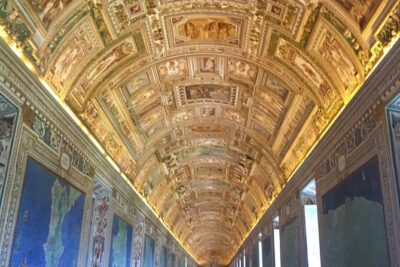
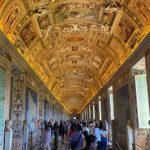
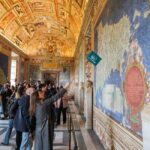
Then you move to the Gallery of Maps. This is one of those rooms that people either breeze through or enjoy, depending on how they look. A good guide helps you notice what matters—how these maps were made by Roman topographers centuries ago, and what that tells you about how people understood geography at the time.
What I like about tackling these areas early is that they reset your expectations. You stop thinking of the Vatican as a single “Sistine Chapel thing” and start seeing it as a giant museum complex with different themes and time periods.
A small drawback: the Vatican is a lot of walking. This tour is only 3 hours, so you’ll move at a brisk but guided pace, not a slow museum-day stroll. If you like to linger in every room, you might want to plan extra time elsewhere after the tour.
Raphael’s School of Athens: How to Look Beyond the Famous Name
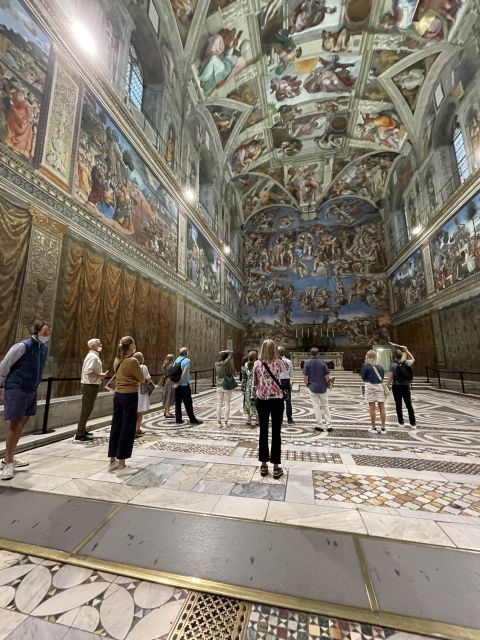
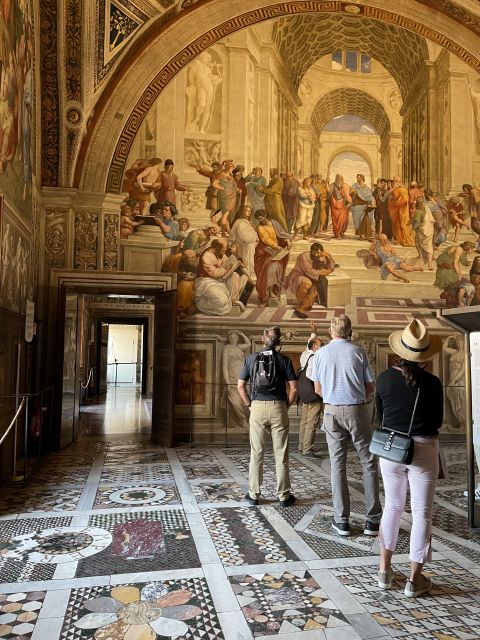
One of the headline moments is Raphael’s The School of Athens. It’s famous, yes, but it can still feel flat if you only know the title. With a local guide, you get help connecting the painting to the world of ideas it references—who’s represented, why the composition works, and why this kind of art was made to communicate philosophy.
This is also where the tour format shines. The Vatican Museums are huge. Trying to “self-navigate” Raphael and Michelangelo often turns into a checklist. Here, you get the story so you’re not just ticking boxes.
If you’re an art lover, this is one of the best places to spend a few focused minutes. Even if you’re not, the School of Athens is one of those works that helps you understand why Renaissance art became such a language of power and intellect.
The Gallery of Tapestries and Why They Matter
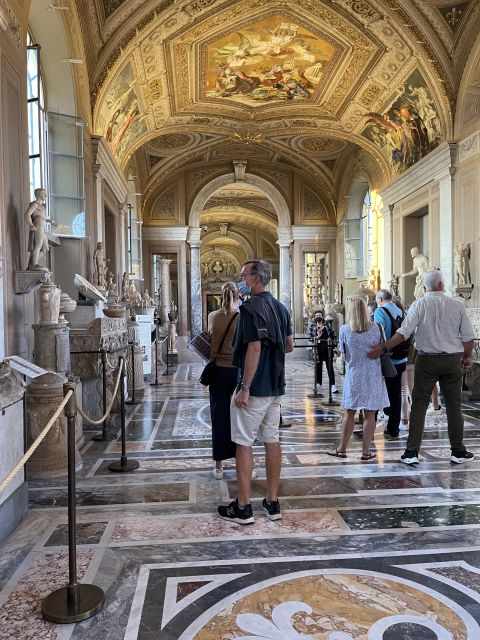
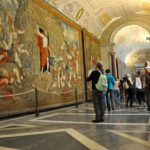
The Gallery of the Tapestries is another highlight, including Raphael’s tapestries. Tapestries don’t always get the same attention as painted ceilings and frescoed walls, but they change how you picture art. They show you how images could live in everyday court life—warm, textured, and meant to be seen at close range.
A practical advantage: galleries like this are often easier to enjoy when the crowds are lighter. If you want to take in details without someone shoulder-checking you into the next room, early access helps a lot.
Your guide’s role here is to translate what you’re seeing. You don’t want a ten-minute lecture about woven art. You want just enough context so your eyes know where to go—what to notice first, and what to compare across the works you pass.

Sistine Chapel: Timing, Rules, and What the Guide Adds
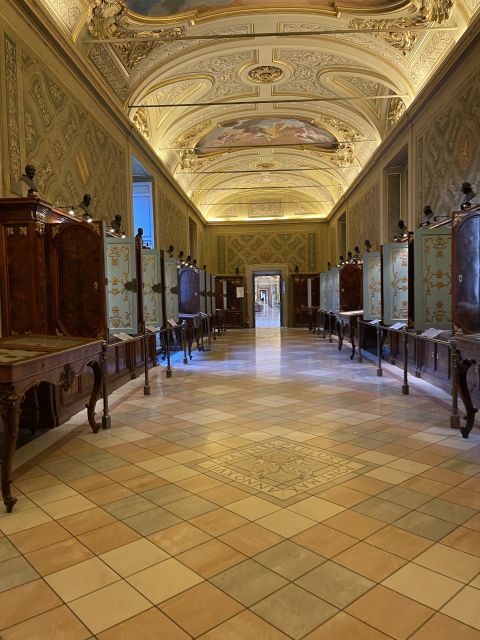
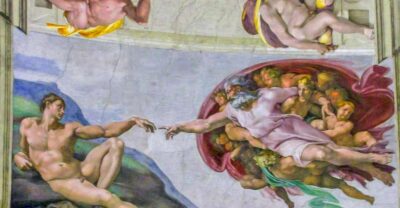
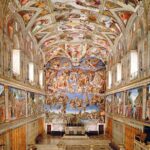
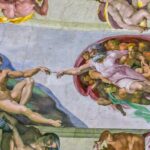
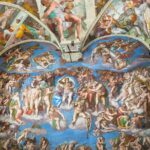
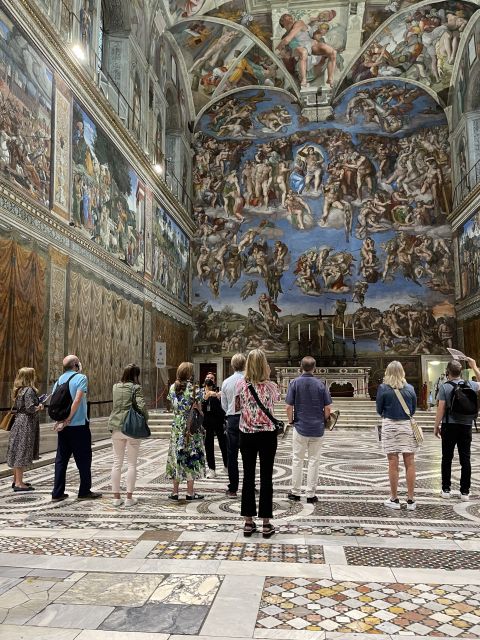
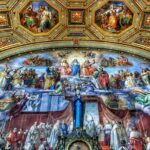
The core reason most people book is the Sistine Chapel. You’ll see Michelangelo’s masterpiece, and you’ll also get help understanding the work instead of staring up and thinking, Okay, I get it’s huge.
Here’s the realistic part: the tour includes Sistine Chapel access, but the Vatican can restrict access to certain areas during temporary circumstances. The tour may shift you into other remarkable museum sections if that happens. You’ll still have a guided, museum-based experience—you just won’t have the same “guaranteed room-by-room” certainty.
Also, the Sistine Chapel has strict visitor rules, and this tour is no exception. Since all visitors must pass security and the dress code is enforced (no shorts, no sleeveless shirts), you’ll want to arrive ready and move quickly through the steps.
What makes this stop worth your money is the storytelling. Your guide helps you read the ceiling like a narrative—why scenes sit where they do and what the bigger picture is trying to say. That turns the Sistine Chapel from a spectacular photo stop into something you’ll remember.
There’s one more timing consideration from how people experience this tour: some people go in expecting an especially quiet Sistine moment tied to early access, and that may not always match reality. The overall value of early entry still holds for the museums, but the exact feel inside the Chapel can be affected by conditions on the day.
St. Peter’s Basilica Stop: The Religious Side of the Same Complex
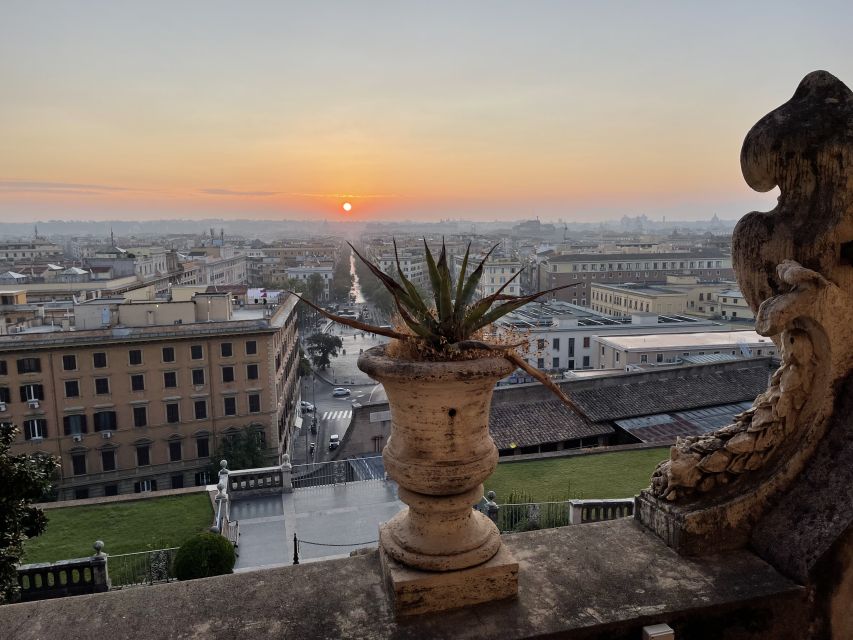
After the museum galleries, you’ll also visit St. Peter’s Basilica. The key value here is not just the landmark itself, but the way it ties the Vatican complex together: art, architecture, and religious meaning in one location.
Your guide will help you focus your attention without turning it into a rushed “look at the big stuff and go” stop. This portion of the tour tends to work best when you’re in the right mindset: you’re not trying to fully tour the entire Basilica like a standalone day. You’re using the 3-hour structure to get a guided introduction that makes later exploring easier.
If you want maximum time inside the Basilica after the tour, consider building in extra hours. A first visit often sparks follow-up questions, especially if you now understand more of the Vatican’s artistic language from the museum stops.
How the 3-Hour Private Format Feels in Real Life
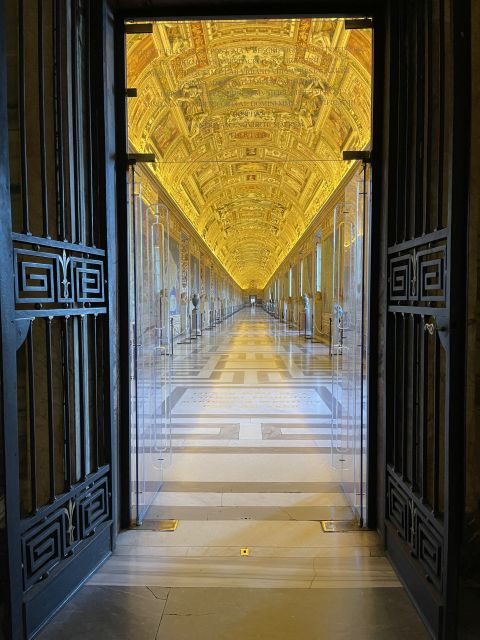
This tour is 3 hours total with a private group and live English guide, plus headsets so you can hear clearly even when walking through louder corridors. Headsets might sound like a small detail, but they matter in the Vatican. With lots of people and echo-y spaces, it’s easy to miss key context if you’re relying on shouting across a crowd.
Because it’s private, you also get a more controllable pace. You’re not stuck behind a big mixed group that moves like a single organism. Your guide can keep you moving while still adjusting how long you pause in the rooms that interest you most.
The drawback is simple: 3 hours is still 3 hours. You’ll see major highlights—Candelabra Gallery, Gallery of Maps, Gallery of Tapestries, Raphael, the Sistine Chapel, and St. Peter’s Basilica—but it’s not everything. If your dream is to do a deep museum marathon, you’d pair this with additional time on your own later.
Price and Value: Is $758.84 Worth It?
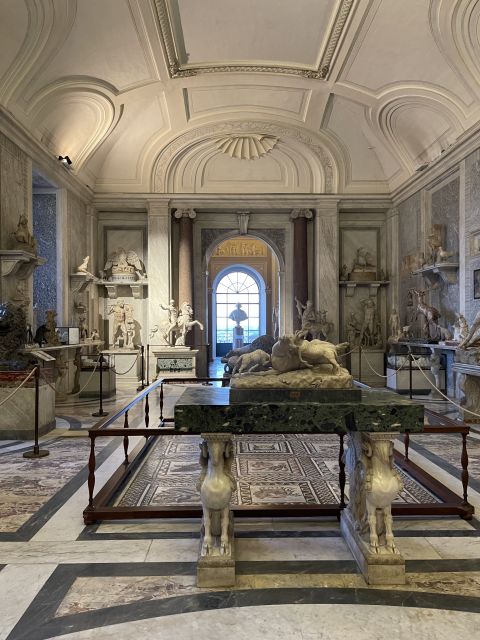
At $758.84 per person for a 3-hour private Vatican tour, the price is not cheap. The question is whether you’re paying for something you can’t easily replicate on your own.
Here’s what you’re buying, in practical terms:
- Skip the ticket line and start early, which saves time in a place where time is everything.
- A local guide who explains what you’re seeing, including stories tied to the Sistine Chapel.
- Headsets, which improve the experience throughout the museums.
- Tickets included, so you’re not juggling separate steps.
For many travelers, the biggest hidden cost is planning fatigue. If you try to do this alone, you’ll likely spend time making decisions, finding the right entrance flow, and losing context along the way. This tour compresses the best parts into a guided package, so you spend your time looking instead of navigating.
Who should feel good about the price? If you value guidance, early entry, and a tight route through the most important rooms, it can feel like good value. If you’re the type who wants to browse slowly and build your own museum day with no structure, you might get better value by booking tickets and going self-paced.
Who This Tour Suits Best (and Who Should Choose Another Plan)
This is a strong match for:
- First-time Vatican visitors who want the highlights with less crowd pressure
- Art-and-ideas travelers who want context for Raphael and Michelangelo
- People who prefer a guide-driven route in a complex museum layout
- Anyone who wants to keep the trip efficient (3 hours is a clean block in a Rome day)
It may not be ideal if:
- You want a long, wandering pace with lots of unplanned detours
- You’re extremely sensitive to dress-code rules and don’t want to plan clothing around them
- You need a flexible timeline due to other commitments. The Vatican environment is scheduled, and you’re expected to arrive at the meeting point and go through security.
If you’re visiting in a group and can split cost via private booking structure, it may feel even more attractive. If you’re solo and want a budget option, you might compare against larger group tours.
Book This Tour or Skip It?
I’d book this tour if your top priorities are early access, a guided path through the Vatican Museums, and a Sistine Chapel visit where you understand what you’re looking at. The combination of major galleries (Candelabra Gallery, Gallery of Maps, Gallery of the Tapestries), Raphael’s School of Athens, and a guided Sistine Chapel narrative is exactly the kind of “high-impact” plan that justifies a higher price.
I’d hesitate if you’re booking purely for the Sistine Chapel and can’t emotionally handle the chance of temporary access changes. In that case, it’s smarter to pair this with extra time later so you can try again in a different way, or to choose a more flexible option.
FAQ
Where is the meeting point?
Meet in front of Bar Leonina in Piazza della Città Leonina, just outside St. Peter’s Square.
What time does the tour start?
The duration is 3 hours, and starting times vary. Check availability to see the options.
Is this tour private?
Yes. It’s listed as a private group with an English live tour guide.
What’s included in the price?
The tour includes the guide, tickets, headsets, and a Sistine Chapel map.
What should I wear or bring?
Bring your passport or ID card (a copy is accepted). Dress code is no shorts and no sleeveless shirts.
Will I go through security?
Yes. All visitors must pass through airport-style security.
What if the Sistine Chapel or other areas are closed temporarily?
Certain areas, including the Sistine Chapel, may become temporarily inaccessible. The tour can proceed with access to other significant sections, and refunds can’t be guaranteed.
What’s the overall duration and pace?
It’s 3 hours, designed to cover major highlights efficiently with early access and guided stops.