REVIEW · VATICAN CITY
Private Shore Excursion from Civitavecchia Rome Port to Rome City
Book on Viator →Operated by AcrossRome · Bookable on Viator
Ten Roman icons in one day. This private shore excursion from Civitavecchia turns your cruise stop into a classic “greatest hits” route across central Rome and the Vatican area.
I love the port pickup and drop-off, because it cuts the stress of timing and getting to the right tram/bus at the wrong moment. I also love the flexible feel of a private car: you’re not stuck with a fixed group pace while you’re trying to hit the best photo angles and still breathe.
One possible drawback: a few of the big-ticket stops are admission-ticket not included (like the Colosseum, Palatine Hill, Pantheon, and St. Peter’s Basilica), so you’ll want to plan for extra costs and any entry logistics. Also, some stops are more “see from close by” than “go inside,” depending on how the day runs.
In This Review
- Key highlights that matter
- Why a private driver from Civitavecchia changes everything
- The overall route: from the Colosseum to St. Peter’s
- Colosseum: the outside wow factor (and entry planning)
- Circus Maximus and Teatro di Marcello: Roman sights you often skip
- Palatine Hill: where Rome’s legend starts
- Pantheon: a quick stop with big architecture energy
- Trevi Fountain: coin toss, crowd math, and timing
- Vittoriano, the Aurelian Walls, and the Rome-in-motion feel
- Piazza Navona and the Spanish Steps: Baroque atmosphere on foot
- St. Peter’s Basilica: the big finale with practical timing
- What you’re really paying for: value vs. ticket costs
- Who this tour suits best
- Should you book this private shore excursion?
- FAQ
- How long is the private shore excursion?
- Where does the tour start?
- Is this tour private?
- Is the driver English-speaking?
- Is port pickup and drop-off included?
- Are admissions included for major sites?
- Is food or drinks included?
- Do you get time for shopping or dining?
- What physical fitness level do you need?
- What’s the cancellation policy?
- How far in advance is this tour typically booked?
Key highlights that matter
- Private door-to-door comfort from Civitavecchia Port and back
- English-speaking driver who helps with tips and recommendations while you’re in Rome
- A one-day route that hits the Colosseum, Trevi Fountain, Pantheon, Piazza Navona, and St. Peter’s Basilica
- A mix of inside-feel and outside views (Teatro di Marcello is drive-close only; other stops vary)
- Free sights included, like Circus Maximus, Piazza Navona, and the Spanish Steps
Why a private driver from Civitavecchia changes everything
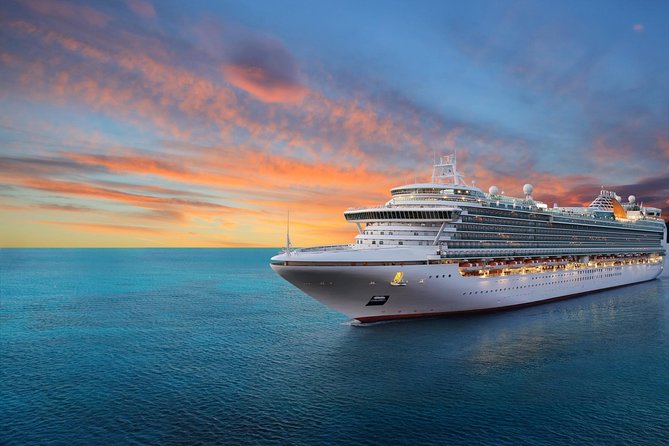
A Rome day from a cruise port is all about one thing: time. When you’re docked in Civitavecchia, you don’t want to spend your best hours figuring out transport, waiting for connections, or arriving frazzled. With a private vehicle and port pickup, you can focus on what you came for: sights, photos, and the long lunch your feet will thank you for later.
I also like that this tour isn’t trying to force you through Rome like a checklist runner. You get a driver for the day, so the pacing can match your mood—quick stops when you want them, longer pauses when something catches your eye. That freedom matters, especially if you’re traveling with mixed interests, like one person who loves arenas and another who just wants the “I’m in Rome” shots.
The day runs close to nine hours, which is a solid hit for a shore day—especially because the route is built to cover major landmarks in a single sweep.
You can also read our reviews of more city tours in Vatican City

The overall route: from the Colosseum to St. Peter’s
This tour strings together Rome’s heavy hitters in an efficient order, moving from the ancient core toward the Vatican area. The stops include a blend of monuments you can view from outside, classic “pause-and-look” moments, and a few places where you’ll likely decide how much time to spend on entry (since some admissions aren’t included).
You’ll start at the Colosseum area, then work through Roman-era sites (Circus Maximus, Teatro di Marcello, Palatine Hill) before shifting to big central Rome icons (Pantheon and Trevi Fountain). The second half builds toward the Vatican experience via Vittoriano and Piazza Navona, then finishes with the Spanish Steps and St. Peter’s Basilica.
Expect frequent short stops—often 20 to 40 minutes—rather than long museum-style wandering. That’s not a flaw. It’s how you keep a cruise-day schedule realistic while still giving you time to enjoy each place.
Colosseum: the outside wow factor (and entry planning)
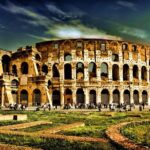
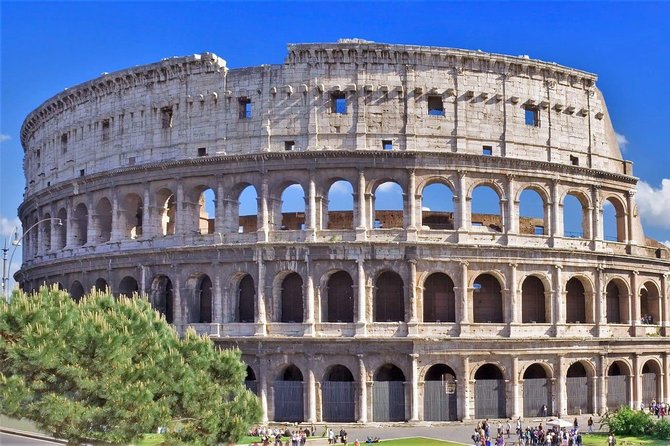
The Colosseum stop is your dramatic kickoff: that massive elliptical shape, the tiers of arches, and the whole “this is really old” feeling. Even when you’re not going inside, just standing there makes it hard to think about anything else.
You’ll have around 30 minutes at the Colosseum area. Admission isn’t included, so if you plan to go inside, you’ll need to handle the ticket separately. In practice, that means you should arrive ready—comfortable shoes, clear expectations, and a sense that this is one of the stops where time can get eaten by lines.
If you’re doing this as a first-timer in Rome, I’d treat the Colosseum as the anchor stop: if you get one awe-inspiring ancient site today, make it this one.
Circus Maximus and Teatro di Marcello: Roman sights you often skip
After the Colosseum, you’ll head to Circus Maximus, the ancient stadium associated with chariot races and spectacles. You’ll get about 15 minutes, which is enough time to get oriented and take in the setting between Rome’s hills.
This is one of those stops that works well on a shore excursion. You’re not committing to a long entry. You’re getting the “Rome was different back then” lesson fast, then moving on without losing momentum.
Next is Teatro di Marcello. Here’s the catch: you can’t enter, and the plan is to drive close by so you can see it from the outside. Admission is free, but your experience is more about recognizing the structure and imagining it in action than walking through it.
If you prefer hands-on exploration, you’ll want to mentally budget your attention. Think of Teatro di Marcello as a quick history snap—useful, not exhaustive.
Palatine Hill: where Rome’s legend starts
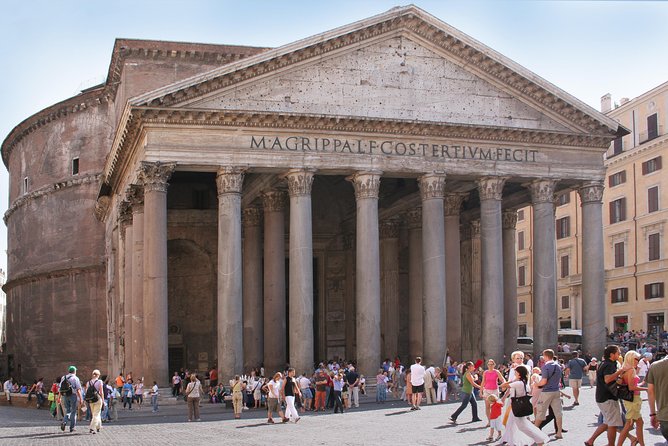
Then comes Palatine Hill, one of the best spots for connecting the Rome you see today to the stories people have told for centuries. The hill is tied to the idea that the city was founded there—an origin legend that makes the viewpoint feel more meaningful.
You’ll have about 20 minutes here, and again, admission isn’t included. If you want to go further than the view, plan for extra time and tickets; if you’re happy to see the area and get the lay of the land, the short visit still does the job.
I like Palatine on a port day because it gives you “Rome above Rome” perspective without requiring a long commitment.
You can also read our reviews of more private tours in Vatican City
Pantheon: a quick stop with big architecture energy
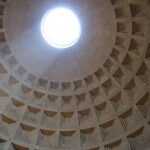
At the Pantheon, you get one of the best-preserved ancient buildings in Rome, and the shape of it is the kind of thing you feel in your body when you see it. It used to be a temple for Rome’s gods, and today it functions as a symbol of how old cities keep reinventing themselves.
You’ll have around 30 minutes. Admission isn’t included, so if you plan to enter, you’ll want to factor in any time you lose to ticketing or security.
Even if you don’t go inside, the Pantheon stop is still valuable because you can appreciate the structure and details right in front of you. It’s a “stop and look up” place, not a “speed through” place.
Trevi Fountain: coin toss, crowd math, and timing
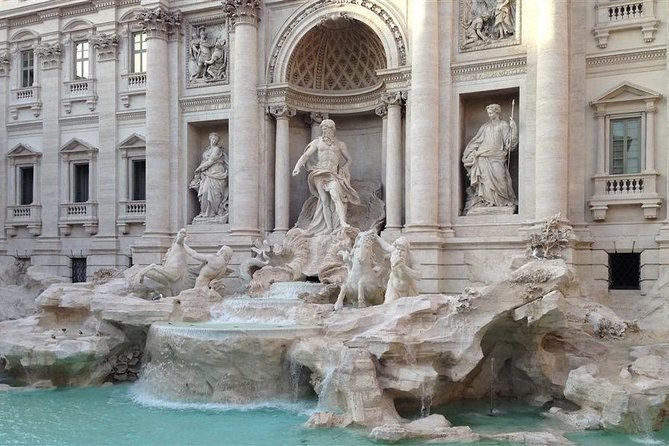
No Rome day is complete without Fontana di Trevi. It’s free to visit, and you’ll get about 30 minutes at the fountain—enough time to take your photos from different angles and do the ritual coin toss for a return to Italy.
Trevi is also a magnet for crowds, so this stop works best when you keep it intentional. Aim for a few strong shots, then enjoy the moment rather than trying to linger forever in the densest part of the square. A private driver helps because you’re arriving as part of a planned route, not wandering randomly into the worst peak traffic.
If your priority is photos, this is one of the stops where you’ll likely feel glad you have a set time block instead of an open-ended “whenever we get there” schedule.
Vittoriano, the Aurelian Walls, and the Rome-in-motion feel
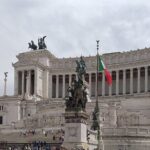
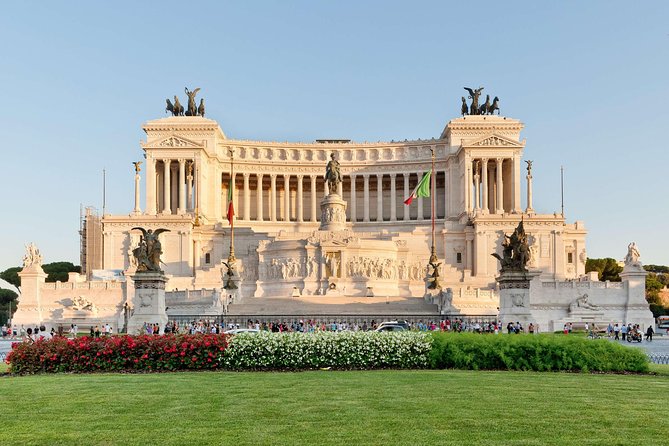
Next you’ll pass through the Complesso del Vittoriano, the national monument honoring Victor Emmanuel II. It’s free to view, and it sits between Piazza Venezia and the Capitoline Hill, so it also helps you understand how Rome’s central areas connect.
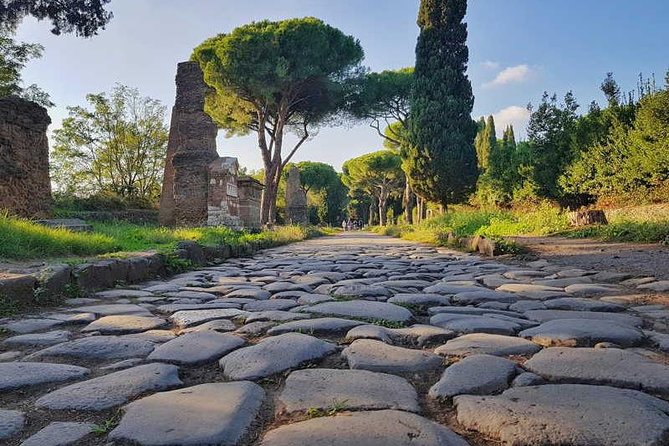
From there, the plan includes a look at the Aurelian Walls, built in the late third century AD to defend the city. This is a very “Rome keeps its layers” kind of stop. It’s not a place most people picture first, but it adds context that makes everything else click.
If you like seeing how the city’s past protected and shaped its future, you’ll probably enjoy these mid-day stops. They’re also a nice contrast to the more famous crowd-pleasers.
Piazza Navona and the Spanish Steps: Baroque atmosphere on foot
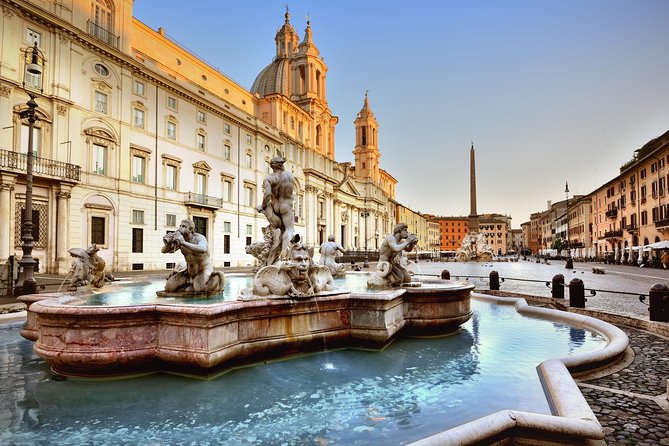
Piazza Navona is a standout because it’s free and it’s visually packed—one of those squares where the architecture feels like it’s doing something, not just sitting there. You’ll have around 30 minutes, with time to enjoy the Bernini and Borromini vibe people associate with Baroque Rome.
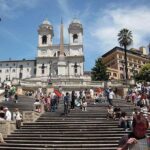
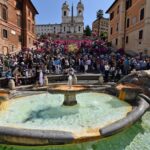
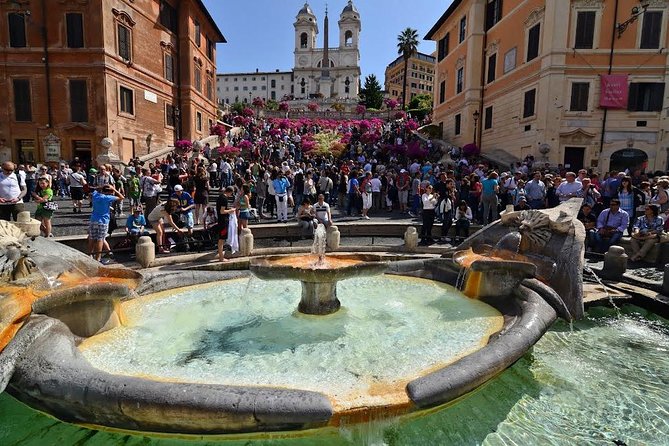
Then it’s on to the Spanish Steps, where you’ll get about 20 minutes to visit this famous stairway connection between Piazza di Spagna and Piazza Trinità dei Monti. It’s a short stop, but it’s long enough to get the classic views and reset before the final church stop.
I like pairing Navona with the Spanish Steps on a port day because you get one “slow your pace and look” space, then one “pose, breathe, move” moment. It helps the day feel like travel, not just traffic.
St. Peter’s Basilica: the big finale with practical timing
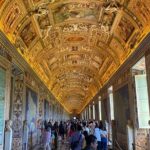
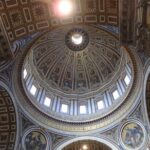
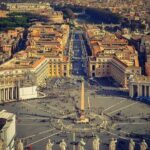
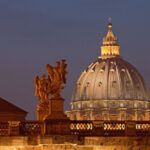
You end with St. Peter’s Basilica, one of the holiest churches in Christendom and a huge landmark in Vatican Rome. You’ll have about 40 minutes, and admission is listed as not included, so if tickets are required for specific access levels or services, you’ll handle that separately.
Even with the time set aside, this is a stop where lines and security can affect how much you see inside. The good news: the driver and your schedule keep you from spending the whole day hunting for the right entry or waiting at the wrong gate.
Treat this as your final emotional payoff. If you want one moment to slow down today, this is it.
What you’re really paying for: value vs. ticket costs
At $602.53 per person for a private shore excursion, you’re paying for convenience, control, and logistics that would be hard to reproduce cheaply. If you’re traveling solo, it can feel steep. If you’re splitting the cost among a small group, it starts to look more reasonable because private transportation plus a driver for the full day is the core value.
Here’s the key point: several major stops have admission tickets not included, including the Colosseum, Palatine Hill, Pantheon, and St. Peter’s Basilica. That means your total spending for the day will likely be higher once you add entry costs you choose to purchase.
Still, the private format can be worth it when you’re doing Rome on a cruise day. The alternative—taxis, public transit stress, and random wandering—often costs more time than it saves money.
Who this tour suits best
This experience fits you if you:
- Want to hit the big Rome highlights in a single day without building a transit plan
- Appreciate a private English-speaking driver for guidance and recommendations
- Prefer clear stop times over open-ended wandering when your schedule is tight
It might not be your best match if you:
- Want a slow, deep museum-style day with long stays inside every major site
- Have a tight budget and would rather spend on tickets yourself while skipping the private vehicle
- Expect every stop to be an entry-only, fully guided visit (some are drive-close or outside-focused)
You also should be comfortable with a moderate physical fitness level, since this is a long day with walking and getting on and off transport multiple times.
Should you book this private shore excursion?
If your goal is a stress-reduced Rome greatest-hits day from Civitavecchia, I think this one is easy to recommend. The combination of port pickup/drop-off, a private car, and an itinerary that logically connects ancient Rome to the Vatican area makes it a smart solution for a shore day.
Before you book, check your own priorities. If you’re excited about the Colosseum, Pantheon, and St. Peter’s and you’re okay handling admissions separately, you’ll likely feel the day was well spent. If you’d rather go slower, or you want fewer stops with more time inside, you might prefer a different format.
FAQ
How long is the private shore excursion?
It’s listed at about 9 hours.
Where does the tour start?
The start point is Civitavecchia Port of Rome.
Is this tour private?
Yes. It’s a private tour, and only your group participates.
Is the driver English-speaking?
Yes. An English-speaking driver is included.
Is port pickup and drop-off included?
Yes. Port pick up and port drop off are included.
Are admissions included for major sites?
No. Admission tickets are listed as not included for the Colosseum, Palatine Hill, Pantheon, and St. Peter’s Basilica. Some stops are free to visit, like Circus Maximus, Trevi Fountain, Piazza Navona, and the Spanish Steps.
Is food or drinks included?
No. Food and drinks are not included.
Do you get time for shopping or dining?
Yes. The tour includes free time to shop and dine.
What physical fitness level do you need?
The tour notes a moderate physical fitness level is recommended.
What’s the cancellation policy?
Free cancellation is available up to 24 hours in advance for a full refund.
How far in advance is this tour typically booked?
The average booking window is about 54 days in advance.