REVIEW · ROME
2-in-1 Pasta and Tiramisu Cooking Masterclass in Rome
Book on Viator →Operated by Rome With Chef · Bookable on Viator
Fresh pasta plus tiramisu in Rome feels like a cheat code. I love the hands-on cooking and the small-group setup, which makes it easy to ask questions and actually learn the technique. One heads-up: this class uses gluten and dairy, so it is not suitable for coeliac disease, gluten intolerance, vegan diets, or lactose intolerance.
In about 3 hours, you’ll make a homemade tiramisu and let it chill while you move to pasta from scratch. Then you’ll learn a classic Roman sauce to pair with your noodles, finish with the meal you created, and sip your way through prosecco, local wine, and limoncello. If you want a Rome activity that ends with dinner instead of just photos, this is a strong bet.
In This Review
- Key things that make this class worth your time
- A 3-Hour Roman Kitchen Lesson: Pasta, Sauce, Tiramisu
- Where You Meet on Via Cesare Balbo (and How Central It Really Is)
- What You Make: Fresh Fettuccine Plus Carbonara or Cacio e Pepe
- Tiramisu Time: The Chilling Break That Keeps the Class Flowing
- Your Meal Includes Prosecco, Local Wine, and Limoncello
- Small-Group Energy: Why Max 14 Changes Everything
- Diet Restrictions: Plan Ahead for Gluten, Dairy, and Vegan Needs
- Price Check: Does $78.60 Really Pay Off?
- Timing and Comfort Tips for Your Best Rome Night
- Should You Book This Pasta and Tiramisu Masterclass?
- FAQ
- FAQ
- What dishes will I make in this Rome cooking masterclass?
- How long is the class?
- What drinks are included?
- Is the class taught in English?
- How big is the group?
- Can this class accommodate dietary restrictions like gluten-free, vegan, or lactose intolerance?
Key things that make this class worth your time
- Fettuccine from scratch: you’re not just assembling; you’re making fresh pasta at the right pace for a small group (max 14).
- Classic Roman sauces: carbonara or cacio e pepe, taught in a traditional Roman kitchen setting.
- Tiramisu while you work: the timing is built in so the dessert chills while you’re doing pasta.
- Drinks included with your meal: prosecco up front, local wine with dinner, and a limoncello shot to close.
- Chefs bring the energy: names like Marzia, Giovanna, Jem, and Juan come up often as hosts who keep the class moving.
- You leave with a recipe ebook: so the magic doesn’t vanish the next morning.
A 3-Hour Roman Kitchen Lesson: Pasta, Sauce, Tiramisu
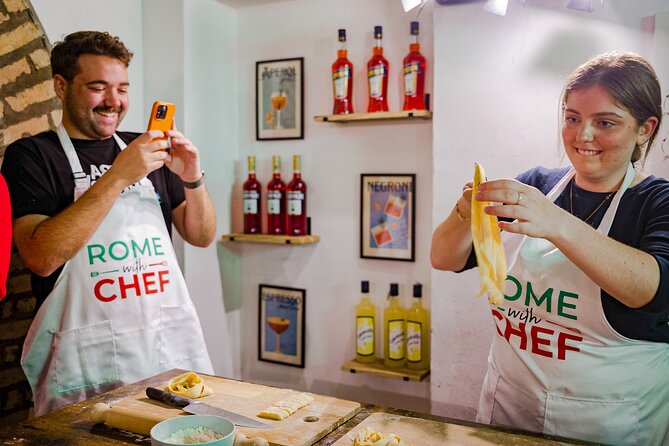
This is the kind of Rome experience that turns the city into a classroom. You start by learning to build classic dishes from the ground up, then you eat what you made, still warm and still real. It’s not a performance and it’s not a lecture. You’re doing the work, with a local chef guiding you step by step.
The structure is simple and practical. First comes the tiramisu, then the pasta, then the sauce, and finally the meal. That order matters. Tiramisu needs time to set, and pasta needs attention while it cooks and dries just right. The class uses that natural rhythm so you’re always busy, but you’re not rushing the parts that need a chill or a careful hand.
I also like that this is designed for an actual meal. You’re not leaving with a tiny tasting. You’re making enough that you can sit down and enjoy it properly, with wine and limoncello included.
You can also read our reviews of more cooking classes in Rome
Where You Meet on Via Cesare Balbo (and How Central It Really Is)
You meet at Via Cesare Balbo, 25 (00184 Roma RM). The good news is that it’s near public transportation, which matters in Rome where “close” can still mean “two bus rides and a stair climb.” Also, the meeting point may shift slightly depending on the day, but it stays within about a 5-minute walk of the listed address, and you should be informed in advance if it changes.
This matters because a cooking class punishes late arrivals. You want time to check in, wash hands, and get your station set before the first mixing starts. If you’re pairing this with other sightseeing, I’d treat it like a real anchor event rather than a flexible add-on.
One more practical point: it’s offered in English and uses a mobile ticket, which makes check-in easier if your phone battery is behaving.
What You Make: Fresh Fettuccine Plus Carbonara or Cacio e Pepe
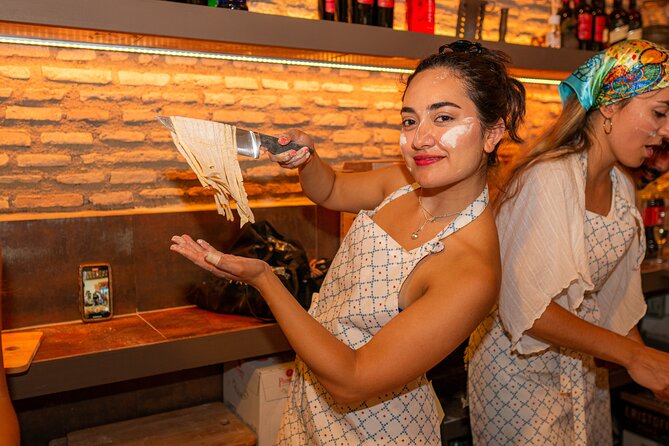
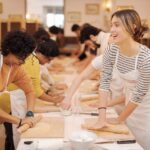
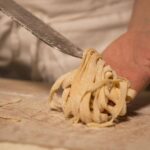
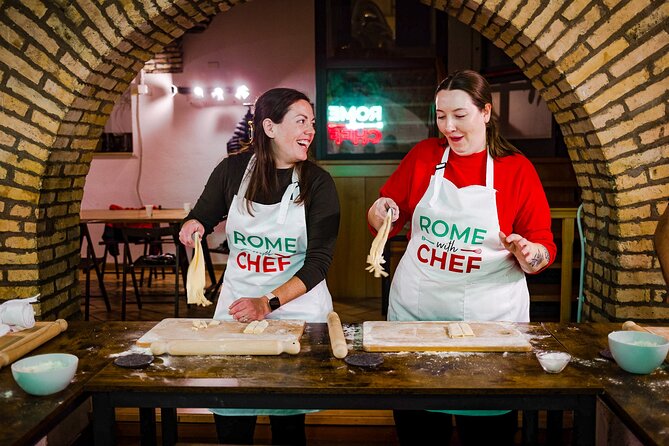
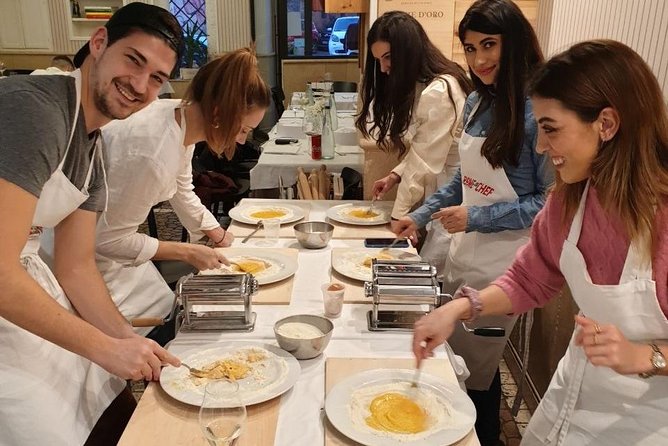
The centerpiece is the pasta lesson: you’ll make fresh fettuccine pasta from scratch with the chef guiding you. That’s the part that really changes your confidence level. After you’ve rolled dough and cut it into noodles with your own hands, “homemade pasta” stops being a fantasy and turns into something you can repeat at home.
Then comes the sauce. You’ll learn how to make either carbonara or cacio e pepe to pair with your pasta. Both are classic Roman picks, and both are known for flavor that feels simple but depends on technique. You’re learning the pairing logic, not just a random recipe—how to match the sauce to the pasta you made.
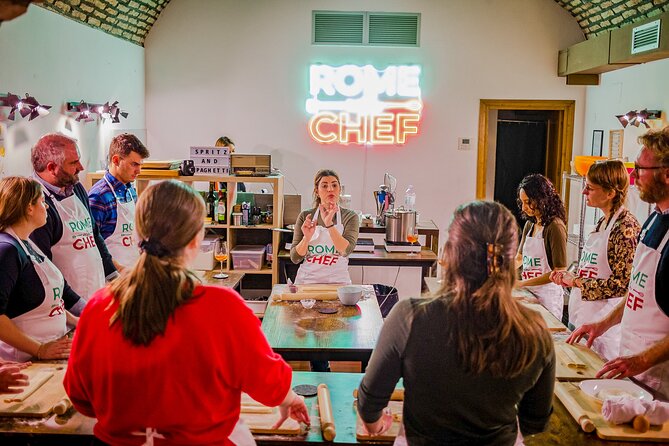
In a small group setting (maximum 14), you get more time with the chef. That’s where you benefit most. Pasta making has a few moments where timing and texture matter, and having someone correct you before you commit to the wrong step can save the whole batch.
If you’ve ever watched Italians argue about food, this is the closest you’ll get to joining the conversation without starting one. You’ll leave with the confidence to talk sauce like you actually know.
Tiramisu Time: The Chilling Break That Keeps the Class Flowing
Tiramisu is the other half of the 2-in-1. You craft a creamy homemade tiramisu during the class. Then it chills in the fridge while you work on pasta and sauce. That’s not just dessert management—it’s smart class design.
The practical advantage is that you’re not standing around waiting for the next thing. While the tiramisu sets, you’re doing the pasta portion, so your time stays productive. Also, tiramisu tastes best when it has had time to rest. Getting that built-in timing means you’re not trying to make dessert that needs hours of patience in a single panic hour.
One detail I appreciate: the included tiramisu involves a shot of Tia Maria, and the class notes an alcohol-free option for kids. So families aren’t forced into awkward workarounds; the class is set up to keep the experience age-friendly.
Your Meal Includes Prosecco, Local Wine, and Limoncello
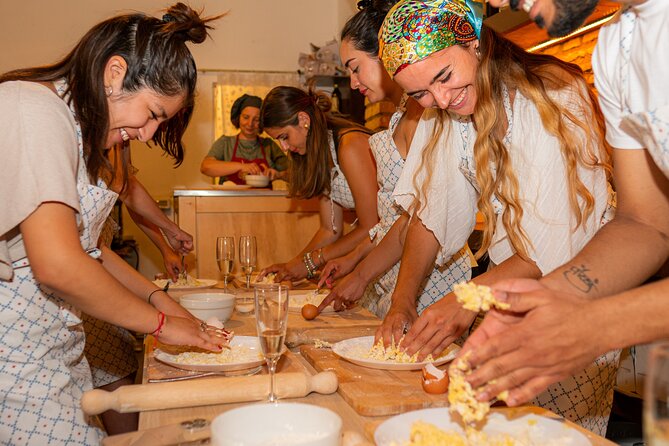
Food classes often end with a sad little bite. This one ends with a proper sit-down meal. After you finish cooking, you eat everything you made, paired with included drinks.
The sequence is also clear. You start with a glass of prosecco. As you cook, you enjoy local wine. The class then finishes with a shot of limoncello. Non-alcoholic beverages are available, and unlimited refreshments include water and soft drinks.
This is a big value point. At $78.60 per person, you’re not just paying for instructions—you’re paying for the ingredient-to-plate experience. That includes multiple drinks and the meal you’ve made yourself, which is usually the part you’d otherwise spend extra money on after a cooking class.
If you’re traveling as a couple, this is a nice “one ticket, two benefits” setup: you get the fun cooking part and you avoid the separate dinner hunt afterward.






Small-Group Energy: Why Max 14 Changes Everything
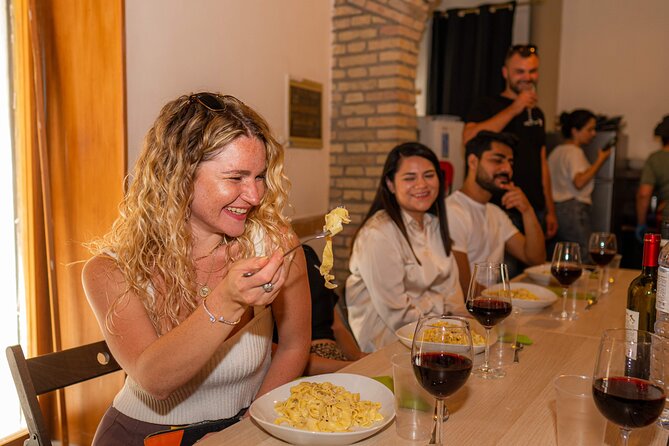
The class runs with a maximum of 14 travelers, which keeps it from turning into a crowded factory. In my view, that small size is the main reason cooking classes in Rome feel worth it here. When the group is smaller, the chef can correct hands-on mistakes faster. You get answers while they still matter.
That also affects the tone. The class feels less like schooling and more like a shared evening in a real kitchen. Many hosts have shown up in the experience—Marzia, Giovanna, Jem, Ezgi, Gio, Aruta, Angela, Mary, Juan, Sunny, Shiva, Sherry, and others—and the common theme across those names is keeping people involved, including families.
If you’re going with kids or teens, this setup usually works because everyone can participate. Reviews mention hands-on engagement across ages, which is exactly what you want from a cooking class aimed at more than just adult food nerds.
Diet Restrictions: Plan Ahead for Gluten, Dairy, and Vegan Needs
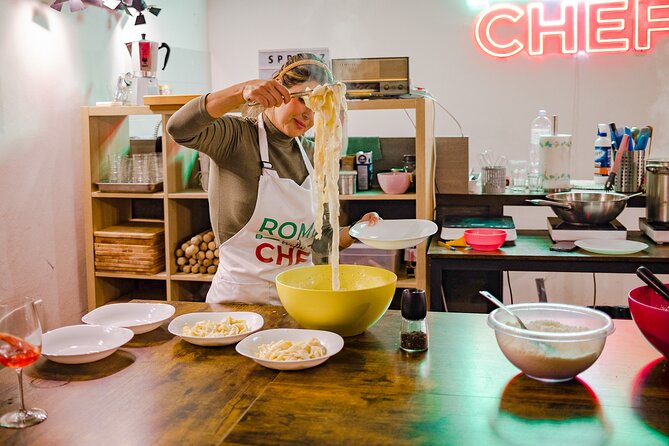
Here’s the most important practical consideration: no gluten-free options, no vegan options, and no dairy-free options. The class also cannot accommodate coeliac disease, gluten intolerance, or lactose intolerance because the menu uses gluten and dairy products.
So if your dietary needs are strict, you should treat this class as a mismatch unless you confirm the menu details with the provider in advance (the class asks you to advise ahead for specific requirements). If your diet is flexible, you can focus on learning and enjoying.
If you’re vegetarian, the class may still work depending on the menu specifics, but the data provided doesn’t confirm a vegetarian-only path. The safe move is to check what’s on your station for the day.
Price Check: Does $78.60 Really Pay Off?
Let’s talk value in plain terms. You’re paying $78.60 per person for:
- A hands-on pasta-making workshop
- A tiramisu you make yourself
- Carbonara or cacio e pepe sauce instruction
- Prosecco, local wine, and limoncello
- Unlimited water and soft drinks
- A free recipe ebook
A typical “nice dinner + drinks” bill in central Rome can easily climb, and you’re not getting cooking instruction with that. Here, you’re paying for a meal plus education plus ingredients plus drinks. That adds up fast.
Also, the class time is efficient. At 3 hours, you’re not burning half a day waiting around. You’ll also likely learn techniques you can repeat at home—pasta dough handling, sauce-making approach, and tiramisu assembly—rather than just collecting a few photos.
One more value detail: classes like this often book out, and this one averages being booked about 40 days in advance. If your trip window is firm, book early so you’re not scrambling for an alternative on the last day.
Timing and Comfort Tips for Your Best Rome Night
To get the most out of the class, I’d plan around a few simple realities of cooking in Rome.
First, go in hungry but not overly full. The meal is included, and if you show up stuffed from lunch, you’ll feel the drag when it’s time to eat.
Second, wear comfortable shoes and expect a kitchen setup that’s more hands-on than museum-walk sightseeing. Even if you’re not doing heavy lifting, you’ll be standing, moving, and working at a station.
Third, bring your curiosity. Ask questions about what the chef is looking for while you’re rolling pasta or mixing sauce. That’s where small-group learning pays off.
Finally, if you’re traveling with kids or teens, this is one of the better ways to keep everyone engaged in Rome. The format is interactive, and the class is designed to integrate younger participants instead of keeping them at the edge of the action.
Should You Book This Pasta and Tiramisu Masterclass?
I’d book it if you want a Rome activity that gives you real skills and a real dinner, not just an experience stamp. This is especially appealing if you like learning by doing and you’re excited by classic Roman flavors like carbonara and cacio e pepe.
I’d skip it if you have any of the stated restrictions: coeliac disease, gluten intolerance, vegan diet, or lactose intolerance. Also skip it if you want a quiet, no-drinks cooking session. Alcohol is part of the included package (with non-alcoholic options available), so it’s more of a lively evening than a hushed culinary seminar.
One last check: this class depends on good weather (so an alternate date or refund may come up), and there’s also a minimum number of travelers for it to run. If you’re booking near the start or end of your trip, that flexibility can matter.
If your schedule allows it and your diet fits the menu, this is a very strong value way to taste Rome from the inside of a kitchen.
FAQ
FAQ
What dishes will I make in this Rome cooking masterclass?
You’ll make fresh pasta and learn to pair it with either carbonara or cacio e pepe, and you’ll also make a homemade tiramisu.
How long is the class?
The experience runs for about 3 hours.
What drinks are included?
The class includes glasses of prosecco, local wine, and limoncello, plus unlimited water and soft drinks. Non-alcoholic beverages are also available.
Is the class taught in English?
Yes, it is offered in English.
How big is the group?
The maximum group size is 14 travelers.
Can this class accommodate dietary restrictions like gluten-free, vegan, or lactose intolerance?
No. There are no gluten-free options, no vegan options, and no dairy-free options. It also cannot accommodate coeliac disease, gluten intolerance, vegan diet, or lactose intolerance due to dairy and gluten in the menu.