There’s something magical about learning pasta in Rome. This is a small-group Roman chef for a day experience where you make fresh dishes like fettuccine, ravioli, gnocchi, and finish with dessert and wine. You start near Piazza Navona and spend the evening in a working kitchen setting, with a translator when the chef doesn’t speak English.
I especially like the focus on hands-on pasta skills (you’ll work with flour and eggs to shape and cook), and I like that the meal is part of the lesson—so you don’t just watch. In some sessions, you may be guided by a translator such as Richie or Holly, paired with chefs like Loretta or Laura, which can make the language side feel smooth and personal.
One possible drawback to keep in mind: the class can be held in a busy restaurant kitchen (not always a home kitchen setup). If the kitchen is slammed with restaurant orders, you might find the hands-on time is tighter than you expected, and you may not cook every component listed on the menu.
In This Review
- Quick Highlights You’ll Care About
- Roman Pasta Skills in a Real Kitchen: What the Evening Feels Like
- Where You Meet Near Piazza Navona (and Why It Matters)
- How Long You Should Plan For (2.5 to 3.5 Hours, Sometimes More)
- The Pasta Lesson: Fettuccine, Ravioli, and Gnocchi Workflows
- Bruschetta, Sauce, and Dessert: What You Might Cook Versus What You Might See
- Dinner with Wine: Eating the Results Like a Roman
- Recipes to Take Home: How Much You Can Rely On
- Group Size and Language: Comfort Level Matters
- Vegetarian and Dietary Needs: Plan Ahead
- Price and Value: Is $107.23 Worth It?
- Who This Cooking Class Is Best For (and Who Might Prefer Something Else)
- Should You Book This Roman Chef for a Day Class?
- FAQ
- How long is the cooking class?
- Where do I meet, and what time?
- What dishes will I learn to make?
- Is there a vegetarian option?
- Is wine included, and are there age limits?
- Do I receive recipes after the class?
- Can I get a refund if I cancel?
Quick Highlights You’ll Care About
- Small group (max 15) keeps the vibe friendlier and lets you ask questions.
- Piazza Navona start at 4:30 pm puts you in the center of the action before you head to the kitchen.
- Fresh pasta focus: fettuccine, ravioli, and/or gnocchi are core to the experience.
- Seasonal menu swaps: what you make can change based on ingredients available that day.
- Dinner includes wine and dessert after the cooking work is done.
- Recipes are promised, but timing can vary—so plan to follow up if you don’t receive them.
Roman Pasta Skills in a Real Kitchen: What the Evening Feels Like
This is the kind of Rome activity that’s fun in two ways. First, you get practical skills you can actually use later. Second, you get to eat your own work at the table, with wine, while you’re still in the middle of the lesson energy.
The experience is built around classic Italian comfort food: fresh pasta shapes, simple starters, and a dessert that hits the sweet spot (tiramisu is a common part of the menu). You’ll be using the basics—flour, eggs, and technique—rather than just assembling a plate. That means even if you’re a beginner, you’re not stuck doing only the easy, low-stakes parts.
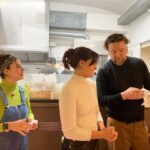
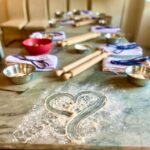
At the same time, understand the environment. This isn’t always a private cookery studio with space for a long, slow class. Some sessions happen in a working restaurant kitchen, which can affect pacing. If that matters to you, read on and plan your expectations around hands-on time.
You can also read our reviews of more cooking classes in Rome

Where You Meet Near Piazza Navona (and Why It Matters)
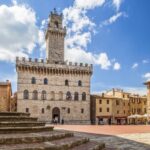
Your evening starts at 4:30 pm in the Piazza Navona area. The meeting instructions are very specific: you’re looking for a coordinator waiting at Piazza Navona 14 with a sign for Savor Italy Tours. You’ll see three fountains and a church in front of the main fountain (the one in the middle). If you’re facing the church, you should look left to find the right building.
This matters because you’re not being picked up at a hotel. You’ll be walking from the meeting point area to the kitchen location. The good news: it’s near public transportation, and Piazza Navona is an easy landmark to orient yourself.
Tip I’d give you: arrive a few minutes early and take a quick look around for the sign before you commit to a “perfectly reasonable” assumption about which building is correct. Piazza Navona is gorgeous, but it can also be visually busy.
How Long You Should Plan For (2.5 to 3.5 Hours, Sometimes More)
The standard duration is listed as roughly 2 hours 30 minutes to 3 hours 30 minutes. That’s a solid evening block—enough time to learn, cook, eat, and still get back to the rest of Rome.
But there are signs in the experience details that timing can flex depending on the kitchen setup on that day. In one described case, the class ran longer than the typical window. So, if you’re planning dinner reservations later that night, give yourself breathing room.
If you’re the type who likes schedules that don’t move, you’ll probably want to avoid stacking multiple plans. This experience flows from cooking to sitting down for dinner, and any extra time in the kitchen can push the meal course timing.
The Pasta Lesson: Fettuccine, Ravioli, and Gnocchi Workflows
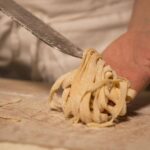
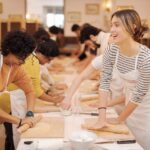
The heart of the class is making fresh pasta—often with one or more of these focuses:
- Fettuccine (commonly with options like ragù or carbonara-style preparation)
- Ravioli (common fillings include ricotta and spinach)
- Gnocchi (for example, potato gnocchi with pesto)
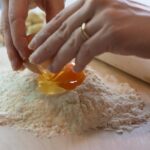
What you’ll learn isn’t just the final shape. The point is technique: how the dough behaves, how to handle flour so it doesn’t turn into a mess, and how sauce pairings work with pasta types. Even if your end result isn’t perfect, the “why” behind the method is what you can take home.
One helpful detail: the course can include starters too, and the exact dishes can shift with the season and ingredient freshness. Expect to hear stories about why certain dishes became popular and how Roman/Italian cuisine developed over time—this is part of the experience tone, not just small talk.
If you’re imagining a single continuous “you are always in the action” timeline, keep your expectations flexible. When the venue is a busy restaurant kitchen, the chef may be doing parallel work to keep the restaurant running, which can reduce the amount of step-by-step cooking you personally perform.
Bruschetta, Sauce, and Dessert: What You Might Cook Versus What You Might See
The menu examples include:
- Bruschetta al pomodoro
- Fettuccine with ragù bolognese or carbonara-style
- Ravioli di ricotta e spinaci and/or gnocchi al pesto
- Tiramisu
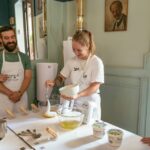
Here’s the practical way to think about it. You should plan on learning pasta steps and participating where the workflow allows. You may also handle components like cutting, assembling, and some prep, depending on the pace of the kitchen and the number of people in the class.
Some classes run like a tidy workshop where you actively make each item. Other sessions can feel more like a demonstration plus hands-on segments. In particular, sauce steps and some dessert prep can be either hands-on or prepped in advance to keep the restaurant meal service moving.
So before you go, decide what matters most to you:
- If your priority is pasta-making technique, this is a strong match.
- If you want to personally cook every course from start to finish (bruschetta, sauce components, and dessert), there’s a chance you’ll be disappointed unless the day’s setup is laid-back.
You can also read our reviews of more tours and experiences in Rome

Dinner with Wine: Eating the Results Like a Roman
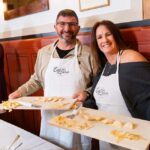
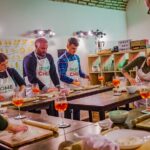
After the cooking time, you sit down to dinner with what you’ve made. The included format is designed so you eat the meal as a group experience: starters, dessert, and wine are part of the typical flow.
The wine is included, and the minimum drinking age is 18. If you’re not drinking, you still get the food experience—but you might want to check how meal service works if you have dietary restrictions.
One more practical note: when the kitchen is busy, you might feel the pacing shift. Some people love the “work then eat” rhythm; others feel rushed if the class pacing moves faster than the hands-on segment. Either way, you’ll leave with a full meal and the satisfaction of eating something you helped create.
Recipes to Take Home: How Much You Can Rely On
The experience promises that you’ll keep the recipes to recreate the dishes later. That’s a big value driver—because a cooking class without recipes is mostly a fun memory. With recipes, it becomes a skill you can practice.
Still, the details you have here are a bit like most recipe promises in the travel world: timing can be delayed. In some cases, people report not receiving recipes after the class. So if recipes are your main goal, I’d treat them as “expected,” not “instant.”
If you want to maximize your chances:
- Take photos during the class steps if you’re allowed to (it’s often useful for your own reference).
- If there’s an option to confirm how/when recipes will be delivered, do it before you leave.
- Be ready to follow up after the class.
Group Size and Language: Comfort Level Matters
This is capped at 15 travelers, which is a meaningful sweet spot for a hands-on class in a small kitchen. Smaller groups generally mean fewer bottlenecks with seating and tools, and more time for the chef or translator to address your questions.
Language is handled through an English-speaking experience format. When the chef’s English is limited, a translator supports you—names like Richie and Holly show up in the experience ecosystem. That matters, because pasta-making is tactile. You need to understand technique cues like dough consistency, timing, and how to handle fillings.
If you’re worried about communication, this is still a safe choice. The structure is designed so you can follow along even if you’re not fluent in Italian.
Vegetarian and Dietary Needs: Plan Ahead
Vegetarian options are available, and you’re asked to advise at booking. The same goes for specific dietary requirements. That’s the right approach, because pasta fillings, sauces, and even bread components (like bruschetta) can change based on ingredients.
If you have more than basic dietary needs (like strict allergen avoidance), send your details carefully at booking. Even with good intentions, kitchens need accurate information to avoid cross-contact or ingredient mismatches.
Price and Value: Is $107.23 Worth It?
At $107.23 per person, you’re paying for three things at once:
- A guided cooking lesson focused on pasta technique.
- A full sit-down dinner with starters, dessert, and wine.
- A small-group format with a chef and translator support.
For many travelers, the value is strongest if you care about learning technique and want the dinner included. You’re not just paying for a meal in Rome—you’re paying for instruction and a structured experience that ends with you eating what you made.
But because the class can shift between more hands-on and more watch-and-assist setups (especially in restaurant kitchens), value depends on your expectations. If you want a long, slow, hands-on cooking marathon where you personally complete every course component, this may feel pricey on a “labor hours” basis.
If your goal is pasta-making competence plus a great evening meal, it often lands in the sweet spot.
Who This Cooking Class Is Best For (and Who Might Prefer Something Else)
You’ll likely love this class if:
- You want fresh pasta skills and a real technique lesson.
- You like small-group travel where you can talk with your chef/translator team.
- You’re happy to spend an evening cooking and then eating in the same flow.
You might reconsider if:
- You’re very focused on cooking every listed dish with heavy hands-on time.
- You’re sensitive to kitchen conditions (busy restaurant settings can affect comfort and pacing).
- You expect recipes to arrive instantly after the class without any follow-up.
If you’re traveling with a partner or a small group of your own, this can be a fun, shared learning experience. If you’re traveling with kids, you might find the format works best for older kids who can handle the pacing and kitchen environment (you’ll want to judge based on your own family comfort level).
Should You Book This Roman Chef for a Day Class?
I’d book it if you’re excited about learning pasta technique in Rome and you want your dinner to be part of the lesson. The price works best when you value instruction plus a sit-down meal with wine and dessert.
Before you book, set your expectations honestly:
- Expect hands-on pasta time as the core benefit.
- Know that sauce, bruschetta, and tiramisu involvement can vary by day and kitchen setup.
- Treat the recipe delivery as a promise you should confirm, not a guarantee that it arrives immediately.
If that matches your style, this is one of those experiences that can turn into a “we still cook this at home” memory instead of just another photo from your Rome trip.
FAQ
How long is the cooking class?
The class is listed as about 2 hours 30 minutes to 3 hours 30 minutes. In practice, plan for some flexibility depending on how the kitchen schedule runs.
Where do I meet, and what time?
Meet at Piazza Navona at 4:30 pm. You’ll look for coordinator signage at Piazza Navona 14 with a Savor Italy Tours sign.
What dishes will I learn to make?
You’ll learn authentic Italian dishes such as fresh pasta (fettuccine and/or ravioli and/or gnocchi) and you may also make starters like bruschetta. Tiramisu is commonly part of the dessert menu, though the exact menu can change by season.
Is there a vegetarian option?
Yes. A vegetarian option is available. You should advise it at booking.
Is wine included, and are there age limits?
Wine is included with the meal, and the minimum drinking age is 18.
Do I receive recipes after the class?
Recipes are part of the experience and are described as something you can take home. Delivery timing can vary, so if recipes are important to you, be prepared to follow up.
Can I get a refund if I cancel?
The experience is described as non-refundable and cannot be changed for any reason. If the minimum number of travelers isn’t met, you may be offered a different date or a full refund.
If you want, tell me your must-make dishes (like ravioli vs gnocchi), and I’ll suggest how to choose this class so you get the best match for your cooking goals.