REVIEW · ROME
Rome: Pizza and Tiramisu Cooking Class in Piazza Navona
Book on GetYourGuide →Operated by IPM COETUS SRL · Bookable on GetYourGuide
Pizza dough and tiramisu, right by Piazza Navona. This class happens in a classic restaurant setting on Corsia Agonale, almost at the edge of the Piazza Navona swirl of street life. You’ll spend 2.5 hours rolling, topping, and assembling two Roman comfort-food favorites, then sit down with your results.
I really like the small-group feel and how the instructors keep things practical and friendly. I also love that you still get taught the dough technique like a pro, even though the dough you shape won’t be the same dough that gets baked. That mix of instruction plus an end product you actually eat makes it fun instead of just educational.
One drawback to plan around: no gluten-free and no lactose-free options are available, and the class isn’t suitable for lactose or gluten intolerance. If dairy and wheat are an issue for you, this won’t be a good fit.
In This Review
- Key things to know before you cook in Piazza Navona
- Antica Trattoria Agonale: A cooking class with Piazza Navona energy
- Your 2.5-hour flow: from dough basics to dessert payoff
- Pizza dough lessons: you’ll shape it, then learn why real dough needs time
- Tiramisu from scratch: building the dessert with confidence
- Meet your hosts: English instruction and real personalities
- Eating in the restaurant: wine or beer and the best kind of souvenir
- Price and value: what $68.33 buys you in central Rome
- Who should book this class (and who should skip it)
- Tips to make the experience smoother around Piazza Navona
- Should you book Rome: Pizza and Tiramisu near Piazza Navona?
- FAQ
- Where is the cooking class located?
- How long is the class?
- What time does it start?
- Is the class taught in English?
- How big is the group?
- Is wine or beer included?
- Does the class include hotel pickup or drop-off?
- Are gluten-free or lactose-free options available?
- Is it suitable for vegans or people with diabetes?
Key things to know before you cook in Piazza Navona
- Steps from Piazza Navona: It’s in the historic center, so this is easy to stack with sightseeing.
- Small group (up to 10): You’ll get more attention than in the big, fast classes.
- Two hands-on dishes: Pizza comes with shaping and toppings, tiramisu is made from scratch.
- Wine or beer included: You cook, then you eat, with a drink served with your meal.
- Diet limitations are real: No gluten-free or lactose-free options, and it’s not for vegans.
Antica Trattoria Agonale: A cooking class with Piazza Navona energy
This cooking class is based at Antica Trattoria Agonale, a traditional restaurant extremely close to Piazza Navona. You meet there at the start, and once you arrive you’ll ask the staff to guide you to the right spot inside. Plan on arriving about 10 minutes early so you can settle in and not feel rushed.
What makes this location matter is simple: Rome can be a nonstop walking game. This class gives you a structured break that still feels local. You’re not hopping across town to a generic cooking school. You’re in the historic core, surrounded by the sights, then you step into a kitchen where you get to actually do something with your hands.
The restaurant setup also affects your comfort. Some instructors and kitchens can be warm depending on where the lesson happens, so I’d dress in layers you can adjust. (From feedback tied to this experience, there’s mention of limited air flow in the back teaching area, while the front dining space feels cooler.)
You can also read our reviews of more cooking classes in Rome

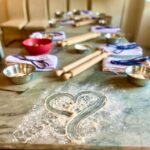
Your 2.5-hour flow: from dough basics to dessert payoff
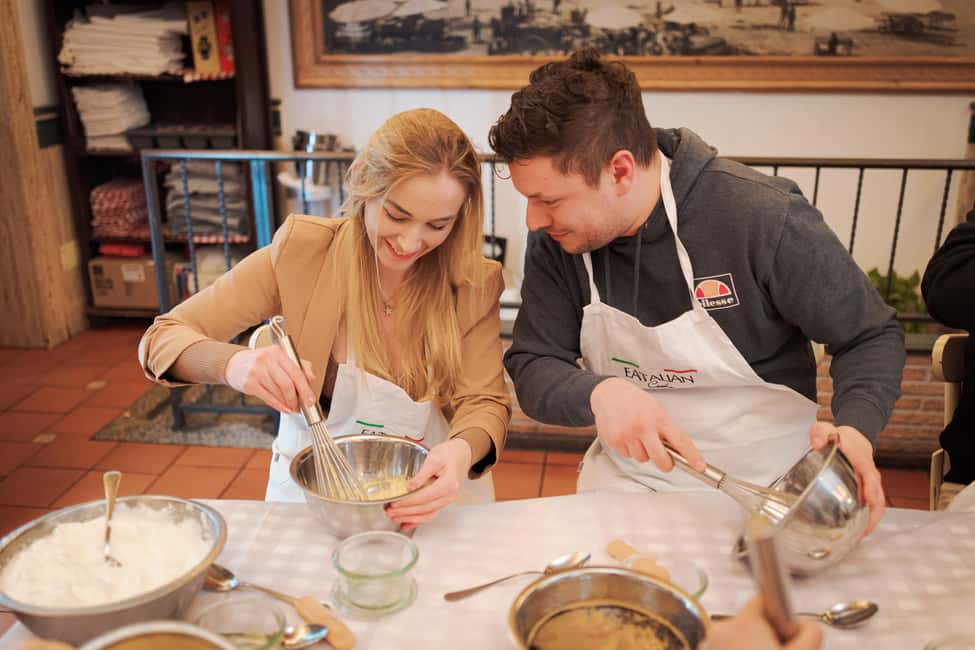
The class runs about 2.5 hours, and instruction is in English. It’s designed to move at a pace that works for beginners, but still feels “real,” not like you’re watching. Here’s the rhythm you can expect:
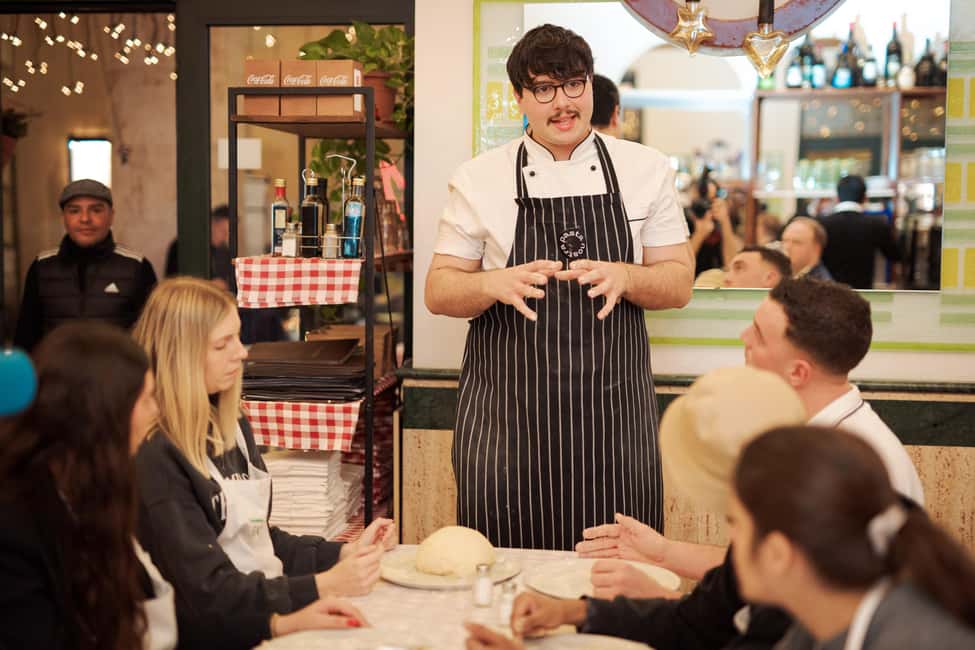
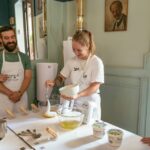
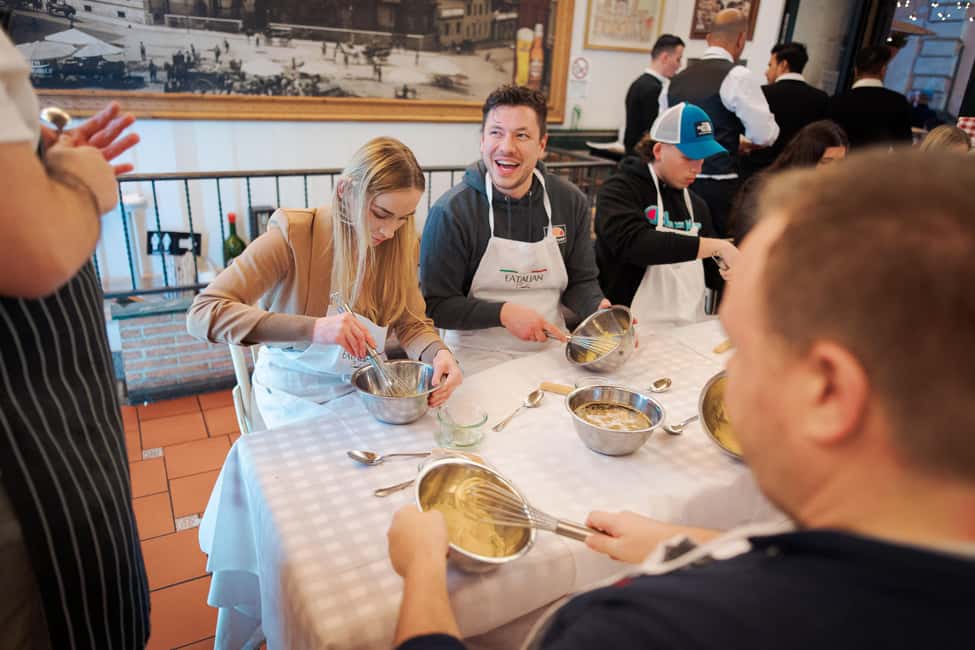
You’ll start in the restaurant, meet your group, and get introduced to the plan for pizza and tiramisu. Then the class splits into two tracks—pizza prep with your hands, and tiramisu prep with guidance.
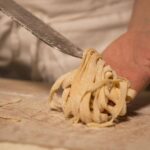
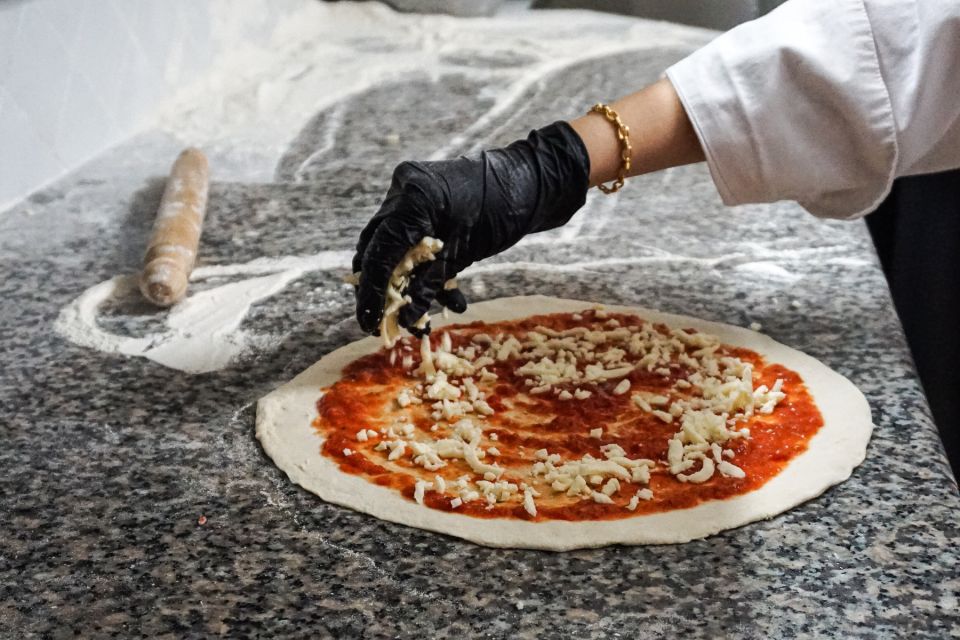
For pizza, you’ll learn dough work and participate in rolling the dough and choosing toppings. After that, you’ll slide your pizza into the oven to cook. While pizza is happening, the guides work with you on tiramisu from scratch, walking you through making the components and putting everything together.
At the end, you get the best kind of finish: you sit down while waiters serve what you made. Along with your meal, you’ll receive a complimentary glass of wine or beer. That part matters because in many cooking classes, you cook and you leave. Here, the dining finish lets you taste calmly, talk with your group, and actually enjoy the results.
Pizza dough lessons: you’ll shape it, then learn why real dough needs time
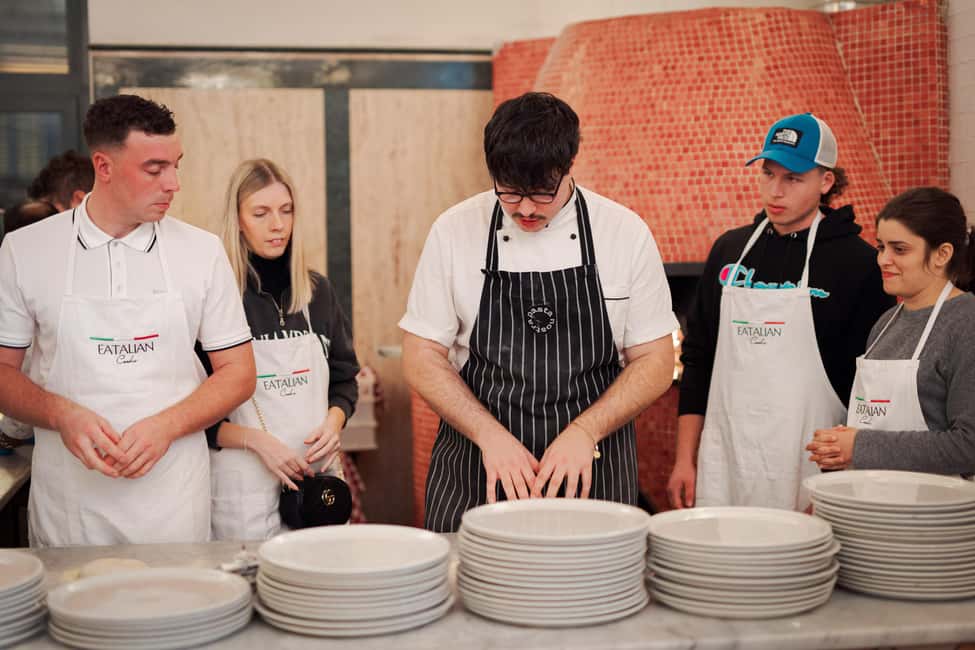
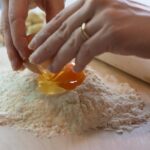
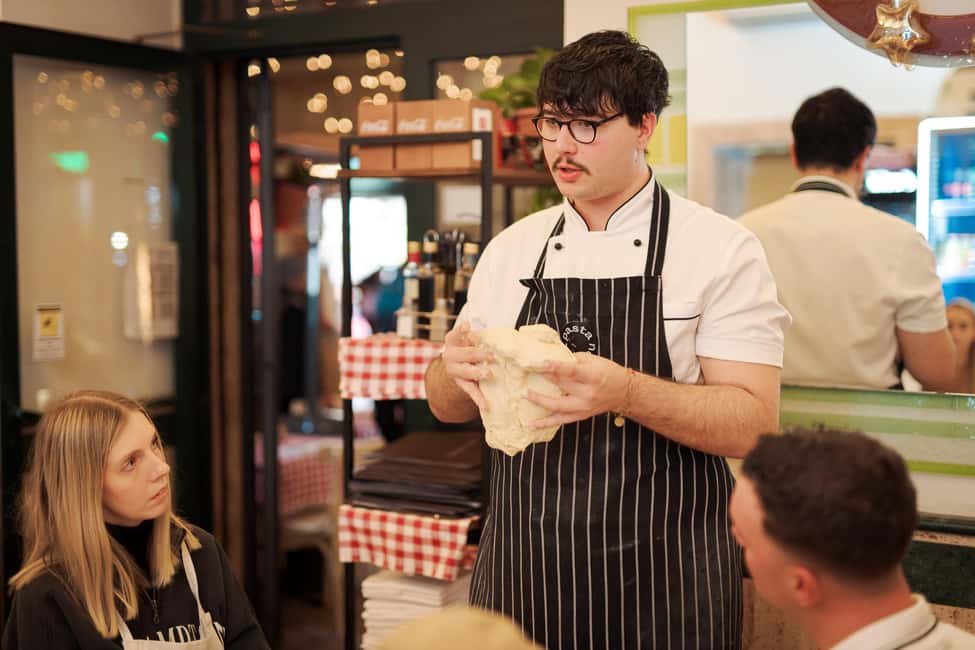
Here’s a detail that I appreciated once I understood it: your dough-making work teaches technique, but it won’t be the dough used for your baked pizza. The reason is tied to pizza science—good dough needs a long rest. So the restaurant uses dough that’s already been properly rested.
That means you still get the core learning experience:
- You’ll get hands-on practice with working dough, rolling, and handling the texture.
- You’ll pick toppings, so your pizza becomes yours, not just a pre-baked assignment.
- You’ll understand how professional dough behaves, instead of only assembling something that’s ready-to-go.
In other words, this isn’t a “stand back and watch” situation. It’s hands-on, with an explanation behind the scenes. If you’ve never stretched dough in your life, you’ll still leave with a mental model for what “good dough” feels like.
And yes, this is also why the class focuses so heavily on timing and technique. Pizza is unforgiving. You learn how dough stretches, how toppings affect cooking, and how quickly a decision becomes an outcome.
Tiramisu from scratch: building the dessert with confidence
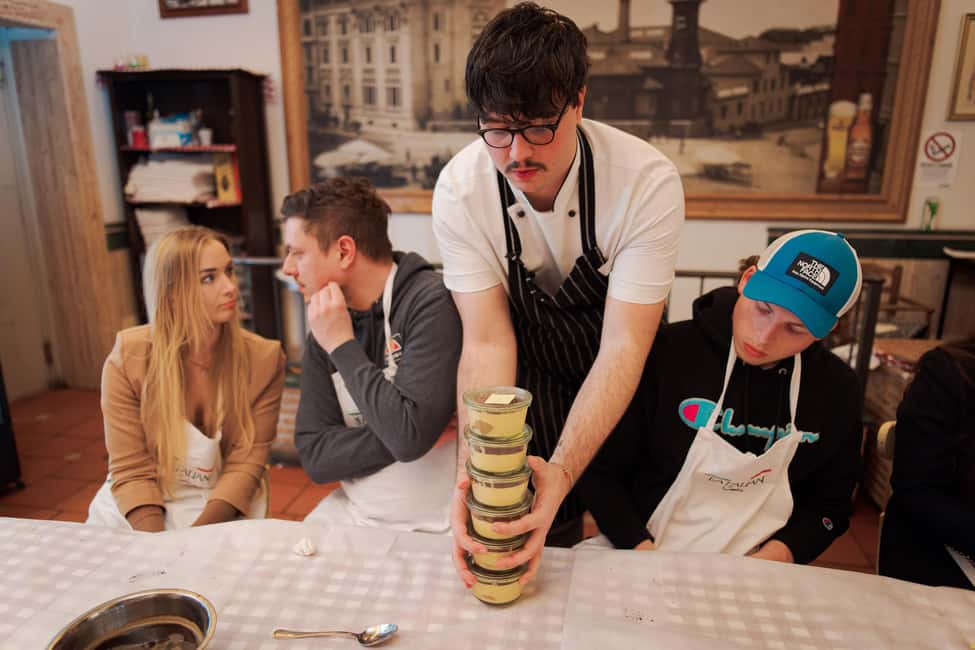
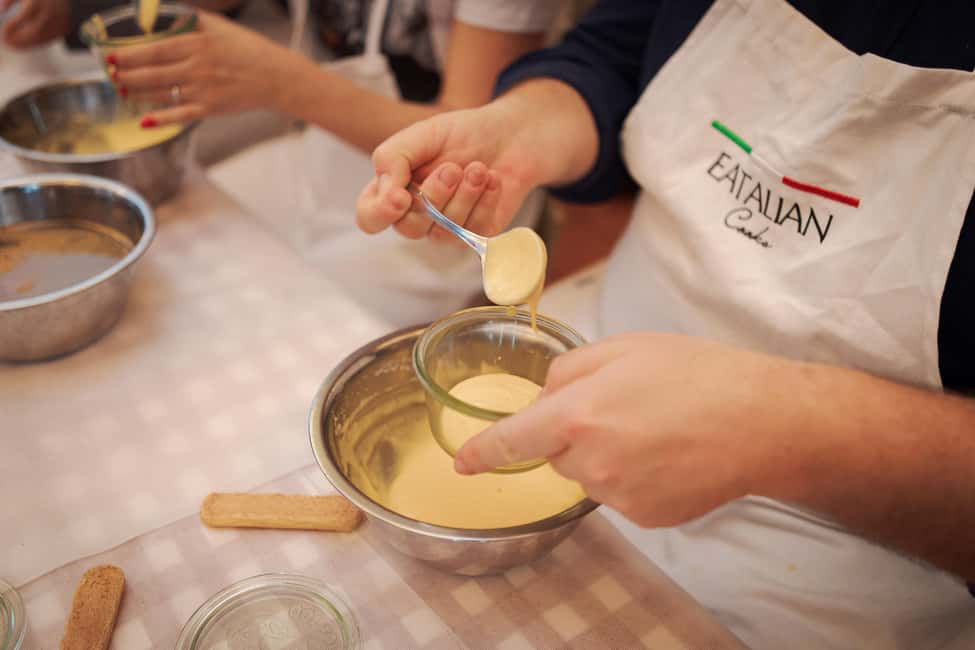
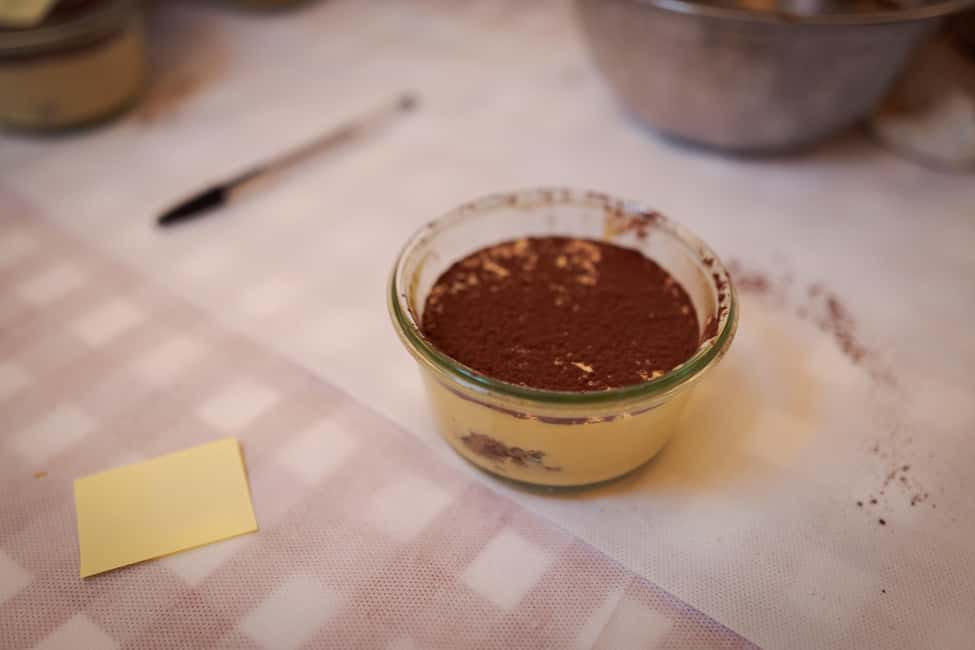
Tiramisu is the other half of the class, and it’s taught as scratch-made. The cooking guides walk you through the process rather than dumping you into a pot and hoping you figure it out.
What I like about this part is that tiramisu teaches you different skills than pizza. Pizza is dough and heat. Tiramisu is about texture and assembly—getting the right feel for the mixture and building layers that hold together.
You’ll make it alongside the pizza work, then you’ll eat what you helped create. When the class finishes, it feels like a full Roman meal, not a scattered snack stop.
If you want proof that this class does dessert well, look at the consistent praise around the tiramisu outcome and the instructors. People mention hosts like Luca and Bea for making the steps clear and keeping things fun, even when the group is small or the pacing changes due to circumstances like heavy rain.
Meet your hosts: English instruction and real personalities
One of the most valuable parts of a cooking class is the human factor: can the instructor explain without making you feel clumsy? In this class, that’s a repeated theme.
Names that show up in the instructor feedback include Luca, Bea, Mirko, Simone, Daniel, Mary Ann, and Pea. Across these, the vibe is consistent: friendly teaching, lots of patience, and humor that makes the room feel like a shared table rather than a classroom.
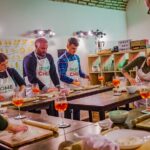
A small-group size (up to 10 participants) helps a lot. You’re not lost in a crowd. That’s why people often describe the attention as personalized—there’s time for your questions and for correction when needed.
Also, one practical bonus that showed up: at least one group reported receiving the recipes by email after the class. That’s not something you should assume every time, but it’s a good idea to ask politely at the end if they can share the recipe notes for what you made.
You can also read our reviews of more tours and experiences in Rome

Eating in the restaurant: wine or beer and the best kind of souvenir
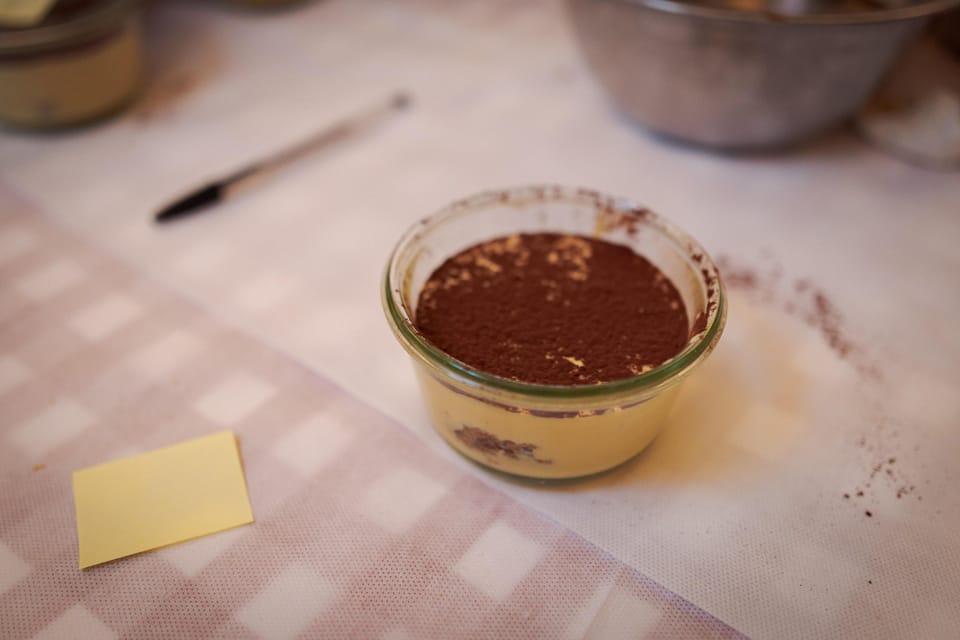
After the cooking work, you’ll sit down at the restaurant and enjoy your creations. Waiters serve what you made, and you get a glass of wine or beer included. This is a simple but important “value” feature: it turns the class into a meal experience, not just a activity.
Because it’s in the heart of Rome, the timing also works. You get a seated break after you’ve likely been walking around Piazza Navona and nearby lanes. When your pizza comes out, the smell does what smells always do—it makes you forget your phone and actually pay attention.
If you’re the type who buys food souvenirs (olive oil bottles, cookie tins), this is a different souvenir: you leave with a skill set and a memory of what a good pizza and tiramisu taste like when you made them.
Price and value: what $68.33 buys you in central Rome
At $68.33 per person for about 2.5 hours, the price can look steep at first glance—until you break down what’s included.
You’re paying for:
- Hands-on instruction for two dishes (pizza and tiramisu)
- Ingredient work that produces a full meal result
- A seat at the end, with your finished food served
- A complimentary glass of wine or beer
- A small group (limited to 10), which affects how much attention you get
- The convenience of being very close to Piazza Navona, so you’re not spending time and money getting to a far location
In Rome, location is part of the cost. This one gives you a structured activity in a prime area. If you’re already spending time in that neighborhood, it’s easier to call it good value because you’re not adding a commute day to your sightseeing.
One more “value” angle: you learn technique, not just recipes. Even though the dough you shape isn’t baked, the class still teaches handling and workflow. That’s the kind of knowledge you can use later at home.
Who should book this class (and who should skip it)
This class is a strong fit if you want a guided, hands-on evening plan that doesn’t require culinary experience.
It suits:
- Couples who want a memorable Rome activity beyond walking
- Food lovers who want both savory and dessert in one session
- Travelers who like small groups and direct instruction
- People who want a break from sightseeing pace, while still staying in the action of central Rome
- Families with children over 7 (it’s not suitable under 7, and some families have enjoyed it with kids in that age range)
It’s not a fit if:
- You need gluten-free or lactose-free options (not available)
- You are vegan (not suitable for vegans)
- You have diabetes (not suitable for people with diabetes)
- You have mobility impairments (not suitable)
- Wheat or dairy intolerance affects your ability to eat the included dishes
This isn’t a “stretch goal” class where you can quietly swap ingredients. The restrictions are part of the recipe reality, so check first.
Tips to make the experience smoother around Piazza Navona
To get the most out of the class, treat it like an appointment, not a casual stop.
- Arrive about 10 minutes early at Antica Trattoria Agonale and ask staff for guidance. It saves stress when you’re in a busy historic area.
- Wear comfortable clothes. You’ll be working with dough, moving around a kitchen setup, and spending time indoors.
- If you tend to get cold or warm easily, dress in layers. Some people note the back lesson space can be warm.
- Keep your phone handy, but don’t let it steal the moment. The best memories tend to be the ones where you’re focused on what you’re doing, not filming it.
- If you care about recipes for home practice, ask the instructor if they share notes after class. At least once, recipes were emailed afterward.
And for your sightseeing planning: because you’re so close to Piazza Navona, you can usually slot this between walking blocks. You’ll get a calmer, seated payoff without leaving the neighborhood.
Should you book Rome: Pizza and Tiramisu near Piazza Navona?
Book this if you want a real cooking experience with a clear end result: pizza that you helped build and an authentic-style tiramisu you helped make. The small-group format is a real plus, and the instructor personalities (including Luca and Bea) come through strongly—fun, patient, and focused on explaining steps in a way beginners can follow.
Skip it if your dietary needs require gluten-free or lactose-free options, or if you fall into the other non-suitable categories listed. Also skip it if you need a fully accessible setup; mobility impairments aren’t supported in this activity as described.
If you’re doing Rome “by foot” and want one scheduled moment that feels different from museums and lines, this is a smart pick. It turns the city’s most famous food into something you can repeat, at least in your own kitchen dreams.
FAQ
Where is the cooking class located?
It starts at the Antica Trattoria Agonale restaurant, very close to Piazza Navona.
How long is the class?
The duration is 2.5 hours.
What time does it start?
The activity has starting times, so you’ll need to check availability for your preferred slot.
Is the class taught in English?
Yes. The instructor is English-speaking.
How big is the group?
It’s a small group, limited to 10 participants.
Is wine or beer included?
Yes. Your class includes a complimentary glass of wine or beer.
Does the class include hotel pickup or drop-off?
No. Hotel pickup and drop-off are not included.
Are gluten-free or lactose-free options available?
No. Gluten-free and lactose-free options are not available.
Is it suitable for vegans or people with diabetes?
No. It’s not suitable for vegans and not suitable for people with diabetes. It also isn’t suitable for people with gluten or lactose intolerance.