REVIEW · ROME
Art Nouveau Rome: Villa Torlonia & Coppedé Private Tour
Book on GetYourGuide →Operated by Eyes of Rome Private Tours · Bookable on GetYourGuide
Art Nouveau Rome feels like a secret side quest. This private 3-hour walk pairs Casino Nobile at Villa Torlonia with the spellbinding House of the Owls, but expect a fair amount of walking. You’ll get a focused tour with skip-the-line entry and real context for the architecture, from elite family life to Mussolini-era rooms and secret shelters.
What I like most is that the route is built for you to see the unexpected parts of Rome. You’re not stuck on the usual grid of big sights—you’re 10 minutes by taxi from the city center and then guided through two very different worlds: a landscaped villa with political shadows, followed by the Art Nouveau fairytale of the Coppedè Quarter.
The tour is led by a guide like Marco, a history and archaeology professor at Sapienza, who’s the kind of calm, organized storyteller that makes the details stick. One consideration: since this is a private tour, you’ll want to wear comfortable shoes and match the pace to your group.
In This Review
- Key highlights worth your time
- Villa Torlonia: Casino Nobile, plus the prince-and-politics setting
- Villino Nobile rooms and Mussolini’s basement shelters
- Casina delle Civette (House of the Owls): stained glass meets clever design
- Coppedè Quarter and Piazza Mincio: Gino Coppedè’s Art Nouveau “kingdom”
- Time, walking, and how to make the 3 hours work
- Price and value: what $362.51 buys you (and what it doesn’t)
- Who should book Art Nouveau Rome and who should skip it
- Should you book this Villa Torlonia & Coppedè private tour?
- FAQ
- How long is the Art Nouveau Rome: Villa Torlonia & Coppedé Private Tour?
- Where does the tour start?
- What are the main stops during the tour?
- Does the tour include museum entrance fees?
- Is this a private tour or a group tour?
- What languages are offered for the live guide?
- Is the tour wheelchair accessible?
- Is there a lot of walking?
- Can I reserve without paying right away, and can I cancel if plans change?
Key highlights worth your time
- Casino Nobile at Villa Torlonia: a prince’s setting with standout architectural details
- House of the Owls (Casina delle Civette): stained glass windows plus inlaid wood and sculpted decoration
- Mussolini’s Villa Torlonia chapter: the 1930s connection, including bedrooms and basement shelters
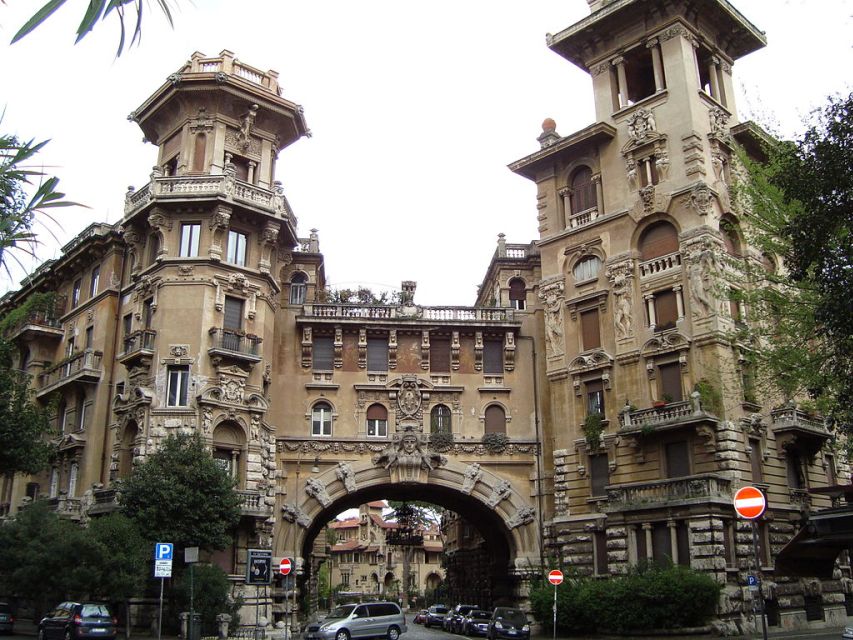
- Coppedè Quarter and Piazza Mincio: walk through Gino Coppedè’s Art Nouveau “kingdom”
- One of Rome’s best residential neighborhoods: a quieter side of the city you can actually enjoy
Villa Torlonia: Casino Nobile, plus the prince-and-politics setting
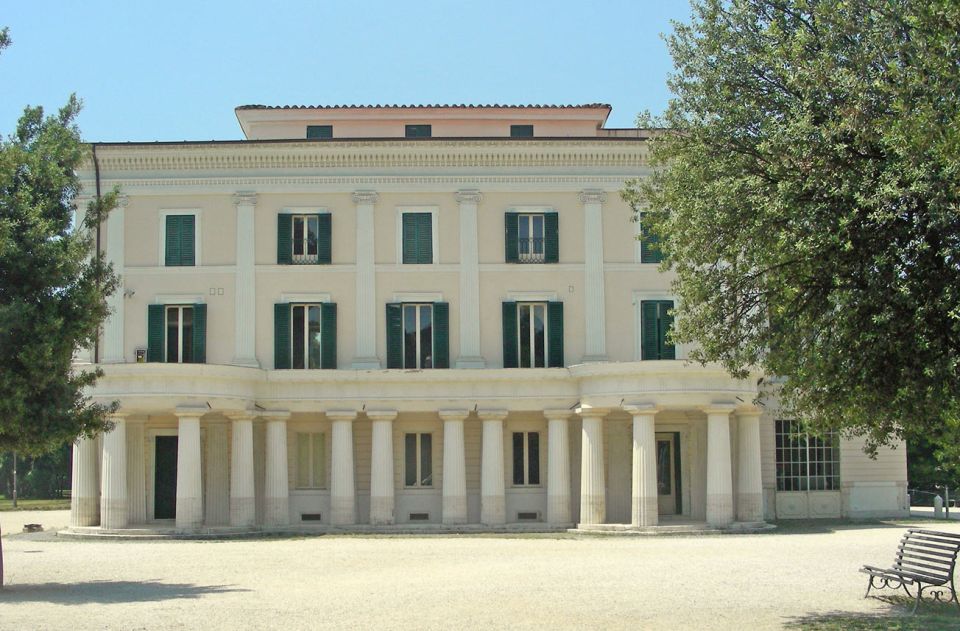
Villa Torlonia isn’t just another pretty Roman property. It’s a whole slice of how power, money, and taste played out in the city—first through the Torlonia family, and later through the Italian government. Your tour starts at Via Nomentana 70, right at the Villa Torlonia entrance near the ticket office, so you’re not wandering around trying to figure out what’s where.
Inside, the guided time focuses on the early-19th-century home built for a wealthy banking family that had already been ennobled by the pope a century earlier. That matters, because the villa’s look isn’t random. It reflects status, planning, and a desire to show refinement without being loud about it.
You’ll spend about 1.5 hours at Villa Torlonia. The pace is shaped for an average visitor, but because it’s private, your guide can adjust if you want fewer stops or a slower walk. I like that approach. You’re not forced into the “see everything, fast” style that turns a villa into a sprint.
Also, you’ll use a separate entrance to skip the line. That’s not flashy, but it helps a lot on a time-based tour like this. It means more of the 3 hours goes to looking and learning, and less time disappears before the first door even opens.
You can also read our reviews of more private tours in Rome



Villino Nobile rooms and Mussolini’s basement shelters
One of the reasons this tour is more than photo stops is the story layered into the building. The guide explains when Villa Torlonia became Mussolini’s home in the 1930s, and that historical link gives the architecture extra weight.
On the upper floor of the Villino Nobile, you’ll hear about the separate bedrooms Mussolini and his wife Rachele used. The tour note you should know: the original furniture is gone, so you’re not looking at a perfectly preserved “period set.” Still, the idea of learning how people actually lived there—then connecting it to the villa’s design—is a strong way to understand the place.
Then comes a part you probably won’t expect if you only think of Roman villas as decorative. In the basement, there’s access to two bunkers that Mussolini built: one meant as a bomb shelter and the other as a gas shelter. The guide ties these elements to the villa’s role during that period, turning the building into something more than a summer-house fantasy. It’s heavy, but it’s also oddly gripping.
This is where the private guide quality shows. Someone who can explain the why (how a rich home could shift into a political residence) makes the details feel connected instead of chaotic.
Casina delle Civette (House of the Owls): stained glass meets clever design
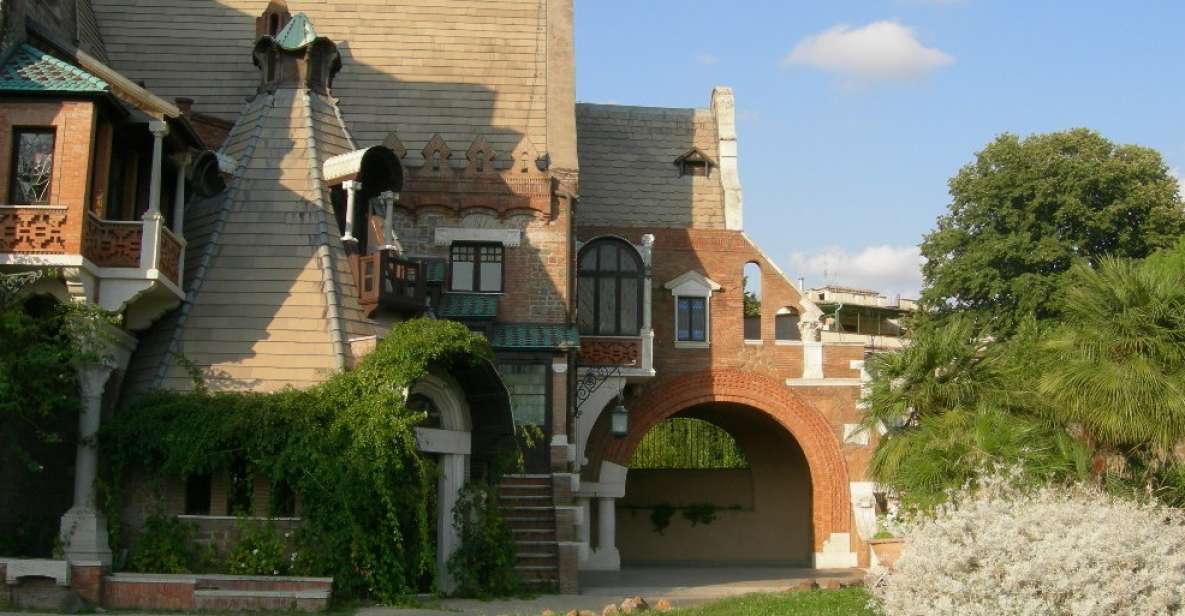
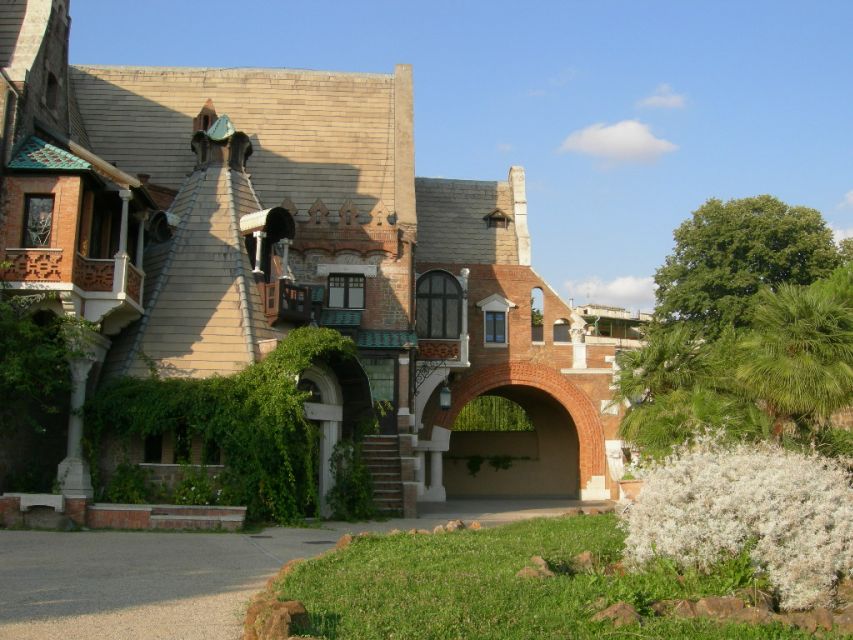
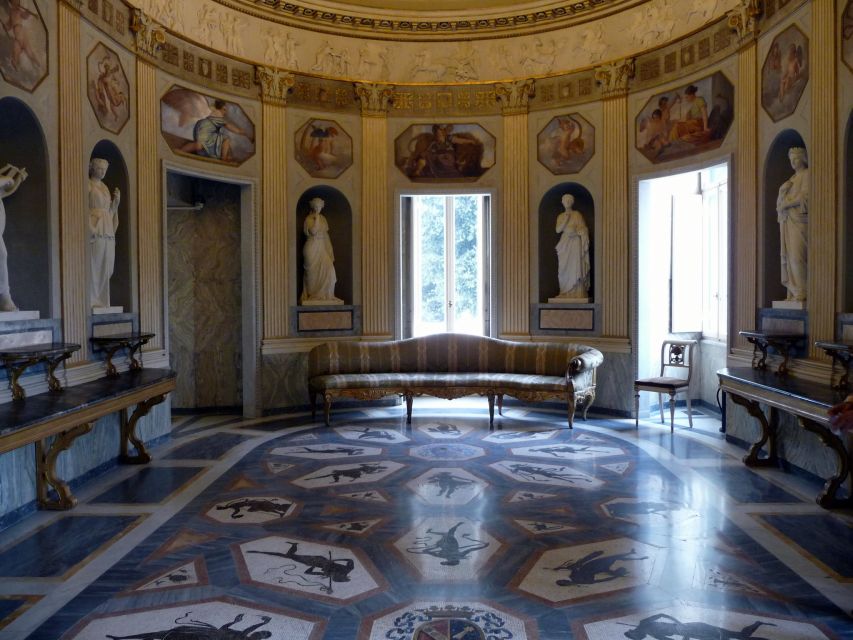
After Villa Torlonia, you move to Casina delle Civette, also known as the House of the Owls. Plan about 45 minutes here, and think of it as the artistic peak of the tour—less about power, more about creative whimsy and craft.
The House of the Owls was the former residence of Prince Giovanni Torlonia the Younger until his death in 1938. It sits at the edge of the park in a discrete location, and the tour frames its purpose well: it was meant as a refuge from the formality of the main residence.
What makes it so memorable is the way the architecture results from multiple transformations and additions planned by different architects. That means the building doesn’t read like a single-style uniform. Instead, it shows change over time, using artisanal and industrial materials in a way that’s still visually controlled.
Inside, the focus shifts to two internal levels of decoration—finished with artistic sculptures and furniture with pictorial effects. You’ll also get pointed attention for stained glass and inlaid wood made through local workshops in Rome. In other words, you’re not just told that it’s “ornate.” You’re shown what to look for and why it matters.
If you love details—glass patterns, woodworking, the tiny decisions that shape how a space feels—you’ll likely find this stop the most satisfying. And if you’re less into interiors, your guide should help you read the building through its design choices instead of overwhelming you with names.
Practical note: this is still part of the walking experience, so keep your energy for both the doors and the outdoor approach.
Coppedè Quarter and Piazza Mincio: Gino Coppedè’s Art Nouveau “kingdom”
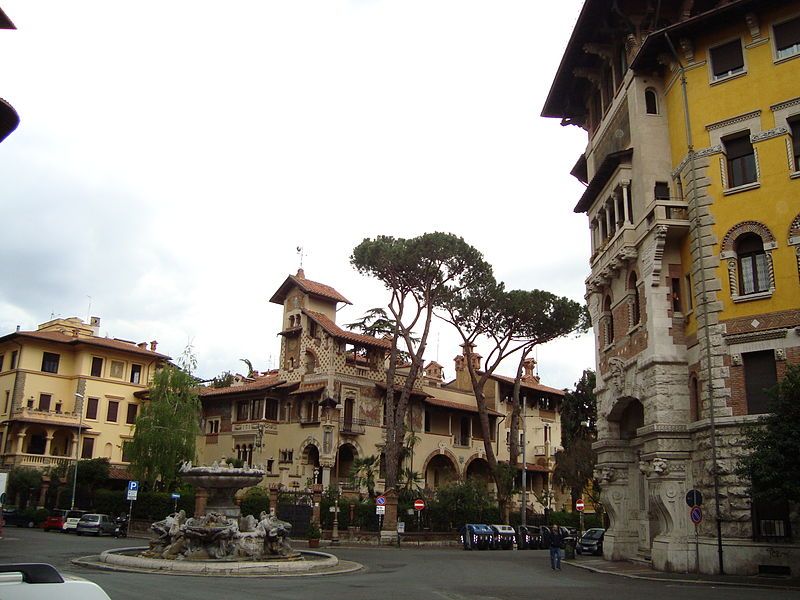
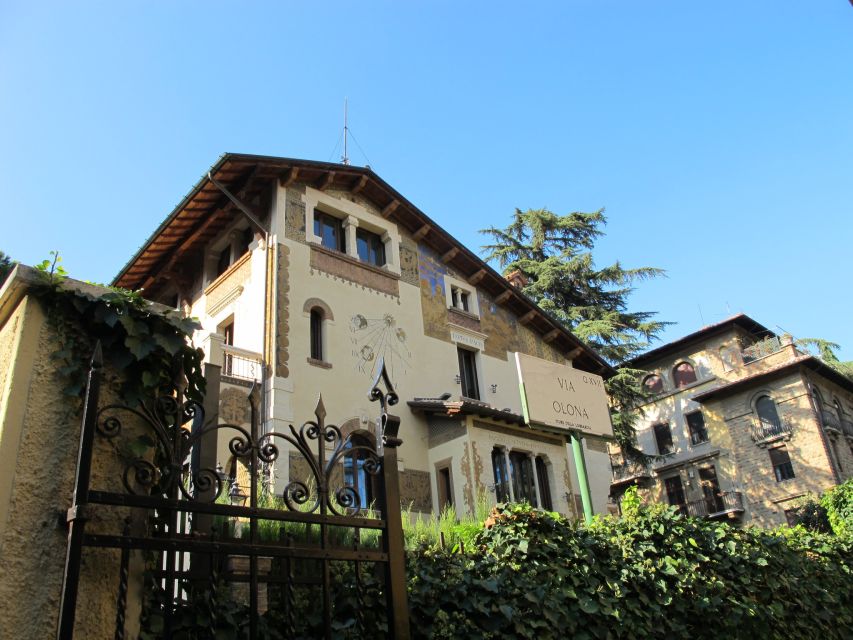
Then you shift gears. The Coppedè Quarter is where Art Nouveau stops being a style and turns into a mood. You spend another 45 minutes walking with your guide through the area, pointing out the architecture designed by Gino Coppedè.
This is one of those neighborhoods that feels like a break from the typical tourist pattern. Instead of major landmarks, you’re studying streetscapes: facades, decorative motifs, and the way buildings create little scenes as you move.
A key highlight here is the magical kingdom of Piazza Mincio. Your guide helps you see why that plaza feels different from a normal square. The design is theatrical in a quiet way—more playful than grand, more odd-in-a-good-way than intimidating.
You’ll also hear about why this is considered one of the finest residential neighborhoods of Rome. That’s useful to know as you walk, because it changes how you interpret what you see. You’re not just chasing spectacle—you’re watching a lived-in city block where architecture contributes to daily atmosphere.
If you’re the type who likes Roman neighborhoods that feel human-scale (and not only museum-scale), this is where you’ll likely relax and enjoy the walk. The focus stays on architecture, but your time doesn’t feel like homework.
Time, walking, and how to make the 3 hours work
This is a half-day private tour with a total duration of 3 hours. You’ll start at Via Nomentana 70 near the ticket office, then end back at the same meeting point. The villa and Coppedè stops are close enough for a single, compact route, and the villa is about 10 minutes by taxi from Rome city center.
That matters because your day stays flexible. If your itinerary is already packed, you can still fit in this art-and-architecture session without spending half your time traveling. Still, the tour isn’t sedentary. The important info is clear: it involves a fair amount of walking.
My practical advice:
- Wear comfortable shoes with decent grip.
- If anyone in your group has mobility issues, tell the provider in advance so the itinerary can be modified.
- If you’re the “slow and absorbing” type, ask your guide to see fewer sites at a calmer pace—private tours are made for that adjustment.
The good part is that because it’s private, you’re not stuck with a rigid “everyone move on cue” tempo. Your guide can steer the pace based on what you want to pay attention to.






Price and value: what $362.51 buys you (and what it doesn’t)
The price is listed at $362.51 per person for this 3-hour private tour. That’s not pocket-change, so let’s talk value in real terms.
You’re paying for:
- A private group format (so your questions and pace matter)
- A Blue Badge Guide
- Museum entrance fees included
- Skip-the-line entry via a separate entrance
- English, Italian, French, or Spanish interpretation
- A guided route that links Villa Torlonia’s political ties to Coppedè’s street-level Art Nouveau world
What you’re not buying is a long day or a huge checklist. This is focused by design. If you’re the kind of traveler who wants 8+ stops packed into 6 hours, this won’t match that style. But if you want a better quality of looking—where your guide explains what you’re seeing and why—you’ll likely feel the value.
Also, there’s a smart benefit to doing it this way: the villa and Coppedè Quarter aren’t “just scenery.” They’re easier to understand with context, and the guide’s expertise makes that context usable. With a guide like Marco—punctual, organized, and able to range from art to literature—the experience feels like a coherent story instead of a set of unrelated sights.
Who should book Art Nouveau Rome and who should skip it
You should book this tour if you:
- Like architecture and want to learn how styles and design choices connect to real people and real time
- Want a break from the standard Rome checklist
- Enjoy interiors and craftsmanship—especially stained glass and inlaid wood
- Prefer a small, private setup with a guide who can answer questions
You might think twice if you:
- Have limited tolerance for walking
- Want only “major monuments” with minimal explanation
- Are trying to squeeze Rome into a high-speed schedule with zero flexibility
Should you book this Villa Torlonia & Coppedè private tour?
I think it’s a strong choice if your goal is authentic Rome beyond the postcard loop. Villa Torlonia gives you the drama of a high-status estate tied to Mussolini-era rooms and bunker access. Then Casina delle Civette delivers a visual feast through stained glass, sculptural details, and inlaid craftsmanship. After that, the Coppedè Quarter turns the day into a walkable Art Nouveau story, centered on Piazza Mincio and designed streetscapes you can actually enjoy at walking speed.
If you want Rome that feels specific—rather than generic—this is the kind of tour that makes the city feel bigger in your mind, not just fuller on your camera roll.
FAQ
How long is the Art Nouveau Rome: Villa Torlonia & Coppedé Private Tour?
The tour lasts 3 hours.
Where does the tour start?
Meet your guide at the entrance of Villa Torlonia, Via Nomentana 70, near the ticket office.
What are the main stops during the tour?
You’ll visit Villa Torlonia, then Casina delle Civette (House of the Owls), and finally the Quartiere Coppedè.
Does the tour include museum entrance fees?
Yes. Museum entrance fees are included.
Is this a private tour or a group tour?
It’s a private group tour.
What languages are offered for the live guide?
The guide is available in English, Italian, French, and Spanish.
Is the tour wheelchair accessible?
Yes, the tour is listed as wheelchair accessible.
Is there a lot of walking?
Yes, the tour involves a fair amount of walking.
Can I reserve without paying right away, and can I cancel if plans change?
You can reserve now and pay later, and there’s free cancellation up to 24 hours in advance for a full refund.