REVIEW · ROME
Walk the magic of Rome at night
Book on Viator →Operated by Lock Your Tour · Bookable on Viator
Rome changes after dark. This walking tour threads through some of the city’s most famous landmarks—Trevi Fountain at night, the Spanish Steps, and a Colosseum view—while your guide turns street corners into real orientation so you know where to go next. I love how the route hits the classics without making you manage every detail, and I like that it’s built for photos at the right moments. One drawback to plan for: you won’t enter the monuments, so you’re seeing the exteriors and learning the stories from the sidewalk.
I also like the small-group feel (up to 12 people) and the pacing that usually lands around 2.5–3 hours. The tour includes a guide, and in practice that means you get more than a checklist—you get commentary, jokes, trivia, and a plan for where to stand.
If you’re sensitive to walking at night, that’s the main consideration. It’s not a sprint, but you should expect steady walking and a moderate fitness level—so wear good shoes and give yourself a little extra time to find the meeting point.
In This Review
- Key things I’d pay attention to
- Why Rome Looks Better When the Sun Drops
- Meeting at Via del Monte Oppio and Walking to Piazza di Spagna
- Vittoriano and Via dei Fori Imperiali: The Big-Scale Photo Start
- Piazza Venezia and the Pantheon Area: Learning the City’s Clues
- Trevi Fountain at Night: The Crowd Strategy Matters
- Spanish Steps and the Colosseum Finale: Great “Orientation” Payoff
- What the Best Guides Do (and Why You’ll Feel It)
- Price and Value: Why $42.34 Feels Fair for a 3-Hour Walk
- Who This Tour Fits Best
- Should You Book This Night Walk?
- FAQ
- How long is the Walk the Magic of Rome at Night tour?
- What is the price per person?
- Is the tour offered in English?
- Will we enter the Colosseum or other monuments?
- What’s included in the tour price?
- What should I know about age and fitness?
- Can I get a refund if I cancel?
Key things I’d pay attention to
- Small group size (max 12): easier to hear and easier to shuffle for photos
- Photo-minded stops: Trevi and crowded areas get smart positioning
- No interior visits: you save time and money, but you’re outside-only
- Night lighting advantage: cooler streets and dramatic illumination
- Ends at Piazza di Spagna: convenient way to keep exploring afterward
- Guides add extras: restaurant and coffee suggestions show up at the end
Why Rome Looks Better When the Sun Drops
Night in Rome is a cheat code. The monuments glow, the air often feels cooler, and the crowds can be a bit more manageable than midday crush. You’ll feel the city’s rhythm shift as you move from one landmark to the next—less “museum mode,” more “Rome in real life.”
This tour is especially good if you want a first-pass overview. You start understanding how the city lines up: major monuments aren’t random—they connect through streets, sight lines, and a few big squares that serve as Rome’s outdoor living rooms. By the time you reach the Spanish Steps area, you’ll know where you are and how to build the rest of your days around what you liked most.
The other win is the way the guide keeps things moving without turning it into a lecture. In this format, you get stories that help your eyes lock onto details you might otherwise miss. It’s also fun: many people highlight jokes, trivia, and an energetic style that keeps attention from drifting.
You can also read our reviews of more walking tours in Rome
Meeting at Via del Monte Oppio and Walking to Piazza di Spagna
You meet at Via del Monte Oppio, 3 (near public transportation). The route ends at Piazza di Spagna, 77, meaning you finish right where you can keep wandering, grab a taxi, or head to dinner without needing a complicated transfer.
Time-wise, plan for about 2 hours 30 minutes to 3 hours. That range matters because night tours can feel long if you’re underprepared, but a well-paced walk keeps energy up. Reviews also mention a bathroom break, which is a small detail that makes a big difference when you’re out after dark.
Also: this is an outdoor walking tour with a moderate fitness level requirement. That translates to steady steps, some crowd threading, and frequent stop-and-go moments. If you’re used to slow sightseeing, pace yourself—Rome night walking can feel faster than you expect.
Vittoriano and Via dei Fori Imperiali: The Big-Scale Photo Start
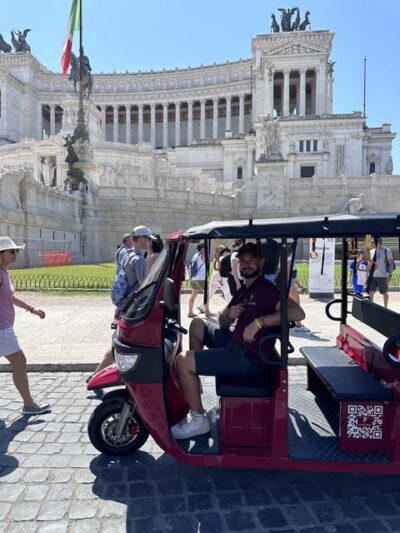
The tour’s early focus is the Vittoriano area (also called the Altar of the Fatherland). You’ll begin near Monumento a Vittorio Emanuele II, then walk along Mussolini’s Via dei Fori Imperiali—a dramatic, straight-shot street that makes the “power and perspective” side of Rome very visible.
This part works because it’s not just scenic. It gives you a sense of how Rome has layered identities over time: ancient empires, modern politics, and the way rulers used architecture to send messages. Even without entering anything, you’ll get the symbolic context that helps you read what you’re seeing.
You’ll also have a photo moment around the Venezia square area in front of the Vittoriano. The practical value here: taking pictures early helps you set your expectations for later stops. If Trevi is busy, you’ll know what to do—stand slightly off the densest knot of people, wait for the angle, and let the guide time it.
Piazza Venezia and the Pantheon Area: Learning the City’s Clues
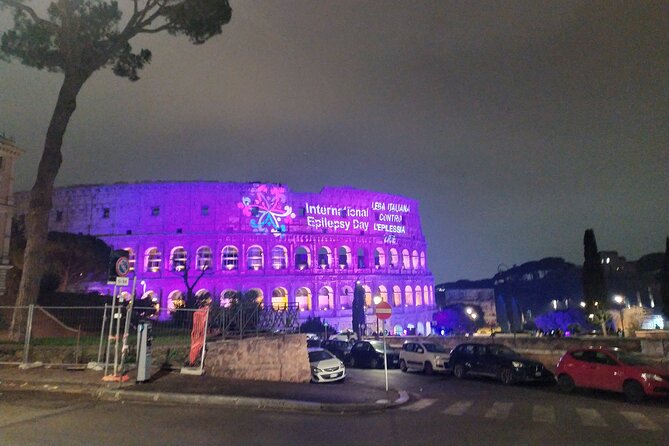
Next up is Piazza Venezia, a quick stop with context for the name—why it’s called Venice square. This is one of those small pauses that pays off later. Once you understand how Rome borrows words, names, and references, you start spotting more meaning in everyday details.
From there, you pass by Pontifical Gregorian University, the first Jesuit university. Even if you don’t stop for long, this segment helps you see Rome as more than ruins and fountains. It’s a living city with institutions shaping culture and daily life.
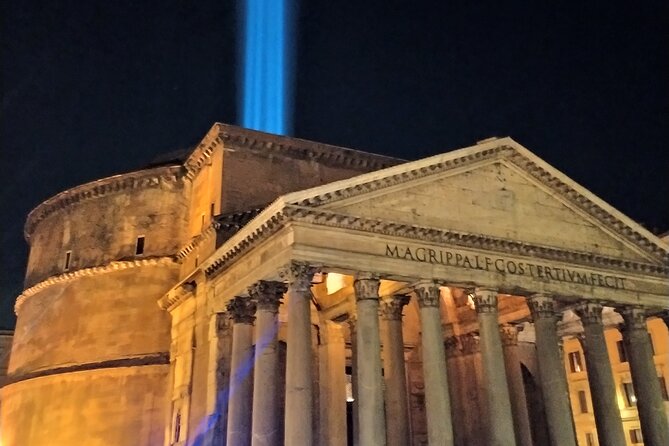
Then comes the Pantheon area, often described as the Roman monument that’s best preserved. You’ll stand close enough to appreciate how cleanly it holds up over time, even from the outside. The guide will point out features you can look for right away—how the structure feels solid and unified, and why that preservation matters.
Important note: you won’t go inside. So you’re getting the outside wow-factor plus explanations that help you understand what you’re looking at. If you want the interior too, you’d need a separate ticketed visit later.
Trevi Fountain at Night: The Crowd Strategy Matters
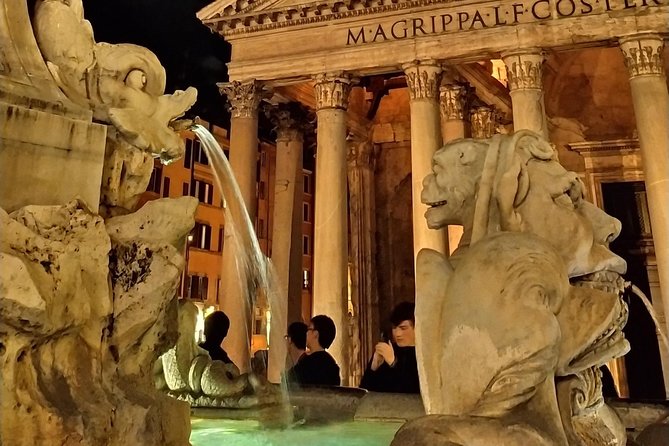
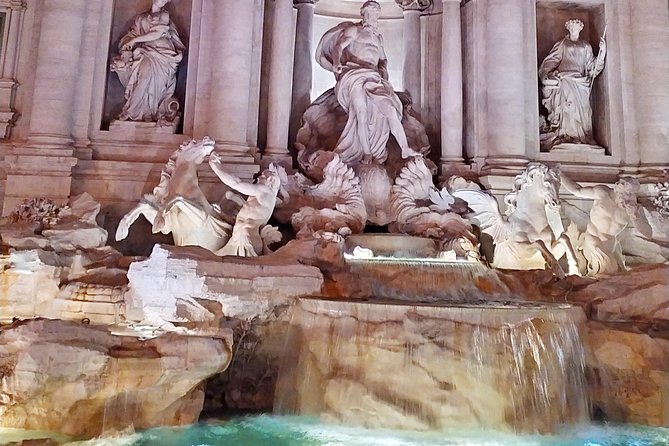
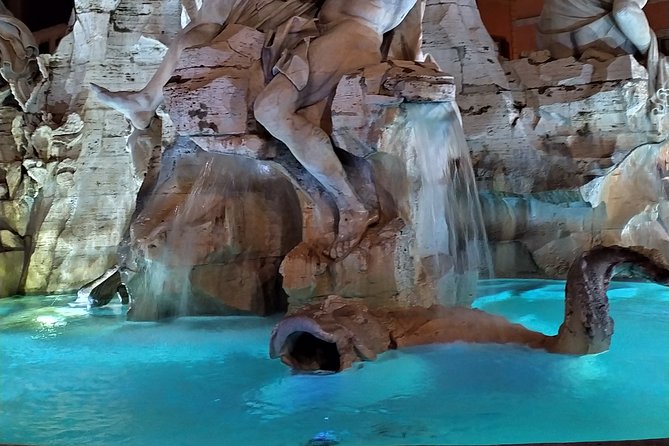
Trevi Fountain at night is where many people’s Rome dreams happen. It’s the famous jewel of water and stone, and lighting makes it feel extra cinematic. You’ll get a dedicated stop here with time to look around and take photos.
The big value of this tour is that you’re not just dropped in the busiest spot and told good luck. Guides are praised for having a strategy for tricky crowds. One person even noted that a guide helped create space so they could get pictures even when Trevi was packed. That’s not luck—that’s timing, positioning, and a calm plan.
You’ll want to do two things at Trevi:
- Look wide first, then pick one detail (stonework, water flow, or the figures).
- Save your best photo angle for when you’ve watched the crowd flow for a few minutes.
Also, remember the tour’s vibe: it’s not a strict photo shoot line. You’ll be able to stand, listen, and then shift positions. That makes the stop feel human instead of stressful.
You can also read our reviews of more evening experiences in Rome

Spanish Steps and the Colosseum Finale: Great “Orientation” Payoff
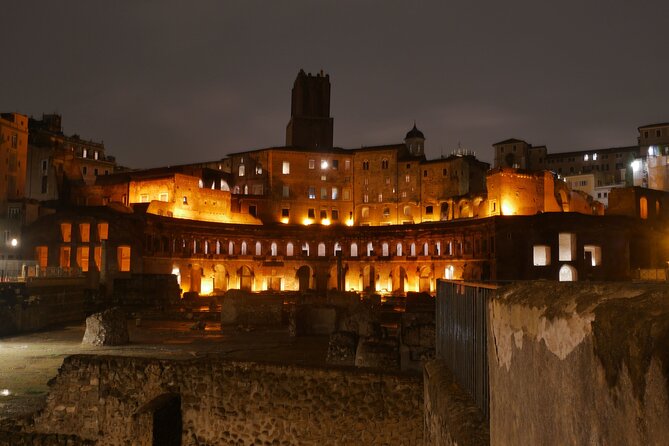
The tour finishes with two major atmosphere hitters: the Spanish Steps and then a Colosseum viewpoint from outside.
You’ll stop at the Spanish Steps area first. They’re famous for their design and that romantic, evening-stroll feeling—especially at night when the street energy feels softer and more social. Even from outside the main flows of foot traffic, you’ll feel why this spot is a magnet for people meeting, walking, and taking photos.
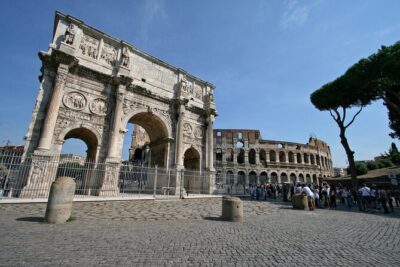
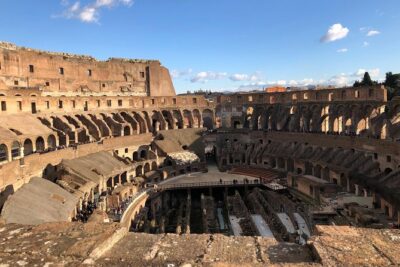
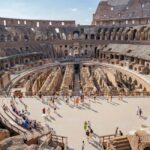
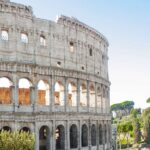
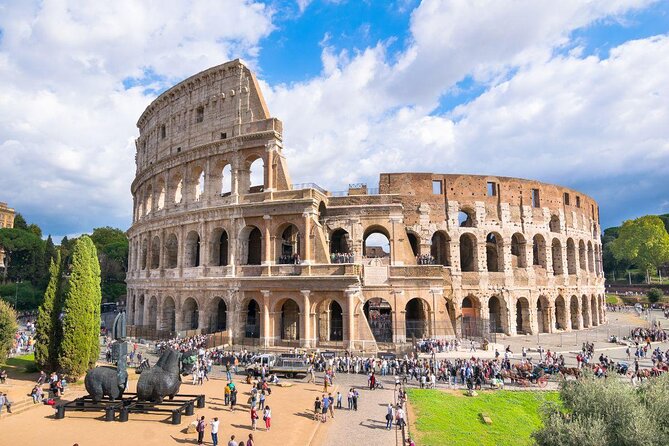
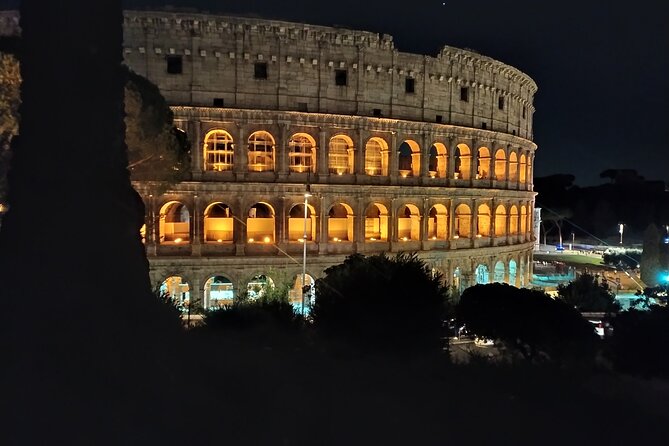
Then you reach the Colosseum at the end. You won’t enter, but you’ll get a discussion from the outside. This works well because by the time you arrive, you’ll have the context your guide built through the walk. The Colosseum stops feeling like just a landmark and starts feeling like a piece of the city’s larger story—how Rome staged power, spectacle, and public life.
Ending here is a smart move for practical reasons too. People often want to end near where transportation and onward options are easier, and wrapping up near central sights helps you keep momentum.
What the Best Guides Do (and Why You’ll Feel It)
This tour shines because the guide is the experience. Different guides show up (people mention Joseph and Drita by name), but the common thread is an upbeat style that keeps you engaged: jokes, trivia, and a pace that feels organized without feeling rigid.
Many guests also praise guides for extra suggestions after the walk—things like places to eat, coffee stops, and where to go next. That’s real value because Rome is full of similar-looking streets, and good local guidance cuts down your guesswork.
Another thing you’ll notice: guides take photos seriously. If you’re traveling as a couple or with family, that matters. A group photo at Trevi or a clean shot near the Spanish Steps can take patience, and the guide’s ability to manage crowd angles is part of why people rate this so highly.
Price and Value: Why $42.34 Feels Fair for a 3-Hour Walk
At $42.34 per person, you’re paying for an official guide, a structured route, and help turning famous landmarks into something you actually understand. Since you’re not paying monument entry fees (and you’re not entering the monuments), your money goes into guidance and time.
Think about it like this:
- You’re getting a nighttime overview of multiple “top Rome” sites in one go.
- You’re not stuck figuring out meeting points, route flow, and where to stop for photos.
- Your guide helps you prioritize what to revisit in daylight later.
If you’re trying to cover Colosseum + Trevi + Pantheon + Spanish Steps in a DIY way, it’s doable—but you’ll spend more energy planning and you may miss the timing tricks that make the stops less annoying. For most visitors, this price is a straightforward convenience fee that actually buys enjoyment.
Who This Tour Fits Best
This is a great match if you want:
- A fast, night-focused introduction to Rome’s main sights
- A guided route that helps you learn without needing an audio guide
- Photo opportunities with help navigating crowds
- A finish near Piazza di Spagna so you can keep exploring
You might want a different style of tour if:
- You only want exterior photo stops with minimal walking
- You’re hoping to go inside the monuments, because this is outside-only
For families and mixed ages, it also seems to work because it’s capped at 12 and includes a guide who keeps groups coordinated.
Should You Book This Night Walk?
Yes, if your goal is to see Rome’s headline landmarks at night and come away with direction for the rest of your trip. The combination of dramatic lighting, an efficient route, and guides who manage both information and photos is exactly what makes this kind of tour worth it.
If you’re booking late in your itinerary, it’s still useful. Even as a late decision, it can help you understand where you want to return during the day for interiors or longer wandering. Just don’t assume you’ll enter sites here.
My practical advice: book it early if you want the best payoff in planning your later days. But if timing is tight, booking anytime still gives you a satisfying evening overview of what makes Rome feel like Rome.
FAQ
How long is the Walk the Magic of Rome at Night tour?
It runs about 2 hours 30 minutes to 3 hours.
What is the price per person?
The price is $42.34 per person.
Is the tour offered in English?
Yes, it’s offered in English.
Will we enter the Colosseum or other monuments?
No. This tour does not include entry into monuments, and it’s an outside-only experience.
What’s included in the tour price?
You get an official tour guide.
What should I know about age and fitness?
The tour is for ages 11 and up. A moderate physical fitness level is recommended, since it’s a walking tour at night.
Can I get a refund if I cancel?
No. The experience is non-refundable and cannot be changed for any reason. If it’s canceled because of the minimum number of travelers not being met, you’ll be offered a different date or a full refund.