REVIEW · ROME
Vegetarian Cooking class in the Roman countryside
Book on Viator →Operated by eatwith · Bookable on Viator
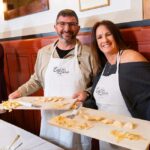
A real Italian cooking day starts with good ingredients, not a meat-heavy script. This small-group class in Zagarolo, just outside Rome, is built around vegetarian dishes from the first chop to the last bite. Led by Clacillaria, it’s all about how Italian flavor works without meat.
I especially like that this isn’t a token vegetarian menu. You’re learning the cooking logic—herbs, olive oil, vegetables, and technique—with a local host who actually grows what you’ll eat. The other big win: you get a three-course meal with wine, so you’re not just watching or tasting scraps.
One thing to plan for: the experience runs best with good weather. If conditions are poor, it can be canceled and you’ll be offered another date or a full refund, so keep that flexibility in mind.
In This Review
- Key highlights worth your attention
- Vegetarian cooking in Zagarolo: the setting is the first ingredient
- Meet Clacillaria and learn the local rhythm of cooking
- Getting there from the city without turning it into a mission
- A quick peek at the flow of the day (and what you’ll actually do)
- The garden moment: why herbs matter more than people think
- Three-course lunch with wine: the best kind of proof
- What you’ll learn: vegetarian Italian technique, not just recipes
- Small-group energy: why max 12 changes the whole class
- Price and value: what $129.12 really buys you
- Weather and comfort: the one real “watch out”
- Who should book this (and who might skip it)
- Should you book the vegetarian class near Rome?
- FAQ
- How long is the vegetarian cooking class?
- Where does the experience start?
- What time does it begin?
- Is this a small-group experience?
- Is the class vegetarian-only?
- What’s included in the price?
- Is a mobile ticket provided?
- What if I have food restrictions?
- How close is the meeting point to transport?
- What happens if the weather is bad?
- Final word
Key highlights worth your attention
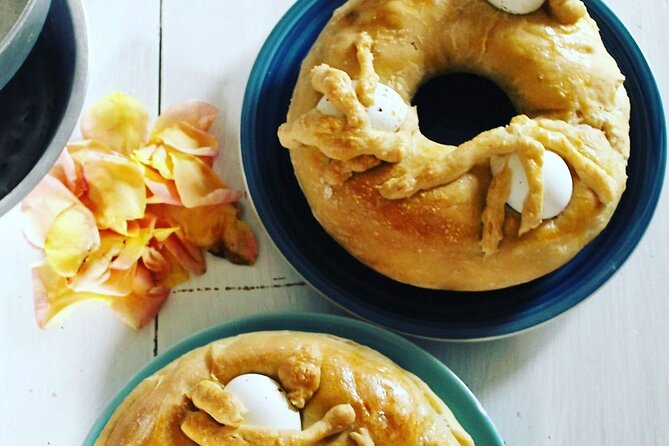
- Vegetarian-only cooking in a region where many classes sneak in meat
- Clacillaria’s garden-to-table approach with fruits and vegetables grown on-site
- Extra-virgin olive oil and local wine are part of the food story (and included at lunch)
- Small group of max 12 means questions don’t get lost
- Three-course meal with wine included, turning lessons into a real lunch
Vegetarian cooking in Zagarolo: the setting is the first ingredient
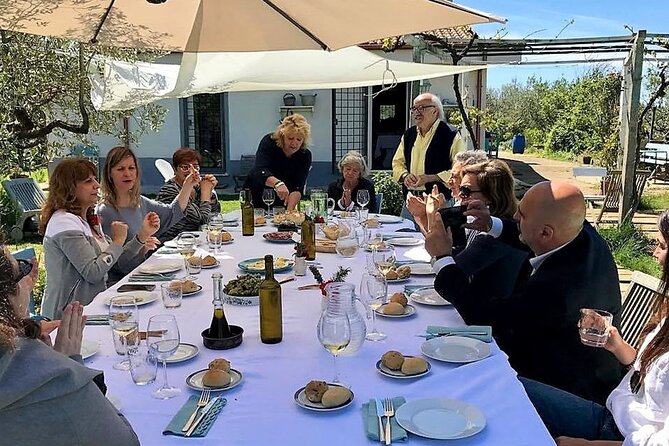
The Roman countryside has a way of making you hungry in the right way. Zagarolo is close enough to Rome for an easy day trip, but it feels far from the city buzz. That change matters. In a cooking class, you want calm focus, not racing from one landmark photo to the next.
This experience centers on vegetarian Italian cooking, and you feel that instantly. The goal isn’t just to hand you a “meatless option.” It’s to teach you dishes that stand on their own—built from vegetables, herbs, olive oil, and flavor combinations that work in real kitchens, not just in diet categories.
I also like the way the host’s background shapes the day. Clacillaria learned cooking young, with family members who passed down habits and taste, and she’s spent years turning that know-how into social meals for visitors. That’s why this doesn’t feel like a factory-class where everyone makes the same thing in silence.
You can also read our reviews of more cooking classes in Rome

Meet Clacillaria and learn the local rhythm of cooking
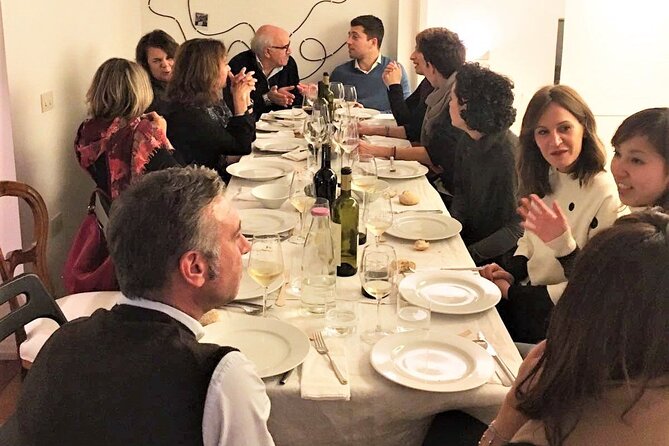
Clacillaria isn’t presented as a distant “chef on stage.” She’s described as someone who loves sharing food and its secrets. That “kitchen storytelling” tone is important because Italian cooking often lives in small decisions: what you sauté first, when to add herbs, and how long something needs before it tastes right.
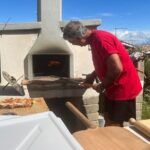
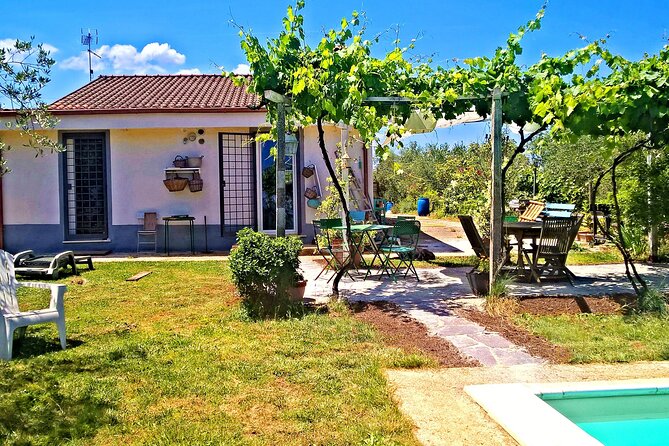
You’ll also learn that her home base is more than a backdrop. She lives in the countryside near Rome and produces extra-virgin olive oil and wine, and she grows fruit and vegetables on her land. Even without getting technical about farming, it changes how you think about flavor. Olive oil isn’t an afterthought here. It’s part of the backbone.
In one set of guest feedback, the warmth of the day is highlighted, with names like Claudia and Bruno mentioned alongside Clacillaria. That lines up with what the experience description emphasizes: a social-eating vibe, where you’re not just being processed—you’re welcomed.
Getting there from the city without turning it into a mission
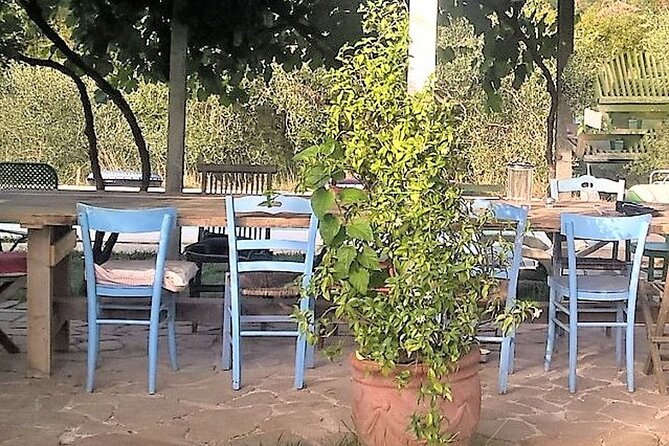
Your day starts at Via Santa Maria in Fronte, 00039 Zagarolo RM, Italy, with a 10:00 am start. The activity ends back at the meeting point. It’s designed like a self-contained day: you show up, cook, eat, then head back.
Two practical notes:
- It’s listed as near public transportation, so you’re not locked into needing a private driver.
- You’re looking at about 4 hours 30 minutes, so treat it like an anchored appointment, not something you can casually slide into your afternoon.
If you’re basing yourself in Rome (as most people are), plan your morning transit buffer. Cooking classes have their own internal clock, and arriving late usually means you’re already behind.
A quick peek at the flow of the day (and what you’ll actually do)
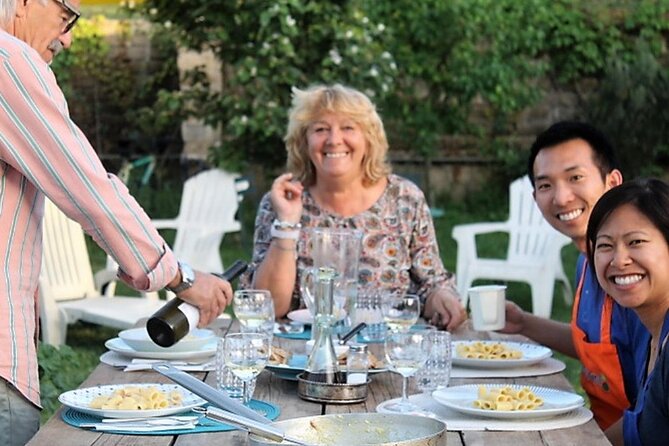
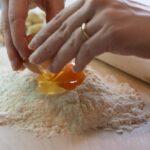
The experience doesn’t list minute-by-minute stops, but it clearly follows a classic rhythm: welcome and orientation, hands-on work, and then the meal you cooked.
Here’s what you can expect from the way the host’s story and guest feedback come together:
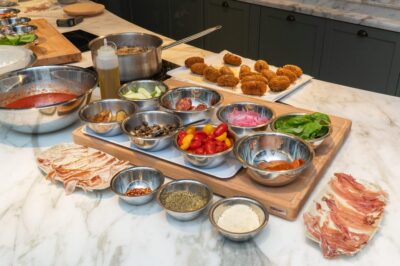
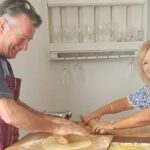
- You’ll cook with fresh produce, and at least some of it comes from the garden. One review specifically mentions fresh herbs from the garden that were picked as part of the process.
- You’ll work on a three-course menu, with cooking happening alongside the lesson.
- Wine is included with the meal, which turns the class into a real lunch, not a snack-and-photos session.
Even if the exact dishes aren’t spelled out in your details, the structure is clear: you learn and you eat the result. That’s how vegetarian cooking clicks. You don’t just memorize recipes—you taste how they should land.
The garden moment: why herbs matter more than people think
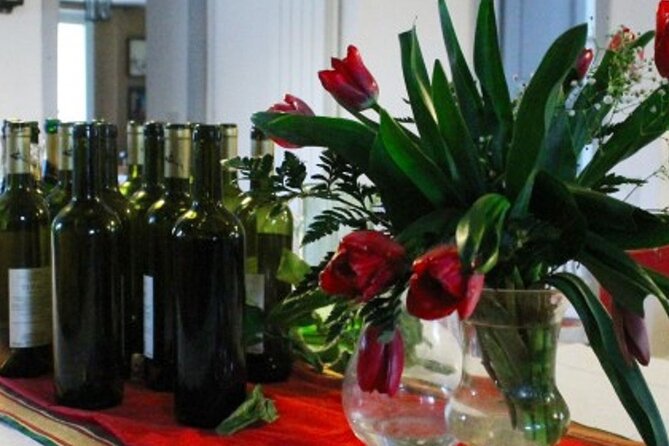
There’s something instantly satisfying about cooking with herbs you picked yourself. It’s not just a cute story. Fresh herbs behave differently than dried ones, and they change the final flavor in a way you can actually notice while cooking.
If your herbs come straight from the garden (as guests describe), you’ll get a practical lesson:
- how fragrant herbs are when they’re freshly cut
- how to use them without overpowering
- and how they balance vegetables that might otherwise taste plain
This is one of the most “chef-like” parts of the experience, even though it’s not presented like a fancy show. Herbs are small, but they make a huge difference in vegetarian cooking. Once you learn that, you’ll start applying it at home.
You can also read our reviews of more tours and experiences in Rome

Three-course lunch with wine: the best kind of proof
Many cooking classes end right as the food becomes good. Here, you get a three-course meal with wine included. That matters for two reasons.
First, it confirms the lessons. You cook, then you eat. If something needs adjustment—salt, timing, texture—you see the result immediately instead of hoping it turns out later.
Second, it’s a full lunch. You’re not doing a two-hour demo and then hungry your way through Rome. You get time to sit, talk, and enjoy what you made.
One small planning point: because wine is included, pace yourself. If you’re heading back to Rome afterward, think about how you’ll get there and whether you want to keep your head clear for the rest of your day.
What you’ll learn: vegetarian Italian technique, not just recipes
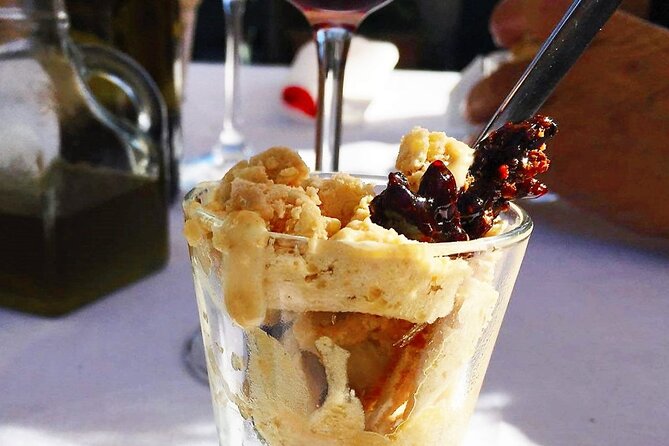
A vegetarian-focused class is valuable for a simple reason: meat-heavy classes often teach sauces and flavor builds that rely on animal ingredients. Even if you swap in vegetables, your final dish may taste less “Italian” and more like an adaptation.
This experience is designed around vegetarian dishes from the start. That means the learning targets are more relevant to you if you want to cook in a meat-free way consistently.
While specific recipes aren’t listed in your details, the underlying skill set is clear:
- Extra-virgin olive oil as a flavor engine
- Vegetable and herb technique, including fresh herbs from the garden
- Building dishes that work as a full meal, not a side dish
You’ll leave with more than a memory. You’ll have a clearer idea of how Italian cooks create depth without using meat as the shortcut.
Small-group energy: why max 12 changes the whole class
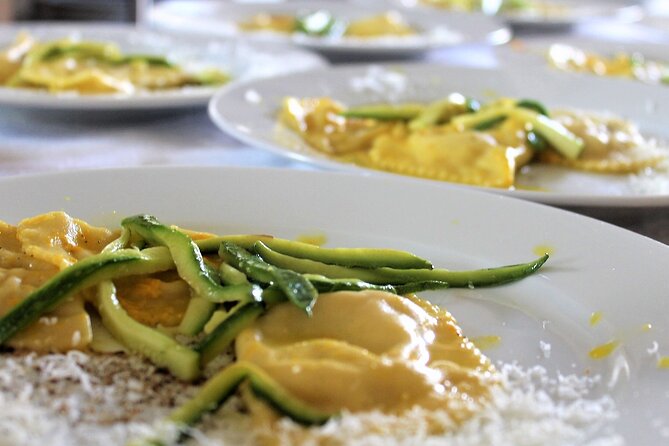
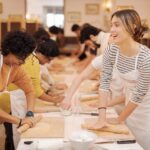
With a maximum of 12 travelers, this won’t feel like a lecture hall. That size is ideal for questions and for hands-on coaching. You can watch what you’re supposed to do, then get help when your technique is off.
It also makes the social part easier. Since Clacillaria is described as dedicated to social-eating since 2013, the class likely has a warmer tone than the typical “one station, one script” format.
If you’re the type who learns best when someone can answer a real cooking question—timing, seasoning, how to tell when something is done—this group size is a strong plus.
Price and value: what $129.12 really buys you
At $129.12 per person, the price isn’t low, but it’s not random either. You’re paying for:
- a focused vegetarian cooking class
- a local instructor hosted in the countryside near Rome
- a three-course meal
- wine included
- and a small-group format (max 12)
When you break it down, the meal + wine alone changes the value equation. You’re not just buying instruction—you’re buying a full lunch experience that’s part food, part lesson, and part local hospitality.
Also, the vegetarian focus is arguably the strongest value driver. Rome cooking classes are plentiful, but many skew toward meat and treat vegetarian diners as an exception. If you care about learning vegetarian Italian in a way that feels authentic, paying for the right fit can be worth more than hunting the cheapest option.
Weather and comfort: the one real “watch out”
This experience requires good weather. In practice, that means if conditions are poor, it may be canceled. The good news is you’ll be offered another date or a full refund if it’s canceled due to weather.
So if you’re booking during a volatile stretch, keep your schedule flexible. And bring basic comfort items: closed-toe shoes for time outside, and a light layer in case the countryside feels cooler than central Rome.
Who should book this (and who might skip it)
This class is a great match if you:
- want a vegetarian-only Italian cooking day
- enjoy hands-on cooking more than watching
- like the idea of a countryside host, a garden connection, and a sit-down lunch
- prefer small groups and personal attention
You might consider skipping if:
- you strongly dislike cooking or prefer purely sightseeing days
- you don’t want alcohol involved at lunch (wine is included)
- your travel dates are fixed and you can’t handle a potential weather-based reschedule
Should you book the vegetarian class near Rome?
I’d book this if your goal is to leave Rome with real vegetarian cooking confidence, not just a cookbook souvenir. The combination of vegetarian focus, a local instructor, garden-grown produce, and a three-course meal with wine makes it feel like a complete day—not a short demo.
The main reason not to book is weather risk. If your schedule can absorb a change, you’re set up for a genuinely satisfying Roman countryside experience.
FAQ
How long is the vegetarian cooking class?
It lasts about 4 hours 30 minutes.
Where does the experience start?
It starts at Via Santa Maria in Fronte, 00039 Zagarolo RM, Italy.
What time does it begin?
The start time is 10:00 am.
Is this a small-group experience?
Yes. The maximum group size is 12 travelers.
Is the class vegetarian-only?
The experience focuses entirely on vegetarian dishes and is designed for vegetarian cooking.
What’s included in the price?
A three-course meal with wine is included, along with the cooking class.
Is a mobile ticket provided?
Yes, the experience includes a mobile ticket.
What if I have food restrictions?
You need to communicate any allergy or special diet requirements.
How close is the meeting point to transport?
The meeting point is listed as being near public transportation.
What happens if the weather is bad?
The experience requires good weather. If it’s canceled due to poor weather, you’ll be offered another date or a full refund.
Final word
If you’re craving an authentic Italian cooking day that actually respects vegetarian eating, this one is a strong fit. You get the lesson, you get the lunch, and you leave with a clearer idea of how Italian flavors work without meat.