REVIEW · ROME
Rome: Underground Temples and Crucifixion Relics Walking Tour
Book on Viator →Operated by TOURIKS · Bookable on Viator
Rome goes underground here. You’ll walk from the Basilica of San Clemente down through underground layers of worship, where pagan spaces, early Christianity, mosaics, and even an underground river all sit under your feet. The payoff is huge—but this tour also includes time in tight, subterranean spaces, so it’s not a great match if you’re worried about enclosed areas.
My favorite part is how the tour shifts from archaeology to devotion without feeling like a history lecture. You’ll see relics and sacred sites tied to Constantine, St. Helena, and the Passion story, with stops like Santa Croce in Gerusalemme that turn big claims into up-close objects. And yes, guides such as Mario, Francesca, and Daniel are often praised for making it understandable and moving at a good pace for a small group.
In This Review
- Key Things You’ll Notice on This Walking Tour
- San Clemente’s Underground Layers: Pagan Temple Meets Early Christianity
- The Walk to Lateran: Rome’s Cathedral and Constantine’s Turning Point
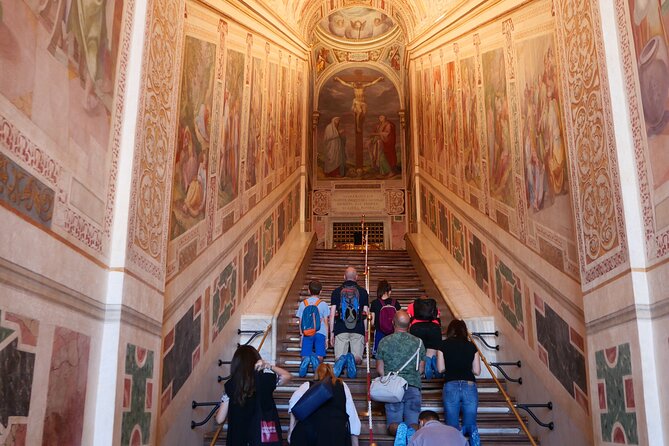
- Scala Santa: St. Helena, Jerusalem, and the Holy Stairs
- Santa Croce in Gerusalemme: Earth From the Holy Land and Passion Relics
- Optional Extra: Saint Mary Major’s Mosaics and Sacred Relics
- Group Size, Headsets, and Why the Price Can Make Sense
- Pacing and Practical Tips for a Smooth Day
- Who Should Book This Tour (and Who Might Skip It)
- Should You Book Rome Underground Temples and Crucifixion Relics?
- FAQ
- How long is the Rome Underground Temples and Crucifixion Relics walking tour?
- What does the price include?
- Where does the tour start and end?
- Is there a dress code for church entrances?
- Is this tour suitable for people with claustrophobia?
- What happens if areas of a church are closed or if the weather is bad?
Key Things You’ll Notice on This Walking Tour
- San Clemente’s three layers: pagan ruins and early Christian mosaics in one site
- Small group size (max 10): easier questions and a more personal pace
- Headsets included: you can hear the guide clearly while moving and standing
- Crucifixion relics at Santa Croce: nails, wood pieces, and Passion thorns
- Scala Santa connection: St. Helena’s relic story tied to the Holy Stairs
- Optional stop at Saint Mary Major: mosaics and sacred art if you want more
San Clemente’s Underground Layers: Pagan Temple Meets Early Christianity
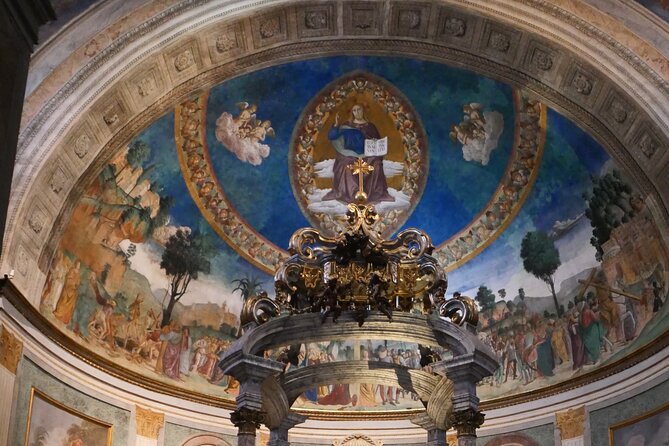
The tour starts at Piazza di San Clemente, and the first big moment is heading into Basilica di San Clemente—because the main church is not the only story here. What you’re really doing is walking through time at different levels. You go down and you keep going down, with layers of earlier monuments built on top of older ones.
This is where I like the tour’s structure most: it doesn’t just say early Christianity happened. It shows how it happened in space—how worship changed, how communities adapted old buildings, and how symbols traveled across centuries.
Expect a guided look at:
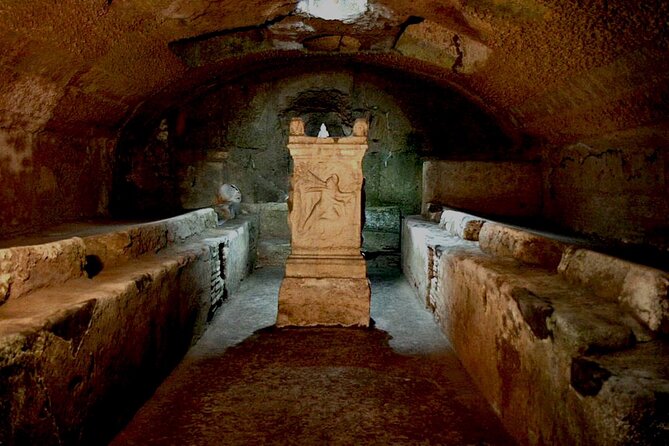
- pagan cult spaces and early Christian use of the area
- ancient mosaics and the scenes they portray
- the Temple of Mithras, one of the best preserved in Rome
- the underground river that runs below the streets and below the Colosseum area
There’s also a practical comfort to the visit. Because the group size is capped at 10, the guide can keep everyone oriented while you’re moving between levels. You’ll feel less like you’re herded and more like you’re being shown a hard-to-find story.
Time note: this is the longest stop at about 1 hour 15 minutes, and it’s where most of your patience and good shoes pay off.
Possible drawback? Plan for a lot of stairs and standing underground. The tour is not advertised as leisurely, and if you don’t like enclosed spaces, you’ll want to think twice.
You can also read our reviews of more walking tours in Rome

The Walk to Lateran: Rome’s Cathedral and Constantine’s Turning Point
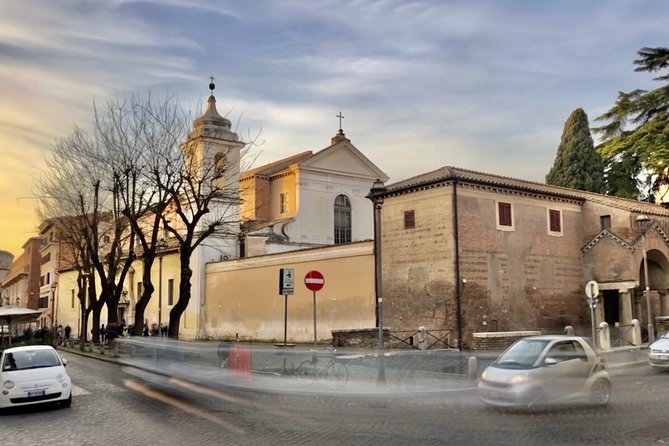
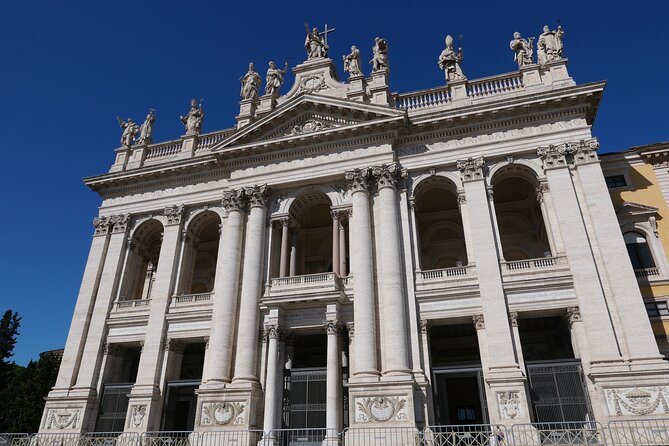
After the underground part, the tour moves back to street level and into the bigger scale of Rome’s church power center: the Arcibasilica di San Giovanni in Laterano (St. John Lateran).
This stop is shorter—about 30 minutes—but it’s a smart contrast. You go from stacked centuries underground to a cathedral setting that makes the shift from persecuted communities to legalized Christianity feel real.
You’ll hear why this basilica is known as the Mother and head of all churches on Earth. You’ll also take in:
- the golden interior
- ancient frescoes
- the role of Emperor Constantine and the moment Christianity was legalized in 313
Even if you’ve visited big Roman churches before, I like this stop because the guide ties it to what you just saw at San Clemente. It’s the same city, different eras, and the tour helps you connect the dots.
Dress code still matters here, so bring planning in your bag: shoulders and knees covered for entering churches.
Scala Santa: St. Helena, Jerusalem, and the Holy Stairs
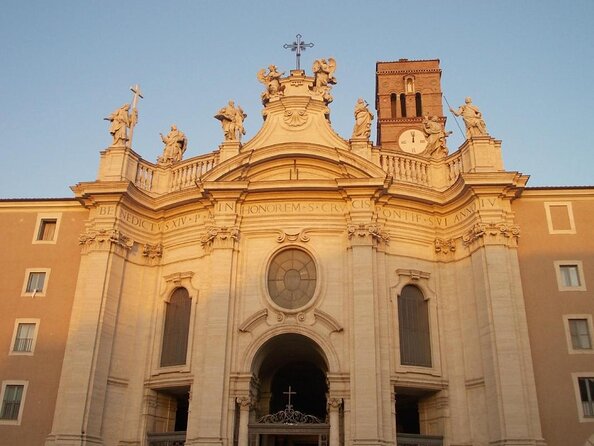
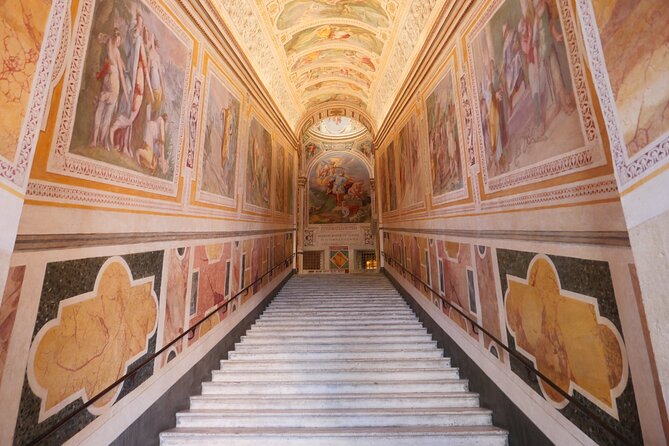
Next comes the Pontifical Sanctuary of the Holy Stairs, one of those Roman places that mixes history with living devotion.
You’ll learn about St. Helena, the emperor’s mother, and her pilgrimage to Jerusalem to recover artifacts connected to early Christian sacred history. The tour explains how some of these relics were safeguarded through the early underground church in the Holy Land.
Then you’re there for the main icon: the Holy Stairs, described here as the original stairs of the praetorium where Jesus is said to have been at his judgment.
This stop is about 15 minutes. That short timing can feel quick, but it usually works because:
- you’re often already tired from the earlier stair climbing
- the site is visually clear, so the guide focuses your attention
- it’s easy to choose quiet time for reflection without needing a long lecture
If you like devotional sites, you’ll probably notice people treating the space with extra care. If you don’t, it’s still worth it as a window into how Roman Christianity developed rituals around sacred geography.
Santa Croce in Gerusalemme: Earth From the Holy Land and Passion Relics
Now you walk to Basilica di Santa Croce in Gerusalemme, and this is where the tour becomes very tangible. The basilica is built with earth brought from the Holy Land—so the building itself carries a physical connection to the places behind the Passion story.
You’ll see relics tied to key events and objects, including:
- a nail from the Crucifixion
- a walnut board associated with Pontius Pilate
- wood pieces said to be from the Cross Jesus was crucified on
- fragments said to be from the cave of the nativity in Bethlehem
- two thorns from the crown of the Passion
When the guide talks about relics, I think the tour does one thing especially well: it frames the objects as part of a belief system, not just museum inventory. Whether you’re religious, curious, or both, it helps you understand why these items draw people from all over.
Time note: the stop is about 30 minutes, and in that window you can usually take photos of the setting (where allowed) and still listen well.
Optional Extra: Saint Mary Major’s Mosaics and Sacred Relics
The last option is Pap al Basilica of Saint Mary Major. This is offered as an extension, roughly 1 hour, and it’s included if you choose to stay.
If you have the energy, this is a good add because it expands the tour’s focus from underground and Passion relics into major art and church importance over time. The pitch is simple and useful: stunning mosaics and sacred relics that show why the site matters in Christian history.
This extra stop can also be a smart way to balance the day. Early Christianity is the theme, but Roman basilicas are also about art, craftsmanship, and how ideas got turned into visuals people could share.
If you’re already pushing through heat and stairs, you may want to skip it. The tour’s core story lands strongly even without the final basilica.






Group Size, Headsets, and Why the Price Can Make Sense
Let’s talk value, because $90.51 isn’t pocket change. For a walking tour, the question is what you’re buying besides a guide’s voice.
Here’s what’s included:
- a live professional guide
- headsets so you can hear clearly
- entrance fees and all fees and taxes
Add those up and you’re not just paying for interpretation; you’re paying to get access and time inside key spaces. Also, this tour runs with a maximum of 10 travelers, so you’re not squeezed into a giant cluster where you can’t hear and the guide can’t adapt.
There’s also the guide-quality factor. Reviews often credit guides like Mario, Kiara, Daniel, Francesca, Paul, and Tom for clear explanations and respectful handling of sacred places. You can’t guarantee any one guide, but it’s a sign the tour operator takes guiding seriously.
The big consideration: pace and physical effort. Even with short visits at some stops, you’re still walking between churches and doing a fair amount of standing. One guest summary said the walking felt heavy, with the churches generally a few blocks apart. So I’d plan on a day that includes real movement, not casual browsing.
Pacing and Practical Tips for a Smooth Day
This tour hits multiple sites in a tight window (about 2 hours 30 minutes to 3 hours 30 minutes). That range usually depends on timing inside churches and whether any areas are closed.
A helpful detail: if parts of a church can’t be visited, your guide will adapt by highlighting alternative sites while keeping the overall duration unchanged.
Before you go, I’d treat this like a “church + archaeology workout” day:
- Wear comfortable walking shoes. You’ll want traction and comfort for stairs and uneven underground areas.
- Bring water, especially if you’re touring in warm weather. The tour includes lots of outdoor walking between stops.
- Cover shoulders and knees to enter churches. This is not optional.
- Bring patience for staircases, especially at San Clemente and around the Holy Stairs area.
- Don’t plan a late-night sprint after. You’ll likely feel it in your legs.
If you’re claustrophobic, take that seriously. The underground portion is a core feature, not a bonus.
Who Should Book This Tour (and Who Might Skip It)
This is a strong choice if you:
- like early Christian history, Roman archaeology, or how different eras overlap in one city
- want a guided walkthrough that turns relics and symbols into context
- prefer small groups with headsets
- have already seen major Rome landmarks and want something less obvious
It may not be ideal if you:
- need a very relaxed pace with frequent sit-down breaks
- dislike enclosed underground spaces
- want a freeform itinerary with lots of wandering time on your own
- are traveling with limited stamina for stairs and standing
One more gentle point: if you’re the type who loves your photos, the tour’s speed can limit how long you want at each visual spot. The guide manages time well, but this isn’t a slow art gallery day.
Should You Book Rome Underground Temples and Crucifixion Relics?
If your interest includes Christianity’s early centuries—or you simply love the idea of seeing Rome’s layers stacked like a time machine—this tour is worth serious consideration. The San Clemente underground visit is the anchor, and the later stops add meaning by connecting sacred objects and sites to the broader story.
Book it if you want structure: you get guide-led explanations, included entrance fees, and headsets that make it easier to hear in busy church spaces. Skip it if you’re craving a leisurely stroll or you know you struggle with underground/contained areas.
Bottom line: for the price, you’re paying for access, time, and interpretation in places most visitors can’t experience properly on their own in a short window—especially when the group stays small and the guide keeps everyone on track.
FAQ
How long is the Rome Underground Temples and Crucifixion Relics walking tour?
The tour runs about 2 hours 30 minutes to 3 hours 30 minutes.
What does the price include?
The price includes a live professional guide, headsets, entrance fees, and all fees and taxes.
Where does the tour start and end?
It starts at Piazza di San Clemente (Piazza di S. Clemente, 00184 Roma) and ends at Basilica di Santa Croce in Gerusalemme (Piazza di S. Croce in Gerusalemme, 10, 00185 Roma).
Is there a dress code for church entrances?
Yes. You’ll need shoulders and knees covered to enter the churches.
Is this tour suitable for people with claustrophobia?
No. It is not recommended for people with claustrophobia.
What happens if areas of a church are closed or if the weather is bad?
If areas are closed, your guide will adapt the itinerary by highlighting alternative sites so the overall duration remains unchanged. If canceled due to poor weather, you’ll be offered an alternative date or a full refund.