REVIEW · ROME
Rome: St Paul Outside the Walls, Mamertine Prison, 3 Fontane Tour
Book on Viator →Operated by Eyes of Rome · Bookable on Viator
Three St. Paul stops, no tourist-trap stress. This 3.5-hour private route links the apostle’s three sites in a real pilgrimage chain, guided by a professional who connects Roman streets to early Christian stories. I like the hotel-to-hotel pickup and private car, so you cover ground without turning the day into a leg workout.
I also love that you see the places tied to Paul’s imprisonment, suffering, and burial tradition: San Paolo Fuori le Mura over the apostle’s tomb, Tre Fontane’s monastery and the spring legend, and Carcer Tullianum, Rome’s ancient prison. One drawback to factor in is the price of $536.13 per person for a private tour, which only feels like a win if this theme matters a lot to you and you want a dedicated guide.
In This Review
- Key highlights to know before you go
- A St. Paul tour that beats DIY in Rome
- San Paolo Fuori le Mura: the basilica over Paul’s tomb
- Tre Fontane Abbey: three springs and a quiet monastery pause
- Carcer Tullianum: Rome’s oldest prison stop
- The private transfers part: where the money goes
- Price and value: is $536.13 per person worth it?
- What your guide can do with these three sites
- Timing, dress code, and when plans can shift
- Who this tour is best for
- Should you book this St. Paul Outside the Walls tour?
- FAQ
- Will I be picked up from my hotel?
- Are tickets included for all three stops?
- What is the tour length?
- Is this tour private?
- Do I need the right clothing for churches?
- Can I cancel for a refund?
Key highlights to know before you go
- Private pickup within the Aurelian Walls keeps the start easy and on-time
- Licensed English guide who can answer questions about Paul and early Christianity
- San Paolo Fuori le Mura: a major basilica tradition-placed over Paul’s tomb
- Abbazia delle Tre Fontane: the monastery tied to the story of three springs
- Carcer Tullianum: the prison where Paul and Peter were held, with a baptism-water legend
- Carcer Tullianum ticket included, while other stops are listed as free-entry
A St. Paul tour that beats DIY in Rome
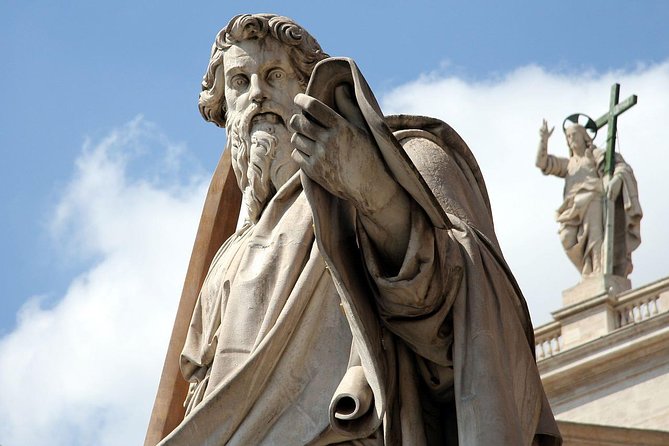
Rome is not a city built for slow religious scavenger hunts. Even if you like independent travel, getting between the right churches and ruins can turn into time lost in traffic, awkward parking, and dead ends. This tour makes the day feel like a connected pilgrimage, not three separate errands.
I also appreciate the rhythm. You hit a major basilica first, then a quiet monastery site, then Rome’s oldest prison. That order gives your guide a natural path to explain how Paul’s story moved through the city and what people believed afterward.
Finally, you’re not stuck playing map roulette. With a private driver at your disposal and a guided route, you keep your attention on the meaning of the places, not on where to stand or which door to try.
You can also read our reviews of more tours and experiences in Rome.



San Paolo Fuori le Mura: the basilica over Paul’s tomb
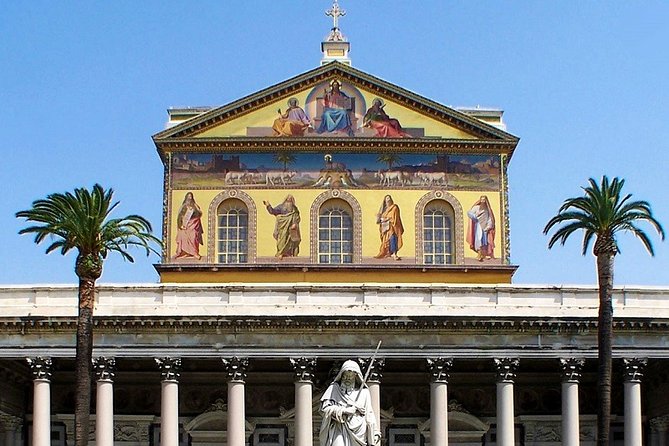
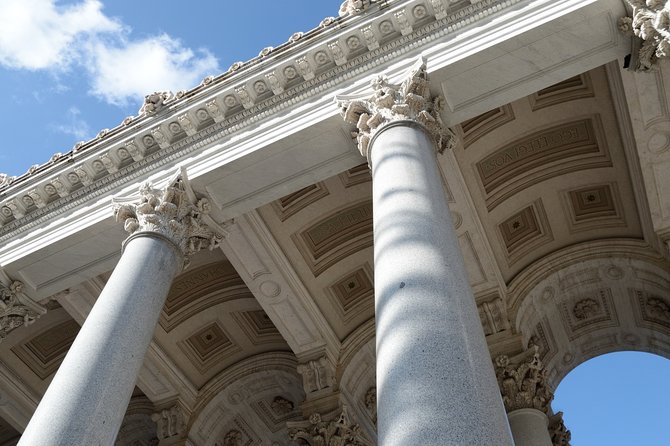
Your tour starts at Basilica Papale di San Paolo Fuori le Mura, one of the four major basilicas of Roman Catholic tradition. The key draw here is simple: the church is believed to sit over the apostle’s tomb, not far from the traditional place associated with his martyrdom. Your guide is there to help you look past the big architecture and focus on what this site represents in the Christian story.
This stop is listed at about one hour, and the admission ticket is free. That matters because it keeps the tour feeling focused. You’re paying for interpretation and logistics more than for attraction add-ons.
Two things to pay attention to as you arrive:
- Expect a place where people come to pray, not just to take photos.
- Dress for worship. This is one of the places where your knees and shoulders must be covered, and no shorts or sleeveless tops can be a problem.
If you’re the type who likes asking questions, this is a great opening moment. Many guides on this route are praised for answering follow-ups instead of cutting you off, so don’t be shy.
Tre Fontane Abbey: three springs and a quiet monastery pause
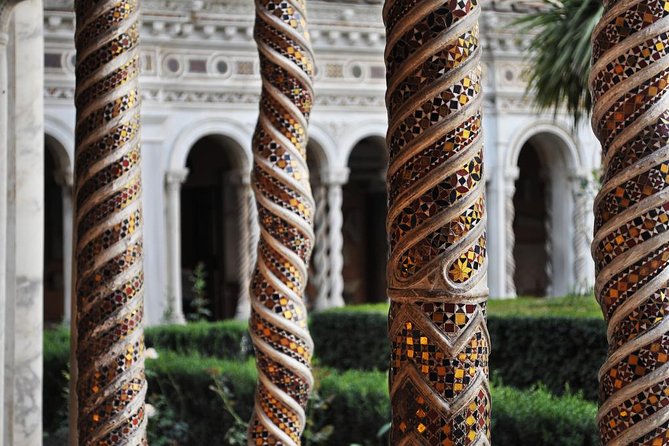
Next comes Abbazia delle Tre Fontane, a monastery that feels calmer than you’d expect in a big Roman neighborhood. Here the storytelling turns physical. Christian tradition says Paul was sentenced to death, and when he was beheaded, his head bounced three times, creating three springs of water. At the sanctuary, you’ll see those three spring points that are still part of the living tradition of the site.
This stop runs about 40 minutes, and admission is free. You’re not getting an all-day museum experience here. You’re getting a pause. It’s the kind of place where even if you’re not swept up by the legend, you can still sense why pilgrims keep returning: it’s calm, specific, and tied directly to a story people repeat.
One practical tip: because it’s a monastery environment, keep your voice low and your expectations realistic. This is less about big crowds and more about respect for a sacred space. Your guide should help you slow down and understand why.
If you want a religious guide style that feels thoughtful and warm, names like Rosie and Azzurra show up in the guide praise for this route, especially for guiding people through both history and personal meaning.
Carcer Tullianum: Rome’s oldest prison stop
The final stop is Carcer Tullianum, Rome’s oldest prison. This is the most dramatic part of the route because the setting is tied to real suffering in Christian tradition: Paul and Peter were held there for months. There’s also a legend connected to water appearing so guards could be baptized, which is the kind of story that makes your guide’s job important. You’re not just looking at stone, you’re learning what early Christians later believed about events like these.
This stop is listed at about 40 minutes, and the prison entrance ticket is included. That inclusion is a good value detail. It means you’re not juggling extra payments or ticket steps for the most ticketed-feeling site on the itinerary.
What makes this prison stop work in a guided format is context. Without a guide, it can be easy to see the structure and miss the layers: how later accounts shaped worship, and how Roman political realities intersected with early Christian life. The best guides on this route do exactly that, often described as strong at placing events into the city’s environment rather than tossing facts at you.
The private transfers part: where the money goes
Rome walking is not always your friend. You might think three stops are close, but in practice the city is full of detours, traffic, and uneven routes. This is why the private driver is more than a comfort perk. It’s what keeps the day coherent.
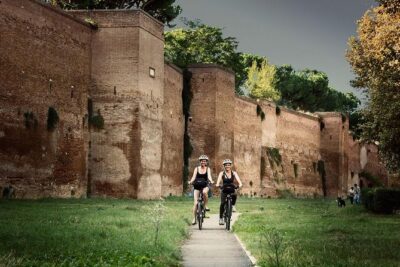
You also get pickup from your hotel lobby if you’re within the area covered (centrally located hotels within the Aurelian Walls). If you’re staying in that ring, you’ll feel less like you’re “arriving at sights” and more like you’re being transported between meaningful points.
Tour duration is about 3 hours 30 minutes. That’s long enough for real explanation at each stop, but short enough to avoid fatigue if you can handle modest walking and time in lines when they happen.
You should plan for moderate physical fitness. Even if you’re not doing long hikes, you will be standing, walking small distances, and moving between sites.






Price and value: is $536.13 per person worth it?
Let’s talk straight: $536.13 per person is not a budget impulse buy. This price is basically paying for four things:
- A private tour (only your group)
- A professional licensed guide
- A private driver to move you efficiently
- Admission inclusion for Carcer Tullianum
If you were trying to do this yourself, the savings might look tempting. But DIY has hidden costs in time and energy. Rome’s messiness is real, and it can interrupt your attention when you want a focused theme like Paul’s life.
Where the tour justifies itself best is if you fit one or more of these:
- You care about early Christianity and want the narrative tied to place.
- You like asking questions and want a guide who will answer in plain terms.
- You prefer not to stress about routes and logistics across three sites.
That said, there’s one important caution from the tour’s mixed feedback: if you’re expecting a strictly biblical-only approach, you may feel disappointed if a guide explains tradition and history in ways that don’t match your personal expectations. In other words, the tour is built around pilgrimage places plus interpretation. It’s not a single-style lecture.
What your guide can do with these three sites
The strongest part of this tour is the human element: the guide. In the praise you can feel a pattern. People mention guides who are eager to answer questions and who connect the sites into a story instead of treating each location like a checklist.
Some guide names that have stood out in the experience details include:
- Simone: praised for deep passion and helping clarify questions for a researcher.
- Rosie: praised for being thoughtful, kind, and moving in how the tour flows from prison to death traditions and burial.
- Renata: praised for professionalism and depth of knowledge.
- Gianluca (also referenced in one place as John Luke): praised for making Paul and Peter feel real in the city.
- Mirta and Katie: praised for being energetic, strong with English, and great at handling questions without rushing.
Here’s how you can use that strength. Before or during the tour, ask questions that force the guide to interpret. For example:
- How does this site fit into what people later believed about Paul?
- What parts are historical, and what parts come from tradition?
- How does the Roman setting matter for understanding Paul’s final years?
If your tour guide is good (and the majority of feedback is strongly positive), these questions turn a church visit into a real learning moment.
Timing, dress code, and when plans can shift
This tour includes a few practical rules that you’ll want to treat seriously.
Dress code: For places of worship and selected museums, no shorts or sleeveless tops. Knees and shoulders MUST be covered for both men and women. If you ignore this, entry refusal is a real risk, and you don’t want your day derailed at a critical stop.
Timing and order: The tour runs in a set total time, but the order of sites can vary depending on opening hours and ceremonies. Also, during special moments in the city, some sites can be closed or under restoration due to large celebrations. The tour notes that you should watch for messages that may explain changes.
Mobile ticket: You’ll have a mobile ticket. Bring your phone with enough battery, and keep it ready.
Who this tour is best for
This works especially well for:
- People who want a Christian-themed pilgrimage route without doing heavy logistics.
- Couples or small groups who want quiet focus instead of juggling crowd navigation.
- Travelers who like the “meaning of place” side of Rome, not just the big art-and-archaeology circuit.
If you’re traveling with someone who reads scripture closely, this can land well. The site-based storytelling makes familiar parts of Paul’s journey feel grounded in the city.
If you only want generic highlights of Rome, you might find this too focused. But if Paul’s story is your theme, it’s a sharp choice.
Should you book this St. Paul Outside the Walls tour?
Book it if you want a private, guided pilgrimage route that connects Paul’s tomb tradition, the Tre Fontane springs story, and Carcer Tullianum prison into one coherent morning. The private driver is a big deal in Rome, and the guide-led interpretation is where most of the value lives.
Think twice if you’re budget-focused, hate paying for exclusivity, or only want a very specific style of religious explanation. At this price, you want to feel confident that you’ll enjoy the blend of tradition and context.
If those points fit you, this is one of the more intentional ways to experience Rome for Christians and history lovers alike.
FAQ
Will I be picked up from my hotel?
Yes. You meet your guide at the lobby of your hotel or accommodation, and pickup is provided from centrally located hotels within the Aurelian Walls.
Are tickets included for all three stops?
Mamertine Prison (Carcer Tullianum) entrance is included. The tour lists admission for Basilica Papale di San Paolo Fuori le Mura and Abbazia Delle Tre Fontane as free.
What is the tour length?
It runs for about 3 hours 30 minutes.
Is this tour private?
Yes. It’s a private tour/activity, and only your group participates.
Do I need the right clothing for churches?
Yes. A dress code is required: no shorts or sleeveless tops. Knees and shoulders must be covered for both men and women.
Can I cancel for a refund?
You can cancel for a full refund up to 24 hours in advance of the experience start time. If you cancel less than 24 hours before, the amount paid is not refunded.