REVIEW · ROME
Rome: Pizza & Tiramisu Making Class
Book on GetYourGuide →Operated by Cavason Ltd · Bookable on GetYourGuide
Pizza lessons beat another museum day. Near Piazza Navona, you learn Rome’s classics—pizza and tiramisu—with an expert chef and a small group vibe that feels more like a friendly cooking table than a tourist show.
I love two things most: the workstation for every participant, so you actually get your hands on the dough, and the included glass of wine or limoncello that turns your hard work into a proper lunch-or-dinner moment.
One thing to consider: this is a shared class, so you’ll want to arrive on time and be ready to work at the same pace as everyone else. Also, there’s no pickup or drop-off—you’re on your own to get to the meeting point.
In This Review
- Key Things You’ll Notice Right Away
- Why Rome’s Pizza and Tiramisu Class Feels Worth It
- Getting There: Piazza Navona Start Point in Real Life
- What the 2-Hour Cooking Block (and the Extra Eating Time) Means
- Pizza Making Lesson: Turning Dough Into Your Own Roman Slice
- Tiramisu Workshop: The Dessert That Teaches Patience
- The Meal Experience: Wine or Limoncello, Water, and Coffee Included
- Small Group Limit of 7: How That Impacts Your Learning
- Atmosphere and the Chef Factor: Kind Guidance Helps
- Who This Class Is Best For (and Who Should Skip It)
- Price and Value: What You’re Really Paying For
- Practical Tips Before You Go
- Should You Book This Rome Pizza and Tiramisu Class?
- FAQ
- How long is the Rome Pizza and Tiramisu class?
- Where is the meeting point?
- Is pickup or drop-off included?
- How many people are in the group?
- What language is the class taught in?
- What will I make during the class?
- What drinks and extras are included?
- Is it suitable for infants or very elderly guests?
- Can I cancel for a refund?
Key Things You’ll Notice Right Away
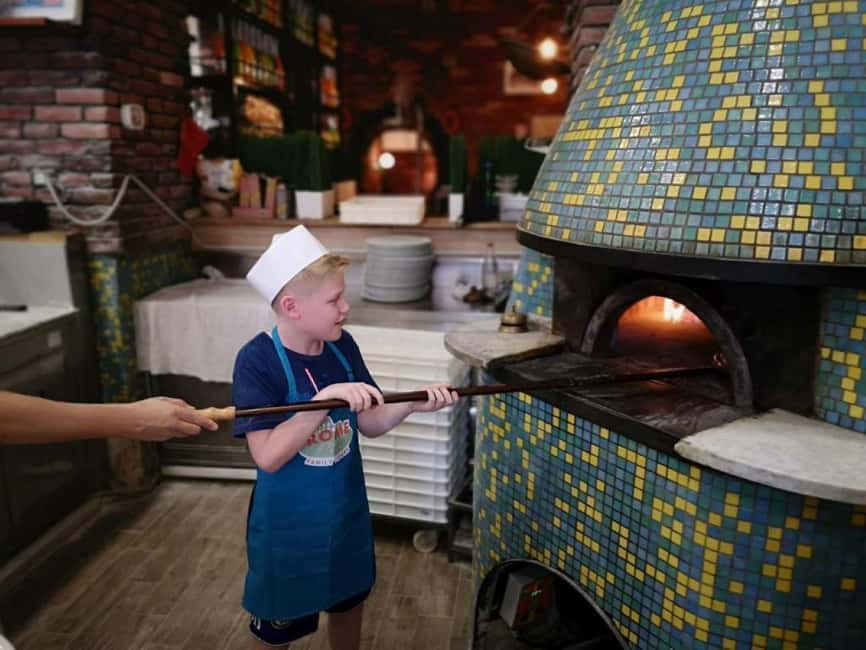
- Meeting point near Piazza Navona: easy to reach on foot once you get your bearings in central Rome.
- Small group limited to 7: more attention from the chef, less waiting around.
- Your own station: hands-on work instead of watching someone else cook.
- Pizza plus tiramisu, not just one: you leave with two Italian staples under your belt.
- Included drinks and coffee: a light upgrade that makes the meal feel complete.
- Punctual start matters: shared timing helps the class run smoothly for everyone.
Why Rome’s Pizza and Tiramisu Class Feels Worth It
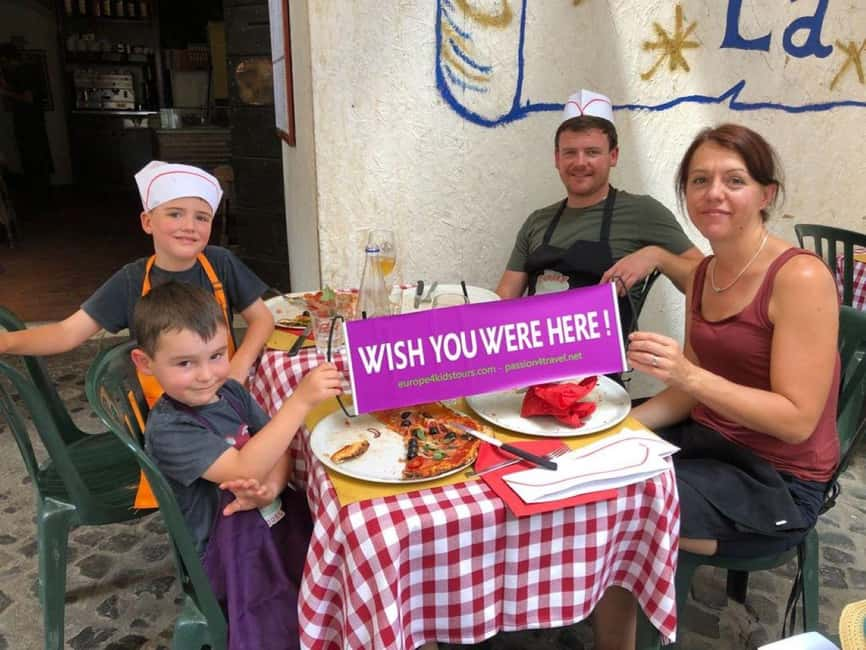
Rome can be a food overload in the best way. You walk past gelato, you smell roasted things, and suddenly every street looks edible. This class is a different lane. Instead of buying and tasting, you create. That shift is what makes the experience stick.
I like that the focus is practical. You’re not just collecting photos. You’re learning how dough behaves, how your hands move, and how tiramisu turns from separate ingredients into a dessert that slices cleanly and holds shape. Once you do it yourself, you start noticing details when you eat later—texture, structure, and balance.
The setup helps. With a station for each participant and a group size capped at seven, you’re more likely to get real feedback rather than vague instructions. And the mood matters, too. In the small amount of firsthand feedback tied to this experience, the chef is described as both expert and kind, and that combination usually means less stress and more learning.
You can also read our reviews of more cooking classes in Rome

Getting There: Piazza Navona Start Point in Real Life
You’ll meet near Piazza Navona (Navona Square). That’s a huge plus because it’s central and easy to connect to by foot. You won’t need to plan a special transfer or figure out a complicated pickup situation.
There is no pickup or drop-off included, though. So give yourself a little buffer. Rome streets can slow you down—curbs, cobbles, and detours. If you arrive late, you risk disrupting the flow for the whole shared group, which is why punctuality is requested.
If you’re pairing this with sightseeing, I suggest treating it like an anchor stop. Plan to be in the Piazza Navona area first, then do the class, then let dinner fall into place after. The timing is built around eating your creations.
What the 2-Hour Cooking Block (and the Extra Eating Time) Means
The class is listed at 2 hours, and the full course plus eating time is noted as 2.5 hours. In plain terms: you’ll cook, you’ll eat what you make, and you won’t feel rushed at the table.
That extra eating time is part of the value. Lots of cooking classes teach technique, but you never fully get to appreciate what you made while it’s fresh and at the right serving moment. Here, the schedule includes time to enjoy your pizza for lunch or dinner, then your tiramisu after your work.
The best way to think about the timeline is: do the work first, then enjoy the payoff as an actual meal. It turns the class from a skill session into a Roman food moment you can savor.
Pizza Making Lesson: Turning Dough Into Your Own Roman Slice
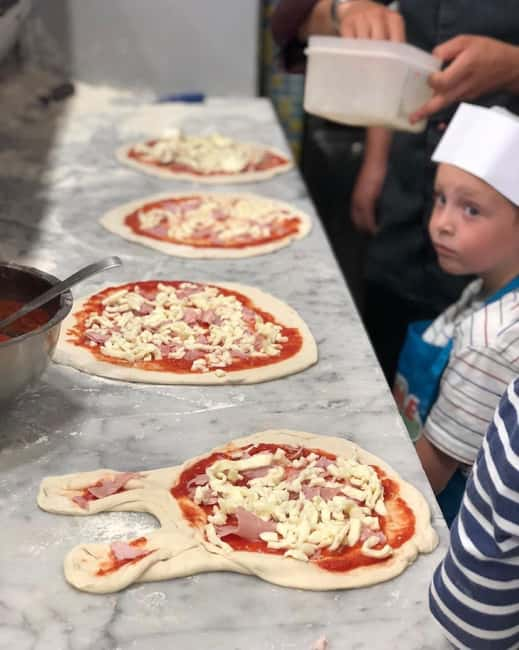
Pizza in Rome isn’t just about toppings. It’s about the dough, the handling, and the rhythm. In this class, you get lessons focused on creating your own pizza as locals do—so you’re learning process, not just final appearance.
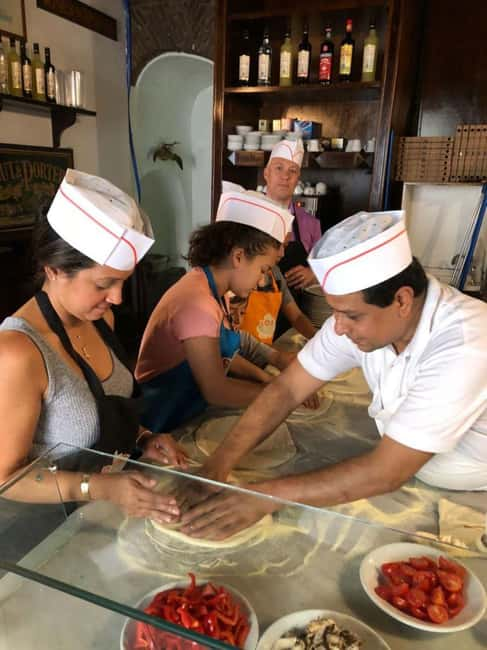
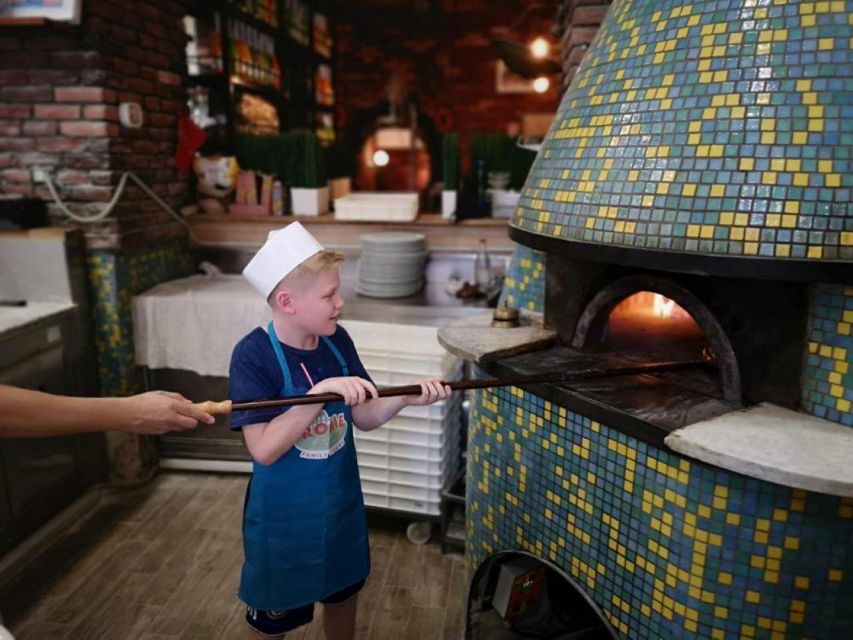
Because there’s a workstation for each participant, you’re not stuck watching. You’ll have your own setup to work with while the chef guides the steps. That matters for beginners. Pizza dough teaches you through touch. If you only half-participate, it’s easy to miss how the dough should feel.
Here’s the practical takeaway you’ll likely notice while cooking: timing and pressure matter. You can’t force dough into behaving; it responds to how you treat it and how you wait between steps. When you eat your pizza later, you’ll recognize that difference. The crust won’t just taste good—it’ll make sense.
Also, Rome’s pizza culture often emphasizes simplicity. The flavor comes from ingredients and technique. Even if you add toppings later in your life, you’ll remember what proper dough handling feels like.
Tiramisu Workshop: The Dessert That Teaches Patience
Tiramisu is the dessert people order everywhere, but most people never think about what it requires. In this class, you’ll do the work yourself and get instruction while you build it.
Tiramisu is a good second lesson because it balances the day. Pizza asks for movement and technique. Tiramisu asks for control—how you mix, how you layer, and how careful you are with texture. When you build it from scratch, you see why tiramisu can go wrong when the layers get sloppy or the ingredients aren’t handled with consistency.
Another thing I like about learning tiramisu in Rome is that it’s not just a sweet ending. It’s part of a bigger Italian rhythm: coffee, cream, and a specific kind of comfort. When you make it yourself and then eat it after your pizza, you get the full arc of the meal instead of a random snack at the end.
You can also read our reviews of more tours and experiences in Rome
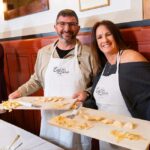
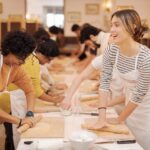

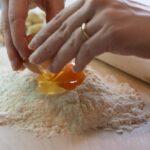
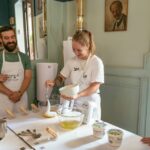
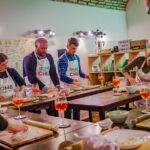
The Meal Experience: Wine or Limoncello, Water, and Coffee Included
One of the smart perks here is that the class includes a glass of wine or limoncello, plus water and coffee. It’s not a heavy party thing, but it makes the meal feel complete and properly Italian.
This is where the small-group setup pays off again. You’re eating something you made with guidance behind you, not just consuming a product. That changes your relationship with the food. You’re more relaxed, you taste with attention, and you can ask questions without being rushed.
I also appreciate the structure of the meal timing. You eat your pizza as part of the experience, then you enjoy tiramisu after your work. It keeps dessert from feeling like an afterthought and helps you pace yourself if you’re eating lunch or dinner.
Small Group Limit of 7: How That Impacts Your Learning
Limited to 7 participants, the class stays small enough that you’re unlikely to feel lost. In a larger class, the chef’s attention goes to whoever is easiest to reach. Here, it’s more realistic to get quick corrections.
This is especially useful for beginners. Pizza dough can feel intimidating at first. Tiramisu layering can feel fiddly. A kind, expert chef—shown in feedback as both—makes it easier to try again if something isn’t perfect on the first pass.
I like small groups for another reason: you end up with a calmer atmosphere. You’ll probably chat with the people next to you. It’s Rome, after all, and food brings people together fast.
Atmosphere and the Chef Factor: Kind Guidance Helps
The overall vibe from real feedback is that the chef is not only skilled but also kind. That’s a big deal in a cooking class, because technique isn’t the only skill. Comfort is part of it.
When a chef teaches with patience, you stop worrying about mistakes. That makes you learn faster. You also get better results because you’re focused on the process instead of panicking about what you’re doing wrong.
If you’re traveling with family, the tone matters even more. A warm, supportive environment keeps kids calmer (within the age limits) and gives adults permission to take their time.
Who This Class Is Best For (and Who Should Skip It)
This is a great fit if you want a hands-on Rome food experience without the pressure of doing it on your own. It’s also recommended as a strong family option, mainly because the structure is clear and the group is small.
You’ll probably enjoy it most if:
- You like food that you can learn and repeat at home
- You want a break from walking and museum lines
- You enjoy guided cooking rather than solo experimentation
It’s not suitable for babies under 1 year, and it’s not recommended for people over 95 years. Those age guidelines are clearly part of how the class is run, likely because it’s a hands-on activity with shared pacing.
Price and Value: What You’re Really Paying For
We don’t have a specific price here, so I can’t judge a number. But I can judge the value logic.
You’re getting:
- Instruction for both pizza and tiramisu
- A workstation for each participant
- A full meal experience with time to eat
- Included drinks (wine or limoncello, water, coffee)
- A small-group limit that supports real attention
That combination is why this class often feels worth it. You’re not just buying food—you’re paying for technique plus an evening-friendly meal structure.
Also, the included drinks help the overall cost feel less like a separate add-on. The class is built to be a standalone experience, not a half-hour activity that ends before you can enjoy the results.
Practical Tips Before You Go
Here are a few things that will make your time smoother, based on how shared classes like this usually work and what’s explicitly noted.
- Arrive early enough to settle in. Punctuality is requested so the shared group isn’t disrupted.
- Wear comfortable shoes. You’ll be standing and moving while cooking.
- Treat it like a meal stop. You’ll have time to eat your pizza and then tiramisu afterward.
- Plan no pickup. Know your route to the meeting point near Piazza Navona.
If you’re doing other sightseeing that morning or afternoon, try not to stack it too tightly. This is an activity with cooking steps and food timing, and Rome deserves a little breathing room.
Should You Book This Rome Pizza and Tiramisu Class?
I’d book it if you want a genuine, hands-on way to experience two of Italy’s most recognizable foods while you’re in Rome. The small group size, workstation for each participant, and built-in time to eat what you make make it feel like a full experience rather than a quick demo.
Skip it only if you’re looking for a relaxed sit-and-watch activity, or if you’re not comfortable with the shared class pacing. Since there’s no pickup or drop-off and punctuality matters, it also helps if you’re confident navigating on foot in central Rome.
If you want a memorable food moment you can talk about later—because you made it with your own hands—this is the kind of class that delivers.
FAQ
How long is the Rome Pizza and Tiramisu class?
The experience is listed as 2 hours, and the course plus eating time is noted as 2.5 hours.
Where is the meeting point?
The meeting point is near Piazza Navona (Navona Square).
Is pickup or drop-off included?
No. Pickup and drop-off are not included, so you need to make your way to the meeting point.
How many people are in the group?
It’s a small group limited to 7 participants.
What language is the class taught in?
The host or greeter speaks English.
What will I make during the class?
You’ll learn how to make your own pizza and tiramisu.
What drinks and extras are included?
A glass of wine or limoncello, plus water and coffee, are included. You also get time to enjoy your pizza and later your tiramisu.
Is it suitable for infants or very elderly guests?
The activity is not suitable for babies under 1 year, and it’s not suitable for people over 95 years.
Can I cancel for a refund?
Yes. You can cancel up to 24 hours in advance for a full refund. You can also reserve now and pay later.