REVIEW · ROME
Rome: 2.5-Hour San Clemente & Underground Private Tour
Book on GetYourGuide →Operated by Tour in the City - Travel Agency Rome - · Bookable on GetYourGuide
Rome has layers. This tour threads them together fast, from San Clemente’s underground to Ludus Magnus near the Colosseum, with a smart route that keeps the walking manageable. I especially liked how the sites connect eras you normally see as separate stops.
I also love the mix of big-name art and tangible relics: Michelangelo’s Moses in San Pietro in Vincoli and the chains linked to St. Peter. It’s not just sightseeing; you leave with specific details you can picture later.
One consideration: the quality of the experience can hinge on the guide’s style. One past guest flagged that the tour felt unfocused at times, with detours away from straight art-and-architecture history. If you want a strict, facts-first approach, it’s worth choosing this only if that’s your vibe.
In This Review
- Key Takeaways Before You Go
- Why This San Clemente Underground Route Works So Well
- Starting in Piazza San Pietro in Vincoli: Chains and a Marble Giant
- San Pietro in Vincoli: What to Look For Inside
- Ludus Magnus by the Colosseum: Gladiators in the Real Place
- San Clemente al Laterano: The Three-Level Church That Captures Rome’s Time Travel
- Underground San Clemente: Reading the Layers Like a Map
- Guide Style, Headsets, and the Private-Group Reality
- Price and Value: What $195.98 Buys You in Real Terms
- Practical Tips: Dress Code, Shoes, and What to Pack
- Should You Book This Private San Clemente Tour?
- FAQ
- Where does the tour start and where does it end?
- How long is the Rome San Clemente and Underground private tour?
- What are the main places included in the tour?
- What’s included in the price?
- Is ticket line skipping included?
- What dress code do I need for the churches?
- Is the tour wheelchair accessible?
Key Takeaways Before You Go
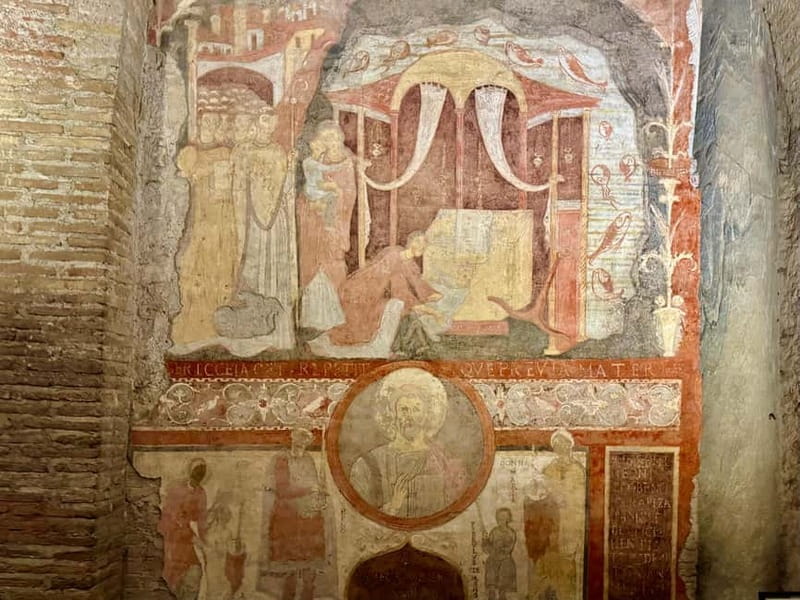
- San Clemente underground: See how Rome physically stacks its eras in three levels.
- Ludus Magnus near the Colosseum: A gladiator training school tied to the Colosseum by tunnels.
- San Pietro in Vincoli highlights: St. Peter’s chains plus Michelangelo’s Moses (unfinished).
- Private, small-group feel: You’ll hear the guide clearly with provided headsets when needed.
- Smart route planning: A pleasant neighborhood walk plus three compact, high-impact sights in 2.5 hours.
Why This San Clemente Underground Route Works So Well
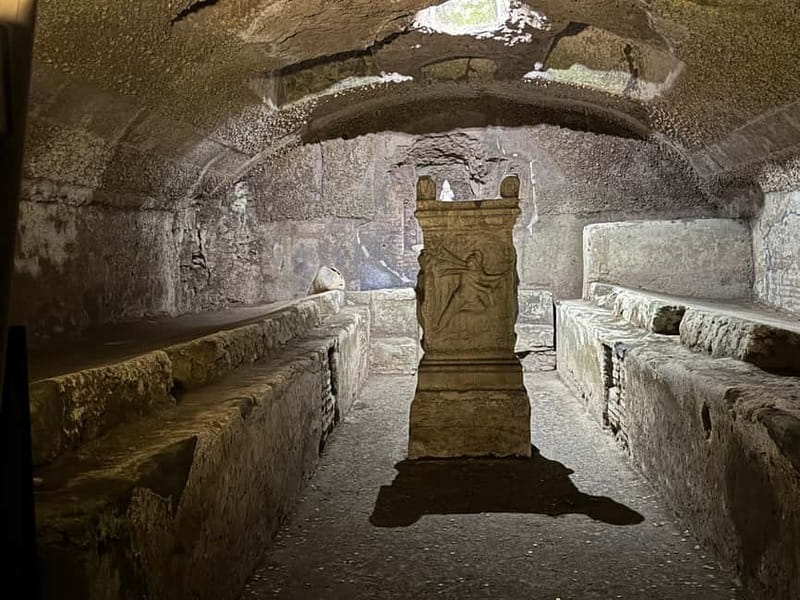
This is the kind of Rome tour that respects your time. Two and a half hours sounds short, but the lineup is chosen so each stop adds a new layer to the same story: how power, religion, and art changed the city over centuries.
You start near the Colosseum area and spend most of the time in walkable chunks. That matters because Rome sightseeing can turn into a transport grind if you pick disconnected sites. Here, you’re bouncing between places that feel related: the Colosseum neighborhood, a church tied to early Christianity, and then San Clemente’s dramatic multi-era complex.
The other thing I like is pacing. You’re not rushed through everything at breakneck speed, but you’re also not stuck waiting in line or wandering without context. You get the “what am I looking at” answers at the moment you need them.
You can also read our reviews of more private tours in Rome


Starting in Piazza San Pietro in Vincoli: Chains and a Marble Giant
Your meeting point is Piazza San Pietro in Vincoli, right in front of Basilica San Pietro in Vincoli. Arrive about 15 minutes early so you can find your guide quickly—there will be a signboard with your name.
San Pietro in Vincoli sets the tone instantly. This is where the tour turns from general Rome sightseeing into specific meaning. The church houses an important relic: two sets of chains said to have bound St. Peter when he was imprisoned in Jerusalem and later in Rome.
And then there’s the moment most people come for: Michelangelo’s Moses. Yes, it’s famous, but what makes it special here is that it’s not the polished, finished monument people imagine when they hear Michelangelo. Moses is unfinished—an often-overlooked fact that adds a real human feel to genius. The statue was originally intended as part of the enormous tomb of Pope Julius II, with plans for 47 statues. That scale never happened, partly because Michelangelo had other commissions.
If you’re someone who likes to understand the why behind the art, this stop is a strong opener. You’re not just looking at a sculpture; you’re seeing how Renaissance ambition collided with reality.
Practical tip: before you head inside, take 30 seconds outside to orient yourself. Then when the church opens up, you’ll know what you’re looking for and where to spend your attention.
San Pietro in Vincoli: What to Look For Inside
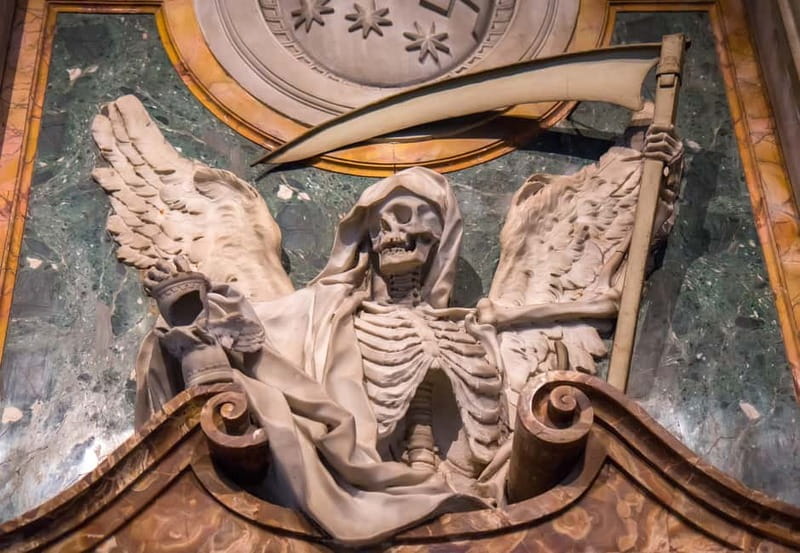
Inside the church, slow down. The chains and the statue are the two anchors, but the details around them help the story click.
Start with the relic concept. The tour frames it as a physical link to early Christian tradition—chains you can treat like a symbol of faith and history at the same time. Even if you don’t get swept up by relics, it helps to see how people in Rome used objects to keep memory alive.
Then focus on Moses. This isn’t just “Michelangelo is great.” It’s unfinished greatness. The tour helps you understand that you’re watching a work in progress of a monumental plan that got redirected. That context makes the statue feel more alive, not less.
One more practical note: the entrance rules are strict. You’ll need knees and shoulders covered for both men and women, no exceptions. If you’re coming from summer heat or a night out, plan a quick solution—light layers count, and you’ll save yourself a lot of stress at the door.
Ludus Magnus by the Colosseum: Gladiators in the Real Place
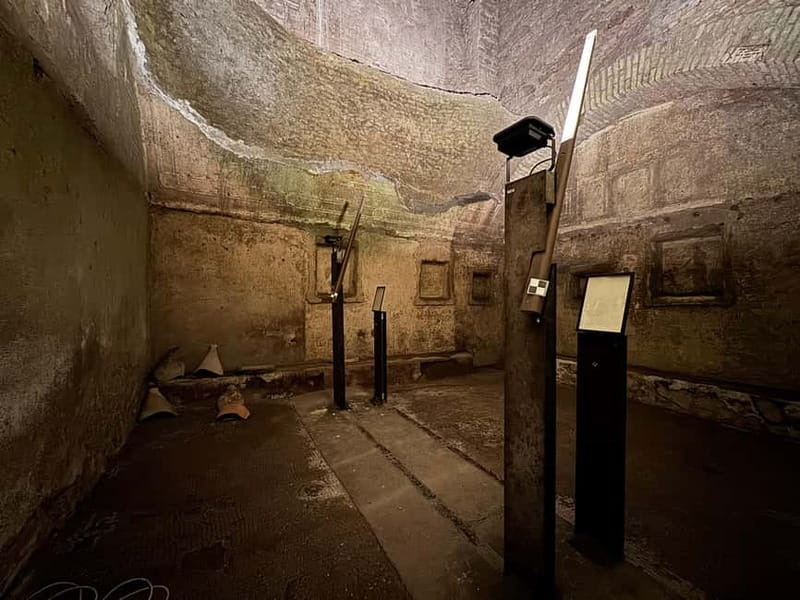
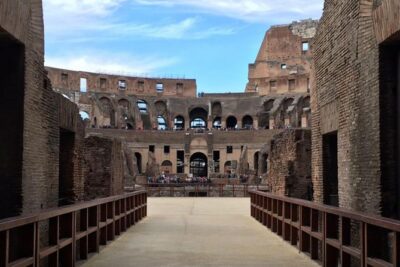
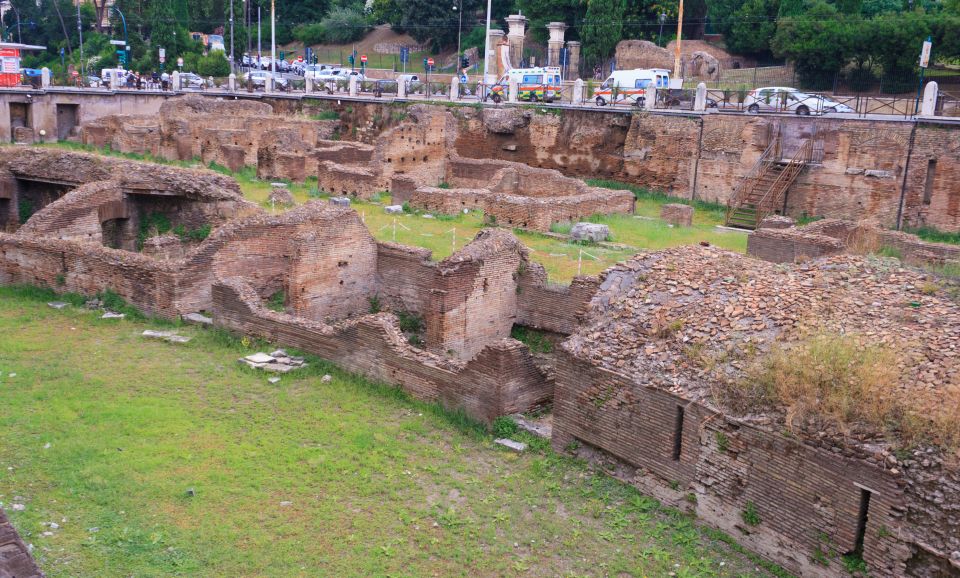
After San Pietro in Vincoli, you’ll head toward the ruins associated with Ludus Magnus, the ancient gladiator training school. It’s located on the northeast side of the Colosseum area, and the tour ties it to the bigger spectacle you already know.
Here’s what makes this stop click: it’s not just “gladiators existed.” It’s that the gladiators had training infrastructure built as part of the world surrounding the Colosseum. The tour explains that the arena and the school were connected through underground tunnels. That detail matters. It’s the difference between imagining gladiators moving through crowds and understanding how the city built systems for controlled movement.
You’ll also get a sense of how layers of Rome work. Even near famous ruins, you can still find less-touristed pieces that make the whole Colosseum story feel more accurate. Ludus Magnus is one of those “wait, that’s how it worked” moments.
If you’re a history fan, you’ll likely enjoy the contrast between the glamour of the Colosseum and the training reality implied by the school. If you’re not, don’t worry—the context keeps it from feeling like a random stop.
San Clemente al Laterano: The Three-Level Church That Captures Rome’s Time Travel
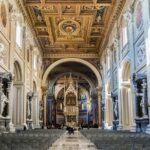
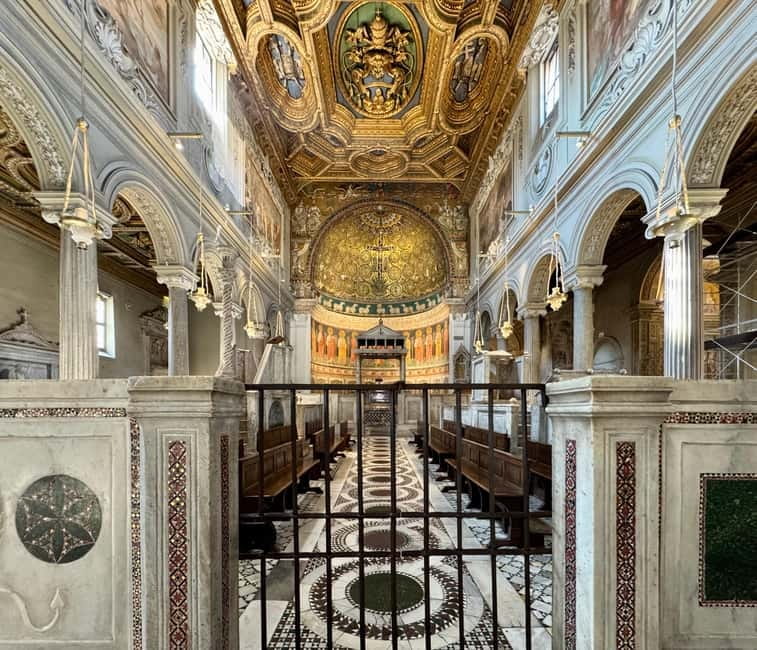
Your final highlight is Basilica San Clemente al Laterano. This is the star for architecture geeks and casual visitors alike because it’s a clear visual lesson in Rome’s time stacking.
The tour shows you a complex where the current basilica sits on top of earlier eras. It’s described as a three-level building complex, with each level tied to a different major period of Roman history.
Here’s the chronology you’ll want to carry in your head:
- Under the present basilica, you can trace foundations that were part of a Republican-era villa.
- In the 4th century, it was converted into a Christian church dedicated to Pope St. Clement, the third pope after St. Peter.
- The present medieval basilica dates to around 1100.
That sequence is why this stop feels more meaningful than a typical church visit. You’re not looking at a single era. You’re looking at Rome reusing space—again and again—because it always made sense to build where the city already mattered.
If you like “cause and effect” travel, you’ll appreciate this. The building isn’t just old; it’s a record of how communities repurposed the physical city as beliefs and power shifted.
Underground San Clemente: Reading the Layers Like a Map
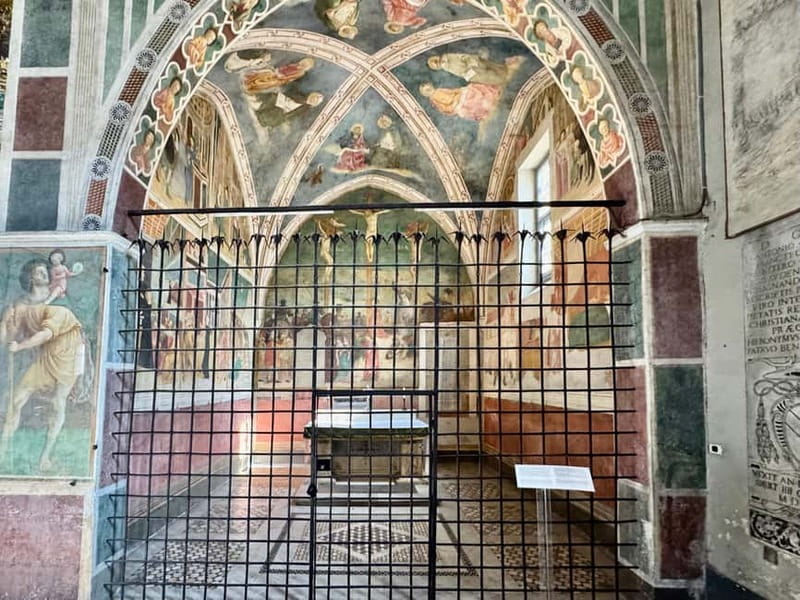
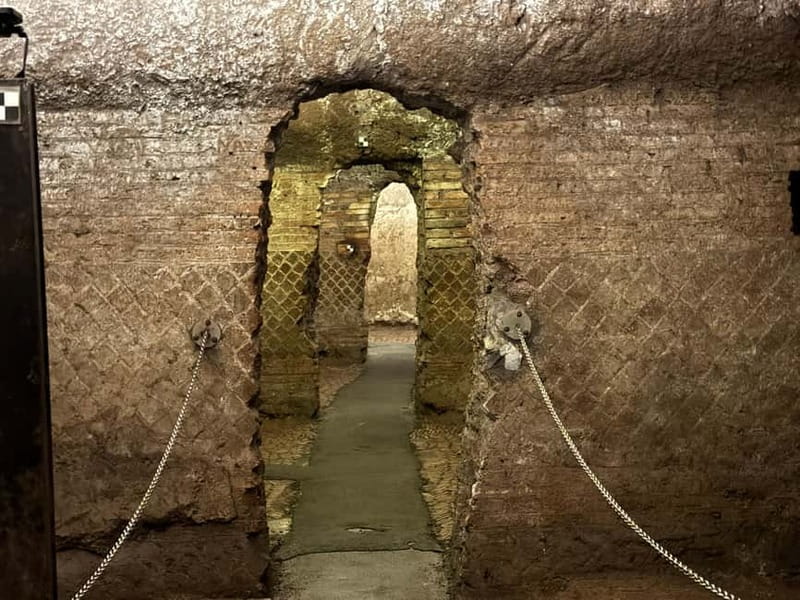
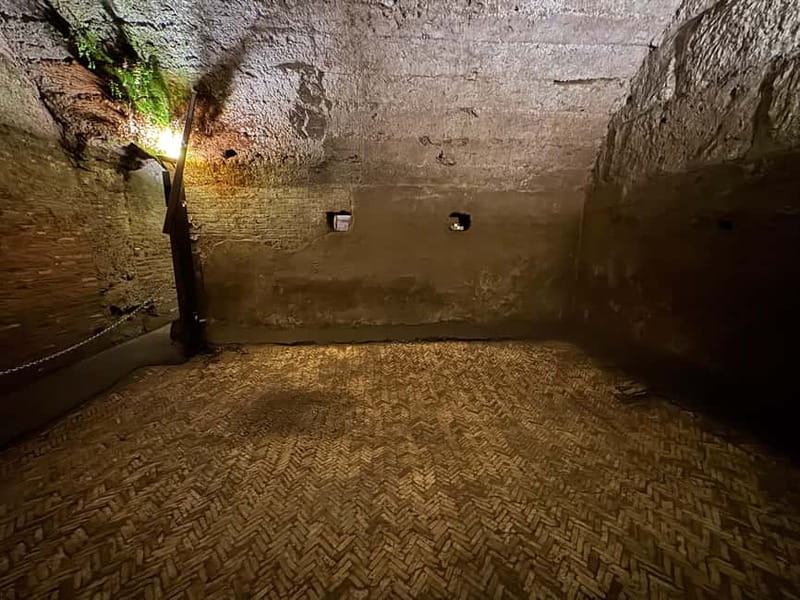
The underground is where you really understand what you’ve been taught above ground. The tour’s emphasis on visiting the underground of San Clemente turns the “three levels” idea into something concrete.
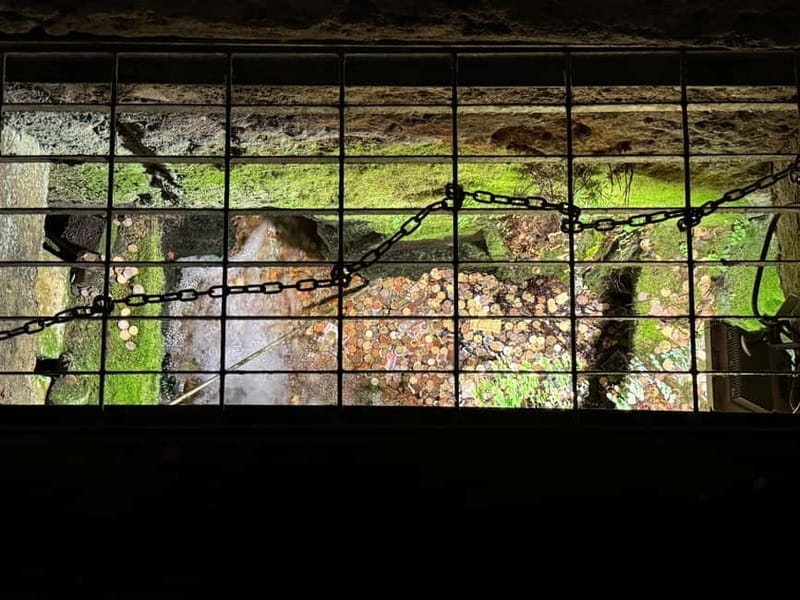
What I find most satisfying is how the underground makes time feel less abstract. Instead of hearing that Rome changed over centuries, you see evidence of changes stacked under your feet. Even without turning it into a science project, you can still connect the dots: Republican foundations, then Christian adaptation, then medieval rebuilding.
This is also a good place to use your guide. It’s easy to wander and just take photos. With a professional art historian guide (that’s what the tour uses), you’ll get the specific context that makes the underground feel readable rather than random.
One note: this tour operates in all weather conditions. That’s normal for Rome, but it does affect comfort. If rain is forecast, wear shoes that won’t get soaked instantly, and keep a light rain layer handy.
Guide Style, Headsets, and the Private-Group Reality
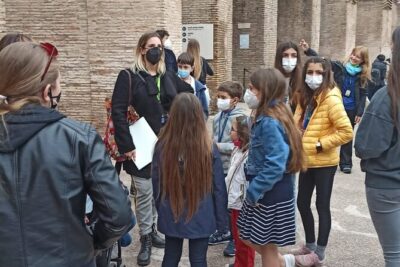
This is a private group tour with an English-speaking professional art historian guide. You’ll also have headsets if the group exceeds eight people, which helps you hear clearly even inside stone-heavy spaces.
For value, this matters. Religious sites and church interiors can swallow sound. Headsets reduce frustration and help you catch small but important details like what’s linked to Julius II, why Moses is unfinished, and how the tunnels connect the Colosseum to gladiator life.
That said, one past guest felt the tour became unclear and that the guide leaned toward unrelated topics. I can’t promise your guide will behave the same way, but I can tell you how to protect yourself: if you’re booking for strict art/architecture explanation, go in with that expectation. If your group wants storytelling and side topics, you’ll probably be happier. Either way, private tours give you better odds of a good fit than a large group, because the guide can adjust more easily.
Price and Value: What $195.98 Buys You in Real Terms
At $195.98 per person for a 2.5-hour private tour, this isn’t a budget impulse buy. But it can still be good value, depending on how you travel and what you care about.
Here’s what’s included:
- Entrance fees
- A professional art historian guide
- Headsets when needed (for groups over 8)
- Skip the ticket line
So you’re paying for three things that usually cost you time, money, or both:
1) A specialist guide who can connect art, architecture, and religious context.
2) Entrance fees handled for you.
3) Less standing around, which is precious when you’re trying to see multiple sites around central Rome.
What you’re not paying for:
- Food and drinks
- Transportation to/from the attractions
- Hotel pickup/drop-off
In practice, this price makes more sense if you’re already walking the Colosseum area and you want a guided route that ties everything together. If you plan to take taxis or shuffle buses, your total cost will creep up. If you’re traveling as a pair or small group, this can feel more reasonable because you’re buying time efficiency and expert interpretation, not just access to buildings.
Practical Tips: Dress Code, Shoes, and What to Pack
Before you go, get the basics right. Churches have firm rules here.
You must wear smart casual, and you need covered knees and shoulders for entry. This is strictly enforced, and you can be refused entry if you don’t comply.
Also bring:
- Passport or ID card
- Comfortable shoes for moderate walking
Don’t bring:
- Luggage or large bags
- Pets
- Walking frames (it’s noted as not suitable for wheelchair access)
The tour ends back at the meeting point in Piazza San Pietro in Vincoli, so you can plan your next meal or stop without a complicated repositioning.
Should You Book This Private San Clemente Tour?
I’d book it if you want Rome that makes sense fast. The itinerary links three major experiences—chains and Renaissance sculpture, gladiator training near the Colosseum, and San Clemente’s underground layers—without wasting time in transit. If your travel style is to understand what you’re seeing, this fits well.
I wouldn’t book it if you strongly dislike any tangents from your guide. One past guest had issues with the tour feeling unclear and the guide drifting toward unrelated material. If you want history told in a straight line, you’ll be happier if your group communicates preferences up front (even simple cues like asking the guide to stick to the art-and-architecture thread).
It’s also not for people needing wheelchair access. The tour notes it isn’t wheelchair accessible, so plan alternate sightseeing if mobility is a concern.
FAQ
Where does the tour start and where does it end?
It starts at Piazza San Pietro in Vincoli, in front of Basilica San Pietro in Vincoli. The tour ends back at the same meeting point.
How long is the Rome San Clemente and Underground private tour?
The tour is 2.5 hours.
What are the main places included in the tour?
You’ll visit Basilica San Clemente, the underground of San Clemente, San Pietro in Vincoli Church, and the ruins connected to Ludus Magnus.
What’s included in the price?
The price includes entrance fees, headsets to hear the guide clearly (for groups over 8 persons), and a professional art historian guide.
Is ticket line skipping included?
Yes, the tour includes skip the ticket line.
What dress code do I need for the churches?
You need knees and shoulders covered for both men and women. This dress code is strictly enforced, and entry can be refused if you don’t meet it.
Is the tour wheelchair accessible?
No, it is not wheelchair accessible.