REVIEW · ROME
Rome: Pizza Making Cooking Class with Prosecco & Lunch
Book on GetYourGuide →Operated by Travel in Rome · Bookable on GetYourGuide
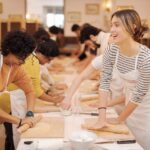
Wood-fired pizza lessons beat a walking tour. In Rome, this hands-on class near the Spanish Steps teaches you pizza dough to oven techniques with a master pizzaiolo. You’ll get the real rhythm of Italian pizza-making instead of just watching from the sidelines.
I love that the focus stays practical: fresh ingredients like water, flour, and yeast, plus step-by-step dough handling and topping. You also get to bake in a traditional wood-fired oven, which turns the session into something you can actually use after your trip.
One drawback to consider: it isn’t suitable for people with food allergies, and children under 8 aren’t recommended. If you need dietary flexibility, you’ll want to choose a different cooking experience.
In This Review
- Key Things That Make This Pizza Class Worth Your Time
- Why This Rome Pizza Class Feels More Real Than a Generic Meal
- Getting Oriented: The Pizzeria Setup and How the 2.5 Hours Work
- Dough-Making Basics You’ll Actually Remember
- Toppings and Assembly: Building a Pizza Without Guesswork
- The Wood-Fired Oven Moment (And Why It Changes Everything)
- Lunch at the Table: Prosecco, Soft Drinks, and Coffee Included
- Cost and Value: Is $54.89 a Good Deal?
- Who This Pizza Class Suits Best (And Who Should Skip It)
- Practical Tips So You Feel Comfortable From Start to Finish
- Accessibility and Comfort Considerations
- Should You Book This Rome Pizza-Making Class?
- FAQ
- Where is the pizza-making class located?
- How long is the experience?
- What’s included in the price?
- Are the lessons taught in English or another language?
- Is this class suitable for children?
- Is it suitable for people with food allergies?
- Is the experience wheelchair accessible?
Key Things That Make This Pizza Class Worth Your Time
- Wood-fired oven baking: you don’t just mix dough, you bake it the traditional way.
- Master pizzaiolo instruction (English/Italian): you get clear guidance as you work.
- Full meal flow: you’ll eat what you made at the pizzeria, then finish with coffee.
- Welcome prosecco and soft drinks: a proper Roman-meets-fun start to the class.
- Separate entrance for skipping the line: you start sooner and waste less time standing around.
- Personal attention vibe: clear demonstrations and support are part of the experience.
Why This Rome Pizza Class Feels More Real Than a Generic Meal
Pizza in Rome is serious, but it’s also friendly. This class has the best kind of travel value: you learn how the basics work, then you eat the result right there. You’re not relying on a recipe card and hope. You’re doing the process, with guidance as you go.
The location helps, too. The pizzeria is near the Spanish Steps, so you can pair this with a day of sightseeing without feeling like you’re commuting across town for a single hour. And because you use a separate entrance, the start is smoother—one less thing to wrestle with when you’re already tired from walking.
Most of all, the session is built around making pizza dough, not just assembling toppings. That’s where the real technique lives: hydration, mixing, texture, and timing. Once you understand the dough, toppings become the easy part.
You can also read our reviews of more cooking classes in Rome

Getting Oriented: The Pizzeria Setup and How the 2.5 Hours Work
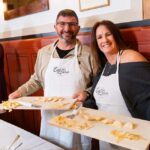
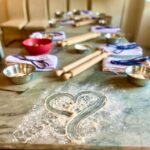
The whole experience is anchored in one place: a charming Italian pizzeria near the Spanish Steps. Expect a warm setting where you’ll go from welcome to hands-on work, then to the table for lunch.
Timing matters with pizza dough. You’ll spend time learning how to work with the fundamental ingredients—water, flour, and yeast—then shape and top your pizza, and finally bake it in the traditional wood-fired oven. The instructor also bakes the pizza you prepared, which keeps the experience practical if you don’t have oven experience.
Even without a minute-by-minute schedule provided, the flow is clear: learn dough basics, add toppings, bake, then sit down. If you’re the type who likes to get your hands messy early and your appetite satisfied quickly, this format fits.
Dough-Making Basics You’ll Actually Remember
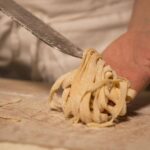
This is the heart of the class: dough that’s made from scratch. You’ll learn how to handle the dough and what you’re aiming for as you go—texture, stretch, and how the dough behaves when you shape it.
What makes this valuable is that you’re working with genuine basics rather than a shortcut. In a lot of tourist cooking experiences, you might do one step and then watch the rest. Here, you learn how the dough is put together and how to work it before it goes into the oven cycle.
And when you learn dough-making, you also pick up the invisible skills that make pizza taste right:
- how yeast contributes to the dough’s behavior
- how hydration affects softness and stretch
- how shaping influences the final crust
You’ll leave with more than a meal. You’ll leave with a framework you can reuse at home, even if you don’t have a wood-fired oven.
Toppings and Assembly: Building a Pizza Without Guesswork
Once your dough is ready, you move into topping and assembly. This part is where your creativity can show up, but you’re doing it with guidance so you don’t end up with a pizza that looks right but bakes wrong.
Pizza is unforgiving: too much topping can weigh it down, and the wrong arrangement can mess with heat distribution. The class format helps you avoid common mistakes by giving you instruction while you’re building. You’re not left staring at ingredients wondering what order to use.
Because the instructor bakes the pizza you prepared, you also get a subtle benefit: the oven part is supported. Wood-fired ovens can be intense, and the class makes sure you still end with a good result.
The Wood-Fired Oven Moment (And Why It Changes Everything)
The wood-fired oven is the star for a reason. Even if you’ve eaten great pizza before, you can tell when dough is baked fast and hot. That’s the kind of crust behavior that makes Roman-style pizza feel different from thicker, slower-baked styles.
Here, you get the real oven environment as part of the experience. You’re making the pizza and then seeing it transformed with the traditional heat method. The class doesn’t just talk about wood-fired ovens. You experience what they do to the dough.
And since your pizza is baked by the pizzaiolo, you get the best of both worlds: participation plus an expert’s final oven control. That’s a big part of why this is a good value class—your time is spent learning, not worrying.
You can also read our reviews of more tours and experiences in Rome



Lunch at the Table: Prosecco, Soft Drinks, and Coffee Included
The meal is part of the lesson. After your pizza is done, you’ll eat what you made at the table. This keeps things grounded: cooking, eating, then talking through what worked.
Included with lunch:
- a welcome prosecco
- soft drinks
- coffee at the end
Non-alcoholic beverages are included, so you won’t feel pushed toward alcohol. If you want wine or beer, those are available for an additional charge. That’s a nice balance: you get the core drink experience built into the price, with upgrades if you want them.
Coffee at the end is also an important Rome touch. It turns the class into a full food moment, not a quick snack between sightseeing plans.
Cost and Value: Is $54.89 a Good Deal?
At $54.89 per person for about 2.5 hours, the key question is what you actually receive beyond instruction.
This class includes:
- ingredients
- prosecco
- soft drinks
- coffee
- an instructor (English and Italian)
You’re also skipping friction: there’s a separate entrance to help you start without the usual line hassle. And you get access to a wood-fired oven experience, plus the instructor baking your pizza so you finish with something successful.
If you compare that to a typical restaurant meal plus a separate cooking lesson, this is priced in a way that makes sense. You’re essentially paying for a guided, hands-on food event that ends as lunch. You’re not just buying pizza—you’re buying technique, oven time, and a full included meal.
Is it the cheapest thing in Rome? No. But it’s one of the few activities that hands you a skill plus a satisfying meal at the same time.
Who This Pizza Class Suits Best (And Who Should Skip It)
I think this works best for:
- couples and small groups who want an experience that’s more interactive than sightseeing
- food lovers who care about technique, not just flavor
- visitors who enjoy learning basic cooking fundamentals and then using them later
It may not fit as well if:
- you have food allergies (this class isn’t suitable)
- you’re traveling with children under 8
- you’re looking for something purely visual or passive (this is hands-on)
If you’re visiting Rome and want one activity that anchors your trip to a true local food skill, this class delivers a clear payoff.
Practical Tips So You Feel Comfortable From Start to Finish
A cooking class is simple, but you’ll enjoy it more if you plan for real-world comfort.
Wear comfortable shoes. You’ll be on your feet and moving around as you prep and work. The session is in a pizzeria environment, so prioritize traction and comfort over style.
Also, don’t stress about being a pizza expert. You’re being taught the process. The instructor provides instruction in English and Italian, and the demonstrations are designed to help you follow along without confusion.
If you’re the type who likes to ask questions, this is a good time. When you learn dough and baking, it’s the perfect moment to ask about common mistakes—because you’re experiencing the steps, not imagining them.
Accessibility and Comfort Considerations
This experience is wheelchair accessible. That matters because pizza-making involves getting seated and standing in a small workspace, and it’s not always true for every cooking venue.
Pets aren’t allowed, though assistance dogs are permitted. If you travel with an assistance animal, you’re covered. If you’re bringing a pet, you’ll need to make other arrangements.
Should You Book This Rome Pizza-Making Class?
Book it if you want a practical, food-first activity near the Spanish Steps where you can learn pizza dough, top a pizza, and finish with a real lunch plus coffee. The included prosecco and meal make it feel like more than a hobby class, and the wood-fired oven element gives you a genuinely Roman cooking moment.
Skip or look elsewhere if you have food allergies or you’re traveling with kids under 8. Also skip if you’d rather keep your day purely sightseeing and don’t want hands-on work—even though the session is guided, it still involves dough and assembly.
If your goal is to leave Rome with a skill you can recreate, this class is one of the easiest wins on the calendar.
FAQ
Where is the pizza-making class located?
It takes place in a charming Italian pizzeria near the Spanish Steps in Rome.
How long is the experience?
The duration is 2.5 hours.
What’s included in the price?
The price includes ingredients, prosecco, soft drinks, coffee, and instruction.
Are the lessons taught in English or another language?
The instructor provides instruction in English and Italian.
Is this class suitable for children?
It is not suitable for children under 8 years old.
Is it suitable for people with food allergies?
No. It is not suitable for people with food allergies.
Is the experience wheelchair accessible?
Yes, the experience is wheelchair accessible.