REVIEW · ROME
Rome: Pasta Making Workshop with Lunch
Book on GetYourGuide →Operated by Gray Line I Love Rome · Bookable on GetYourGuide
Fresh pasta beats any souvenir.
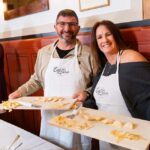
This Rome workshop turns you from hungry observer into capable pasta maker in a small group (max 8), led by Italian chefs at Lo Studio in Trastevere. I like the hands-on pace and the focus on two classics you can actually recreate at home: ravioli and cavatelli. Best part for me is that you finish by eating what you made, with lunch plus dessert and a glass of Italian wine.
One thing to consider: while the instructor team supports Spanish, English, and French, the exact language for your session can vary. If you’re counting on French (or English), plan for the fact that you may not catch every word, even when the teaching is kind and competent.
In This Review
- Key highlights worth prioritizing
- Why a small-group pasta workshop in Trastevere is a smart use of Rome time
- The 2.5-hour flow: from handmade dough to your lunch plate
- Ravioli from scratch: the technique you can actually repeat later
- Cavatelli: learning the shape that holds onto sauce
- Lunch, dessert, and Italian wine: the best kind of payoff
- Who the chefs instruction style is best for
- Price and value: what you’re really paying for
- Logistics you should plan around (simple, but important)
- Should you book this Rome pasta workshop or skip it?
- FAQ
- How long is the pasta making workshop with lunch?
- How many people are in the class?
- Where do I meet the group?
- Is lunch included?
- Do they pick you up from your hotel?
- Can I cancel and get a refund?
- What languages is the class taught in?
Key highlights worth prioritizing
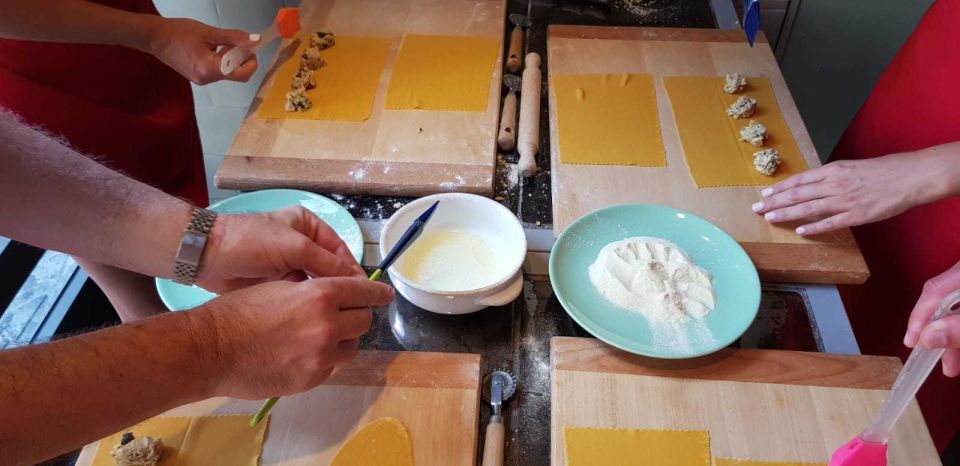
- Small-group hands-on class limited to 8 participants, so you get real feedback while you shape pasta.
- Two pasta types to master: delicate ravioli and rustic cavatelli, both taught from scratch.
- Chefs lead the session inside Rome, so techniques feel practical instead of performative.
- You eat the result as lunch, paired with Italian wine and finished with dessert.
- Trastevere meeting point at Lo Studio, easy to reach on foot from that neighborhood.
- Language options available (Spanish, English, French), but your session language may not match your preference.
Why a small-group pasta workshop in Trastevere is a smart use of Rome time
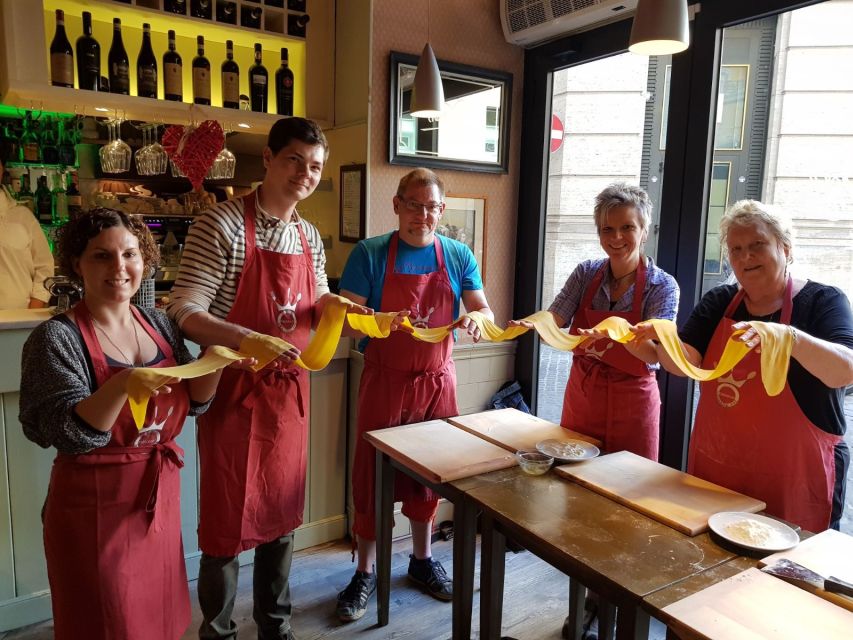
Rome can overwhelm you fast. One day you’re dodging scooters at a crosswalk, the next you’re staring at ruins, hoping your brain can keep up. A cooking class works because it’s structured. You show up, wash your hands (usually a good start to anything food-related), and in about two and a half hours you’re doing something physical, tasty, and learnable.
This one is based at Lo Studio restaurant in Trastevere, meeting at Vicolo della Scalaccia 8. That matters because Trastevere is where you can find both character and concentration. You’re not traveling across town for a quick show-and-tell. You’re in a neighborhood where food is part of everyday life, and you can combine the class with a casual meal before or after.
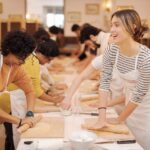
I also like that the class is limited to 8 people. In a larger group, you can end up watching more than doing. Here, the whole point is making pasta with guidance right next to your hands. That’s the difference between leaving with a photo and leaving with skills.
You can also read our reviews of more cooking classes in Rome
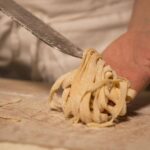

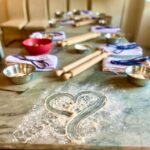
The 2.5-hour flow: from handmade dough to your lunch plate
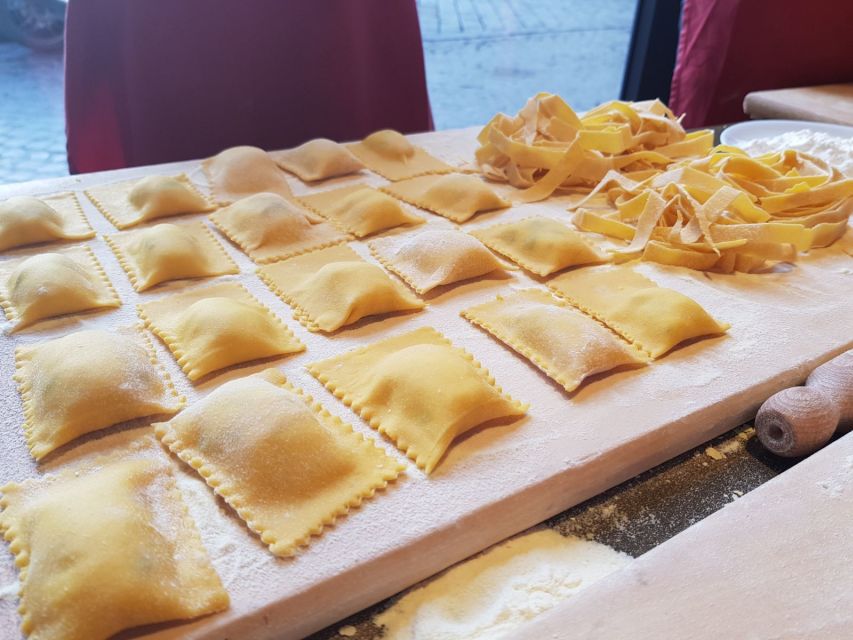
The class runs for about 2.5 hours, and you end back at the same meeting point. There’s no pickup or drop-off included, so you’ll want to build in a little walking time and arrive a few minutes early.
Even without a written minute-by-minute schedule, the shape of the experience is consistent:
First, you start with the basics of making fresh pasta dough from scratch. You learn how the dough should feel while you work it, which is where most home attempts go wrong later. The chef-led instruction focuses on traditional technique, not shortcuts.
Then you move into your two pasta types. You’ll make ravioli and cavatelli, with step-by-step help as you shape them. Expect the class to be a mix of demonstrations and your own hands-on work, with adjustments along the way.
Finally, you get to eat what you made. Your creations turn into your lunch, and the meal is paired with a glass of Italian wine. Dessert follows, so you’re not just practicing on an empty stomach and hoping the results taste good.
This flow is ideal if you want a food experience that lands with your appetite, not just your memory.
Ravioli from scratch: the technique you can actually repeat later
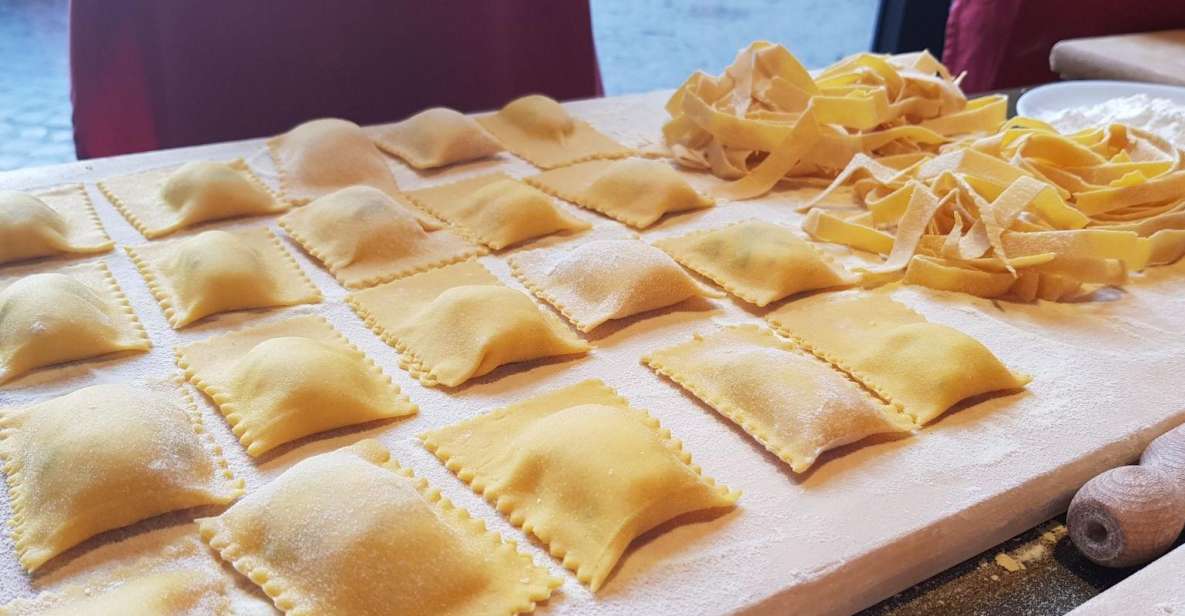
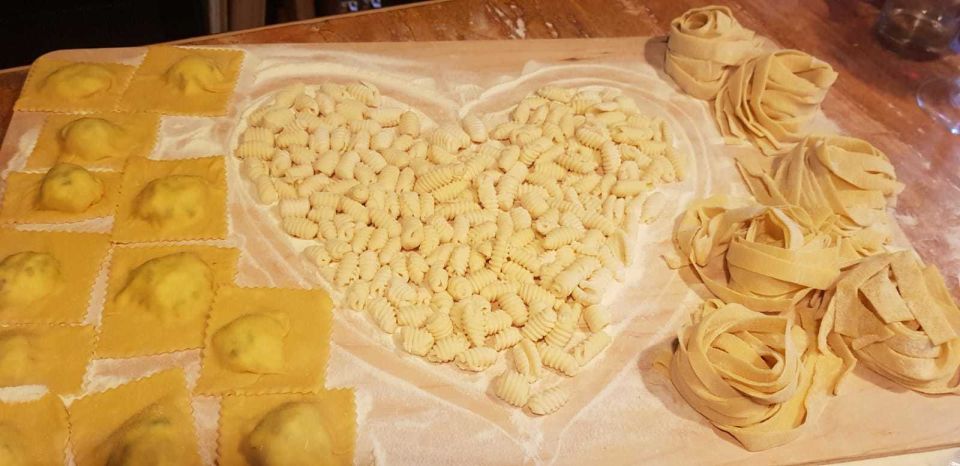
Ravioli sounds simple until you try it. The challenge is consistency: dough thickness, sealing, and how the filling stays put. In this class, you’re taught how to make perfect ravioli using traditional methods passed down through generations.
Here’s why that matters for you: if you’ve ever made pasta at home before, you probably learned that the biggest improvements come from texture and handling. You’re not just copying a recipe. You’re learning what to look for in the dough as it rolls and what to do so the shape holds together.
During the ravioli part, you should pay attention to two things while you work:
- Dough handling: how it behaves when rolled and when you handle it again after filling.
- Sealing and structure: getting edges to close so the ravioli doesn’t fall apart later.
If you’re cooking with kids or family later, ravioli is also the pasta shape that teaches confidence fast. It’s delicate, but the payoff is impressive. And because you’re making it in a guided setting, you’re not stuck guessing.
Cavatelli: learning the shape that holds onto sauce
Cavatelli is the rustic counterpoint to ravioli. Where ravioli is about precision and sealing, cavatelli is about texture and form. You’ll learn to make cavatelli pasta with the kind of classic technique Italian kitchens use.
I like cavatelli because it’s built for real eating. The surface and shape are designed to grab sauce, so your finished pasta feels satisfying, not slippery or flimsy. When you learn the shape process from a chef, you also learn how to stay consistent across batches—another common home-kitchen headache.
In practical terms, the chef instruction here helps you avoid two issues:
- ending up with uneven pieces that cook differently
- spending too long shaping and losing your rhythm
You’ll likely find that once you get the hang of the motion, you can keep going. That momentum is one of the hidden benefits of a shorter class. You leave with something you can repeat instead of a pile of notes you never use.
Lunch, dessert, and Italian wine: the best kind of payoff
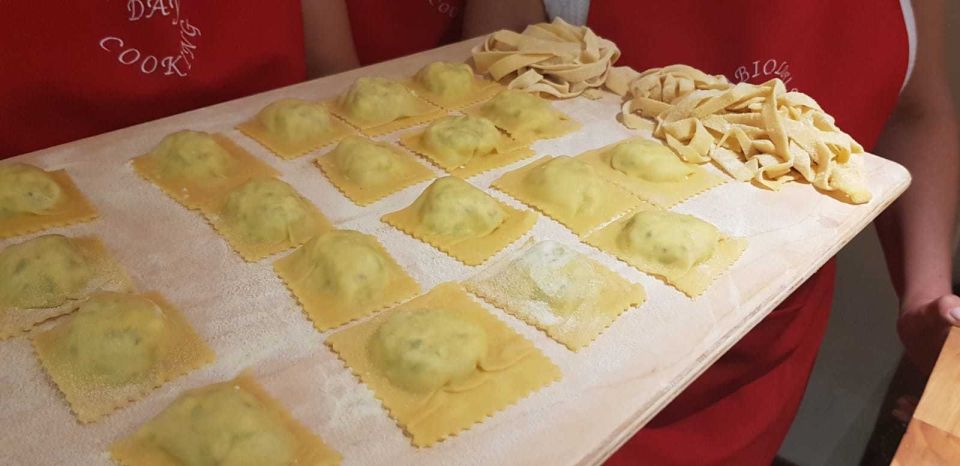
Many cooking classes stop at the cooking. This one doesn’t. You sit down and eat your pasta, and that turns the whole workshop into a complete experience.
You’ll have lunch as part of the session, plus dessert and a glass of Italian wine. This is more than a nice add-on. It’s the quality check. When you taste your own ravioli and cavatelli, you learn what good texture feels like. You can compare it to what you’ve had in restaurants and adjust your expectations for cooking at home.
It also helps the class vibe. Food lessons aren’t just technical; they’re social. A shared table with wine makes the instruction less formal and more conversational. You ask questions without feeling like you’re holding up a classroom.
If you’re the type who loves eating, this is one of those tours where the value is in both halves: skills plus a meal you genuinely enjoy.
You can also read our reviews of more tours and experiences in Rome



Who the chefs instruction style is best for
You’ll be working with an instructor who supports Spanish, English, and French. The workshop is described as led by Italian chefs, and that chef-led format tends to be clear and focused.
A big strength from the feedback is that the teaching is accessible and friendly. One review noted that the chef and team were especially easy to work with, and even kids enjoyed the class. That’s a good sign for you if you want a relaxed learning environment instead of a strict, command-and-correct kind of atmosphere.
One caution from a mixed-language experience: if you choose French thinking you’ll get French instruction, you might instead hear English in practice. In that case, the teaching team may still be kind and capable, but you could miss some details. If language nuance matters to you, consider choosing the session language you feel most comfortable with.
Price and value: what you’re really paying for
At $207.31 per person, this isn’t a budget activity. But the price also includes things that cheap classes often leave out.
You’re paying for:
- a small-group workshop (max 8)
- a chef-led lesson making two types of fresh pasta
- lunch (not just a snack)
- dessert and a glass of Italian wine
So the value equation looks different from a basic cooking demo. Here, the cost is partly tied to ingredients and the staff time needed to guide you through dough, shaping, and cooking. You’re also not paying separately for your meal that day—you’re getting it built into the program.
For me, the deal-breaker is whether you’ll actually use the technique later. If you love pasta and want the real steps behind it, you’ll get your money’s worth. If you’re more interested in sightseeing than hands-on food, a lighter food tour might fit better.
Logistics you should plan around (simple, but important)
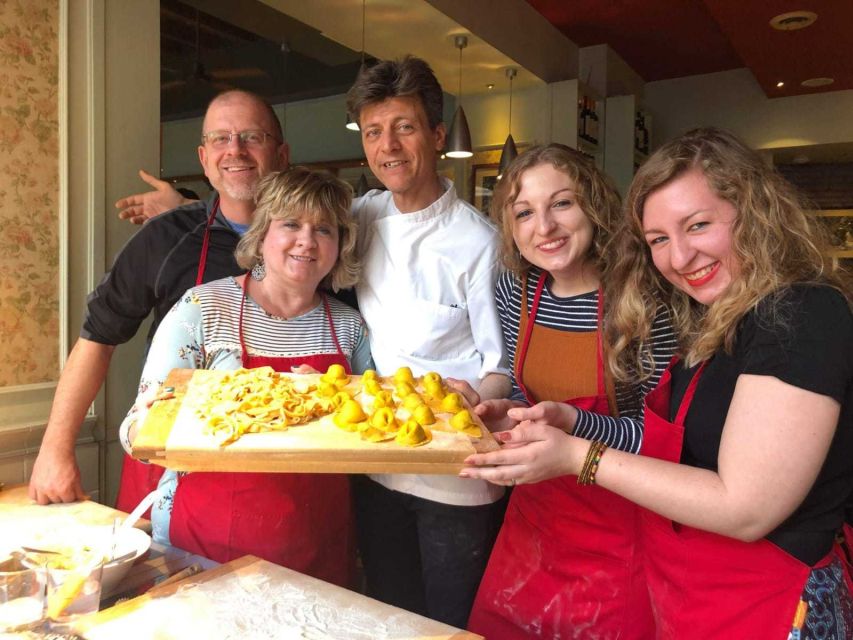
This workshop is straightforward, but there are a few practical points to keep in mind:
- No pickup or drop-off: you’re responsible for getting to Lo Studio on your own.
- Duration is fixed around 2.5 hours: plan your day so you’re not rushing to the next big ticket site right after.
- Meeting point and ending point are the same: you can treat it as a clean block on your schedule.
- Wheelchair accessible: accessibility is noted, which is great for planning.
Because it ends where it starts, it’s easy to turn this into a longer food afternoon in Trastevere: class first, then a casual wander through nearby streets while you’re already in an Italian-food mindset.
Should you book this Rome pasta workshop or skip it?
Book it if:
- you want a hands-on Rome experience instead of another photo-only stop
- you want to learn both ravioli and cavatelli from dough through shaping
- you like finishing with a real sit-down lunch plus wine and dessert
- you prefer small groups where you get feedback while you cook
Skip it if:
- you mainly want a quick tasting and don’t care about technique
- you’re very sensitive to language nuance and cannot tolerate missing details (especially if you’re aiming for a specific language)
- you’re trying to keep costs low for the day
If you’re on the fence, I’d lean toward booking—because the format is simple and the payoff is concrete. You learn two classic pastas, then you eat them. That’s about as good as Rome gets for a single, focused block of time.
FAQ
How long is the pasta making workshop with lunch?
It lasts about 2.5 hours.
How many people are in the class?
The group is limited to 8 participants.
Where do I meet the group?
You meet at Lo Studio restaurant, Vicolo della Scalaccia, 8, in the Trastevere area. The activity ends back at the meeting point.
Is lunch included?
Yes. Lunch is included as part of the experience.
Do they pick you up from your hotel?
No. Pickup and drop-off are not included.
Can I cancel and get a refund?
Yes. You can cancel up to 3 days in advance for a full refund.
What languages is the class taught in?
The instructor supports Spanish, English, and French.