REVIEW · ROME
Rome: Pasta Cooking Class with Wine, Coffee, and Limoncello
Book on GetYourGuide →Operated by Yellowsquare Rome · Bookable on GetYourGuide
Homemade pasta makes Rome feel personal. I love the hands-on pace and step-by-step instruction that turns a blank bowl into real dough, and I also love the way you sit down to eat what you make with wine, coffee, and limoncello. The only thing to think about is that transport isn’t included, so you’ll want to plan how you’ll get to the meeting point in Lazio.
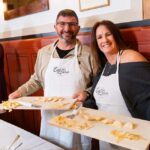
Meet your chef at the YellowSquare Rome reception and spend about four hours learning pasta technique in English or Italian. You’ll make three types of pasta from scratch, including tagliatelle, fettuccine, and ravioli, plus you’ll learn what goes into filling and sauce while the chef shares cultural stories. If you’re hoping for a long walking tour of Rome, this one stays focused on the kitchen.
In This Review
- Key highlights you’ll care about
- YellowSquare Rome meeting point: how to start without stress
- Tagliatelle, fettuccine, and ravioli: the real skill you take home
- Dough, filling, and sauce: how the kitchen lesson actually flows
- Chef Marco’s teaching style: clear steps, good humor, real authenticity
- Wine, coffee, and limoncello: it’s a meal, not just a class
- Price and value in Rome: what $68.33 buys you
- Who should book this pasta class (and who might not love it)
- Tips to get more out of your 4 hours
- Should you book this Rome pasta class?
- FAQ
- How long is the pasta cooking class?
- Where do I meet the chef?
- Is transportation included?
- What types of pasta will I make?
- Do I need any prior cooking experience?
- What’s included with the meal?
- What languages are used during the class?
- How much does it cost?
- Can I cancel?
Key highlights you’ll care about
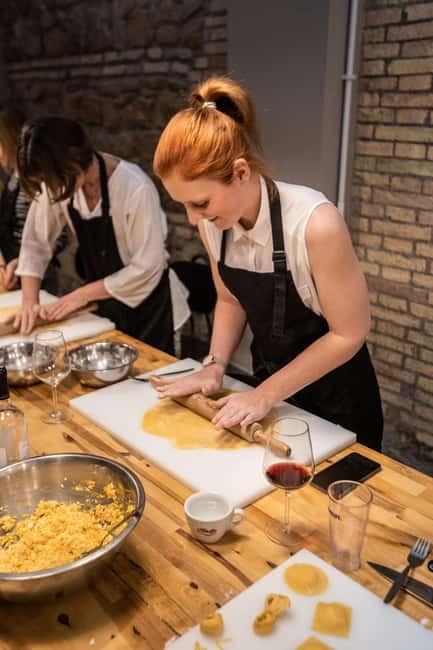
- Three pastas, made from scratch: tagliatelle, fettuccine, and ravioli
- Chef-led instruction with clear, patient guidance
- Hands-on lunch: you taste what you produce with condiments
- Wine with the meal, then coffee and limoncello to finish
- Recipes and a participation certificate so you can repeat it later
YellowSquare Rome meeting point: how to start without stress
This experience begins at the YellowSquare Rome reception, and it ends back there. That sounds simple, but it matters because a cooking class runs on momentum—show up late and the whole flow can feel rushed.
Aim to arrive a few minutes early so you can check in, get oriented, and settle in before pasta work starts. Since transportation to and from the meeting point is not included, I’d treat this like a fixed appointment. Plan your route, especially if you’re coming from a museum or another evening plan.
The class runs for about 4 hours, so you’ll want to schedule it as a main event—something that naturally breaks up your day. A mid-day or afternoon slot also gives you time to digest before you head out for evening dinner.
You can also read our reviews of more cooking classes in Rome

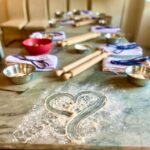
Tagliatelle, fettuccine, and ravioli: the real skill you take home
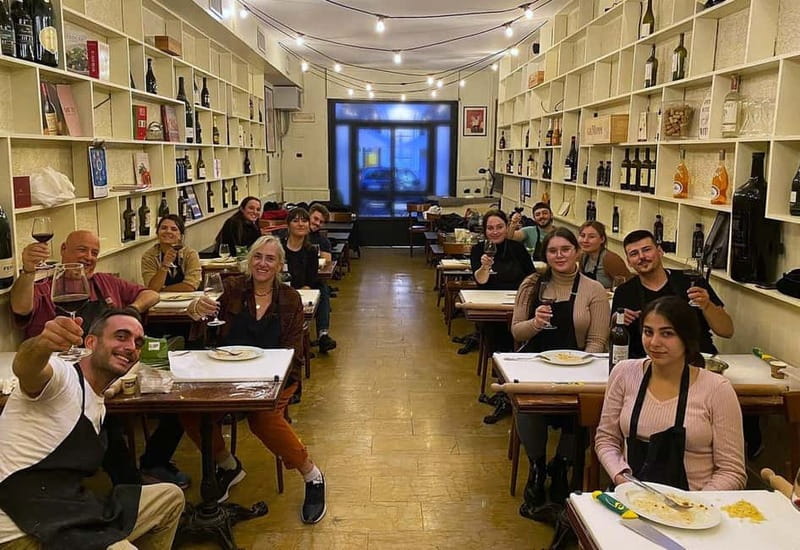
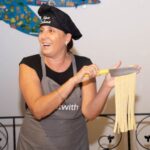
The heart of this class is making pasta dough from scratch. You don’t just watch. You make dough, you work it, and you learn the basics that make pasta feel like pasta rather than dough that never quite cooperates.
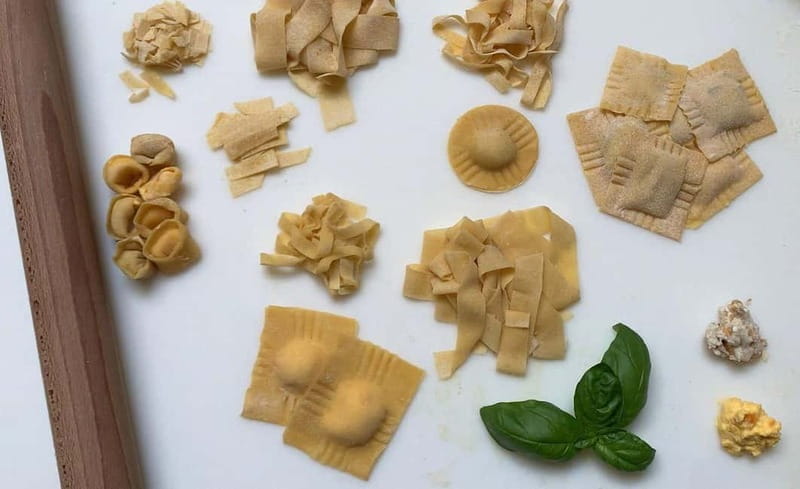
You’ll create three shapes, each with its own personality:
- Tagliatelle: a classic ribbon-style pasta that teaches you how thin and even your dough needs to be.
- Fettuccine: close cousin to tagliatelle, but different enough to make you pay attention to thickness and cutting.
- Ravioli: the step up, since you’re dealing with dough plus filling and the idea of sealing parcels that hold together.
The course is built so you move from foundational work (dough) to more structured work (filling and shaping). That’s what makes it more than a one-off meal. Once you understand the logic—texture, handling, and how the dough behaves—you can repeat it at home.
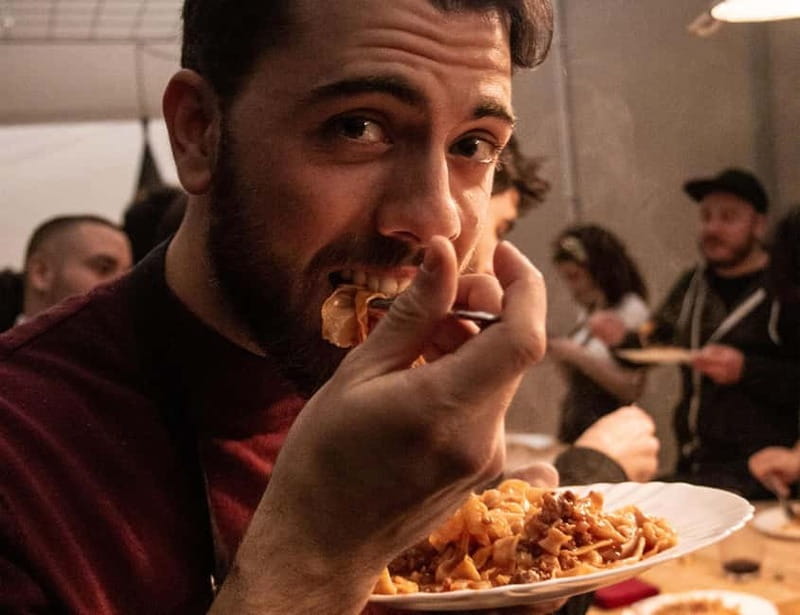
And yes, you eat it. The class includes a tasting of the pasta types you prepared, served with various condiments. It’s the best way to learn: cook it, taste it, then connect the result to what you did.
Dough, filling, and sauce: how the kitchen lesson actually flows
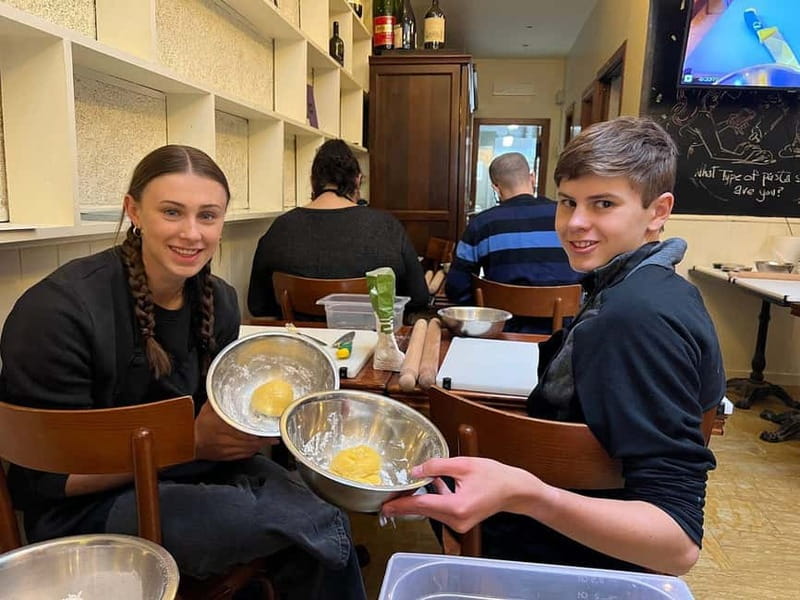
Here’s how the session is structured, in plain terms.
First, you meet the chef and get an intro to what you’ll be making. Next comes explanation time—this is when the chef lays out what each dish involves and how to approach the work step by step.
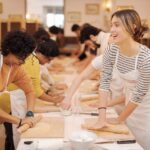
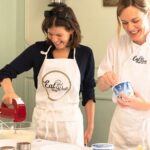
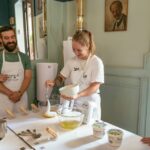
Then you get into the main task: preparing homemade pasta starting from scratch. You work on the dough and filling while the chef prepares an authentic sauce and shares Italian stories along the way. That storytelling matters more than people expect. Food skills stick better when you understand the cultural “why,” not only the technique.
Finally, you taste what you made with the condiments provided. You’ll also finish with coffee and limoncello, which functions like the punctuation mark at the end of the lesson. You walk away fed, not just impressed.
If you’re wondering what makes this different from a generic cooking demo, it’s the mix of hands-on prep plus a chef who still takes charge of key elements like sauce. You get both: learning the process and seeing what real results look like.
Chef Marco’s teaching style: clear steps, good humor, real authenticity
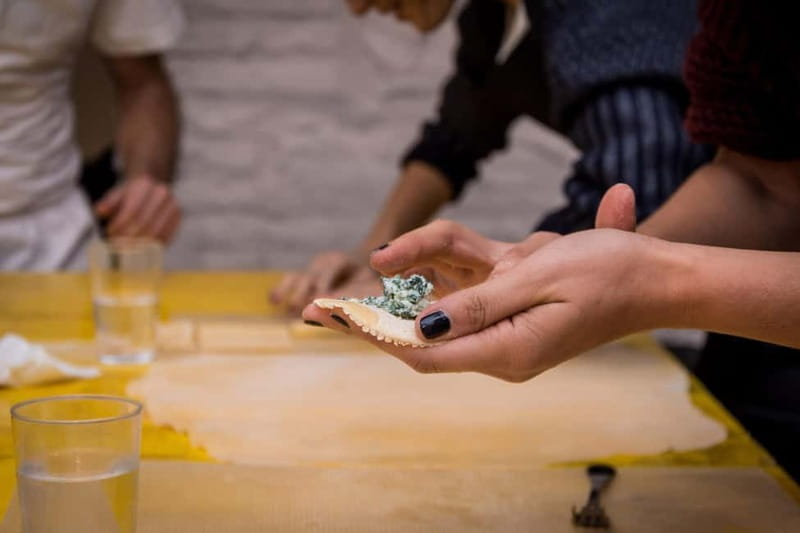
One reason this class gets strong praise is the way the chef teaches. In particular, the instruction from Marco is described as fun, with step-by-step guidance that keeps you from getting lost.
That’s important in pasta classes. Pasta has a few “feel” moments—how dough stretches, how it relaxes, how it behaves when you’re shaping. A teacher who can explain what you’re aiming for, then correct your technique calmly, changes the whole experience.
You also get a chef who mixes cooking with cultural context. The stories aren’t random. They give the food lesson a shape and help the techniques feel grounded in Italian practice, not just a recipe sheet.
Language is also a practical plus: the instructor teaches in English and Italian. So if your Italian is limited, you’re not left guessing what the hand motions mean.
Wine, coffee, and limoncello: it’s a meal, not just a class
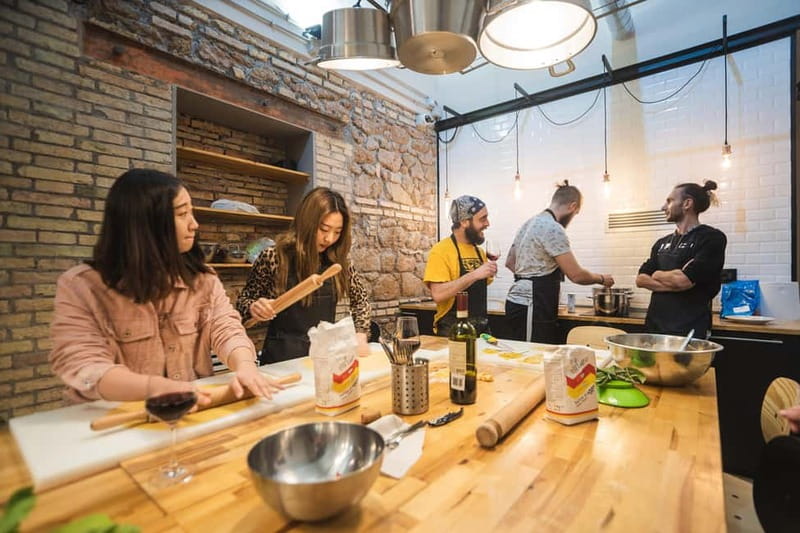
This isn’t just a snack. It’s structured like an Italian lunch.
During the tasting and meal portion, you get a glass of Italian wine. The wine is tied to the pacing of the class—enough to make the meal feel celebratory, without turning the session into something else. I like that balance: you can focus on tasting and learning, not just drinking.
Then the day wraps with coffee and limoncello. Limoncello is one of those Rome-region flavors people associate with southern Italy, and ending with it turns the class into a complete experience: learn pasta → eat pasta → finish with classic sweetness.
If you’re the type who remembers travel best through food and small rituals, this ending hits the right note. It’s the kind of detail that makes the lesson feel like a night you’d replay, not just a task you completed.
You can also read our reviews of more wine tours in Rome
Price and value in Rome: what $68.33 buys you
At $68.33 per person for a roughly 4-hour class, you’re paying for more than recipes. You’re paying for:
- A local chef as your instructor
- Hands-on instruction to make three pasta types
- A sit-down lunch with the pasta you prepare
- Wine plus coffee and limoncello
- Pasta recipes and a participation certificate
Cooking classes can vary wildly in price, so here’s how I judge value. This one bundles the meal experience into the lesson, which means you’re not duplicating costs later. You also get tangible follow-up material (recipes and certificate), which makes it more likely you’ll actually cook again.
Also, small detail: the class includes tasting with various condiments. That matters because pasta doesn’t taste the same in every context. Getting multiple ways to enjoy what you made helps you learn how sauce and toppings change the result.
Two practical considerations: you’ll still need to handle your own transportation, and the session is concentrated—if you want a lot of walking or site seeing, this won’t replace that.
Who should book this pasta class (and who might not love it)
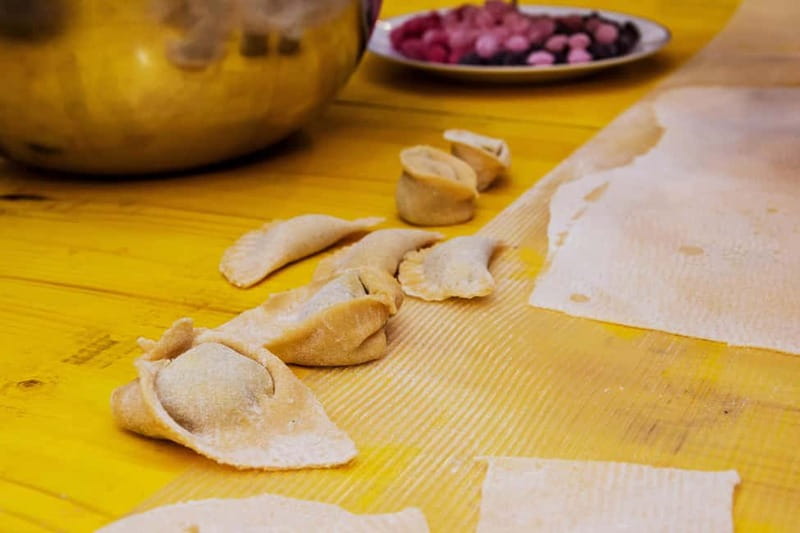
This works especially well if you want a memorable Rome experience that’s not just another photo stop. You’ll enjoy it if you like cooking, want a hands-on skill, and enjoy eating what you make.
It’s also a great fit for couples or small groups because the structure keeps everyone included: there’s enough teaching and enough work for shared participation.
You might want to look elsewhere if you:
- Prefer long sightseeing blocks instead of staying in one place
- Have zero interest in food prep and just want scenery
- Need a heavily flexible schedule (the class has a set start time and runs around 4 hours)
One more plus: no previous experience is needed. So even if pasta has always seemed intimidating, the class is built for beginners.
Tips to get more out of your 4 hours
A pasta class rewards good energy. Here’s how I’d set yourself up so you leave satisfied:
- Eat before you go only lightly. You’ll end up tasting and having lunch, plus the drinks at the end.
- Wear comfortable clothes. Pasta work can mean leaning, working at a station, and getting a bit messy.
- Listen for technique cues, not just recipes. The chef’s step-by-step teaching is where the skill lives.
- Ask a question if something feels off—thickness, handling, or sealing ravioli. The point is to correct in real time.
- Save the recipes. The class includes pasta recipes, and they’re most useful right after the experience when your memory is fresh.
Should you book this Rome pasta class?
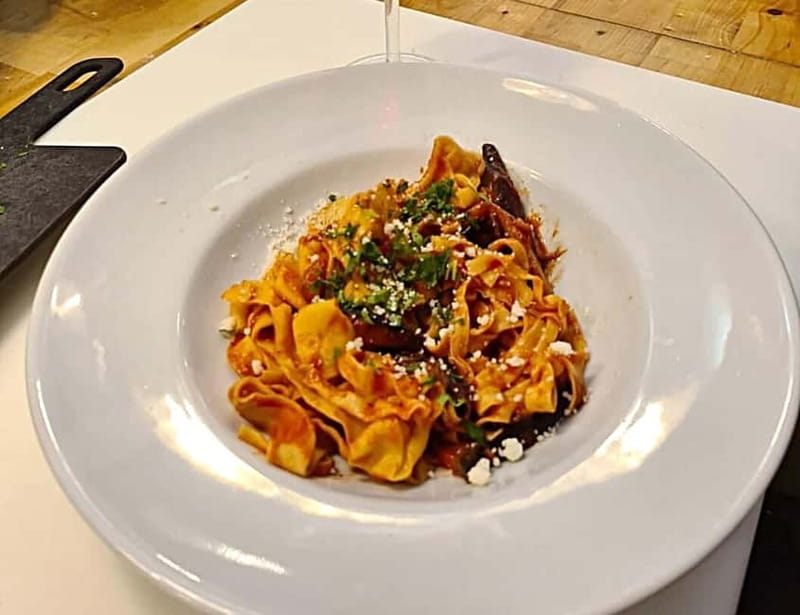
If you want a Rome day that’s hands-on, social, and genuinely tasty, I think this is a strong choice. You learn three pasta types from scratch, you get a local chef (Marco) who teaches with clear step-by-step instruction and good humor, and you finish with a full food-and-drink arc: wine, lunch, then coffee and limoncello.
Book it if:
- You’re excited to cook and eat in the same session
- You want beginner-friendly instruction
- You value getting a skill you can repeat at home
Skip it if you mainly want wandering streets and major sights. This class is about the kitchen, not the skyline.
FAQ
How long is the pasta cooking class?
The class lasts about 4 hours.
Where do I meet the chef?
You meet at the YellowSquare Rome reception.
Is transportation included?
No. Transportation to and from the meeting point is not included.
What types of pasta will I make?
You’ll make tagliatelle, fettuccine, and ravioli.
Do I need any prior cooking experience?
No previous experience is needed.
What’s included with the meal?
You’ll enjoy a lunch with the pasta you prepare, plus a glass of Italian wine. The experience also includes coffee and limoncello at the end.
What languages are used during the class?
The instructor teaches in English and Italian.
How much does it cost?
The price is $68.33 per person.
Can I cancel?
Yes. There is free cancellation up to 24 hours in advance for a full refund, and you can reserve with pay later.