REVIEW · ROME
Rome Historical True Crime Tour
Book on Viator →Operated by City Stories Tours · Bookable on Viator
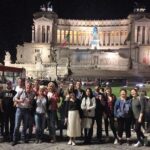
Rome has a talent for secrets after dark. This tour turns familiar squares into a trail of betrayals, brutal punishment, and ghost-story vibes. You’ll follow the guide on foot through Rome’s darker neighborhoods, learning how power, crime, and fear left their mark on everyday streets.
I especially like the pacing and the focus: it’s built for a 2-hour evening stroll with a small group, so you actually hear the stories and move at a human speed. I also like that it’s not just “big monument” sightseeing; you get streets and landmarks you’d likely walk past without noticing, anchored by a clear narrative. The one caution: if you’re expecting a classic sightseeing loop, this is more dark backstreets than postcard Rome, and the subject matter leans gory.
In This Review
- Quick hits to know before you book
- A 2-hour Rome night walk with “true crime” energy
- Meeting at Campo de’ Fiori, ending by Ponte Sant’Angelo
- Stop-by-stop: what you’ll see and why it matters
- Campo de’ Fiori: the story ignition point
- Piazza Farnese: Renaissance beauty with a darker edge
- Vicolo delle Grotte: crooked legends in a backstreet
- Ponte Sisto: power, marriage, and suspicious endings
- The “systems” of crime: monks, prisons, and the Borgia era
- Via Giulia: monks with a macabre job
- Via di Monserrato: harsh prisons and the Borgia family
- Street-level “history” you can still picture
- Via dei Banchi Vecchi: a former business, a deadly woman
- Via del Banco di Santo Spirito: the executioner’s house
- Castel Sant’Angelo: tomb to fortress to prison to execution ground
- What makes the guide matter (Ben’s storytelling style)
- Comfort, shoes, and how to hear the stories
- Value for $30.07: a short, story-driven night with a real guide
- Who this tour is best for (and who may want to choose differently)
- FAQ
- FAQ
- How long is the Rome Historical True Crime Tour?
- What time does the tour start and where does it end?
- Is the tour only in English?
- What’s included in the price?
- Do I need to buy tickets for the stops?
- Can I get a refund if plans change?
- Should you book this tour?
Quick hits to know before you book
- Small group (max 15) keeps the experience personal and easier to follow at night
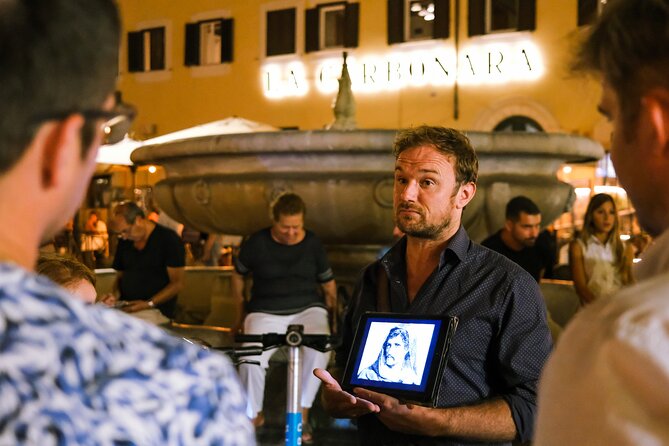
- English-speaking expert guide tells connected stories across multiple stops
- Mostly outside, no extra entry tickets built into the route
- From Campo de’ Fiori to Ponte Sant’Angelo you’ll stitch together several neighborhoods on foot
- A cafe rest stop is offered since food and drinks are not included
A 2-hour Rome night walk with “true crime” energy
This starts in the evening—around 8:00 pm—which matters more than you might think. Rome at night feels different. Streets get quieter, light falls flatter, and the city’s stone textures do a good job setting the mood for the darker tales being told. It’s also practical: a shorter tour time means less fatigue and fewer decision points.
The “true crime” label is accurate in spirit, but the tone stays in the darker-historical lane. Expect betrayal, murder, and haunting-style storytelling, mixed with the guide’s sense of rhythm. The tour keeps moving, but not so fast that you lose the thread of the story.
You can also read our reviews of more historical tours in Rome



Meeting at Campo de’ Fiori, ending by Ponte Sant’Angelo
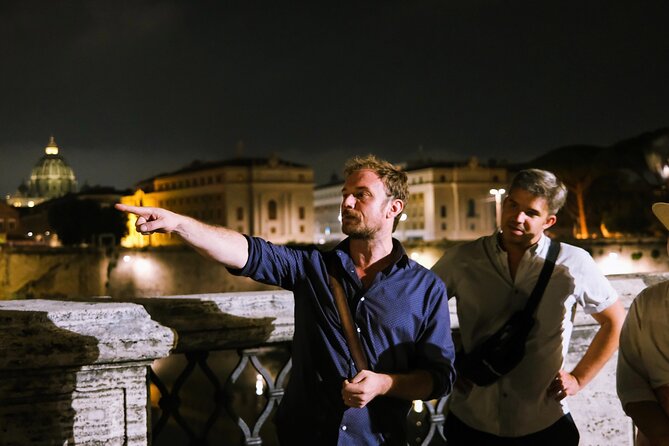
You’ll begin at Campo de’ Fiori (00186 Roma) and finish at Ponte Sant’Angelo (also 00186 Roma). That end point is a win. Castel Sant’Angelo sits nearby, and Ponte Sant’Angelo is the kind of spot where you can easily roll into a post-tour walk, snack, or a night view—without needing to re-route across the city.
Campo de’ Fiori is a strong start because it’s a recognizable hub. You get your bearings quickly before you’re sent into Rome’s narrow backstreets. If you like tours that help you map a city in real time, this approach works well.
Stop-by-stop: what you’ll see and why it matters
The route is designed to feel like a story map. Each stop is tied to a figure, a crime thread, or a punishment-and-power theme. Since the stops are short (often around 5–15 minutes), you don’t get stuck in one spot waiting for something to happen. You get steady momentum.
Campo de’ Fiori: the story ignition point
The guide meets you at Campo de’ Fiori and kicks things off with the first tale. This is a smart warm-up. You get context early—then the route makes sense when you start noticing how the city’s layout can hide dramatic history in plain sight.
Piazza Farnese: Renaissance beauty with a darker edge
At Piazza Farnese, you’ll connect what you see (a Renaissance Palazzo Farnese) with a less-known, darker side of the square. This stop is where the tour starts to teach you how to look: Rome doesn’t separate “pretty” and “sinister.” It stacks them.






Vicolo delle Grotte: crooked legends in a backstreet
Next is Vicolo delle Grotte, a lane that practically asks for spooky stories. Here, the guide brings in a notorious swindler—or maybe a magician, depending on the telling. This is a great stop if you enjoy human-scale crime: the kind that spreads through deception and rumor.
Ponte Sisto: power, marriage, and suspicious endings
On Ponte Sisto, the tour shifts to a chilling tale about a woman connected to Rome’s power dynamics. The story involves suspicious deaths of two rich husbands, and the bridge becomes more than a crossing—it becomes a stage.
If you like “place + narrative” travel, this is one of the stronger examples on the walk. You’re not just looking at architecture; you’re learning why a location mattered to the story.
The “systems” of crime: monks, prisons, and the Borgia era
After the bridges and squares, the tour leans into institutions—religion, punishment, and the machinery of control.
Via Giulia: monks with a macabre job
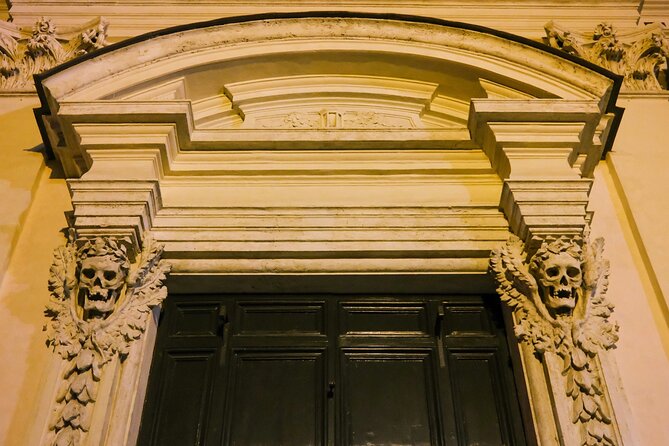
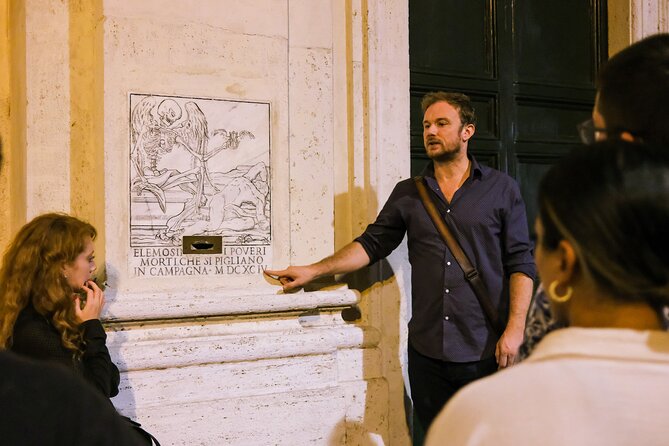
On Via Giulia, the guide tells a story about an order of monks with a macabre task. The key point here isn’t just the horror element. It’s how the city’s institutions may have benefited the criminal world around them. It’s the kind of explanation that makes you see the streets as part of a larger system.
Via di Monserrato: harsh prisons and the Borgia family
Then you head to Via di Monserrato, where the tone turns heavier. You’ll hear about one of the world’s harshest prisons (as the tour frames it) and how the Borgia family ruled Rome with the vibe of a mafia-style operation. Even if you don’t already know the names, the guide’s storytelling helps you track the idea: crime wasn’t separate from power. It was tangled up in it.
This is also where comfort matters. The walking gets you thinking more, and the subject gets intense. If you’re bringing teens or want something lighter, you may want to check whether this mood fits your group.
Street-level “history” you can still picture
These later stops are some of the most memorable because they connect crime stories to places you could easily miss.
Via dei Banchi Vecchi: a former business, a deadly woman
At Via dei Banchi Vecchi, the tour points out how a spot that’s now known for gelato was once something else—linked to a woman connected to the deaths of hundreds of men. The contrast is what makes it hit. You’re standing in a normal-feeling street, and the story turns it into a crime scene.
Via del Banco di Santo Spirito: the executioner’s house
Next is Via del Banco di Santo Spirito, where you’ll see the house of Rome’s most famous and long-lasting executioner (as described by the tour). This is “true crime” in the everyday sense—less about distant kings and more about the people who carried out punishment.
Castel Sant’Angelo: tomb to fortress to prison to execution ground
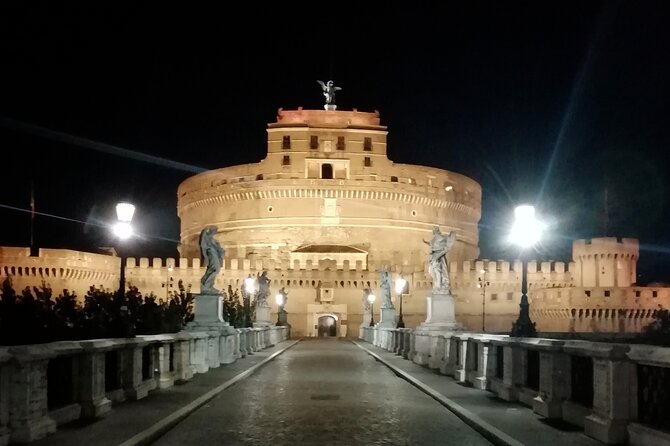
The final stretch is Castel Sant’Angelo. The guide walks you through it as an Emperor’s tomb that later became a fortress and a prison, and then one of Rome’s main execution locations. You’ll also hear a story tied to tragic families executed at the site.
This finale works because it brings everything to a visible anchor. You start the tour with a square, work through backstreets and institutions, and end at a place you can point to and say: this is where the city’s darkest moments played out.
What makes the guide matter (Ben’s storytelling style)
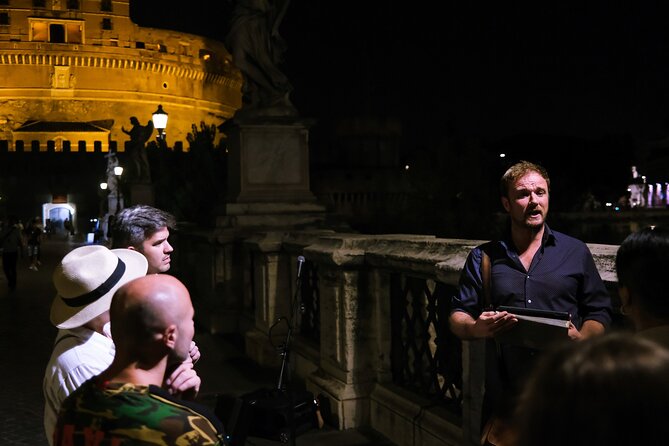
A huge part of this tour’s success is the guide’s delivery. Multiple people highlight Ben specifically, and the pattern is consistent: strong facts with just enough imagination to keep it chilling without becoming a total fiction show. You can also expect occasional jokes timed to relieve the tension.
From a practical standpoint, the guide also does what you want from an evening walking tour: points out details. Several comments emphasize landmarks you might otherwise miss, plus local tips like where to get gelato afterward. That kind of added value turns a dark walk into a full Rome night out, not just a lesson in grim stories.
One reality check: Rome is loud. If you’re hard of hearing or you know you struggle in noisy streets, you’ll want to come ready to position yourself well in the group.
Comfort, shoes, and how to hear the stories
This is a walking tour on foot through narrow streets and squares. The good news: the experience is described as comfortable for different walking levels. Still, comfortable shoes are not optional. It’s an evening route, your legs will feel it, and Rome pavement doesn’t care about your itinerary.
For audio, the tour offers interpreters can be provided for sight/hearing impaired guests, which is good to know. If you need extra support in general, it’s smart to ask ahead what accommodations can be arranged for your needs.
Value for $30.07: a short, story-driven night with a real guide
At $30.07 per person for roughly two hours, the value comes from three things: a licensed-feeling expert guide, a capped group size (max 15), and a format that gets you seeing places with context instead of wandering.
You’re not paying for museum tickets here. Each stop is free of admission ticket fees, so the money goes toward storytelling and moving you through the city. That’s a solid deal if you like guided interpretation—especially if it’s your first time in Rome.
The only cost factor to budget is food and drink. Those aren’t included, though a cafe rest stop is offered. So bring water habits (or plan for that break) and decide if you want to tip.
Who this tour is best for (and who may want to choose differently)
This tour is ideal if you like:
- darker historical storytelling with human characters and consequences
- seeing lesser-noticed corners of central Rome
- an organized route that helps you explore without getting lost
It may be less ideal if you want:
- only major landmarks and standard viewpoints
- a light, family picnic style evening without gory themes
- a tour built around long stops inside big attractions
That said, one review notes it worked well for kids, suggesting the guide can shape the tone. Still, your group’s comfort level with violence and grim punishment stories matters.
FAQ
FAQ
How long is the Rome Historical True Crime Tour?
It runs about 2 hours.
What time does the tour start and where does it end?
It starts at 8:00 pm in Campo de’ Fiori and ends at Ponte Sant’Angelo.
Is the tour only in English?
Yes, it is offered in English, and you’ll have an English-speaking expert guide.
What’s included in the price?
The price includes an English-speaking expert guide and a small group limited to 15 people. Food and drink are not included.
Do I need to buy tickets for the stops?
Admission tickets are free at the listed stops. The tour is built around outdoor viewing and walking.
Can I get a refund if plans change?
Yes. You can cancel for a full refund up to 24 hours before the experience start time. Less than 24 hours before start is not refundable.
Should you book this tour?
If you want a Rome night plan that teaches you how the city got its darker reputation—and you’re okay with betrayal, murder, and haunting-style storytelling—this is a good bet. The small group size and guided pacing make it feel guided rather than chaotic, and the route links squares, backstreets, and Castel Sant’Angelo into one coherent evening story.
Book it if you like facts with atmosphere and you want to walk away with a sharper sense of place. Skip it if your ideal Rome evening is bright, cheerful, and purely landmark-based.