REVIEW · ROME
Rome: Fettuccine, Ravioli, and Tiramisu Cooking Class
Book on GetYourGuide →Operated by Bella Vita Food Tours · Bookable on GetYourGuide
Fresh pasta in Rome beats any souvenir. In this 3-hour class, you’ll knead and shape dough for fettuccine and ravioli, then finish with tiramisu—the real Italian kind, not a blurry restaurant imitation.
What I really like is how hands-on it is, with an English-speaking chef guiding you step by step so you can actually feel the technique in your hands.
I also like that the lesson ends with a meal built from your own work. One more good sign: the group size feels small and personal, so questions don’t get lost. The main drawback is simple: it’s not suitable if you have food allergies, and the class format can include drinks that may not be obvious from the basic description.
In This Review
- Key highlights you’ll care about
- Why This Rome Pasta and Dessert Class Fits So Well
- What You Actually Learn: Fettuccine, Ravioli, Tiramisu
- Fettuccine Hands-On: Rolling Dough Like You Mean It
- Ravioli Time: Hand-Stuffed Without the Stress
- Tiramisu Building: A Dessert You Can Nail
- The Meal and Drinks: What Finishes the Night
- Price and Value: Is $69 Worth It?
- Logistics That Matter: Timing, Location, and Group Size
- Who Should Book (and Who Should Skip)
- Practical Tips: Wear This, Ask This
- Should You Book This Rome Cooking Class?
- FAQ
- How long is the Rome cooking class?
- How much does it cost?
- What dishes will I learn to make?
- Do I need prior cooking experience?
- What language is the instruction in?
- What’s included in the price?
- Is the class suitable for vegetarians?
- What should I wear or bring?
- Is it wheelchair accessible?
- Can I cancel and get a full refund?
Key highlights you’ll care about
- You learn three classics, from dough to dessert: fresh pasta shapes plus tiramisu.
- Chef-led, beginner-friendly pace: no prior cooking experience needed.
- Small-group feel: you’re not shouting over a crowd to get help.
- You eat what you make: dinner is part of the class, not an afterthought.
- Take-home recipe PDF: a secret cookie recipe comes with the experience.
Why This Rome Pasta and Dessert Class Fits So Well
Rome can overwhelm you fast: lines, maps, and nonstop choices. This class is a reset button. For three hours, your focus stays on the simplest things that matter in Italian cooking—flour, water, pressure from your palms, and patience while dough rests.
You’re not just watching someone cook. You’re kneading, rolling, shaping, stuffing, and assembling. That matters because homemade pasta is mostly technique, not magic. Once you’ve worked dough yourself, you’ll understand why some pasta holds sauces better and why certain textures feel right in the mouth.
The setting is practical too. You’ll wear comfortable clothes, get a little flour on you, and get straight to work. And the best part? You finish by eating the meal you made, so the experience stays tied to flavor and results—not just the class itself.
You can also read our reviews of more cooking classes in Rome

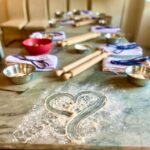
What You Actually Learn: Fettuccine, Ravioli, Tiramisu
This workshop is built around three iconic dishes, and each one teaches a different skill.
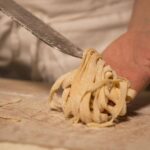
First up is fettuccine—the long, flat pasta that’s famous in Rome for a reason. You’ll practice making fresh dough and then rolling and shaping it into ribbons you can recognize at home.
Then you move to ravioli, where the challenge shifts from dough to detail. Ravioli is all about portioning and sealing so the filling stays put. This class focuses on hand-stuffed ravioli, which is the difference between “pasta that looks like ravioli” and the real thing.
Finally comes tiramisu, where you learn a totally different kind of cooking: assembly, timing, and balance. You’re not baking your way out of trouble. You’re building layers that should taste clean, creamy, and not overly wet.
If you like cooking as a craft, this structure is satisfying. If you just want a fun evening, it still feels rewarding because you’ll leave with edible proof.
Fettuccine Hands-On: Rolling Dough Like You Mean It
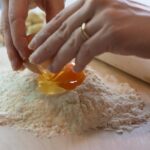
Fettuccine sounds simple, but it teaches the foundation of Italian pasta. The chef will guide you through kneading fresh dough until it feels elastic rather than sticky, then you’ll roll it out.
This is where you learn a key pasta lesson: texture changes everything. One of the most useful tips you might pick up is how to choose suitable flour for pasta. That’s the kind of small detail that makes a big difference once you try again in your kitchen.
In a good class, the chef doesn’t just tell you to roll. They help you learn how the dough should behave as it goes from sticky to smooth. You’ll shape it into fettuccine and understand the difference between dough that tears and dough that stretches.
Practical reality check: you will get messy. Wear clothes you don’t mind. The class is hands-on enough that flour on your sleeves is basically a souvenir.
Ravioli Time: Hand-Stuffed Without the Stress
Ravioli is the class moment where most people either feel proud… or panic briefly. The good news is that you’re not expected to be a pro on arrival.
You’ll make hand-stuffed ravioli, which means you form the pasta sheets and then portion and fill them yourself. The main challenge is sealing: you want a clean edge that stays closed when you cook. Done right, it’s delicate but sturdy. Done wrong, you’ll see filling escape and the ravioli loses that signature “bite” experience.
What makes this workshop worth your time is that you’re learning technique you can repeat. Instead of memorizing a recipe for one night, you learn how to portion and how to handle dough without tearing it.
And because the chef is working with you in the moment, you’re not stuck waiting for a slow demo. You’re shaping, adjusting, and fixing in real time—exactly what you want when you’re trying something new.
Tiramisu Building: A Dessert You Can Nail
Tiramisu is often treated like a throwaway dessert in tourist settings. Here, it’s taken seriously, which is how it should be.
You’ll create a luscious tiramisu with chef guidance. That usually means you’re working through the steps that make tiramisu taste like tiramisu: assembling the layers, getting the texture right, and understanding how the ingredients behave when they meet.
This is another reason the class works even if you’re not a pasta person. Pasta is physical. Tiramisu is precision. You switch gears and keep your brain engaged.
By the end, you’re not leaving hungry or guessing what you did wrong. You’ll taste what you built, and if something feels off, you’ll understand why. That’s how a cooking class turns into real skill.
You can also read our reviews of more tours and experiences in Rome
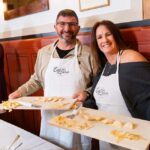


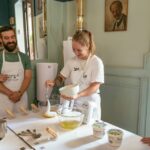
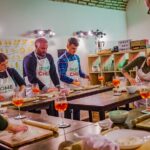
The Meal and Drinks: What Finishes the Night
Classes like this aren’t complete until you eat. Here, you sit down to enjoy the fruits of your labor—your pasta and your tiramisu.
Alcohol is part of the experience in this format. Multiple bookings note a glass of bubbly plus wine and limoncello, and the meal can include champagne with your choice of wine. That makes the class feel more like an evening with food, not a timed workshop.
If you prefer to skip alcohol, it’s worth asking ahead before you arrive. The description you see might not make the drinks totally obvious, so plan based on how you want your night to feel.
Either way, the meal is where the value clicks. You’re paying for ingredients, chef time, instruction, and a finished dinner, all rolled into one.
Price and Value: Is $69 Worth It?
$69 per person for a 3-hour cooking class in Rome can be a very fair deal, if you look at what’s included.
You get:
- Ingredients
- Expert chef guidance
- Hands-on making of fettuccine, ravioli, and tiramisu
- A meal you prepare
- A secret cookie recipe PDF
That’s not just “someone shows you how.” You’re using equipment, getting personalized help, and leaving with real food and take-home recipes. And because the class is hands-on, you’re more likely to remember what to do next time, which is where the value really shows up.
If you’re comparing it to a sit-down dinner, it’s also about more than calories. You’re buying time with a chef and learning skills you can reproduce.
One more value angle: a small group feel means the chef can actually troubleshoot your dough rather than giving generic advice from the front.
Logistics That Matter: Timing, Location, and Group Size
Duration is listed as 3 hours. That’s long enough to do real work without turning it into a full-day project. You’ll move through dough making, pasta shaping, and dessert assembly without the class dragging.
The meeting point may vary depending on the option you book, so don’t assume you’ll find it by guessing. Confirm the exact address details you’re given when you reserve.
Location is described as convenient compared with other classes that tend to cluster farther away. Translation: you should be able to fit this into a normal Rome day without treating it like a day trip.
Group size is a standout in the feedback. At least some sessions run as small as four people including you. That small-room setup is what makes the class feel supportive instead of chaotic.
Who Should Book (and Who Should Skip)
This class is ideal if you:
- Want a fun food-focused evening in Rome
- Like learning by doing, not just eating
- Have zero pasta experience (no prior cooking experience is required)
- Travel as a couple, group of friends, or family
- Want something more memorable than another meal out
It’s also suitable for vegetarians. If you have dietary restrictions, notify the team in advance so the class can adjust.
Skip it if:
- You have food allergies. The class is not suitable for people with food allergies, so don’t gamble with substitutions.
If you love Italian comfort food and you want the kind of cooking lesson you’ll repeat at home, this fits nicely.
Practical Tips: Wear This, Ask This
Bring comfortable clothes. You’ll be handling dough, and a little mess is part of the deal. Closed-toe shoes can make you feel steadier on kitchen floors.
A few smart things to ask before you go:
- If you have any dietary restrictions, tell them ahead of time so they can prepare a vegetarian-friendly approach.
- If alcohol is a concern for you, check how the meal is served and what’s included in your specific booking time.
Also remember:
- The instructor is English.
- Pets aren’t allowed.
- Smoking isn’t allowed.
If you use a wheelchair, the class is listed as wheelchair accessible. That’s a big plus for planning a day that works for everyone.
Should You Book This Rome Cooking Class?
Book it if you want an experience that feels personal, teaches real technique, and ends with a meal you helped create. The combination of fresh fettuccine, hand-stuffed ravioli, and proper tiramisu is hard to beat, especially in a class format designed for beginners.
Think twice if you have food allergies, and double-check about drinks if you’d rather keep alcohol out of your evening. Otherwise, this is the kind of Rome activity that gives you both memories and skills—plus a recipe PDF you can actually use later.
If your goal is to leave the city with more than photos, this class does that.
FAQ
How long is the Rome cooking class?
The class lasts 3 hours.
How much does it cost?
It costs $69 per person.
What dishes will I learn to make?
You’ll learn to make fettuccine, hand-stuffed ravioli, and tiramisu.
Do I need prior cooking experience?
No prior cooking experience is required.
What language is the instruction in?
The instructor teaches in English.
What’s included in the price?
The class includes all necessary ingredients, expert chef guidance, hands-on making of the three dishes, the meal you prepare, and a secret cookie recipe PDF.
Is the class suitable for vegetarians?
Yes, the class is suitable for vegetarians. You should notify them in advance if you have dietary restrictions.
What should I wear or bring?
Wear comfortable clothes, since you may get messy.
Is it wheelchair accessible?
Yes, it is listed as wheelchair accessible.
Can I cancel and get a full refund?
You can cancel up to 24 hours in advance for a full refund.