REVIEW · ROME
Rome: Ghosts, Legends, and Haunted History Night Tour
Book on GetYourGuide →Operated by Landmarks and Laughs · Bookable on GetYourGuide
Rome gets properly spooky after dark, on an 80-minute haunted history walk that strings together Beatrice Cenci, Giulia Tofana, and real execution sites in the city center. I love Mike’s punchy storytelling and his sense of place, and I love the route through Via Giulia where you hear how poison and punishment shaped daily life. The price is small, but the stories are big.
If grim topics like executions, poison, and ghost talk make you wince, you may want to skip this one. It’s an after-dark walk on old streets, so plan on comfortable shoes and a light jacket for the chill, and note it isn’t suitable for people with heart problems or wheelchair users.
In This Review
- Key things that make this night tour worth your time
- An 80-Minute Haunted History Walk That Fits After Dinner
- Where You Meet at Via del Banco di Santo Spirito 25
- Castel Sant’Angelo and Beatrice Cenci’s Severed-Head Legend
- Via Giulia, Giulia Tofana, and the Church of Death Crypt
- Via Monserrato’s Unsolved Crimes and Vanishing Stories
- Campo de’ Fiori: Giordano Bruno and the Public Execution Site
- Palazzo Farnese Secrets Behind the Renaissance Facade
- Why $19 Feels Like a Steal for an English Night Story
- Small Tips to Make This Spooky Walk Comfortable
- Should You Book the Ghosts, Legends, and Haunted History Night Tour?
- FAQ
- How long is the Rome Ghosts, Legends, and Haunted History Night Tour?
- What language is the tour guide speaking?
- Where do I meet, and where does the tour end?
- Do I need to bring anything specific?
- Is the tour wheelchair accessible or suitable for heart problems?
- Is transportation or food included?
Key things that make this night tour worth your time
- Mike’s storytelling style keeps the whole walk moving and fun, not stiff or scripted
- Castel Sant’Angelo + Beatrice Cenci start the tour with a famous tragedy and a bridge legend
- Via Giulia’s poisoner story (Giulia Tofana) explains how “escape” could turn deadly
- Church of Death and its crypt ties haunting to the city’s real treatment of unclaimed bodies
- Campo de’ Fiori connects ghostly vibes to Giordano Bruno and public executions
- Palazzo Farnese rumors add a last layer of dark intrigue before you finish in the square
An 80-Minute Haunted History Walk That Fits After Dinner
This tour hits a sweet spot for Rome at night: long enough to feel like an experience, short enough that you won’t be exhausted by the time you’re done. It’s built as an easy walking evening, aimed at people who want something more interesting than another museum ticket and photo line.
At $19 per person, you’re basically paying for a focused route plus a live guide who can talk history with atmosphere. Reviews consistently describe it as entertaining, safe-feeling, and good value for what you get in just 80 minutes.
You can also read our reviews of more historical tours in Rome


Where You Meet at Via del Banco di Santo Spirito 25
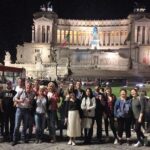
You start at Via del Banco di Santo Spirito, 25, by a barbershop with a big sign that says BARBIERE. The barbershop may be closed, so use the address and sign as your target instead of expecting it to be open.
The tour finishes back in Campo de’ Fiori, so it’s convenient if you’re already thinking about dinner plans nearby or a final stroll with gelato after. Since there’s no transportation included, it’s best to arrive already in “walk mode.”
Castel Sant’Angelo and Beatrice Cenci’s Severed-Head Legend
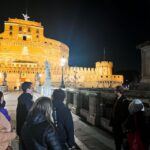
Castel Sant’Angelo sets the tone right away, and that matters. The guide starts at the fortress area and introduces the ghost of Beatrice Cenci, said to wander the bridge holding her severed head.
The story isn’t just spooky trivia. You get the tragedy behind it: an abusive father, Beatrice’s act of defiance, and her ultimate execution in 16th-century Rome—events that shocked people back then. In a city full of ruins and monuments, this kind of night telling helps you feel how close “dark events” once were to everyday life.
One practical benefit: starting with a major landmark gives you an anchor. Even if you’re not the type who believes in ghosts, you’ll still understand why people link certain places to certain stories.
Via Giulia, Giulia Tofana, and the Church of Death Crypt
The walk shifts from fortress drama to street-level history on Via Giulia, and that’s where the tour gets especially memorable. Here you hear about Giulia Tofana, a 17th-century poisoner who helped women escape unhappy marriages—with deadly results. It’s a brutal story, but it’s also oddly human because it’s about power, desperation, and the choices people had.
Then the route includes the Church of Death, a stop that combines architecture with a very particular purpose. It was built by a confraternity dedicated to burying unclaimed bodies, and the tour discusses the crypt below. That’s the part that lingers after you’ve left: the idea that the city’s “ghosts” weren’t only legends—they were also tied to real deaths and real handling of bodies.
If you like history that has consequences—political, religious, and social—this stretch delivers. You’re not just learning names; you’re seeing how institutions shaped what happened to people.
Via Monserrato’s Unsolved Crimes and Vanishing Stories
Between the big landmarks, you get quiet streets that feel right for the theme. Via Monserrato is described as a corner of Rome tied to whispers of unsolved crimes and eerie apparitions, plus mysterious disappearances connected to the area.
This is one of those stops where the guide’s pacing really matters. You’re walking through narrow space and dim light, and the stories give the street a different meaning. Even if you keep a skeptical brain turned on, the atmosphere does something practical: it helps you notice details you’d normally gloss over.
If you’re the type who enjoys turning on your imagination for a short, respectful time, you’ll probably love this section.
You can also read our reviews of more evening experiences in Rome

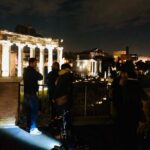
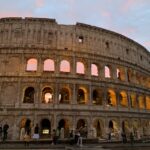
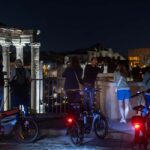
Campo de’ Fiori: Giordano Bruno and the Public Execution Site
By the time you reach Campo de’ Fiori, the tour moves from hauntings to something even heavier: public punishment. The area is tied to the site where people were executed, and the tour highlights the story of philosopher Giordano Bruno.
Bruno was burned at the stake in 1600 for his “heretical” beliefs. The square includes a bronze statue that acts like a pause button for the story—an oversized reminder that the city once treated ideas with fire and spectacle. Hearing this at night changes the feel of the square. During the day it’s just a place where people meet. At night, it’s harder to ignore what happened there.
This stop is also a good test for your own vibe. If you want spooky without moral weight, you might find it a bit intense. If you’re okay with grim history that explains how Rome worked, this is one of the most worthwhile parts.
Palazzo Farnese Secrets Behind the Renaissance Facade
Next comes Palazzo Farnese, and this is where the tour adds a “legend” layer over real historical prestige. The façade looks beautiful and powerful, but the rumor attached to it is even darker: a spirit of a woman said to be walled up alive centuries ago.
The tour’s framing helps you understand why this kind of story sticks around. A grand building holds status, and status often creates secrets—who lived where, who got pushed out, what happened off the public record. You’re not just hearing a ghost tale; you’re hearing a way people in Rome explain complicated events when they don’t have clean answers.
Why $19 Feels Like a Steal for an English Night Story
The big question: is this worth it? With a live guide, a route packed with recognizable names (Beatrice Cenci, Giulia Tofana, Giordano Bruno), and the chance of special access to certain areas when permitted, the value is strong.
Reviews reinforce the idea that the guide style is the real selling point. Many people highlight Mike as an engaging storyteller who keeps you entertained while teaching history. They also mention the experience feels personal, not like a script read while the group walks in a straight line.
A balanced note: if your idea of a great tour is quiet museum facts only, the tone here leans spooky and dramatic. But if you want a night walk where history feels alive, it fits the bill.
Small Tips to Make This Spooky Walk Comfortable
This is an 80-minute walking tour, and Rome streets can be uneven. Wear comfortable shoes that grip well, and bring a light jacket since it can get chilly at night.
If you’re worried about content, consider what you’re choosing. The tour includes executions and poison-related stories, plus haunted-history legends. That’s the theme, so it helps to be mentally ready for a darker Rome view.
Also, the tour is in English, so if you prefer English explanations over reading plaques, that’s a plus. And since food and drinks aren’t included, you’ll feel better if you eat dinner before you meet up.
Should You Book the Ghosts, Legends, and Haunted History Night Tour?
I’d book it if you want a short, story-driven way to see central Rome after dark, and you’re curious about how fear, punishment, and survival shaped the city. It’s especially good if you like tours where the guide has personality and the walk stays interesting from start to finish—people consistently mention that Mike keeps the mood fun while still covering serious material.
Skip it if you dislike grim history or if your health or mobility makes uneven night walking difficult. And if you already know every Roman tragedy and execution story, you might still enjoy the storytelling style, but you may not feel as much novelty.
If you’re on the fence, here’s my simple rule: choose this when you want atmosphere with context. That’s what this tour is built to deliver.
FAQ
How long is the Rome Ghosts, Legends, and Haunted History Night Tour?
The tour lasts about 80 minutes.
What language is the tour guide speaking?
The tour is guided in English.
Where do I meet, and where does the tour end?
You start at Via del Banco di Santo Spirito, 25 by the barbershop with a big sign that says BARBIERE. The tour ends back at Campo de’ Fiori.
Do I need to bring anything specific?
Bring comfortable walking shoes and a light jacket, since it can get chilly at night.
Is the tour wheelchair accessible or suitable for heart problems?
It is not suitable for wheelchair users and is not suitable for people with heart problems.
Is transportation or food included?
No. Transportation and food and drinks are not included.