REVIEW · ROME
Rome: Colosseum and Ancient Rome Guided Walking Tour
Book on GetYourGuide →Operated by Know my City · Bookable on GetYourGuide
The Colosseum feels louder with a great guide. This tour is built around live commentary and practical time-savers, so the big sights don’t blur into one more ancient photo stop. I also like that it includes headsets and skip-the-line entry, which makes a huge difference when you’re trying to hear explanations while walking fast through crowds. Guides named by recent guests—Alessandra and David show up often—are praised for passion and humor.
You’ll start inside the Colosseum, then work your way through the Roman Forum and up to Palatine Hill for wide views over Rome’s ruins. The main thing to consider is logistics: even with skip-the-line tickets, you may still face a line at the metal detector security check on busy days, and the route involves a fair amount of walking on uneven ground.
In This Review
- Key things you’ll notice on this tour
- Why this Colosseum–Forum–Palatine route is a smart use of time
- Entering the Colosseum: views, context, and what to look for
- The Roman Forum: the center of power, explained while you walk
- Palatine Hill: imperial ruins and the terrace panorama
- Guides and headsets: why hearing the story matters at these sites
- Timing, pacing, and what your day will feel like
- Price and value: what $58 buys you here
- Meeting point and the small stuff that can change your experience
- Who this tour suits best (and who should reconsider)
- Should you book this Colosseum guided walking tour?
- FAQ
- How long is the Rome Colosseum, Roman Forum, and Palatine Hill guided walking tour?
- Does this tour include tickets for the Colosseum, Roman Forum, and Palatine Hill?
- Are skip-the-line tickets included?
- What languages are offered for the live guide?
- What should I bring or wear?
- Is this tour suitable for wheelchair users or people with mobility impairments?
Key things you’ll notice on this tour

- Skip-the-line entry plus headsets to keep the whole experience easy to follow
- Colosseum time (about 75 minutes) focused on what you’re actually looking at inside
- Roman Forum stop (about 45 minutes) aimed at helping you understand Rome’s power center
- Palatine Hill terrace views paired with ruins linked to emperors
- A guide-led pacing plan with frequent chances to stop, listen, and take photos
Why this Colosseum–Forum–Palatine route is a smart use of time
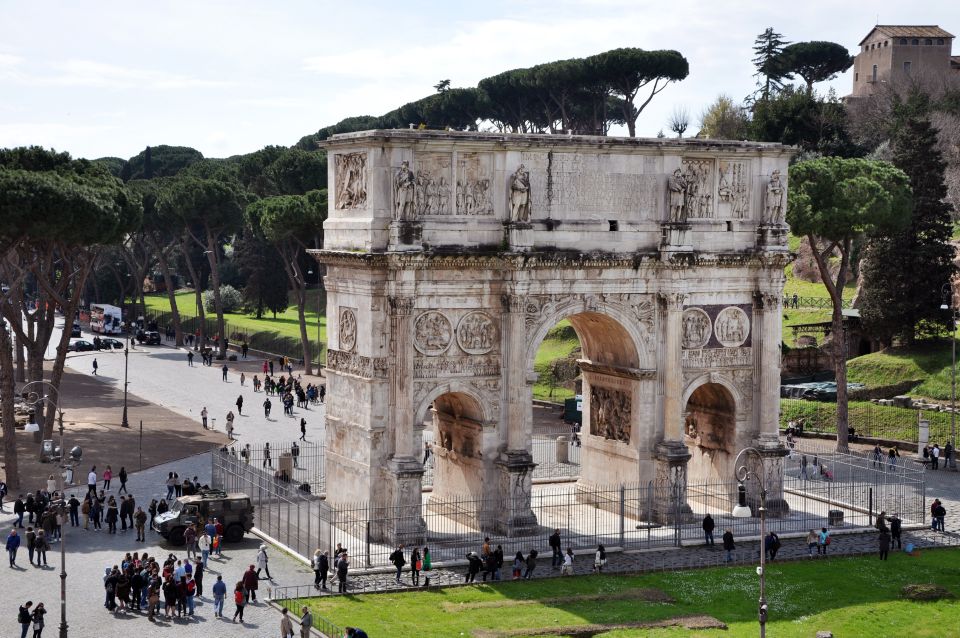
Rome’s ancient core can feel like a maze if you’re going it alone. This is a guided loop that keeps you moving through the three most important zones in a logical sequence: Colosseum first, then the Roman Forum, and finally Palatine Hill (though the order can swap—your guide will adjust if needed). The big value here isn’t just seeing three famous ruins. It’s learning how they connect: spectacle and power in the Colosseum, government and daily authority in the Forum, and the imperial backstory on Palatine.
You’re also not left guessing where to look. Your guide’s job is to point out what matters—so instead of staring at arches and columns, you start noticing patterns: entrances, levels, sightlines, and the way the buildings were used. That matters because these sites are old enough to look similar at first glance, even when the meanings are wildly different.
At $58 for a 2.5-hour walk that includes entry tickets for all three sites, headsets, and skip-the-line access, this is priced as a value tour. You’re paying for interpretation plus saved time, not just for standing near monuments.
You can also read our reviews of more walking tours in Rome


Entering the Colosseum: views, context, and what to look for
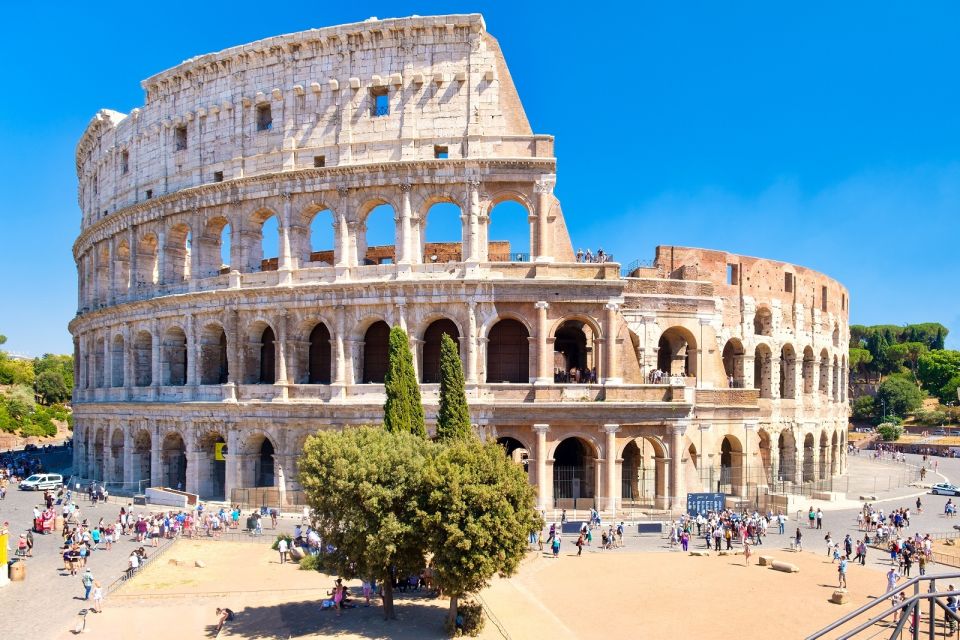
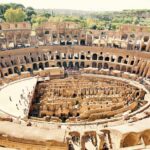
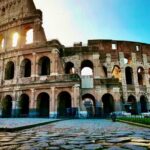
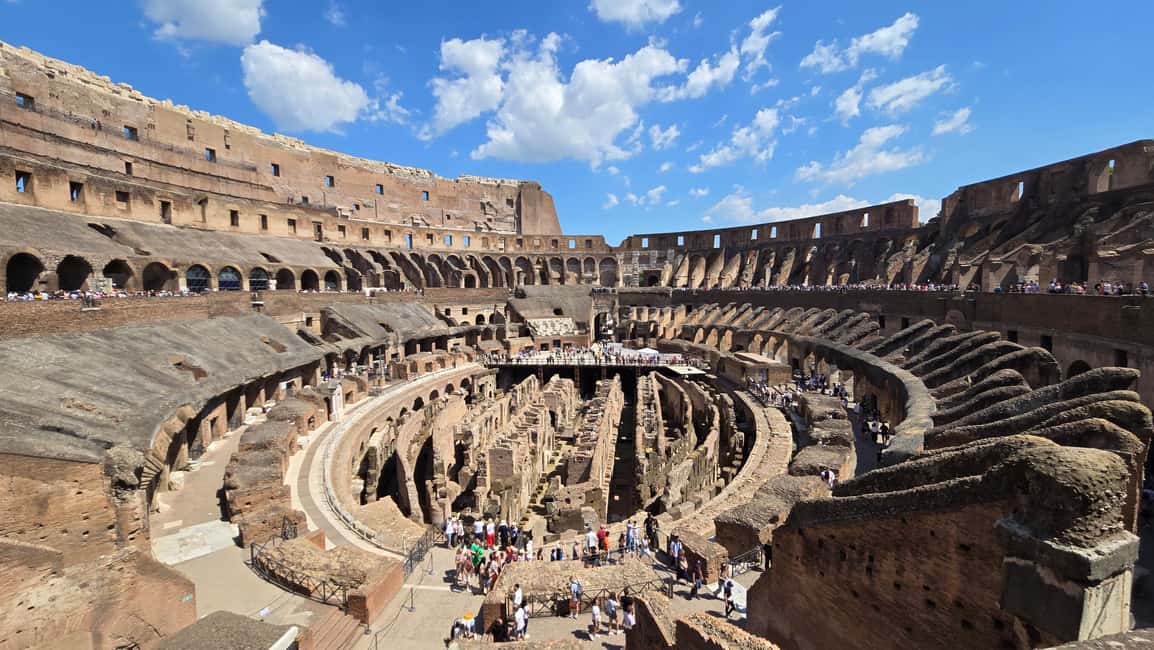
The tour’s heart is the Colosseum visit (about 75 minutes), and the experience is designed around being inside the amphitheater—not just outside it. You’ll start with guided live commentary as you step into the Colosseum, where your guide explains how it worked and what the space was built to do. Recent guests repeatedly mention guides who are both knowledgeable and entertaining, with humor showing up in many of the guide names shared—David, Radu, and Ragu are a few that came up.
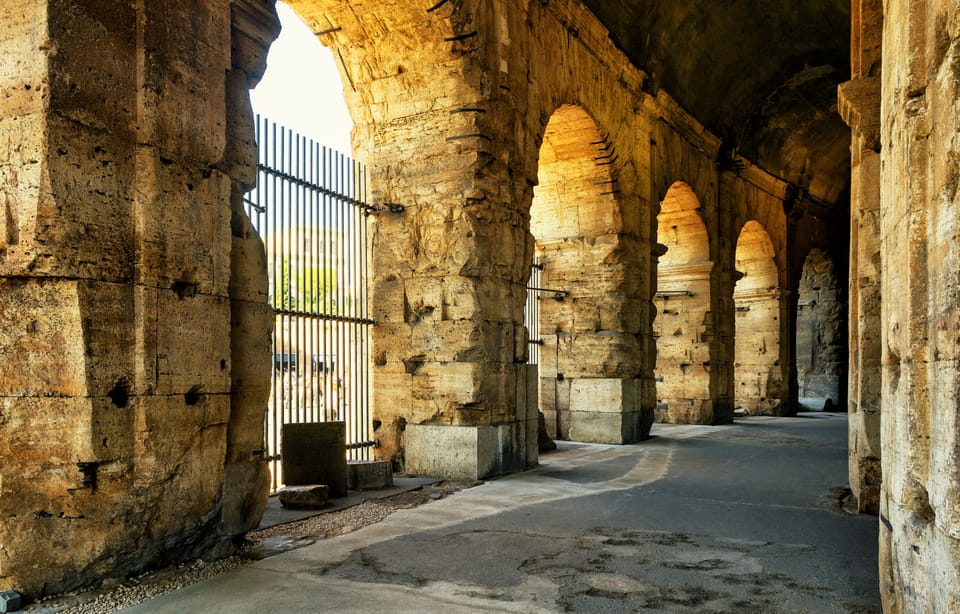
What I like about the Colosseum part is the way it’s structured around viewpoint moments. Your tour includes time on the first floor so you can take in views that would have made spectators feel close to the action. Even if you’ve seen pictures before, being there changes the scale quickly. The guide keeps you from getting lost in trivia by tying details back to what you’re seeing.
Practical reality check: on busy days, you’ll still need to pass security through a metal detector before you enter. The tickets are skip-the-line, but security can create a queue anyway. This isn’t a reason not to go—it’s just how Rome works in high season—so plan to arrive a bit early and keep your expectations realistic.
The Roman Forum: the center of power, explained while you walk
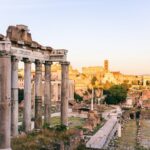
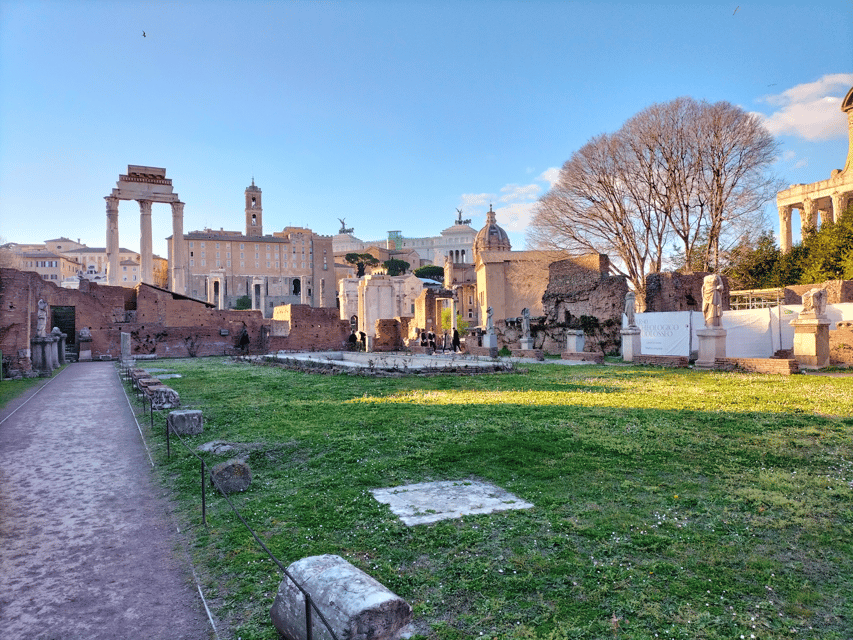
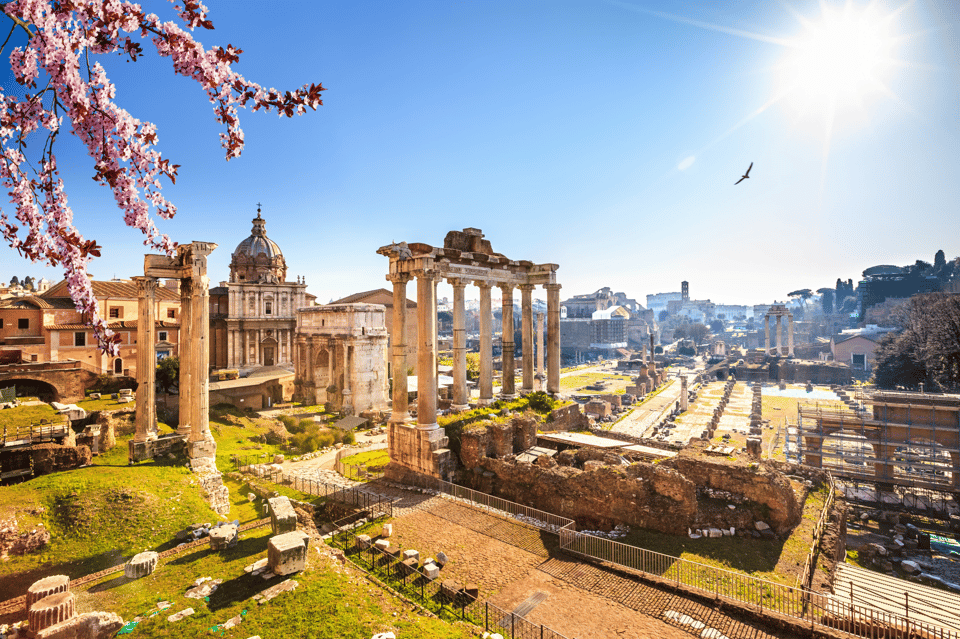
After the Colosseum, you head toward the Roman Forum (about 45 minutes). If the Colosseum is where Rome performed power, the Forum is where power ran on a daily schedule. This stop works best when you treat it like a guided walk-through, not a checklist.
Your guide helps you read the ruins in context: what the Forum meant, why people moved through it, and how it connected to the leaders whose names you’ll hear again on Palatine Hill. This is the part where you’ll start to connect the dots—who held authority, how public life was organized, and why so many decision points were built into the same area.
Even the way the tour is timed matters. A guided Forum visit is short enough that you don’t get bored, but long enough to stop at key points and understand what they are. Some guides are noted for showing pre-and post-ruin comparisons using photos, which can be genuinely helpful when stones look “too vague” to make sense on your own.
There’s also a nice bonus in how the day flows. The Forum feels less like a pile of old rocks because the Colosseum comes first. By the time you arrive, you’re already thinking like a Roman visitor—sports, politics, and status all in the same orbit.
Palatine Hill: imperial ruins and the terrace panorama
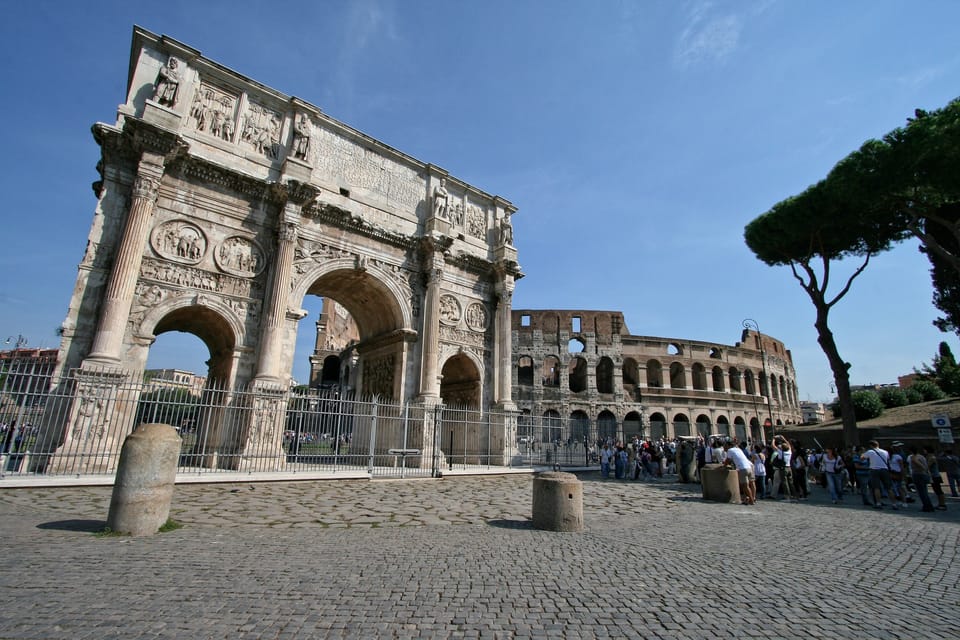
Palatine Hill is where the tour shifts from public life to personal power. You’ll spend about 45 minutes here, and the focus is on ruins associated with emperors and the lives of Rome’s rulers. If you want a sense of how leadership connected to place, this is the best stop on the route.
The tour includes time at a terrace viewpoint for panoramic views over Rome and its ruins. This is one of the parts you’ll remember, because the angle changes everything. From the Forum, the buildings feel close and broken. From Palatine Hill, you start seeing the broader map of ancient Rome’s scale—how the city’s layers overlap.
One more reason Palatine works well on a guided tour: it’s easy to get “lost” emotionally. It looks like ruins. The guide gives you a narrative so your brain knows what to connect. That’s where the best guides earn their tip—Radu and David, for example, are repeatedly described as making the history easy to follow and full of personality.
Guides and headsets: why hearing the story matters at these sites
This tour includes headsets, which is more important than you might think. In the Colosseum and Forum areas, sound bounces around and crowds keep moving. Without headsets, you spend half your day playing volume roulette—leaning in, losing words, then catching up later. With headsets, you can keep your attention on the guide’s explanations.
The other big theme in the experience is guide delivery. Many named guides from recent participants share similar traits: they’re lively, they answer questions, and they keep the group engaged without rushing. A few also stood out for being funny in a way that doesn’t feel forced, which helps because these ruins are emotionally heavy. You’re looking at places tied to violence, spectacle, and politics; humor is a way to keep your focus without flattening the seriousness.
Language support is solid too. The tour runs in Spanish, English, German, and French, so you’re not stuck with whatever language happens to be available that day.
You can also read our reviews of more guided tours in Rome






Timing, pacing, and what your day will feel like
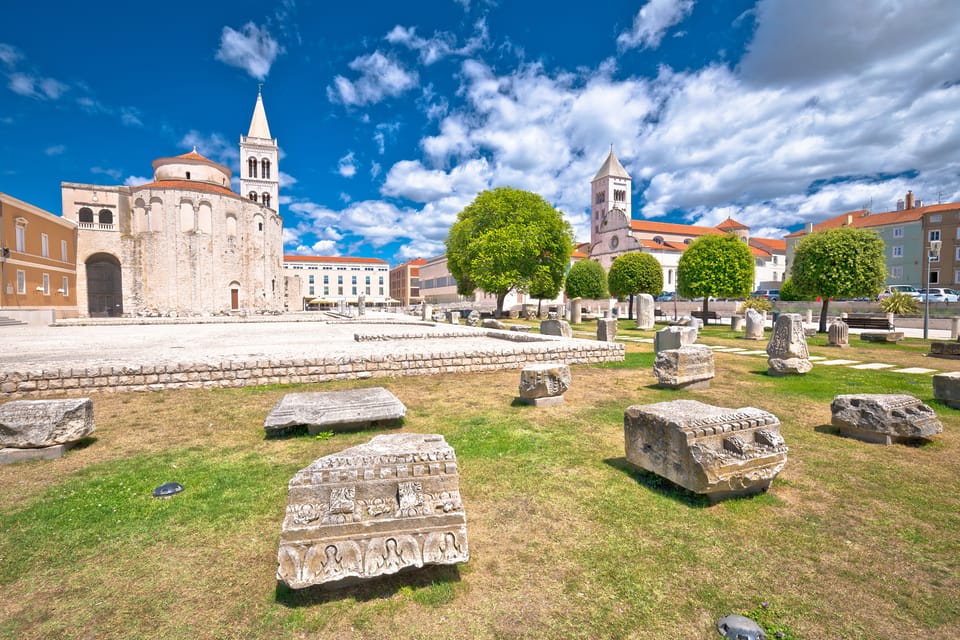
Total duration is about 2.5 hours, and it’s tightly packed: a short guided start (around 20 minutes) plus longer segments at each major site. That schedule is good if you’re trying to maximize daylight hours and avoid spending your whole vacation in one location.
Pacing is clearly part of the design. The guide-led stops give you chances to look up, listen, and take photos without the constant stop-start frustration you get on poorly organized tours. Still, you should expect an active walk. You’ll be moving through uneven stone paths and stepping up and down between viewpoints.
Also note an itinerary flexibility point: the order can change, and it’s possible you visit the Roman Forum and Palatine Hill before the Colosseum. That doesn’t usually hurt the experience—your guide will still connect the story across the three stops—it just means you should stay flexible about the sequence.
Price and value: what $58 buys you here
At $58 per person, the value comes from what’s included, not just the sticker price. You get:
- Colosseum, Roman Forum, and Palatine Hill entry tickets
- Headsets to hear the guide
- Skip-the-line tickets for entry
If you were doing this on your own, you’d still pay for tickets and you’d lose the time savings that come from having a coordinated group entry and a guide who tells you what each stop means. You’re paying for less guesswork and less wasted time standing around while everyone else figures out where to go.
My practical take: if you care about understanding what you’re seeing, a guided loop like this is usually worth it in Rome’s top sights. If you’re the type who loves reading on your own and doesn’t mind missing context, you could go independently. But for most people, the guide makes the ruins feel like a story instead of a scatter of stones.
Meeting point and the small stuff that can change your experience
Your meeting point may vary depending on the option you book. In other words, don’t treat the address like a guarantee that it will be exactly the same for every slot. The good move is simple: arrive early, then ask staff for help finding your group.
One more reality check: the guide says the meeting time might shift slightly, and you should be ready for that. On busy days, the security line can also affect timing. The tour includes skip-the-line access, but security checks still exist, so keep your day flexible enough to handle a short delay.
What to bring is also straightforward:
- Passport or ID card
- Comfortable shoes
And follow the site rules. Large bags and luggage aren’t allowed. Drones, selfie sticks, and weapons aren’t allowed, and there are also restrictions on sprays/aerosols and glass objects.
Who this tour suits best (and who should reconsider)
This is ideal for you if you want a guided Rome highlight in a single morning/afternoon block. It’s especially good when you want:
- a clear story across the Colosseum, Forum, and Palatine Hill
- audio support via headsets
- less time figuring things out on your own
It may not be the best fit if you use a wheelchair or have mobility impairments, since the tour is not suitable for mobility impairments and involves walking on uneven surfaces.
If you’re traveling with a family, this can also work well because guides often tailor explanations to keep attention, and the headset audio helps kids and adults hear the same story.
Should you book this Colosseum guided walking tour?
Book it if you want the most famous ancient sites in Rome with a guide who explains what you’re looking at—without turning it into a slow museum crawl. The $58 price makes sense when you factor in the bundled entry tickets, headsets, and skip-the-line benefit, plus the repeated pattern of enthusiastic guides (including Alessandra, David, and Radu) who manage to make the sites understandable and fun.
Skip or consider an alternative if you hate crowds, know you’re sensitive to security lines, or don’t want a walking-focused plan. Rome is Rome—security checks and queues can happen—so plan your day accordingly.
If you book, do one thing that improves everything: wear shoes that handle uneven stone, and arrive a bit early so the first minutes don’t become stressful.
FAQ
How long is the Rome Colosseum, Roman Forum, and Palatine Hill guided walking tour?
The tour duration is 2.5 hours.
Does this tour include tickets for the Colosseum, Roman Forum, and Palatine Hill?
Yes. Entry tickets for the Colosseum, Roman Forum, and Palatine Hill are included.
Are skip-the-line tickets included?
Yes, skip-the-line tickets are included. However, you may still need to queue for the metal detector security check on busy days.
What languages are offered for the live guide?
The live tour guide is available in Spanish, English, German, and French.
What should I bring or wear?
Bring a passport or ID card and wear comfortable shoes.
Is this tour suitable for wheelchair users or people with mobility impairments?
No. It is not suitable for people with mobility impairments or wheelchair users.