REVIEW · ROME
Rome: City Highlights Walking Tour with Local Guide
Book on GetYourGuide →Operated by Welcome to Rome tours By custom global · Bookable on GetYourGuide
Rome clicks into place fast when you have a local voice. This walk ties together 2,000 years of Rome with night-friendly stops and big-sight viewpoints you can actually enjoy on foot. I particularly liked the panoramic Rome views and the way the guide connects what you see to the stories behind it, from Hadrian to Baroque art.
One thing to note: you won’t go inside the major monuments. That’s great for keeping the pace moving and the tour budget-friendly, but it’s not the right choice if you’re hoping for indoor tickets during the walk.
I also like that the group stays small (max 20), and the tour uses headsets when needed so you can hear clearly. In the reviews, guides like Lucas, Emiliano, and Eleonora come through as genuinely fun and well-prepared, with English that’s easy to follow even when you’re bouncing between landmarks.
In This Review
- Key Reasons This Walk Feels Worth Your Time
- Starting at Castel Sant’Angelo: Hadrian’s Mausoleum, Archangel Name Included
- Crossing the Angel’s Bridge: Bernini’s Touch on an Ancient Span
- Piazza Navona’s Baroque Squares and the Stadium Under It
- Pantheon Without Going Inside: Still One of Rome’s Best Architecture Lessons
- Trevi Fountain Coin Toss: A Cultural Ritual With a Built-In Ending
- Piazza Venezia and the Vittoriano: When Power Turns Into Monument
- Capitoline Hill Finish: The Word Capital and the View Over the Roman Forum
- Pace, Headsets, and Why Group Size Actually Matters
- Practical Value: Why $23 Can Work in Rome (and What’s Not Included)
- Which Kind of Traveler Should Book This Walk?
- Should You Book This Rome City Highlights Tour?
- FAQ
- How long is the Rome City Highlights walking tour?
- Where do we meet the guide?
- Is the tour inside any buildings?
- What landmarks will we see?
- Will we have audio to hear the guide?
- What languages is the tour offered in?
- Does the tour run in bad weather?
- What’s included in the price?
Key Reasons This Walk Feels Worth Your Time
- Small group (up to 20) with headsets when the group is bigger than 5
- Night atmosphere and viewpoints that help you read Rome at human speed
- Baroque squares with real stories, not just postcard facts
- Major landmarks in one route, from Castel Sant’Angelo to Capitoline Hill
- Good ending point near Piazza Venezia, so you’re not stuck across town afterward
Starting at Castel Sant’Angelo: Hadrian’s Mausoleum, Archangel Name Included
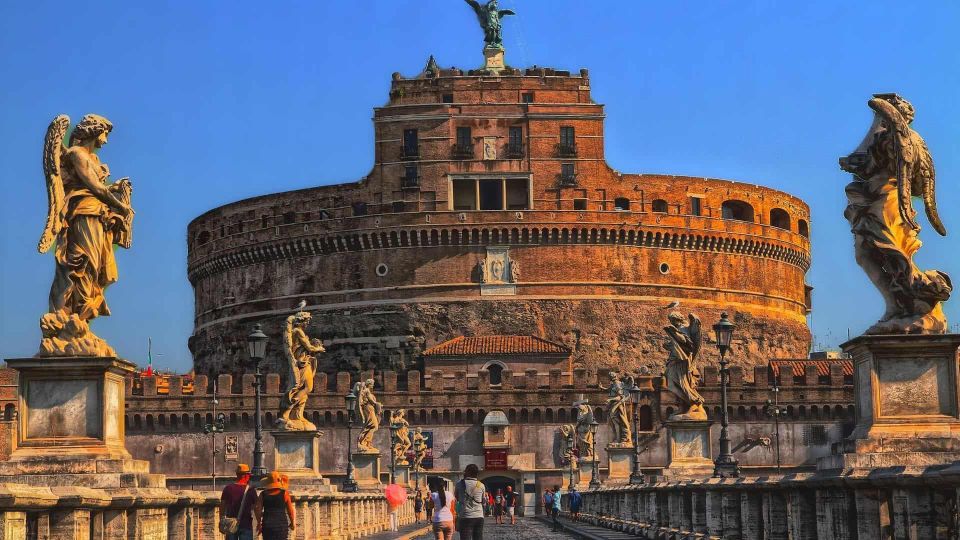
Meet at Castel Sant’Angelo, right by the main entrance, and you start in a place that instantly anchors you in Roman time. The building is famously linked to Archangel Michael in name, but it was originally built as the Mausoleum of Emperor Hadrian in 139 AD. That mix of pagan-era origins and later Christian association is one of the big themes of Rome.
From the start, the guide’s job is to help you look with your ears and eyes at the same time. You learn what the landmark was meant to be, and then you see how later Rome rebranded it without erasing the past.
You can also read our reviews of more walking tours in Rome


Crossing the Angel’s Bridge: Bernini’s Touch on an Ancient Span
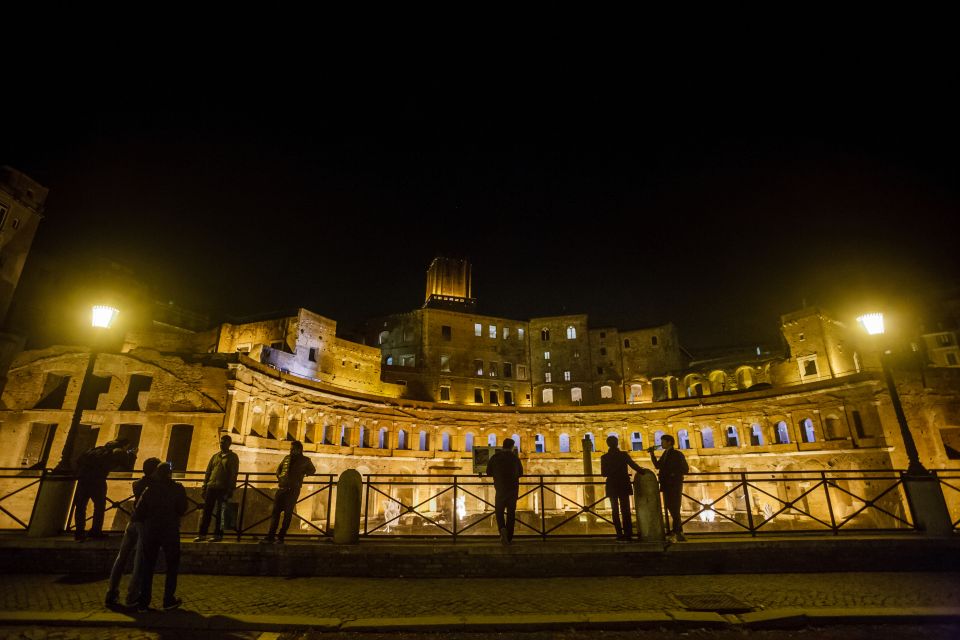
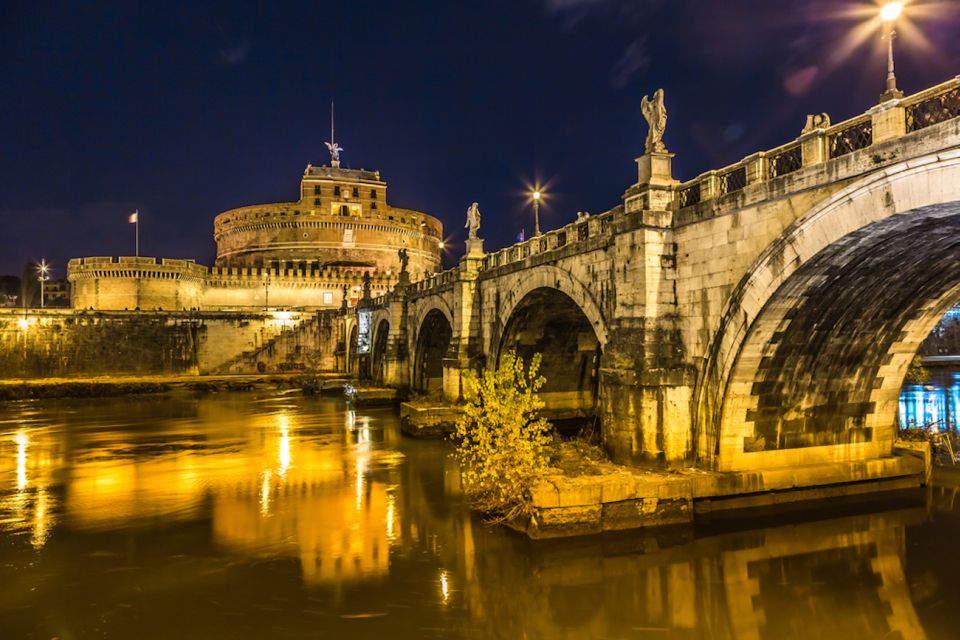
The tour then moves across the Pons Aelius, which today is better known as the Angel’s Bridge. This stretch is a fast walk, but it matters because it links the route you’ll follow in your head for the rest of the evening.
What makes it interesting is the Baroque layer added to an older structure—Gian Lorenzo Bernini is tied to the bridge’s decoration. When you’re out there on the bridge, the scale feels grand, but the story makes it more than a photo stop. You’re crossing a pathway that has carried power, processions, and big city symbolism for centuries.
Piazza Navona’s Baroque Squares and the Stadium Under It
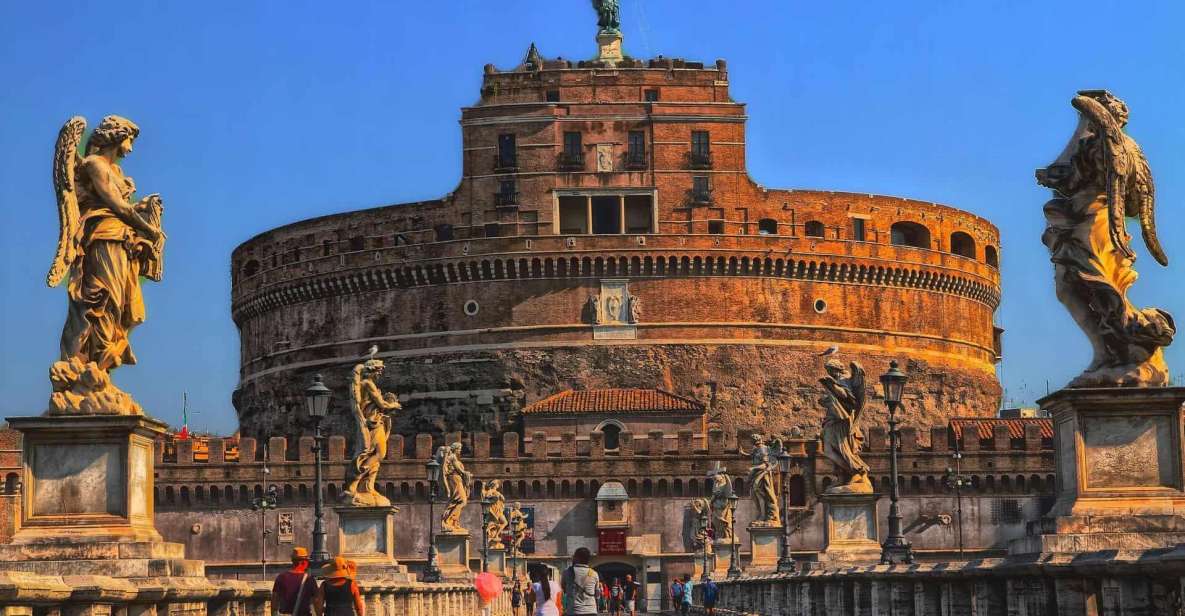
Next comes Piazza Navona, and it’s one of those Rome scenes where you can’t help but slow down. The square is known for the Fountain of the Four Rivers, and the church of Sant’Agnese in Agone adds a dramatic backdrop.
Here’s the kind of detail that makes a guided walk worth it: the square wasn’t always a piazza. It was once a stadium for athletic games, built in the 1st century AD by Emperor Domitian. So when you look at the open space around the fountain, you’re not just seeing Baroque design—you’re seeing the ghost of an earlier purpose.
The guide-style that shows up in reviews (fun, enthusiastic, and fact-forward) is especially helpful here. You want someone who can point out what’s Baroque theater versus what’s simply old city layout.
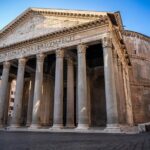
Pantheon Without Going Inside: Still One of Rome’s Best Architecture Lessons
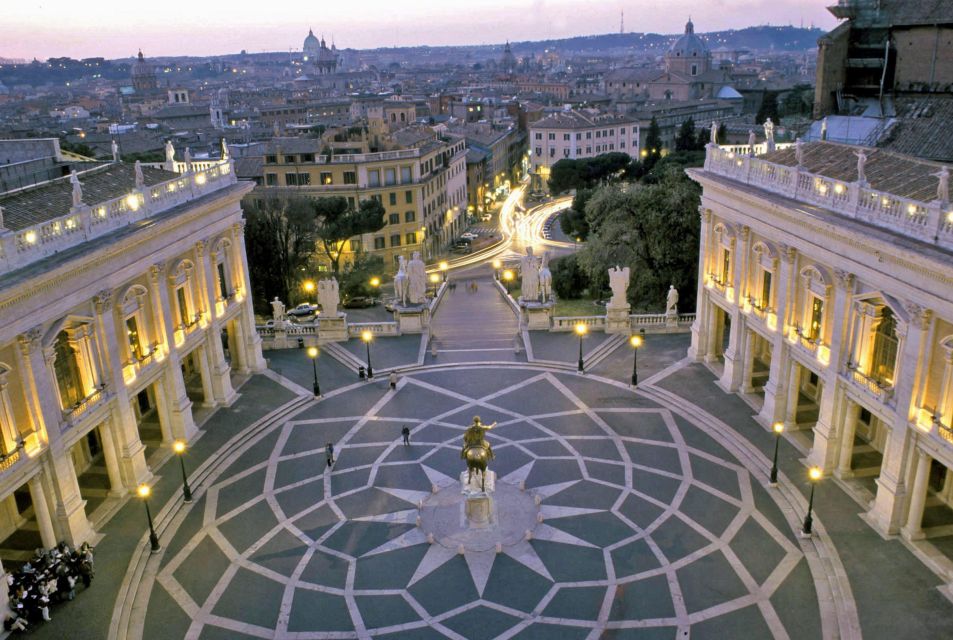
At the Pantheon, the tour doesn’t promise an interior visit, so you’ll focus on what you can appreciate from outside. That still works, because the Pantheon is about form and proportion as much as it is about access.
You’ll hear it described as both pagan temple and Catholic church—plus a masterpiece of architecture. It’s also tied to being a mausoleum for important artists of Italy, which helps you understand why this building kept its cultural weight even after Rome’s religious and political worlds changed.
Because the tour is built as an efficient walking route, you’ll get context quickly, not a long lecture. If you’re the type who likes to understand what you’re looking at in real time, this stop hits the sweet spot.
Trevi Fountain Coin Toss: A Cultural Ritual With a Built-In Ending
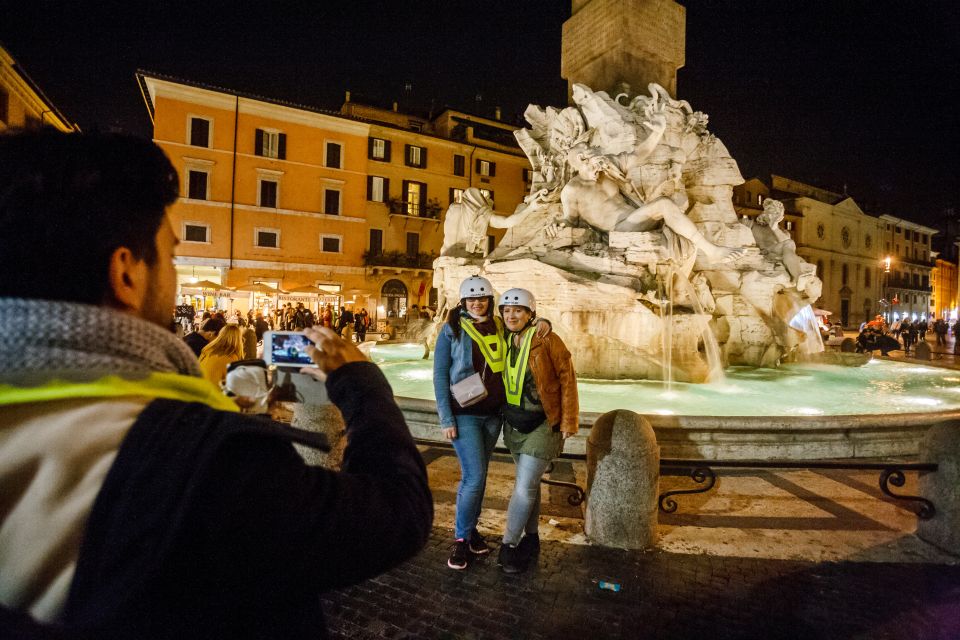
From the Pantheon, you head east toward one of the most famous fountains on the planet: Trevi Fountain. The classic ritual is part of the experience—you’ll have time to toss a coin to help ensure your return to Rome.
What you’ll get beyond the cliché is interpretation: why this fountain became such a magnet, and how it fits into the way Rome stages beauty. Even if you’ve seen photos before, being here at street level changes your sense of scale.
Also, this is the kind of stop where a prepared guide makes the difference. Reviews highlight guides who are ready with stories and also practical tips. When you’re moving through a city with iconic crowds, context helps you enjoy the place instead of just enduring it.
You can also read our reviews of more guided tours in Rome






Piazza Venezia and the Vittoriano: When Power Turns Into Monument
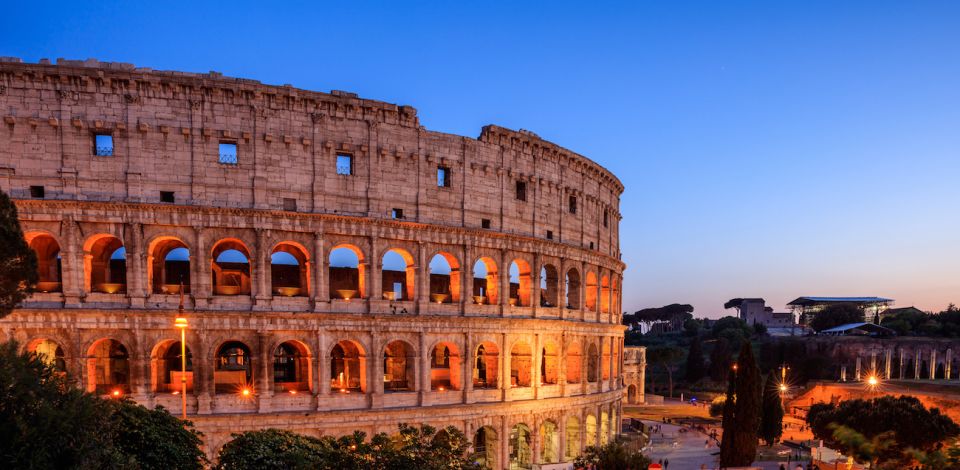
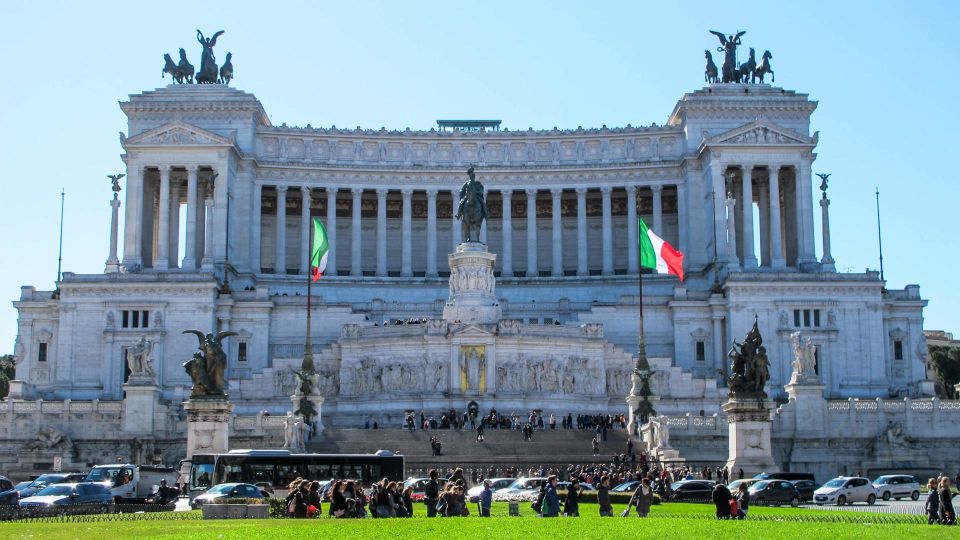
Piazza Venezia brings you to the imposing Vittoriano and the altar of the fatherland. This is a different emotional register than the Pantheon or the baroque squares. The Vittoriano is about monumental visibility—the way a nation (or a state) chooses to speak through stone.
If you care about the layers of Rome, this stop is a useful reminder that Rome isn’t only ancient ruins and elegant churches. It’s also 19th- and 20th-century identity made physical.
The guide’s commentary matters here because the Vittoriano can feel like a wall if you don’t know what you’re meant to read. With the right framing, it becomes a strong waypoint in the route rather than just a big structure to pass.
Capitoline Hill Finish: The Word Capital and the View Over the Roman Forum
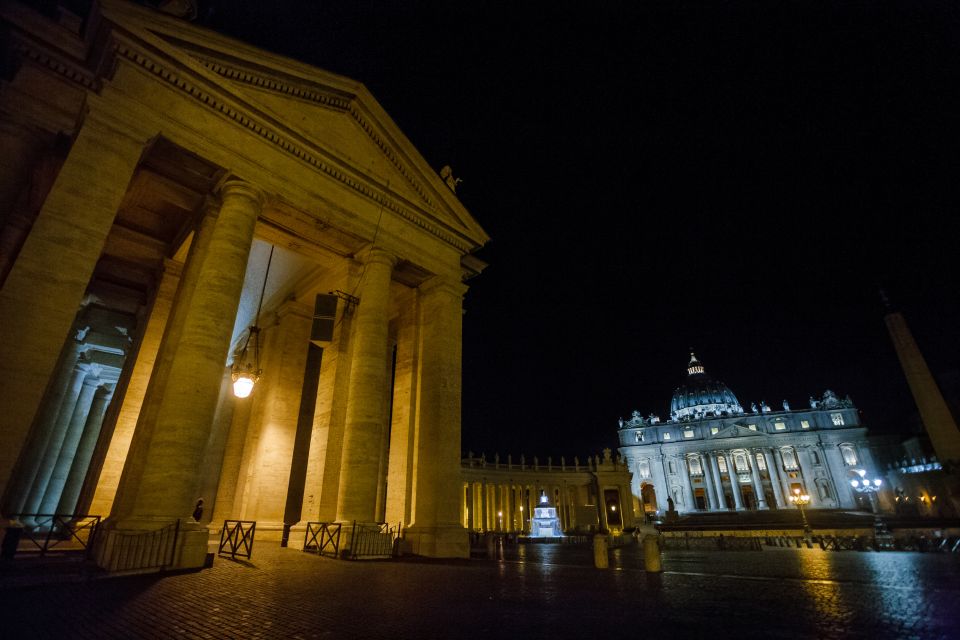
The final stop is Capitoline Hill—one of Rome’s seven hills—and it’s where the word capital gets its name. You’ll learn that the area originally hosted the temple of Jupiter in ancient Rome, and today it houses the city hall and the Musei Capitolini.
A key payoff is the design connection to Michelangelo. You’ll also get an incredible view over the ruins of the Roman Forum from the back of the City Hall. That moment is the “Rome makes sense” payoff: you see why this hill mattered, and you can visually connect what came before to what you’ll explore next on your own.
The walk ends at Campidoglio square, and you’re positioned well for the next day’s wandering—right near Piazza Venezia, with easy transit connections toward major sights.
Pace, Headsets, and Why Group Size Actually Matters
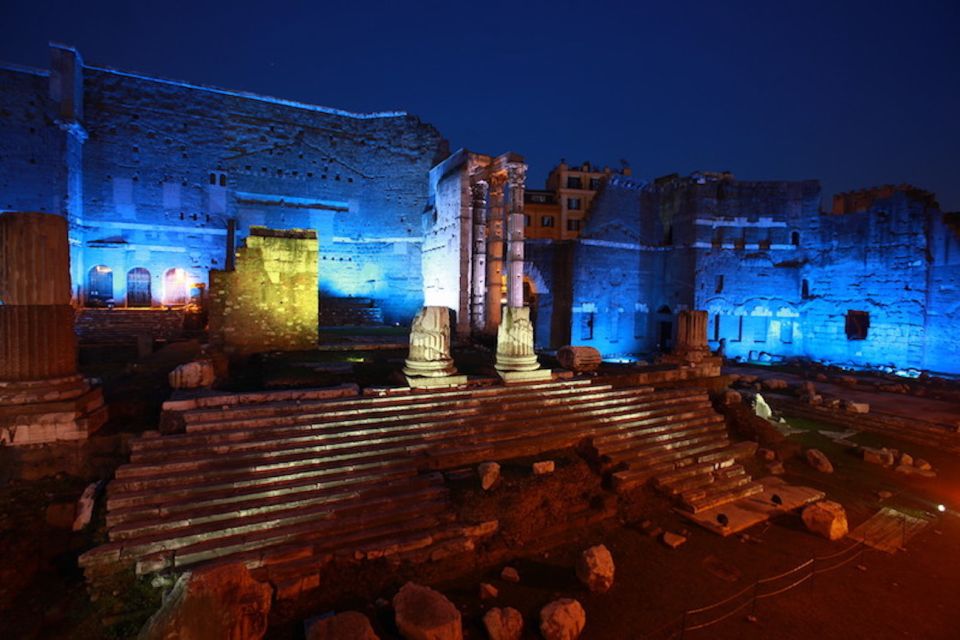
This is a 2.5-hour walking experience, though the tour length may stretch to about 3 hours depending on group pace and size. That flexibility is normal, but it’s worth knowing if you’re trying to pack in dinner plans afterward.
The tour is capped at 20 participants, which is small enough to keep it human. If the group is larger than 5, you’ll use headsets to hear your guide clearly. That’s not just comfort—it helps you stay engaged, especially when you’re outdoors and sound carries.
And since it runs rain or shine, your experience will depend partly on weather. In Rome, that usually means you’ll appreciate the guide more when you can’t casually take extra photo stops.
Practical Value: Why $23 Can Work in Rome (and What’s Not Included)
At $23 per person for a 2.5-hour guided walk, the value is mostly in three places: a licensed guide, a focused route with major landmarks, and the audio help (headsets when needed). You’re not paying for entry tickets during the walk, which keeps the price low and the schedule steady.
What’s not included is also important. You won’t have food, drinks, or hotel pickup/drop-off. If you want a drink or gelato after the walk, plan that separately. If you want to go inside the Pantheon or other buildings, you’ll need to arrange tickets on your own.
So the smart way to use this tour is as your orientation and connection tool. You get the stories and the layout, then you decide later what deserves your paid entry time.
Which Kind of Traveler Should Book This Walk?
I think this tour is ideal if you want a quick Rome “read” without feeling lost. It’s especially good for first-time visitors who need a backbone of context, and also for repeat visitors who still want better explanations of what they’ve walked past.
It also fits history lovers who like a theme. The tour frames Rome as layered—pagan, imperial, medieval, Baroque, and modern—so even short stops feel meaningful.
If you strongly prefer indoor museum time or timed-entry experiences, you might feel limited because there’s no building entry included. In that case, use this walk as the foundation and pair it with separate ticketed attractions later.
Should You Book This Rome City Highlights Tour?
Yes—if you want a low-cost, small-group, guided route that helps you understand Rome quickly. I’d book it early in your trip because it ends near major transit and key sights, and it gives you language for everything you’ll see afterward.
I’d also book it if you enjoy guides who are lively and prepared. Reviews specifically call out English that’s excellent (Emiliano), warmth and storytelling (Lucas), and contagious enthusiasm (Eleonora). That kind of guide energy matters most when you’re walking and listening for a couple hours.
If you’re the type who needs indoor access during a tour, consider pairing this with a separate ticket-based activity. Otherwise, this is a practical way to make Rome feel like a city with a plot, not a list of landmarks.
FAQ
How long is the Rome City Highlights walking tour?
The tour is scheduled for about 2.5 hours, and it may run up to 3 hours depending on the group pace and size.
Where do we meet the guide?
Meet your guide in front of the main entrance of Castel Sant’Angelo.
Is the tour inside any buildings?
No. There is no entry into any of the buildings during this walking tour.
What landmarks will we see?
You’ll pass by or stop at Castel Sant’Angelo, Piazza Navona, the Pantheon, Trevi Fountain, Piazza Venezia and the Vittoriano, and you’ll finish at Capitoline Hill on Campidoglio square.
Will we have audio to hear the guide?
Yes. Headsets are provided if the group is more than 5 people.
What languages is the tour offered in?
The tour is listed as having a live guide in English and Spanish, but there’s also a note that the tour will be given in English only.
Does the tour run in bad weather?
It takes place rain or shine.
What’s included in the price?
Included are the tour guide and headsets (when needed). Food, drinks, and hotel pickup/drop-off are not included.
If you want, tell me your travel dates and whether you’re more into ancient ruins or Baroque art—I can suggest the best way to plan the rest of the day after you finish near Piazza Venezia.