REVIEW · ROME
Rome by Night: 3-Hour Guided Walking Tour
Book on GetYourGuide →Operated by Enjoy Rome · Bookable on GetYourGuide
Nighttime makes Rome feel brand new. This 3-hour guided walk hits the big icons—Piazza Navona, Pantheon, Trevi Fountain, Capitoline Hill, and the Colosseum—when the light is softer and the city feels less like a checklist. I especially like the sundown atmosphere and the headsets, which keep the story clear even when you’re moving.
What really makes this tour worth your time is the focus on context, not just photos. You get a full overview of the Roman Forum area, including the Imperial Forums, tying monuments together so they start making sense. You also enjoy a less crowded pace than daytime sightseeing, which makes the whole evening feel more human.
One heads-up: inside access is limited. The tour runs when many monuments and sites are closed in the evening, so plan on mostly exterior viewing and street-level atmosphere rather than big-ticket interior stops.
In This Review
- Key Highlights You’ll Feel During the Walk
- Why a 3-Hour Night Walk Beats Daytime Rome
- Meet Outside Colosseo: The Simple Part That Saves Stress
- Piazza Navona After Dark: When the Square Looks Like a Stage
- Pantheon and Trevi Fountain: Two Icons, One Evening Pace
- Capitoline Hill View: The High Ground Lesson
- Colosseum at Night: Floodlit, But Not an Access Ticket
- Roman Forum and the Imperial Forums: Where the Story Clicks
- Guide Quality and Headsets: Why This Tour Works in Real Life
- Price and Value: Is $66 a Good Deal?
- Who This Night Tour Is For (and Who Might Skip It)
- Quick Practical Notes Before You Go
- Should You Book Rome by Night?
- FAQ
- What is the duration of the Rome by Night guided walking tour?
- Where do we meet for the tour?
- What sights are included on the route?
- Are headsets provided?
- Are entrance fees included?
- Is the tour guide available in English?
- Is the tour wheelchair accessible, and are pets allowed?
Key Highlights You’ll Feel During the Walk
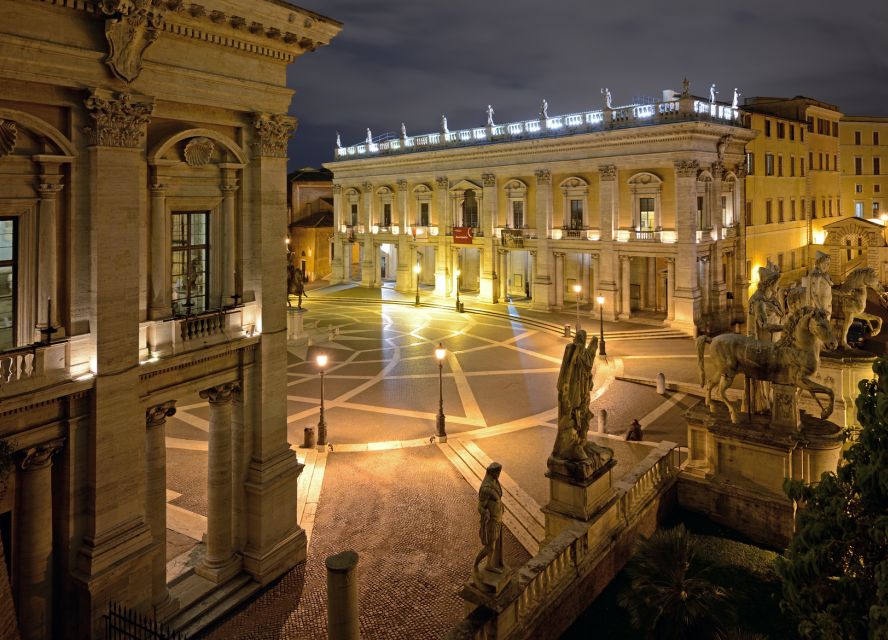
- Sundown timing that turns famous façades into dramatic silhouettes
- Headsets included, so you can actually hear the guide without leaning in
- Roman Forum and Imperial Forums overview that connects the dots fast
- Top sights in one route, so your first evening gives you real bearings
- Short moments to look around on your own, not just marching nonstop
- English-only live guide, with strong reviews for engaging delivery
Why a 3-Hour Night Walk Beats Daytime Rome
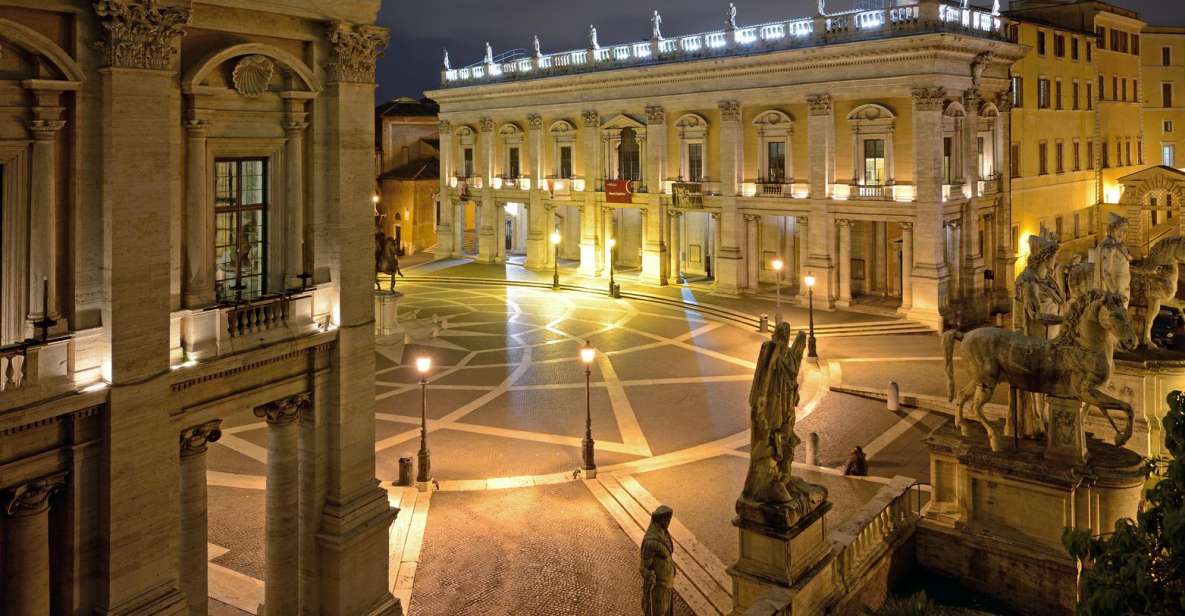
Daytime in central Rome can feel like you’re competing for sidewalk space. A night tour changes the math. The streets are calmer, the monuments look taller in the floodlight, and your photos tend to look more cinematic because the sky isn’t pure daylight.
This walk is also built for understanding. I like tours that help you read what you’re seeing. Here, the pacing makes it easier to connect architecture and political history—especially around the Forum, where it’s easy to feel like you’re looking at “random ruins” if nobody explains what you’re standing in front of.
And the length is smart: 3 hours is long enough for momentum, but short enough that you’re not stuck doing a grueling marathon after a full travel day. If you arrive in Rome and want an evening that helps everything click, this is a solid first-week move.
You can also read our reviews of more walking tours in Rome

Meet Outside Colosseo: The Simple Part That Saves Stress
The meeting point is outside metro station Colosseo (B Line), between the green news stand (Kiosk) and the yellow bus stop. Show up 25 minutes early. That buffer matters because Rome is busy, and finding the exact spot while coordinating with your group is easier before the start time.
Once you’re there, you’ll be glad the tour includes headsets. That’s one of those practical upgrades you don’t realize you need until you’re listening while walking past echoes, traffic noise, and other tour groups.
Quick reality check: you’re on foot for about 3 hours at night. Wear shoes you trust. If your feet hate you in the daytime, they’ll hate you more after dark.
Piazza Navona After Dark: When the Square Looks Like a Stage
Piazza Navona is one of those places that feels designed for evening. At night, the open square stops being just a sight and becomes a setting. The buildings and fountains glow, and you can actually take in the layout without the daytime crush.
This stop is also useful for orientation. You’re not only seeing an icon—you’re getting a sense of how Rome’s public spaces work: open areas framed by architecture, with history and daily life happening in the same geography.
Expect your guide to frame what you’re looking at and connect it to Rome’s broader story. The best part of a guided night walk is that the guide helps you notice details you’d otherwise miss, like how the space feels and how that “designed openness” ties into the city’s older traditions.
Pantheon and Trevi Fountain: Two Icons, One Evening Pace
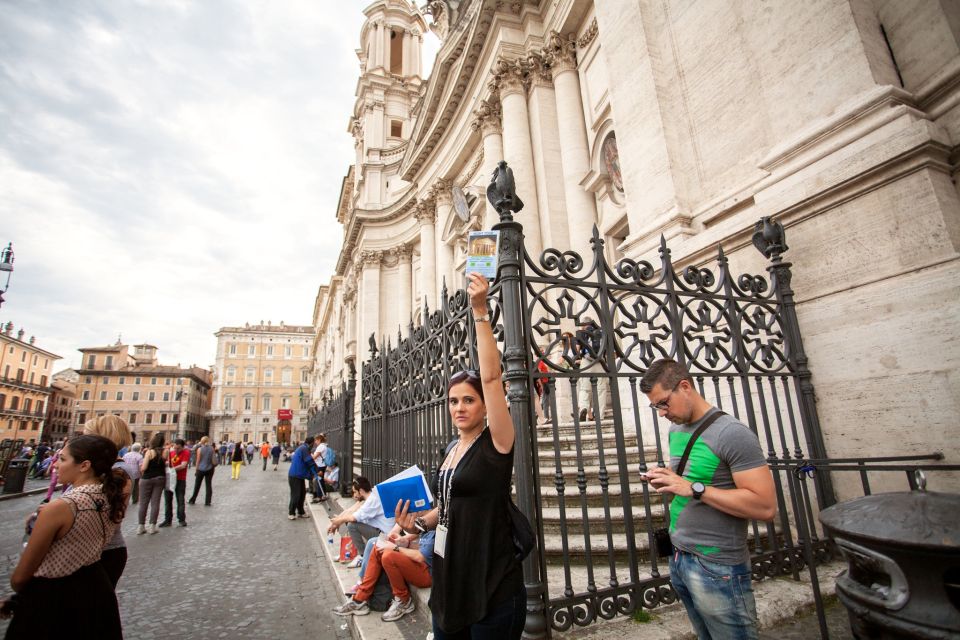
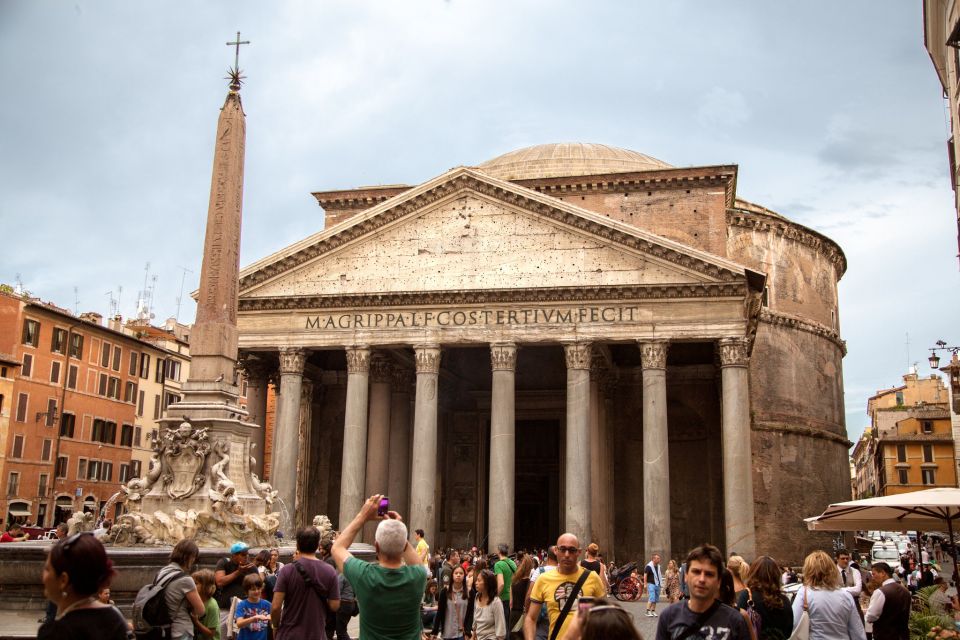
Pantheon is the kind of monument that can feel almost too perfect in photos. Seeing it at night helps. You get a calmer mood and a better sense of the massing—how it dominates the street without needing a crowd.
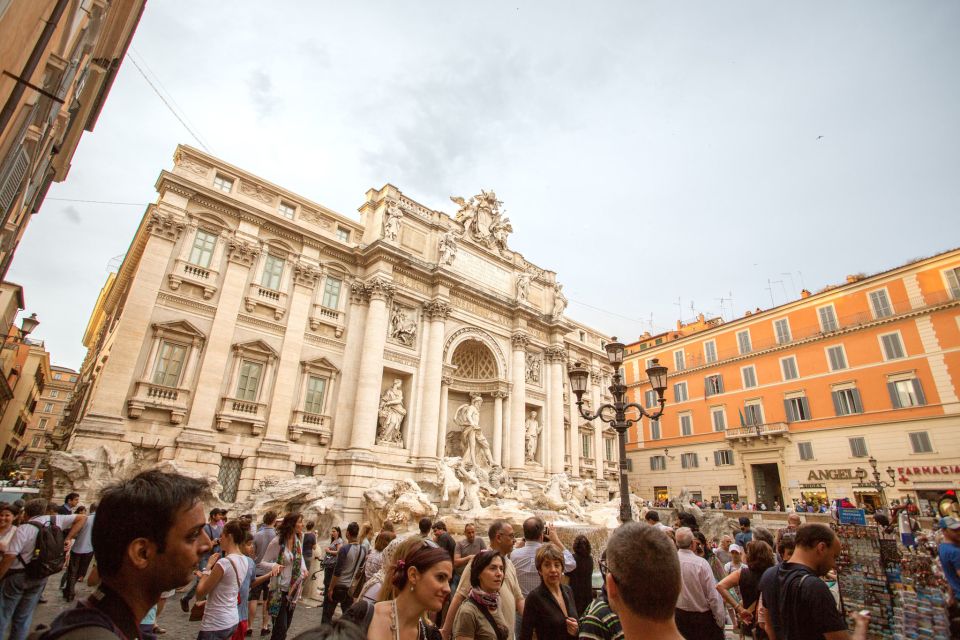
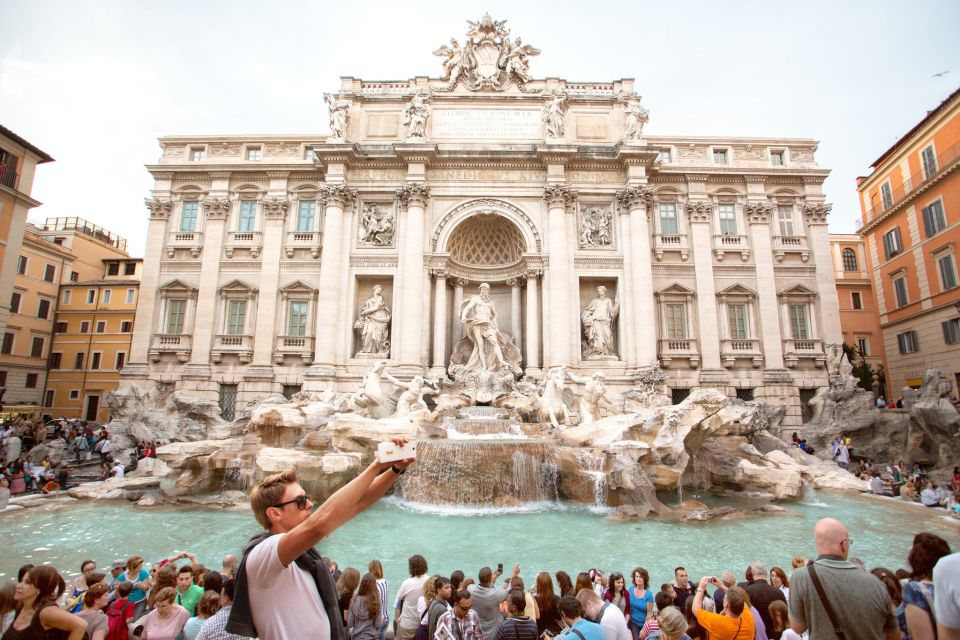
Trevi Fountain works differently. It’s famous, yes, but at night it feels more like a meeting point than a magnet for tour buses. The lighting makes the stone look warmer, and you’re more likely to enjoy the scene rather than just pass through it.
Here’s what I like about this combo on one tour: they change the “tempo” of your evening. The Pantheon stop gives you a moment of scale and architecture. Trevi gives you drama and energy. Switching between the two keeps the walk from feeling like nonstop monument-to-monument marching.
One practical thing to know: this tour is at a time when entry to monuments may be restricted. Some tours sometimes include a chance to step inside if hours allow, but you shouldn’t count on it. Treat these as sight-focused stops—your biggest payoff is seeing them as living parts of the city at night.
Capitoline Hill View: The High Ground Lesson
Capitoline Hill is a strong choice for a night tour because it gives you perspective. Even if you’re not stopping at a formal viewpoint for long, the elevation and surrounding views help you understand why Rome developed the way it did. It’s easier to grasp the city’s “power geography” when you’ve got a broader sense of where things sit.
I also like this stop because it slows you down mentally. After iconic fountains and famous façades, a hill-and-views moment is a breather. It gives you a chance to re-anchor what you’ve been told and connect it to what you see.
If your goal is to build a mental map of Rome fast, this is one of the best places on the route to do it.
You can also read our reviews of more guided tours in Rome





Colosseum at Night: Floodlit, But Not an Access Ticket
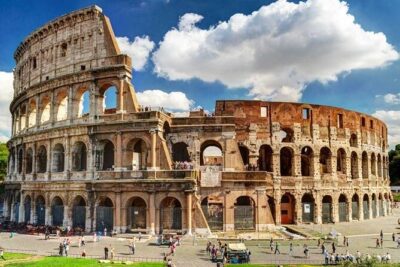
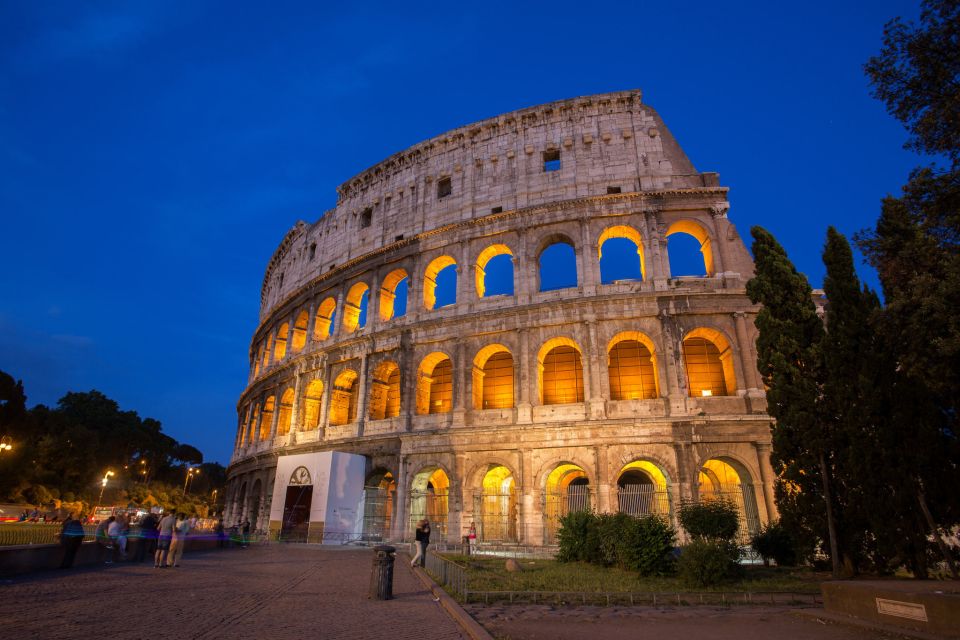
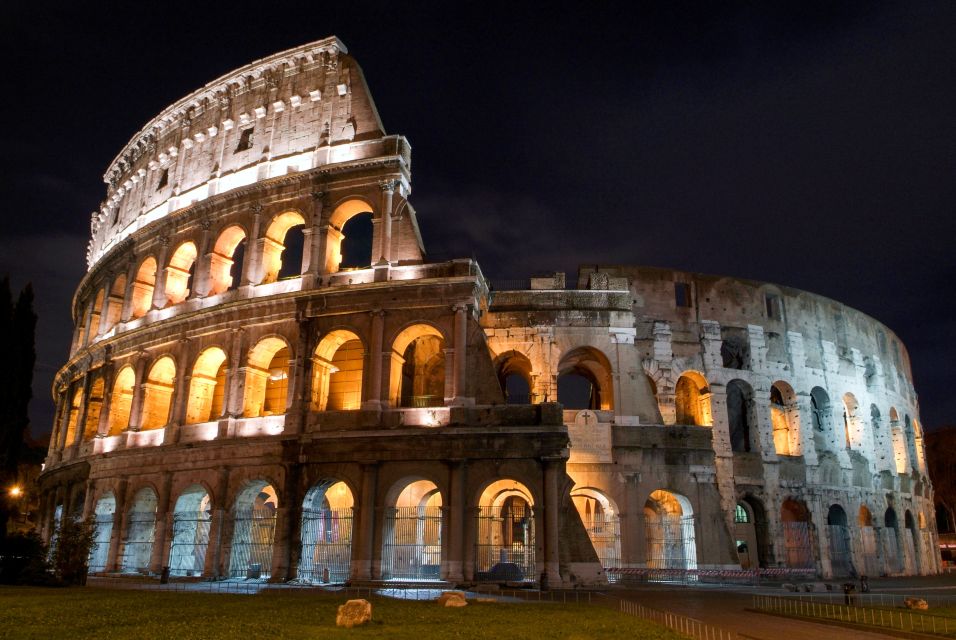
Seeing the Colosseum at night is one of those Rome experiences that never feels fully real until the light hits it. The building reads as monumental even from a distance, and the floodlighting makes the arches look deeper and more dramatic.
But don’t plan your evening around getting inside. The tour info is clear: entrance fees aren’t included, and many sites are closed in the evening. So treat the Colosseum as a nighttime “view and context” stop, not a guaranteed interior experience.
That said, the value here is how the guide uses the Colosseum stop to explain what it represented and how it fits into Rome’s larger civic story. If you’ve ever wondered why certain parts of Rome feel “political” even when they’re just stones and arches, a good guide connects that feeling to the city’s original purpose.
Also, headsets help a lot here. You’ll be walking in busy areas, and it’s easy to lose the thread if you have to strain to hear over crowds and street noise. With the equipment provided, you can stay focused on what matters.
Roman Forum and the Imperial Forums: Where the Story Clicks
This is the stop you’ll feel in your brain after the tour. The Roman Forum isn’t just an archaeological zone—it’s an entire political stage. And if you show up without context, it can be easy to feel like you’re looking at pieces of history with no connecting narrative.
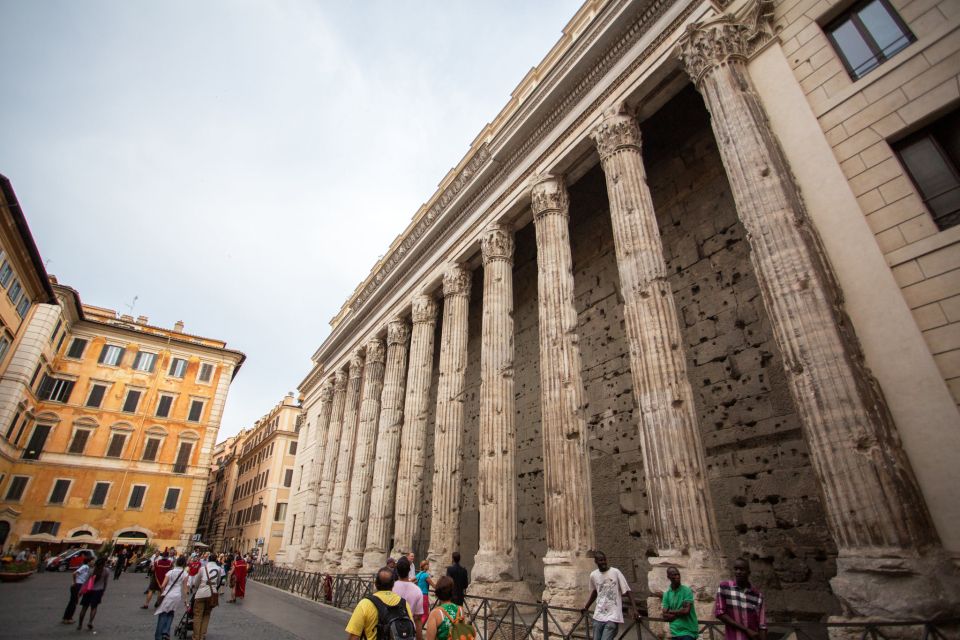
This tour gives you a full overview of the Forum area, including the Imperial Forums. That’s a big deal for first-timers. It means you’re not just seeing ruins; you’re learning how Roman power and daily civic life overlapped in a single space.
In practice, you’ll get guided explanation while you’re right there among the structures. That’s the best time to understand this kind of place, because you can match what you hear to what you’re literally standing next to.
One of the strengths people highlight in this tour is that the guide’s narration doesn’t feel like a lecture. Guides are praised for passion and storytelling, and for making you feel like you’re seeing Rome’s layers in the right order. Some guides named in feedback include Renate, Irina, Clare, and Irene, with notes that their delivery helped people follow the points without getting lost.
If you only do one guided element in Rome early on, I’d argue the Forum overview is the one that gives you the most return later. Once you understand what the space meant, you’ll start recognizing connections in other parts of the city too.
Guide Quality and Headsets: Why This Tour Works in Real Life
This tour includes a live English guide and headsets, and that combo matters more than most people expect.
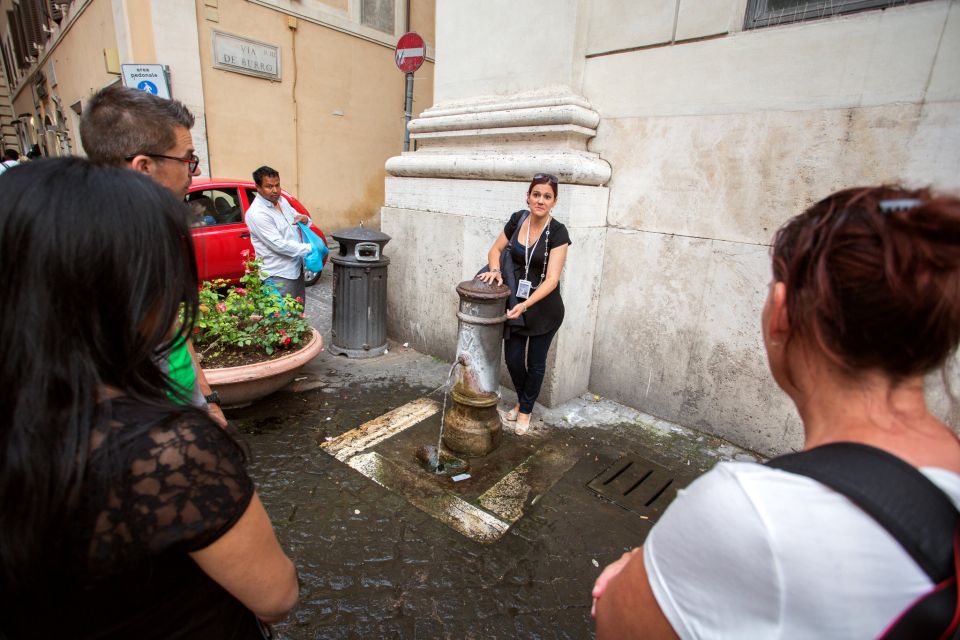
Headsets sound like a small thing—until you’re on the street. With audio, you can keep your eyes on buildings and details while still hearing the story clearly. Reviews frequently mention that the sound came through well and that it was easy to follow along without repeatedly asking, What did they say?
Guide style also shows up in the feedback. People mention guides like Chiara and Elisabeta/Elisabeta, with comments about friendly, flexible energy and storytelling that brings in both the ancient world and modern Rome. Another theme: guides are praised for walking you past key sites efficiently and for stopping long enough that you don’t feel rushed through the meaning.
A small caution: one review notes an issue with understanding a guide’s English on their particular tour. That’s not something you can fully prevent, since pronunciation and speaking pace vary by person, but it’s worth keeping in mind if English listening is a challenge for you.
Price and Value: Is $66 a Good Deal?
$66 for a 3-hour walking tour in central Rome isn’t cheap, but it’s not outrageous for what you’re getting—especially at night.
Here’s the value equation I see:
- You’re paying for structured guidance across several top sights in one loop.
- You’re not paying for headsets separately, which can make the difference between hearing the story and missing it.
- You’re also getting a real Forum overview, not just random photo stops.
The main cost tradeoff is this: because the tour is at night and monuments may be closed, you’re mainly paying for narration and route design, not ticketed entry to major interiors. If you want big internal highlights, you may need a different type of tour. If you want a strong first orientation and a story you can carry into the rest of your trip, this one can be worth it.
Given the rating of 3.8 from 48 reviews, you should expect the occasional hiccup (often guide-to-guide differences). But the repeated positives around seeing the right sights and hearing the explanation make the cost easier to justify.
Who This Night Tour Is For (and Who Might Skip It)
I think this tour is a great fit if:
- You want a strong first evening in Rome that helps you understand what you’re looking at.
- You dislike daytime crowds and prefer a calmer street-level experience.
- You like history explained in a way that connects sites rather than treating them as isolated landmarks.
I’d consider skipping it if:
- You need wheelchair access, since it’s not wheelchair accessible.
- You strongly prefer inside-the-monuments experiences at night; this tour doesn’t position itself as guaranteed entrance access.
It’s also only offered in English, so choose it confidently if you’re comfortable following a live English narration.
Quick Practical Notes Before You Go
A few rules and limits matter:
- Pets are not allowed.
- The guide is live and English.
- You’re walking at night, so plan for uneven pavement and cooler temperatures.
If you’re arriving from elsewhere in the evening, give yourself buffer time to reach the meeting point outside Colosseo. Rome transit can be simple, but walking plus finding a specific kiosk and bus stop marker is easier when you’re not rushed.
Should You Book Rome by Night?
Yes—if your goal is to see the big monuments in a calmer setting and come away understanding how the Forum fits into Rome’s story. The combination of sundown timing, headsets, and the Forum overview is the strongest reason to book.
Skip it only if you’re mainly chasing interior access or you need wheelchair accessibility. For most first-time visitors, though, this is a smart way to get your bearings fast, avoid the daytime crowd chaos, and get a guided narrative you’ll remember the next time you walk past a stone ruin and finally know what it meant.
FAQ
What is the duration of the Rome by Night guided walking tour?
The tour lasts 3 hours.
Where do we meet for the tour?
Meet outside metro station Colosseo (B Line), between the green news stand (kiosk) and the yellow bus stop. Arrive 25 minutes before departure.
What sights are included on the route?
You’ll see Piazza Navona, Pantheon, Trevi Fountain, Capitoline Hill, the Colosseum, and you get a full overview of the Roman Forum area, including the Imperial Forums.
Are headsets provided?
Yes. Headsets are included.
Are entrance fees included?
No. Entrance fees are not included, and monuments and sites will be closed in the evening.
Is the tour guide available in English?
Yes. The tour is offered in English.
Is the tour wheelchair accessible, and are pets allowed?
No, the tour is not wheelchair accessible. Pets are also not allowed.