REVIEW · ROME
Rome: Ancient Ostia, Archeology and History, Half Day Tour
Book on GetYourGuide →Operated by Welcome Italy by Spare Tour S.r.l. · Bookable on GetYourGuide
Ostia Antica feels like time travel. This half-day guided trip takes you out of Rome and into a preserved harbor town where Roman streets and buildings still read clearly, often compared to a better-than-Pompeii experience.
I especially like the 3 hours with a professional local guide in a small group. You get explanations as you walk, not just a quick scan of ruins. I also love the street-level wayfinding on the Decumanus Maximus, plus the photo-friendly rhythm of stops that helps you understand what you’re seeing.
One consideration: the tour is not suitable for wheelchair users or people with mobility impairments. Expect to walk on an ancient site with uneven ground.
In This Review
- Key highlights you should know before you go
- Why Ostia Antica feels different from a typical ruin day
- The Rome-to-Ostia transfer: comfortable, simple, and efficient
- The half-day flow: what happens in your 4 hours
- Walking the Decumanus Maximus and learning Roman architecture at street level
- Baths of Neptune: the mosaic moment you don’t want to miss
- What you’ll see across the town: taverns, apartments, shops, and theatres
- Price and value: is $258.29 worth it?
- Best fit: who will enjoy this half-day Ostia tour the most
- Should you book this Ostia Antica half-day tour?
- FAQ
- How long is the Rome: Ancient Ostia half-day tour?
- Do I get picked up and dropped off in Rome?
- Is the Ostia Antica entrance fee included?
- Will I wait in line for tickets?
- What languages are offered for the live guide?
- Is the tour suitable for wheelchair users or mobility impairments?
- What should I bring for the visit?
Key highlights you should know before you go
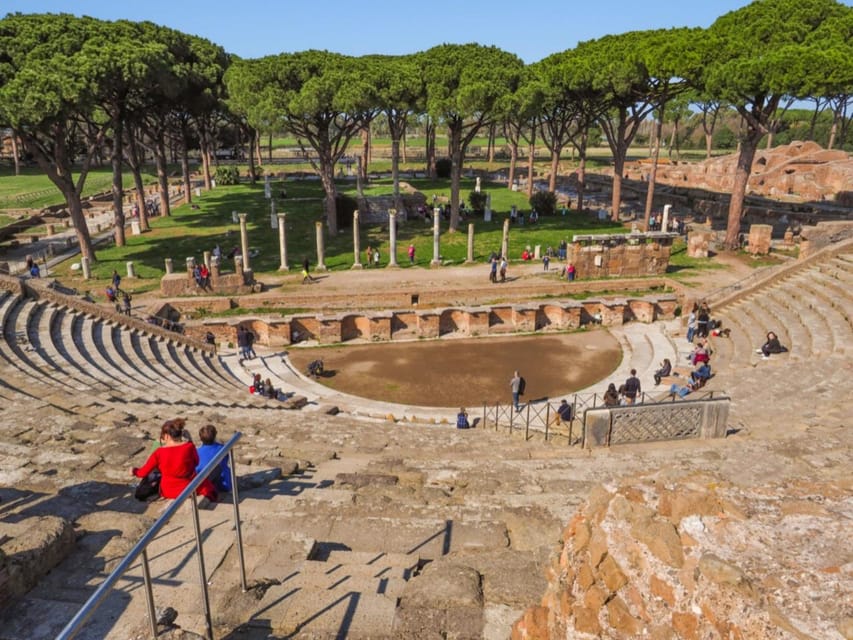
- Better-than-Pompeii feel: you’ll encounter remarkably preserved buildings compared to the Roman Forum
- Small group, guided pacing: 3 hours with a professional local guide, not a rushed stroll
- Decumanus Maximus walk: learn how the main street shaped everyday Roman life
- Baths of Neptune mosaic: see an impressively intact Sea God mosaic in a well-known bathing complex
- Skip-the-ticket-line entry: less waiting, more time inside the site
- Air-conditioned round-trip transport: comfortable transfer in a minivan with pickup in central Rome
Why Ostia Antica feels different from a typical ruin day
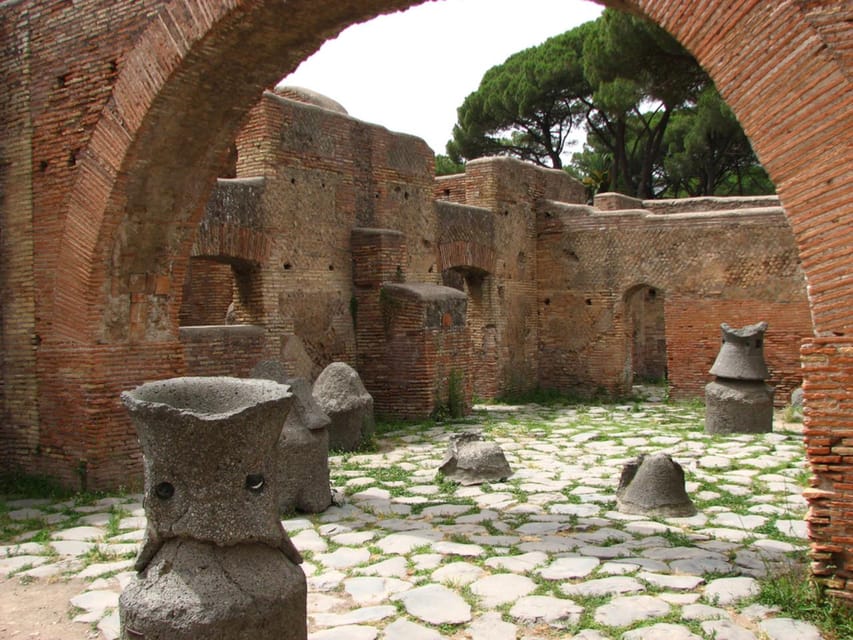
Ostia Antica is one of those places where the ruins don’t just look old. They look usable. As you move through the site, you’re guided through streets and spaces that connect to how people actually lived: taverns, baths, apartments, grocery areas, and theatres. That makes the experience feel less like looking at rock walls and more like walking through a Roman town.
A big reason people love this stop is the preservation. Ostia Antica is widely described as the Better than Pompeii option, mostly because the condition of many buildings is so striking. In practical terms, that means fewer “imagination gaps.” You can picture what belonged where, and your guide can point out details without you squinting at fragments.
I also like that the tour is designed around recognizable Roman elements. The walk along the Decumanus Maximus gives you a clear spine of the ancient city, so the visit makes sense even if you’re not a hardcore archaeology person. If you’ve visited Pompeii and felt you wanted one more Roman living-city day, this is the logical follow-up.
You can also read our reviews of more historical tours in Rome



The Rome-to-Ostia transfer: comfortable, simple, and efficient
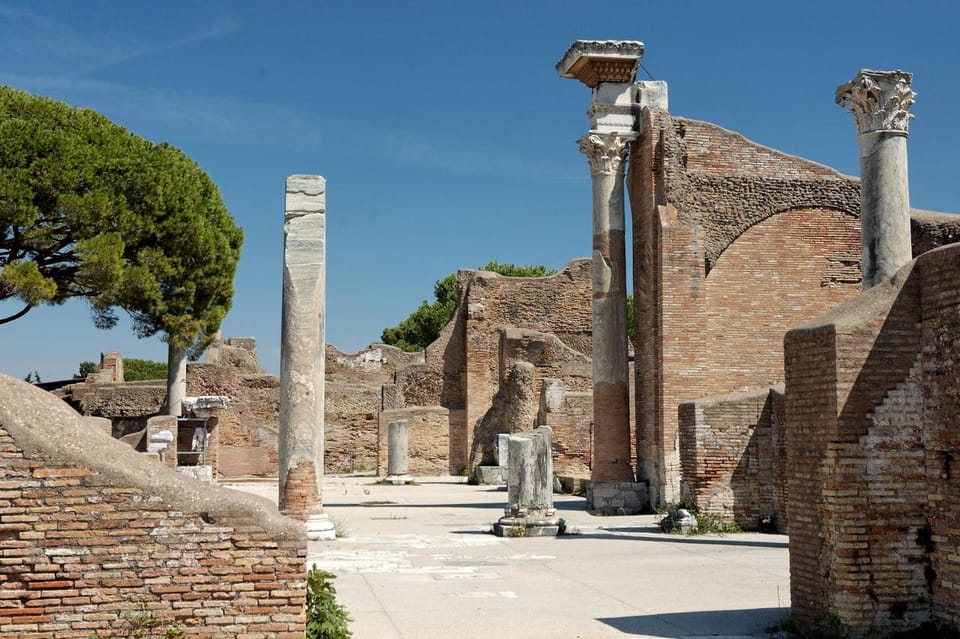
This is a half-day outing, so the travel part matters. You’re picked up from a hotel location inside the Aurelian Walls area, in central Rome. You’ll meet in the lobby or just outside your accommodation about 10 minutes before the scheduled pickup time.
From there, you ride in an air-conditioned minivan for the round trip. That’s not a luxury detail—it’s a timing and comfort advantage. A cool ride helps you arrive with energy for the walking portion, especially in warmer months or when you don’t want to add another layer of stress to your day.
The tour is also built to save you time once you reach Ostia Antica. Entrance fees are included, and you’ll skip the ticket line, which is a real help on a structured schedule. You’re not spending your limited four hours playing ticket roulette.
The half-day flow: what happens in your 4 hours
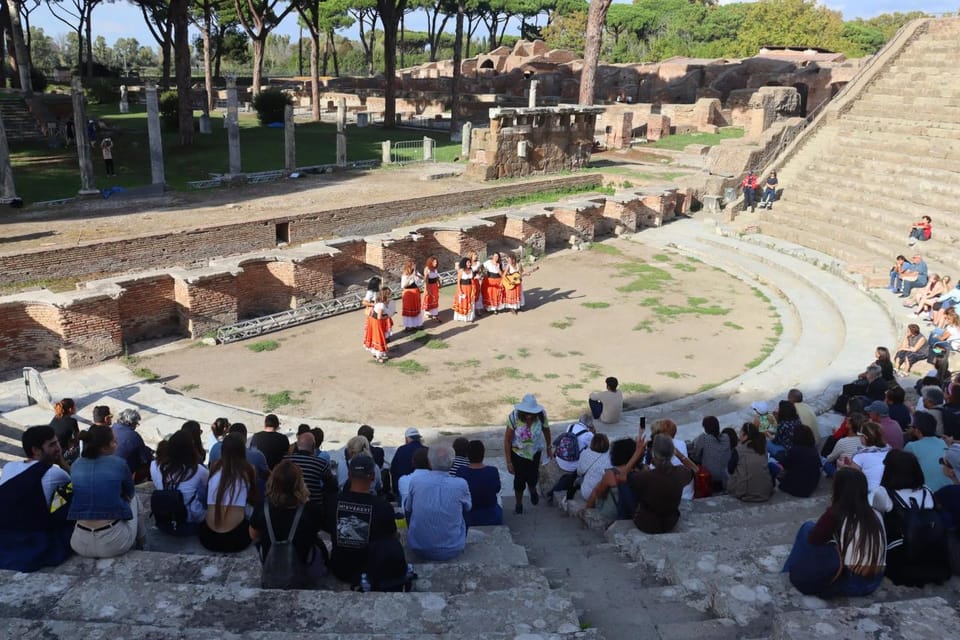
The total duration is listed as 4 hours, with about 3 hours on site with the guide. That split matters because you get real guidance inside the archaeology, not just a photo stop and a quick goodbye.
Here’s how the day runs in plain terms:
- Pickup in Rome: You start inside the Aurelian Walls area, at your scheduled pickup time.
- Ostia Antica (photo stop + guided tour + walking): You spend roughly 3 hours exploring with a professional local guide.
- Return to Rome: You go back to your original pickup area.
The visit includes both guided time and free moments for photos and pacing. That balance is important because Ostia Antica rewards slow-looking: mosaics, statue lines, and building edges are best when you can pause. If you tend to rush through ruins, the tour structure actually helps—your guide’s pace gives you permission to pay attention.
Walking the Decumanus Maximus and learning Roman architecture at street level
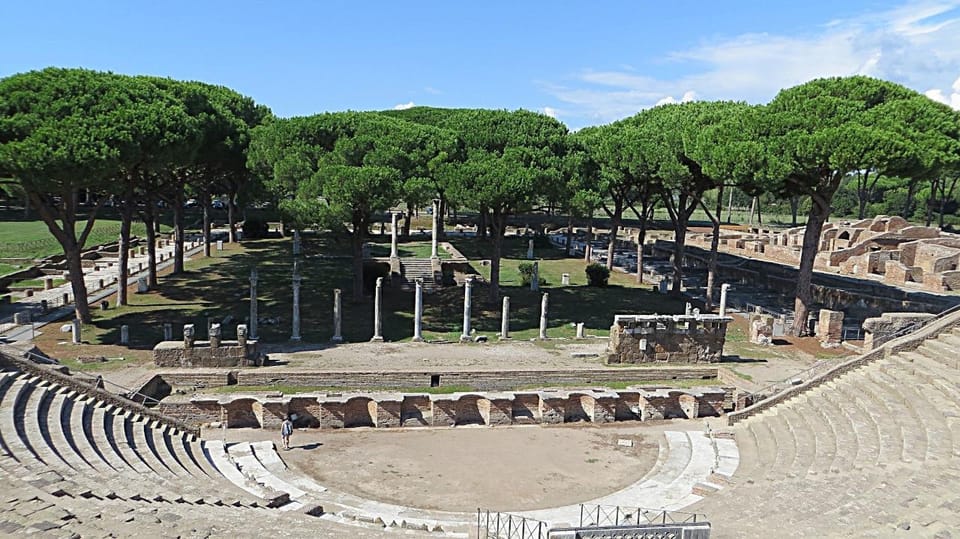
The heart of the visit is the main street experience. You’ll stroll along the Decumanus Maximus, and your guide ties the architecture to daily life instead of treating the site like an art museum of stone.
This is where Ostia Antica gets smart. Many ruin sites force you to decode everything from scratch. Here, the tour keeps you oriented: you’re shown how the town’s layout worked, what lined the walkways, and where key buildings fit along the route. As you go, you’ll hear interesting facts about Roman architecture that make the shapes and plans feel less random.
Another detail I love in the way the tour is described: the statues lining the walkways are still in striking condition. Whether you’re a repeat Roman ruins visitor or you’re new, seeing statue lines that remain readable makes the walk more immersive. You don’t just pass by decoration—you get a sense of how formal the streets could feel.
Tip for your planning brain: wear shoes that handle uneven surfaces. This is a walking-based tour, and you want your feet to feel steady so you can focus on what your guide is pointing out.
Baths of Neptune: the mosaic moment you don’t want to miss
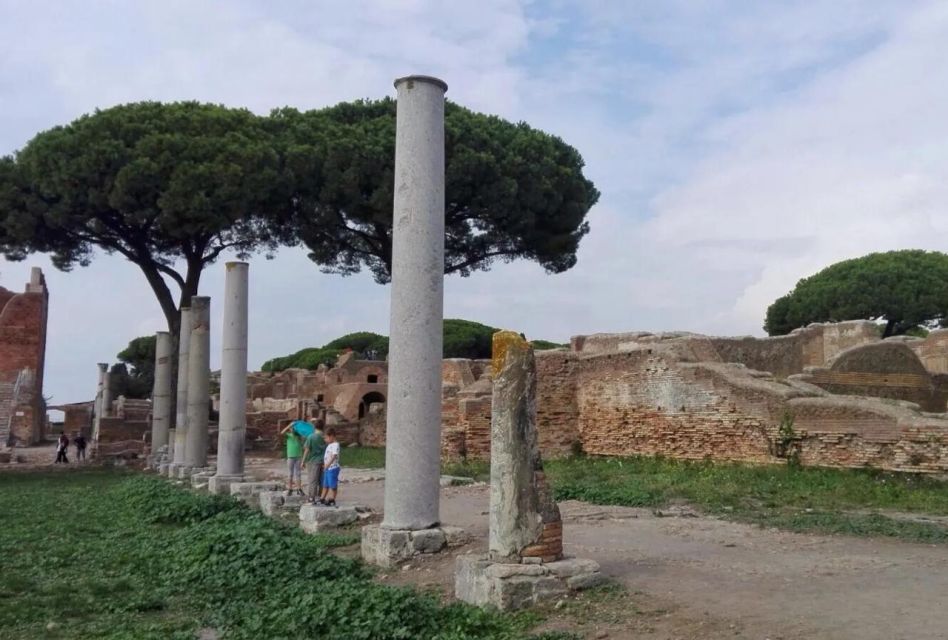
If there’s one stop you should treat like a highlight reel, it’s the Baths of Neptune. The tour description calls out an impressively intact mosaic showing the Sea God in a chariot pulled by sea horses. That kind of imagery is exactly why Ostia Antica feels so much more complete than many other archaeological sites.
Why this matters for you: mosaics can be quick to miss if you’re in a group that rushes. Here, the tour framing makes the mosaic a named moment, which usually means your guide will point it out properly and give you context while you’re actually there.
Also, baths are one of the best entry points for understanding Roman daily life. You see the spaces where social time happened, where routines took place, and where decoration wasn’t just for show. When the mosaic still looks crisp, you get a stronger impression of how the town’s residents experienced this place in real time—not as a distant ruin, but as part of an active community.






What you’ll see across the town: taverns, apartments, shops, and theatres
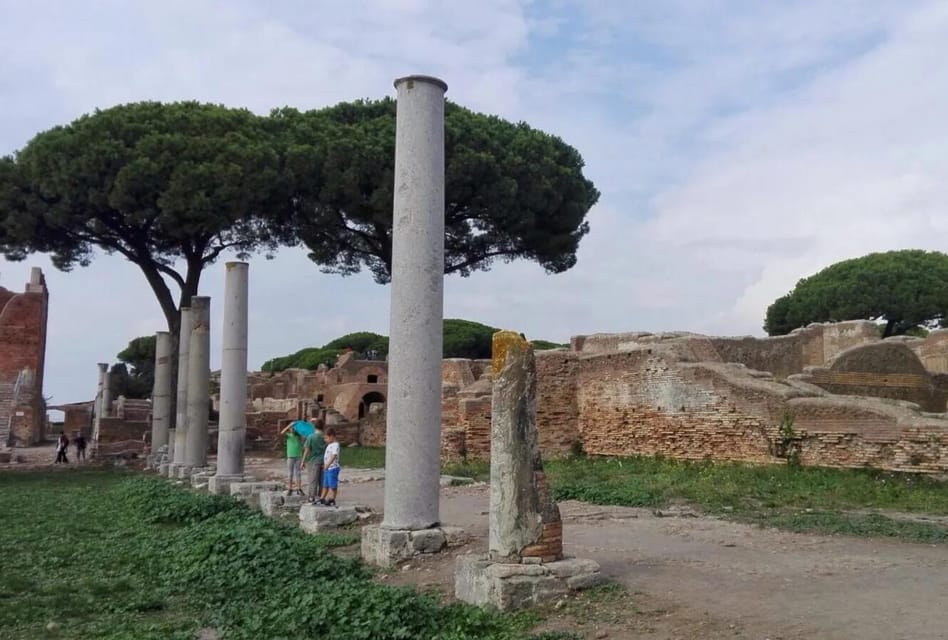
One reason Ostia Antica is often recommended to Pompeii fans is that it reads like a town, not just a collection of monuments. In the walk, you’ll pass through areas tied to everyday functions: ancient taverns, baths, apartments, grocery-style spaces, and theatres.
The practical benefit is that you can build your own mental map fast. Instead of getting only big-ticket structures, you get a range of spaces that help you imagine a full day in Roman harbor-town life. Your guide helps connect those dots as you go, which is the difference between seeing ruins and understanding them.
There’s also a Roman-identity angle to the experience. The tour description emphasizes Roman statues along the walkways and a preservation level that can outshine the feeling you might get at the Roman Forum. That’s not about ranking ancient sites like a sports league. It’s about clarity. When preservation lets you see form and detail, the stories become easier to follow.
If you like photos, this town gives you options. You’ll have a photo stop, plus you’ll be walking along a long main route that naturally produces good angles and sequences. Bring your camera, but also take a breath and look without it for a minute. Mosaics and statue lines deserve both.
Price and value: is $258.29 worth it?
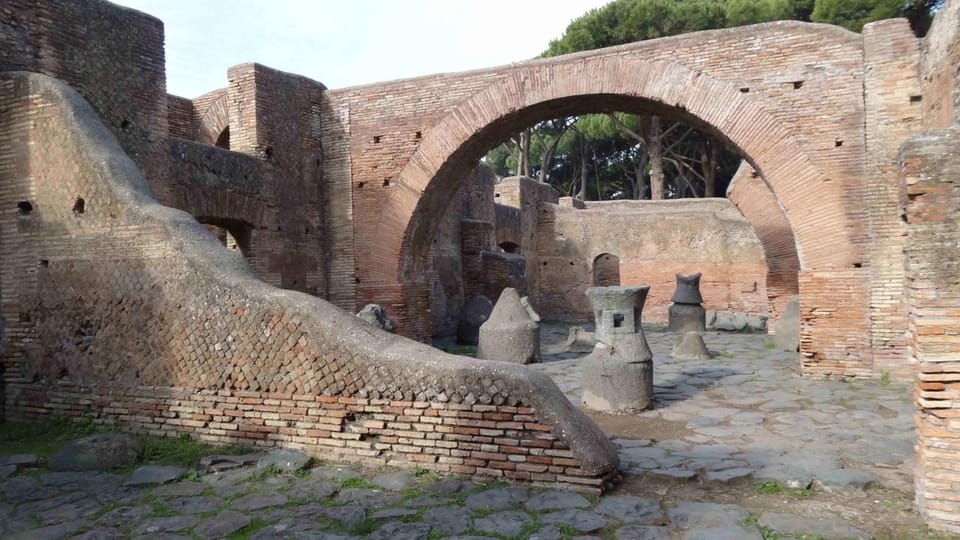
Let’s talk money honestly. The price listed is $258.29 per person, for a half-day experience that includes:
- a 3-hour guided visit with a professional local guide
- round-trip air-conditioned minivan transport
- pickup and drop-off at hotels inside the Aurelian Walls
- Ostia Antica entrance fee
- skip-the-ticket-line entry
You’re paying for two things that are hard to replicate on your own without effort: a guide who can explain what you’re seeing as you walk, and the time saved by organized transport plus skip-the-line access.
Is it expensive? Yes, by Rome standards it’s not a budget outing. But the value case is fairly clear if you care about learning and you have limited time. With only four hours total, you want your time inside the site to be guided and efficient. That’s what you get here.
If your plan is mostly to stroll and take pictures with no interest in explanations, you might question the price. But if you like architecture facts, street layout context, and clear highlights like the Baths of Neptune mosaic, the cost starts to make more sense.
For context, this is also described as private or small groups available, which usually means a more personal experience than a large coach-style crowd.
Best fit: who will enjoy this half-day Ostia tour the most
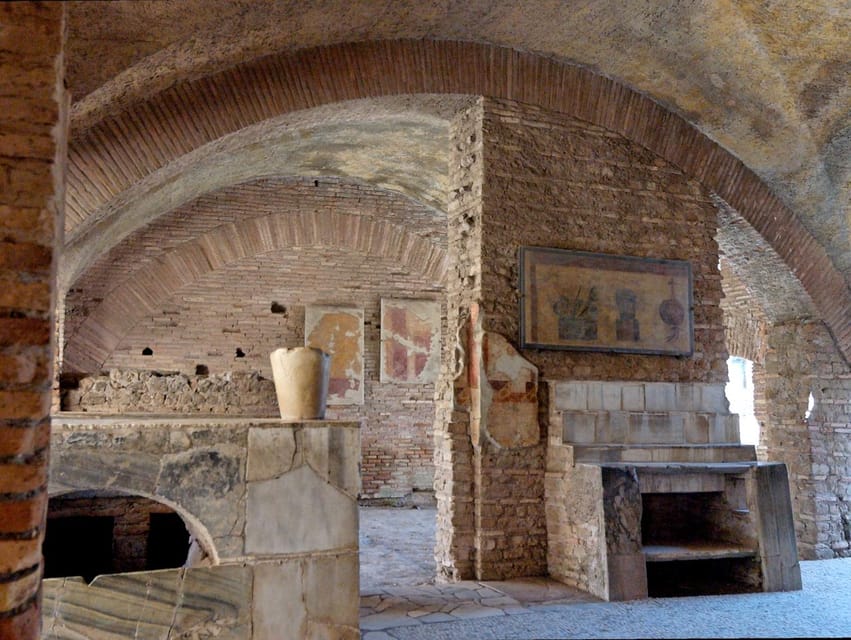
This tour is a strong match if you want a structured, guide-led look at Roman life that feels complete. I’d especially recommend it to:
- people who liked Pompeii and want another preserved Roman town experience
- anyone who enjoys walking tours with a clear route and named highlights
- travellers who want learning time without committing to a full day
You should think twice if you want a fully low-effort visit. The tour isn’t suitable for wheelchair users, and the description specifically says it’s not for people with mobility impairments. Even for able walkers, bring comfortable shoes and plan for uneven ancient surfaces.
Languages are covered: French, Spanish, and English. If you care about getting the most from the narration, pick the language you’re comfortable understanding at full speed.
Should you book this Ostia Antica half-day tour?
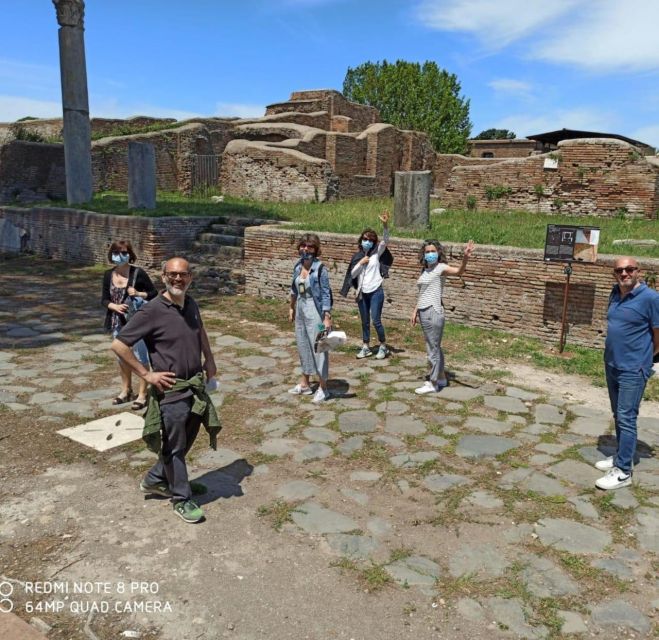
Book it if you want a well-paced Roman town visit that prioritizes preservation and storytelling. Ostia Antica shines when you can actually see what the buildings were and how the street layout worked. This tour is built around that clarity: a small group guide session, a main street walk, and named highlights like the Baths of Neptune mosaic.
Skip it if you’re chasing only the most famous Roman landmarks and you want total freedom to wander at your own pace with zero guidance. Also skip it if mobility is an issue for you or your group, since the tour is explicitly not suitable for wheelchair users.
My bottom-line advice: treat this as your “Roman daily life” chapter. Rome has plenty of big-picture monuments. Ostia Antica, guided this way, is about how Romans moved, worked, bathed, shopped, and gathered—while the town still looks stubbornly alive.
FAQ
How long is the Rome: Ancient Ostia half-day tour?
The total duration is about 4 hours, including around 3 hours of guided time at Ostia Antica.
Do I get picked up and dropped off in Rome?
Yes. Pickup and drop-off are included at hotel locations inside the Aurelian Walls area.
Is the Ostia Antica entrance fee included?
Yes. The entrance fee to Ostia Antica is included in the tour price.
Will I wait in line for tickets?
No. The tour includes skip-the-ticket-line entry.
What languages are offered for the live guide?
The live guide is available in French, Spanish, and English.
Is the tour suitable for wheelchair users or mobility impairments?
No. The tour is not suitable for wheelchair users or people with mobility impairments.
What should I bring for the visit?
Bring comfortable shoes, sunglasses, and a camera.