REVIEW · ROME
Rome: Trevi Fountain Underground Aqueduct Walking Tour
Book on GetYourGuide →Operated by Live Virtual Guide · Bookable on GetYourGuide
Roman water systems feel real here.
You start at the Spanish Steps and end at Trevi with underground aqueduct access and a small group that keeps the focus on the story of how the city worked.
I especially like the way the tour gives clear context for Piazza di Spagna and Trevi instead of treating them like two separate photo stops. And I love that you get to see the aqueduct’s path in everyday Rome, including spots where it shows up between modern buildings.
One possible drawback: this is rain-or-shine walking, and part of the experience happens underground, so it’s not the best pick if you hate crowds or enclosed spaces.
In This Review
- Key highlights worth planning for
- Starting at the Spanish Steps: where the story begins
- The first fountain: an aqueduct link dating to 19 BC
- Following the aqueduct under real city buildings
- Underground moments: seeing flowing water up close
- Trevi Fountain with context, not just crowds
- Getting off the Trevi path: the underground reservoir at the next turn
- Vicus Caprarius: a deeper stop that pays off
- What makes the small-group format feel worth it
- Price and value: what $59.22 buys you
- Practical tips: where to meet, how to dress, how to pace yourself
- Who should book this tour
- Should you book the Trevi Fountain Underground Aqueduct Walking Tour?
- FAQ
- How long is the Trevi Fountain Underground Aqueduct Walking Tour?
- How big is the group?
- Where do I meet the guide?
- What’s the tour language?
- Does the tour run in bad weather?
- What’s included in the price?
- Is transportation included?
- How much does it cost per person?
- What if I need to cancel?
- Can I reserve now and pay later?
Key highlights worth planning for
- A tight group (up to 12 people) keeps questions easy and the pace friendly.
- 19 BC water-to-fountain connection starts right near the Spanish Steps.
- Most of the aqueduct route is underground, with visible glimpses along the way.
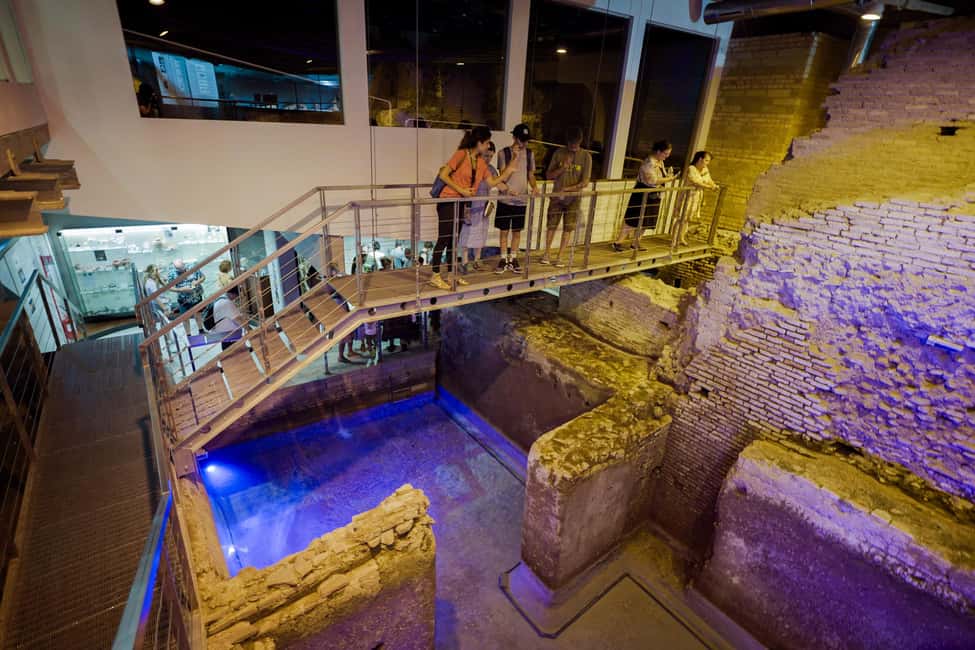
- Couple of underground visits let you see the aqueduct and flowing water up close.
- Vicus Caprarius entry adds an extra layer beyond Trevi’s mainstream views.
Starting at the Spanish Steps: where the story begins
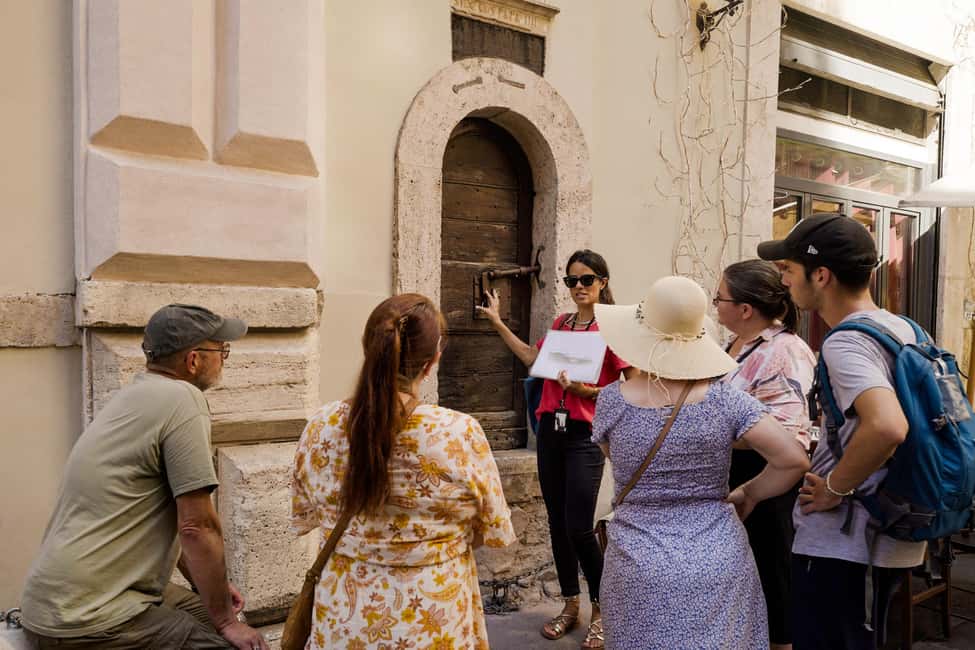
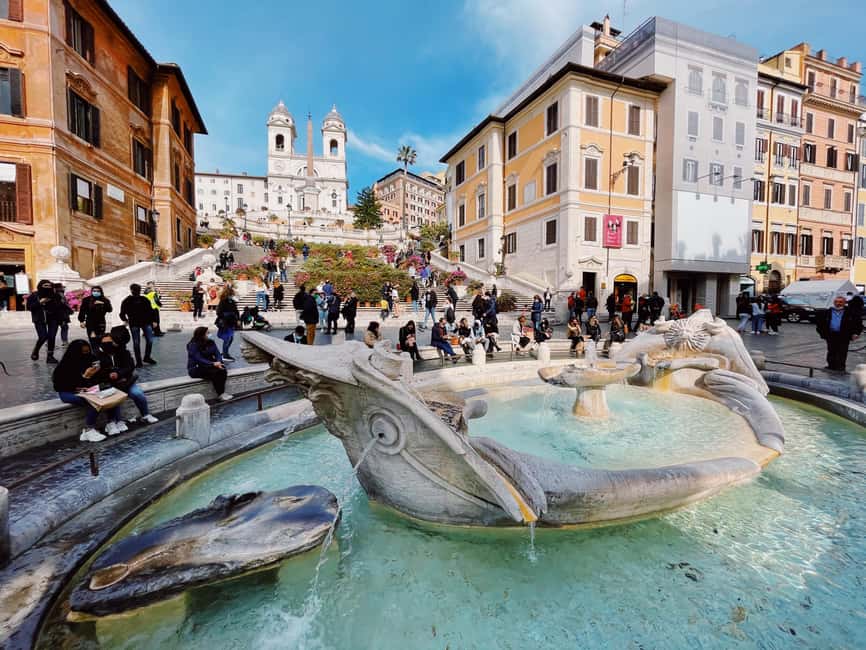
I like tours that don’t just point at landmarks. This one starts at Piazza di Spagna, right by the recognizable Spanish Steps area, and it builds your understanding before you ever reach Trevi.
You’ll learn why the Spanish Steps are called what they’re called, and you’ll get the kind of background that makes the rest of the walk click. The big win here is mindset: you stop thinking of Rome as a set of isolated sights and start seeing it as a working system—streets, buildings, and water all tied together.
And yes, this tour also keeps the pace “walk and talk.” You’re not stuck in one spot listening forever. The guide uses the scenery around you as the lead-in to the aqueduct water journey.
You can also read our reviews of more walking tours in Rome



The first fountain: an aqueduct link dating to 19 BC
Before the Trevi crowds take over, you meet the tour’s first fountain stop on the way from Piazza di Spagna. This is where the tour starts making its main promise feel believable: you learn where the water comes from and how ancient Rome made that happen.
Here’s the standout detail: this fountain is still fed today by an ancient Roman aqueduct built in 19 BC. That kind of continuity is exactly why this tour works. It’s not just archaeology for archaeology’s sake—it’s a living thread.
If you’re the sort of person who likes to connect what you see now with what people built long ago, you’ll appreciate how the guide keeps bringing you back to the same idea: water wasn’t a side project in Rome. It shaped where things went up and what neighborhoods could exist.
Following the aqueduct under real city buildings
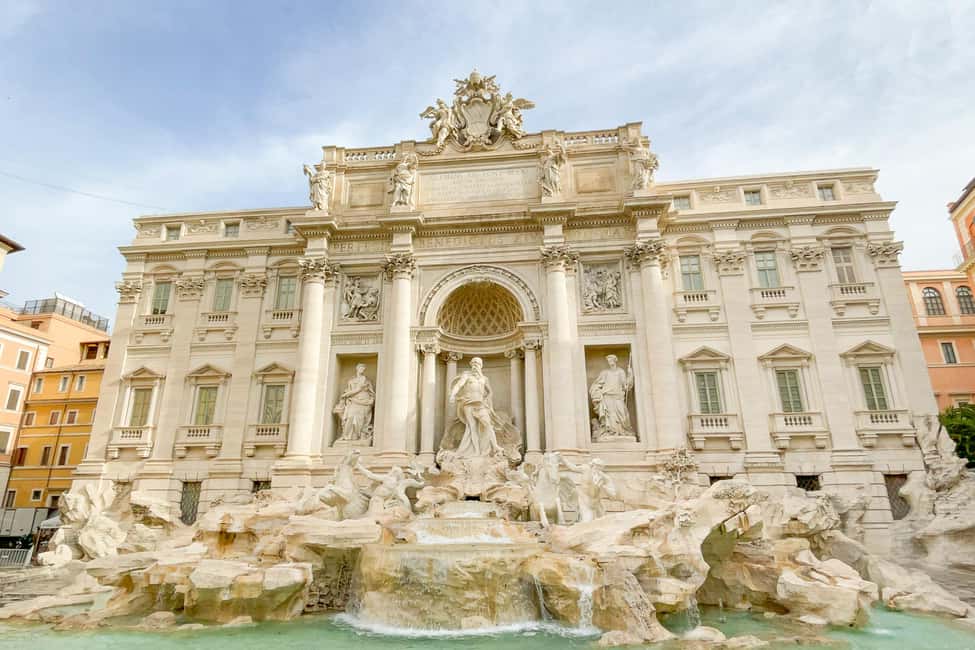
Once you’re into the aqueduct portion, the walk becomes more interesting because the route is mostly underground. That means you’re constantly learning what you can’t fully see at first glance—and then discovering where the ancient infrastructure intersects with modern streets.
As you walk, you’ll notice parts of the aqueduct appearing between buildings. That detail matters because it teaches you how to read Rome on your own afterward. Instead of seeing only facades and fountains, you start recognizing the logic behind the city layout.
This is also where the “small group” format pays off. With no more than 12 people, the guide can slow down when someone spots something and asks, wait, what am I looking at? You’re not lost in a sea of heads.
One review specifically called out the fun of seeing aqueduct remnants in unexpected settings, including a segment associated with a shopping mall area. That’s the kind of surprise this route is built for: you get to be shocked without leaving central Rome.
Underground moments: seeing flowing water up close
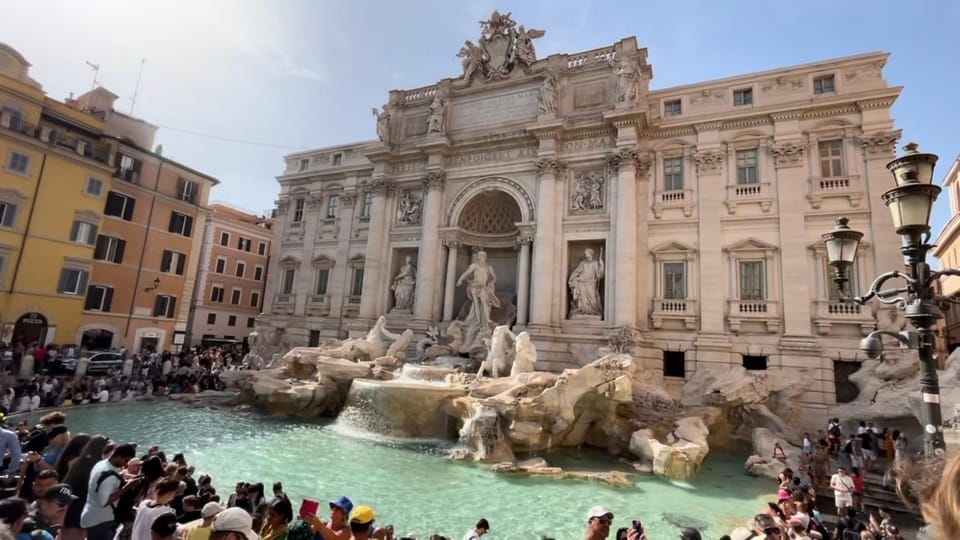
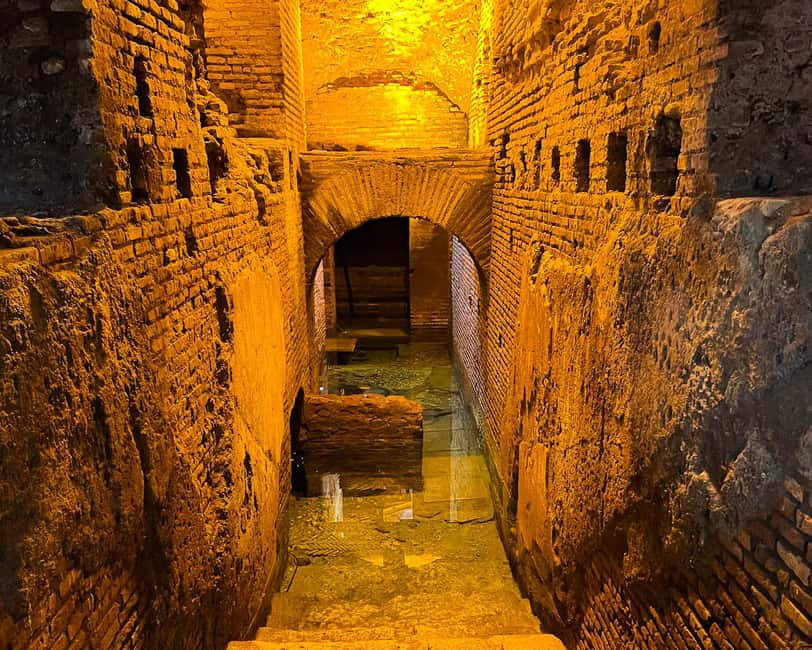
The tour doesn’t treat underground access as a one-and-done stop. You’ll go underground on a couple of occasions to see the aqueduct up close and the fact that water is still flowing through it.
That is the “wow” factor, but it’s also the practical learning part. When you can see the channeling and how the system works in physical space, the whole concept of Rome’s water delivery stops being abstract. It turns into something you can picture when you walk outside later.
I also like that the guide keeps the narrative going while you’re down there. Underground tours can become pure sightseeing. Here, you’re learning the job the space was built to do—so your time feels earned rather than rushed.
Trevi Fountain with context, not just crowds
Eventually, the route reaches the Trevi Fountain—but the experience isn’t limited to standing in line-of-sight with the biggest icon in the neighborhood.
You’ll get Trevi’s significance tied back to the water system that feeds it. That makes a difference. If you’ve only seen Trevi from the usual angles, you may think of it as a standalone masterpiece. This tour helps you see it as the destination inside a larger pipeline.
And even once you arrive at Trevi, you’re not meant to linger in the crush for the whole visit. The plan includes turning the corner and getting away from the most crowded viewpoints so you can keep moving with the story.






Getting off the Trevi path: the underground reservoir at the next turn
One of my favorite parts of this tour is what happens after Trevi. Instead of treating Trevi as the finish line, the guide leads you to an underground water reservoir built over 2000 years ago.
This is where you shift from “fountain appreciation” into “how Rome engineered reliability.” Reservoirs weren’t just storage. They were part of keeping water usable across changing demand and city growth.
You also get to see how modern life sits above ancient systems. The route feels like you’re watching Rome’s layers at work: stone beneath stone, water beneath walkways, all built into the city’s daily rhythm.
If you like architectural logic—how structures get shaped by function—this is the section that should hold your attention the longest.
Vicus Caprarius: a deeper stop that pays off
The tour includes entry to Vicus Caprarius, and this stop fits naturally into the “water and city planning” theme.
Even if you already know the basics of Roman aqueducts, Vicus Caprarius gives you more than a single icon to remember. It gives you a sense of how everyday Rome organized itself around the water system, not just around temples, forums, and big monuments.
This also helps balance the experience for different interests:
- If you’re there for Trevi, you’ll understand why that water matters.
- If you’re there for aqueduct engineering, you’ll have something more physical than drawings.
- If you’re there for ruins in odd places, you’ll get that surprise factor again.
And because the tour keeps the walking route linked to the story, you’re not bouncing from one “random” site to the next.
What makes the small-group format feel worth it
This is marketed as a small group tour of no more than 12 people, and that size matters more than you might think in Rome.
With a smaller group:
- your guide can answer questions without rushing,
- the group can slow down when something is worth a closer look,
- and you’re less likely to lose the thread of the explanation.
Several people highlighted how guides like Sabrina and Federica bring the subject to life with humor and clear explanations. You’ll feel the difference when the guide isn’t just reciting dates, but connecting the water system to what you’re actually walking past.
If you’re someone who enjoys learning, this format keeps you engaged. If you’re more of a “show me” person, the underground access still does the heavy lifting.
Price and value: what $59.22 buys you
At $59.22 per person for about 2 hours, the price is reasonable if you compare it to what you actually get.
You’re paying for:
- a guided walking experience centered on Piazza di Spagna and Trevi,
- underground aqueduct entry (not just a viewpoint),
- and Vicus Caprarius entry.
The tour also doesn’t include transportation, so you’ll handle getting to the meeting spot on your own. But once you’re there, the entry components and guided context are doing the value work.
In plain terms: you’re not just buying a map and a lecture. You’re buying access to places most people never see, plus the narrative that makes those places make sense.
Practical tips: where to meet, how to dress, how to pace yourself
Meeting is straightforward once you know the cue: meet next to the Diesel store, and your guide holds a sign with the Live Virtual Guide logo.
The end point is Vicolo del Puttarello, 00187 Roma, and the tour duration is 2 hours. Starting times vary, so you’ll want to check availability for what works for your day.
Two more notes that help you have a smoother experience:
- The tour runs rain or shine, so pack a light rain layer or umbrella plan.
- Bring comfortable shoes. You’ll be walking the route and doing a couple of underground segments, so your feet will thank you.
If you have mobility concerns, it’s worth checking directly because the tour includes going underground on multiple occasions. Even without details beyond that, the general takeaway is simple: this isn’t a sit-down tour.
Who should book this tour
I think this experience is a great fit if you:
- want more than a Trevi photo and a quick Spanish Steps stroll,
- enjoy Roman engineering and the logic behind city life,
- like small group tours where you can ask questions,
- and get excited by seeing ruins in surprising places (including spots tied to modern spaces).
It may be less satisfying if your main goal is a slow, leisurely day of wandering with minimal explanation. This is a history-and-engineering guided walk, and you’ll get the most out of it when you let the story lead the route.
Should you book the Trevi Fountain Underground Aqueduct Walking Tour?
Yes—if your ideal Rome day includes learning something real and then seeing it for yourself underground. The combination of Spanish Steps context, the aqueduct-linked fountain from 19 BC, aqueduct access with flowing water, and Vicus Caprarius entry makes this feel like more than the sum of its famous names.
Book it when you can handle a 2-hour rain-or-shine walk and you’re okay trading a bit of free time for rare access. If that sounds like your style, this is a smart, high-value way to experience Trevi from the angle most people never get.
FAQ
How long is the Trevi Fountain Underground Aqueduct Walking Tour?
It lasts about 2 hours.
How big is the group?
It’s a small group tour with no more than 12 people.
Where do I meet the guide?
Meet next to the Diesel store. The guide will have a sign with the Live Virtual Guide logo.
What’s the tour language?
The live tour guide speaks English.
Does the tour run in bad weather?
Yes, it runs rain or shine.
What’s included in the price?
The price includes the guide, the walking tour, underground aqueduct entry, and Vicus Caprarius entry.
Is transportation included?
No, transportation is not included.
How much does it cost per person?
The price is $59.22 per person.
What if I need to cancel?
You can cancel up to 24 hours in advance for a full refund.
Can I reserve now and pay later?
Yes, you can reserve now and pay later to keep plans flexible.