REVIEW · ROME
Rome: Palazzo Corsini experience ticket
Book on GetYourGuide →Operated by TOURISTATION · Bookable on GetYourGuide
Rome’s art is often crowded. Here, it’s arranged like a home, with standout paintings and rooms tied to the Corsini family. With this Palazzo Corsini experience ticket, you get skip-the-ticket-line access to the Galleria Corsini, including the Alcove of Christina of Sweden, plus major works by Caravaggio, Rubens, and Salvator Rosa.
I especially like how the visit is built around specific icons: you’re meant to look for major paintings like St. John the Baptist by Caravaggio and the Corsini Throne, not just drift through. I also like that the ticket includes a downloadable phone guide with lots of art points, so you can connect the images to what you’re seeing. One drawback to keep in mind: the gallery isn’t wheelchair accessible and mobility access is limited.
In This Review
- Key highlights you’ll care about
- Palazzo Corsini: an 18th-century gallery that feels like an apartment museum
- The art hits: Caravaggio, Rubens, Salvator Rosa in one concentrated hour
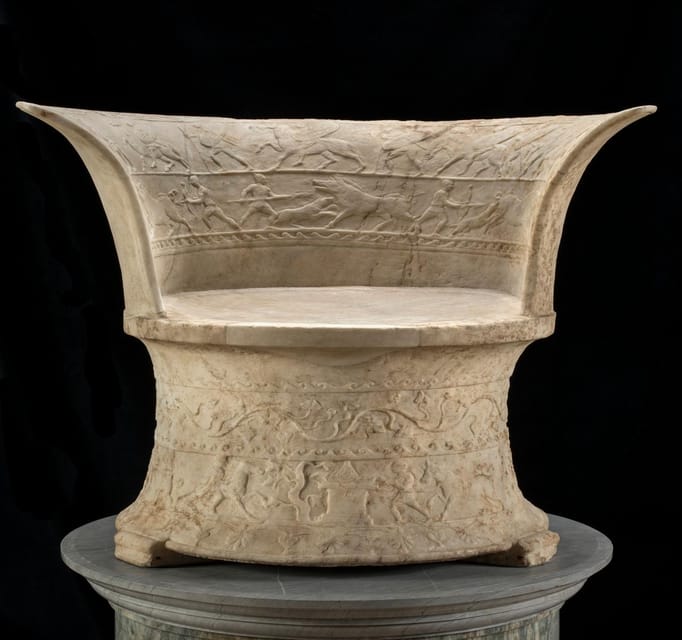
- Christina of Sweden’s Alcove and the Corsini Throne: the rooms people talk about for a reason
- Inside the National Gallery of Ancient Art collection: how the space supports the art
- The palace backstory: from Cardinal Raffaele Riario to the Corsini transformation
- Your 1-hour plan: how to see what matters without rushing
- The phone guide that actually helps you connect art to what you’re seeing
- Palazzo Barberini access: why the added site matters for value
- Price and logistics: what you’re really paying for
- Practical rules and comfort: what can slow you down
- So should you book this Palazzo Corsini experience?
- FAQ
- How long is the Palazzo Corsini experience ticket?
- Is this experience wheelchair accessible?
- What’s included with the ticket besides Galleria Corsini?
- Which artists and works are highlighted?
- Do I need my voucher to enter?
- Can I take photos with flash?
- Are backpacks, food, or drinks allowed inside?
- Is there skip-the-line entry?
Key highlights you’ll care about
- Skip-the-line entry helps you get to the art faster in a busy city
- Christina of Sweden’s Alcove and the Corsini Throne give you the kind of photo-worthy detail that’s actually rooted in history
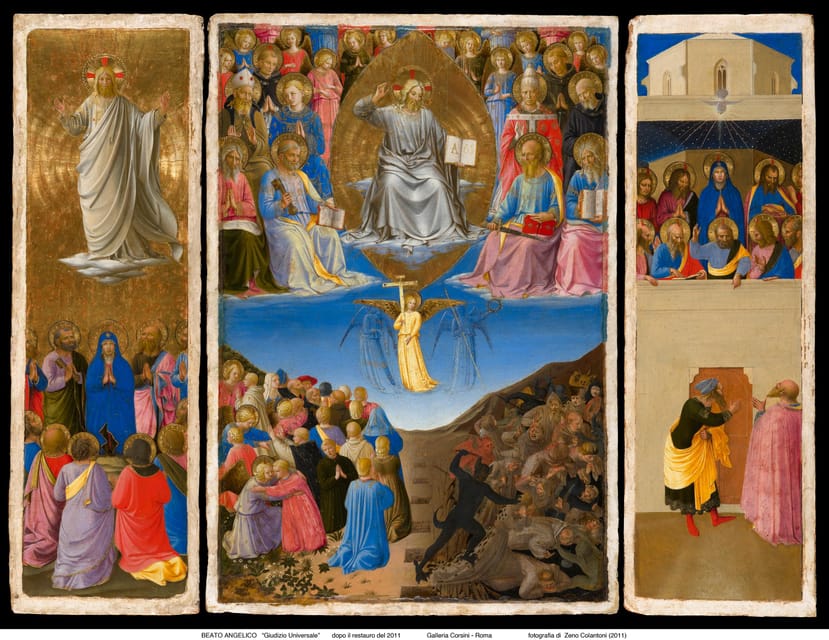
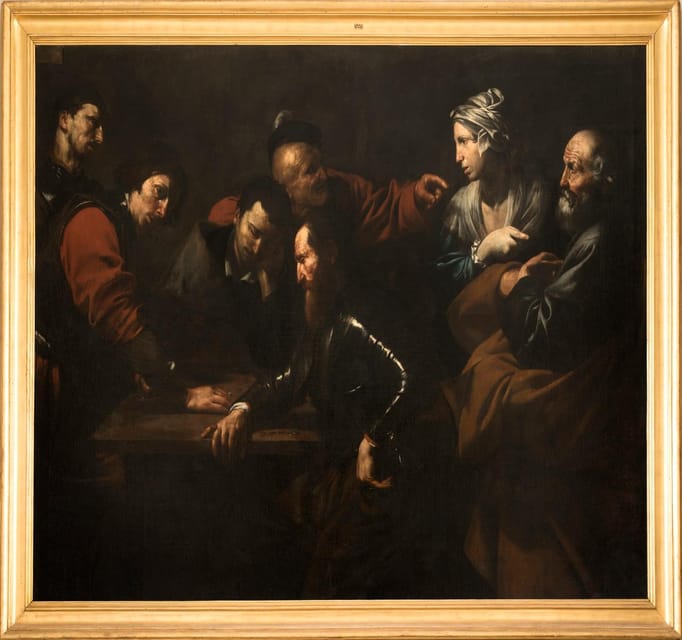
- Caravaggio, Rubens, and Salvator Rosa are the headline names, with works you can track room by room
- A real 18th-century picture gallery in Rome that has survived intact
- Smartphone audio guide app (170+ points) gives you an easy way to make sense of what you see
- One hour is enough if you go in with a plan and don’t try to rush every corner
Palazzo Corsini: an 18th-century gallery that feels like an apartment museum
The Galleria Corsini is special because it’s not just a container for art. It’s described as the only Roman picture gallery from the 18th century that survived intact, and that matters the moment you walk in. You’re seeing works placed in a setting that still reads like a household—rooms, views, and focal points designed around display.
The ticket is structured to help you do a focused visit. You’ll spend about one hour inside, which is short enough to keep it lively, but long enough to actually stop and look. This is a great option if you want a high-impact art stop without eating half your day on logistics.
There’s also a built-in historical payoff. The palace you’re in wasn’t always Corsini property. It was originally ordered by Cardinal Raffaele Riario, later connected to the papacy through his family ties, then transformed for the Corsini family after they took over. You’re not just looking at paintings; you’re walking through a structure shaped by changing power and taste.
You can also read our reviews of more tours and experiences in Rome

The art hits: Caravaggio, Rubens, Salvator Rosa in one concentrated hour
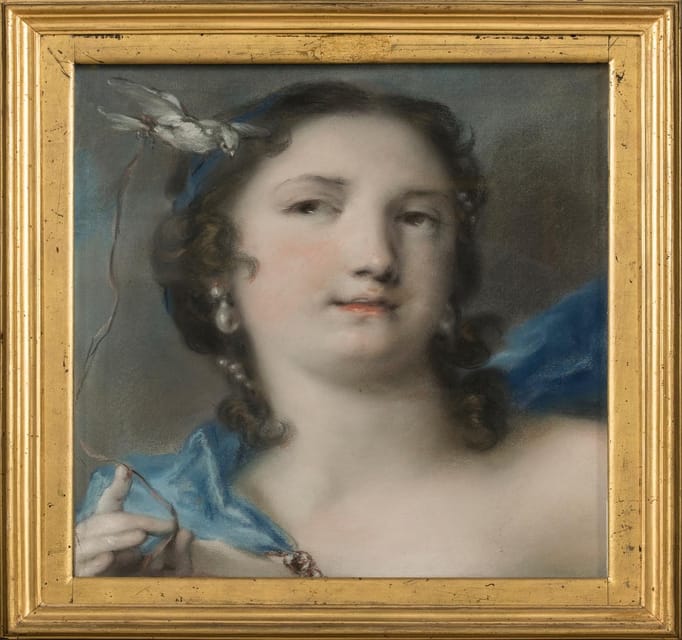
If you like big names, this ticket hands you a tight lineup. You’re set up to see masterpieces including:
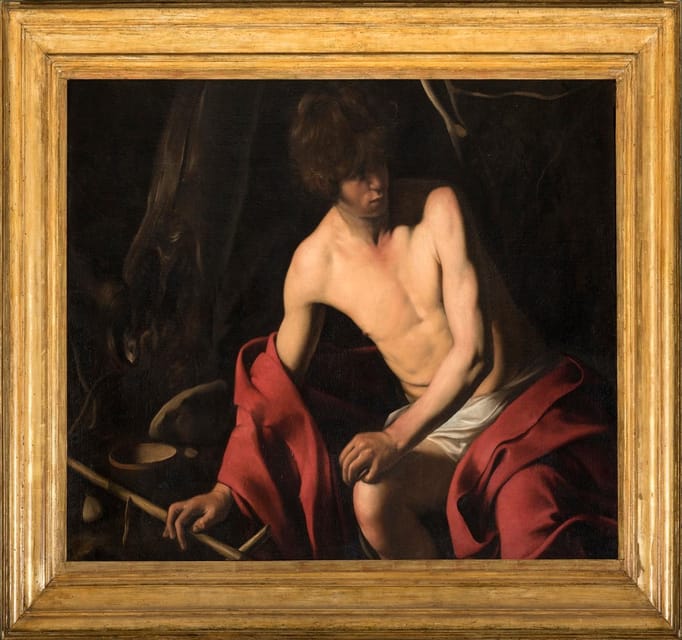
- St. John the Baptist by Caravaggio
- St. Sebastian by Rubens
- Prometheus by Salvator Rosa
What I like about having these three artists together is that it gives you a quick snapshot of different artistic approaches that were popular across Europe in the period. Caravaggio is all about dramatic intensity. Rubens tends to bring force and movement. Salvator Rosa is known here through the painting you’ll encounter—Prometheus—and it’s the sort of mythological subject that helps you see how “serious art” could be both theatrical and symbolic.
This is where the ticket’s “value” shows up. You’re not paying just for access to a building—you’re paying for a curated path through recognizable works. In a city full of world-famous masterpieces, it helps when the visit is designed so you’re not stuck wondering where to start.
Tip for your visit: if you want the most out of your time, pick one painting to really study (I’d choose Caravaggio), then let the other works become your checkpoints. Don’t try to memorize everything. The rooms are meant for looking, not speed-walking.
Christina of Sweden’s Alcove and the Corsini Throne: the rooms people talk about for a reason
Some art museums give you paintings. The Galleria Corsini gives you room-scale stories.
Two of the biggest drawcards are the Alcove of Christina of Sweden and the Corsini Throne. These aren’t just decorative extras. They’re highlighted features of the visit, which suggests they act like visual anchors. If you’re the type who enjoys noticing how people actually lived with display, these stops help you read the collection like a designed experience.
The Alcove is presented as a specific destination within the gallery. That means it’s likely to reward you for slowing down—look for what frames it and how it’s positioned so it feels like part of the residence rather than an isolated exhibit.
The Corsini Throne is described as mysterious, and that word is telling. When a museum item is described this way, it often means the object invites interpretation: where it sits, how it’s presented, and why it mattered to the household. You’ll likely get more from it if you pause rather than treat it as a quick photo stop.
Inside the National Gallery of Ancient Art collection: how the space supports the art
The Galleria Corsini is described as the central nucleus of the National Gallery of Ancient Art in Rome. That framing is useful: you’re not only seeing individual works, you’re seeing how a prestigious collection lives inside a palace setting.
The information you get about the building also points to why the collection feels cohesive. Today the palace houses the Accademia dei Lincei, and the building’s associated holdings connect to Cardinal Neri Corsini—especially through prints and a library book collection. The description also mentions that the prints collection forms the oldest nucleus of what’s now the National Institute of Graphics. Even if you’re focused on paintings, it helps to know this place isn’t an afterthought for art. It’s tied to serious collecting and documentation.
The collection includes marbles, sculptures, and classicist tendency paintings. That “mix” is important for you because it changes how you’ll look. It’s not a pure painting stop. If you enjoy sculpture and decorative framing, this is a good place to shift from looking only for famous names to looking for how objects interact with their setting.
The palace backstory: from Cardinal Raffaele Riario to the Corsini transformation
One reason this visit feels more satisfying than random museum wandering is the palace narrative. You’re entering a residence that was shaped by people with real influence.
The palace was ordered toward the end of the 15th century by Cardinal Raffaele Riario, identified as brother of Pope Sixtus IV della Rovere and father of Pope Julius II. Then in 1736, the property passed to the Corsini family, described as a very wealthy Florentine family, after Cardinal Lorenzo became Pope Clement XII.
The building work is part of what makes the palace work visually. Restoration was entrusted to architect Ferdinando Fuga, who restructured and expanded it between 1732 and 1736. The description says he built a new wing mirroring the existing one and created a central building accessed by a monumental staircase. So when you encounter the monumental staircase area, you’re not just seeing architectural drama—you’re seeing how the Corsini adapted the property to match their new status.
If you like context, this story helps you connect what you see. The paintings and objects make more sense when you realize the palace was remodeled to project power and taste.

Your 1-hour plan: how to see what matters without rushing
A one-hour museum visit sounds tight, but it works well here because the must-sees are clear. The ticket is designed around specific highlights—access to the gallery spaces, the Alcove, and the Corsini Throne, plus the major painting names.
Here’s a practical flow you can use once you’re inside:
1) Start by orienting yourself and picking your top two works to focus on.
2) Go for the gallery highlights (including the Alcove and throne) while your attention is fresh.
3) Then return to your chosen painting to slow down for a final look.
This is also a good museum stop if you’re combining it with other Rome classics later. The visit is compact. You can fit it between longer sights without turning your day into a transport marathon.
One more thing: avoid trying to multitask while you walk. With indoor art, it’s easy to get distracted. Instead, commit to stopping at the key pieces first, then fill in the rest.
The phone guide that actually helps you connect art to what you’re seeing
One of the strongest advantages here is the interactive guide experience tied to your smartphone. The standout feature is that you can select artworks from a reproduction of the wall in front of you. When you tap an artwork image, the full picture and its review open on your phone.
I like this approach because it solves a common problem. In many galleries, you either miss the context or you have to read slow wall labels that don’t fully explain what you’re looking at. Here, you can pair what’s in your view with what’s explained, and you can save what matters to you. If you want to remember a detail later (especially after you’ve moved on to another church or museum), saving helps.
It also pairs well with the included Rome City audio guide app, which comes downloadable on your smartphone and includes more than 170 points of interest. That’s handy if you’re the type who likes to keep learning while you travel, not only inside museums.
Practical note: flash photography is not allowed, so rely on the guide rather than trying to capture everything.
Palazzo Barberini access: why the added site matters for value
The ticket includes entrance to Palazzo Barberini as part of the offer. That’s not just a random add-on. It changes how you should think about value.
At $29 per person, you’re not only paying for the Galleria Corsini entry. You’re buying access to two related art environments plus specific featured access like the Alcove of Christina of Sweden. If you plan to spend time in central Rome on the same day or over a multi-day stretch, the extra entry can make your overall itinerary feel less like a collection of separate purchases and more like one art-focused plan.
There’s also a pricing clue worth noting: the total retail price includes €15.00 adult admission to Palazzo Corsini, and the price difference is attributed to the services included in the offer. Translation: part of what you’re paying for is the convenience layer—like skip-the-line entry—and the included extras.
Price and logistics: what you’re really paying for
Let’s talk value in plain terms.
You’re paying for:
- Admission to the Galleria Corsini (including the specific access you want)
- Skip-the-ticket-line support
- Included access to Palazzo Barberini
- A smartphone guide app experience
This is why I see this as a sensible purchase for many visitors. You’re not just buying a ticket to a room with art. You’re buying a guided way to find the important points quickly, in a setting where it’s easy to lose time otherwise.
Logistics are straightforward, but there’s one detail to watch. Your voucher is not the entry ticket. You’ll be contacted by an operator who provides the instructions to coordinate entry. This is the kind of thing you should do early—don’t wait until the last moment.
Time-wise, the experience is one hour, with starting times depending on availability. So plan your day around your exact start slot rather than trying to squeeze this into a vague window.
Practical rules and comfort: what can slow you down
There are several on-site restrictions that matter for your comfort and your photos:
- Flash photography is not allowed.
- Backpacks and food and drinks are not allowed inside the gallery.
Also, accessibility is a clear issue. The gallery is not accessible for wheelchair users or people with mobility impairments. If you or someone in your group uses a wheelchair, this isn’t the right fit.
If you’re sensitive to standing and walking in older buildings, pack lighter and wear comfortable shoes. The combination of art rooms plus restrictions on bags means you’ll want a simple carry setup.
If you’re traveling with a tight schedule, the skip-the-line element helps. But if you like to take your time at museums, you still need to respect the one-hour duration. Think of it as a high-quality art sprint, not a leisurely gallery crawl.
So should you book this Palazzo Corsini experience?
I’d book this if you want a focused Rome art stop with famous names and specific must-see rooms, and you like using a phone guide that points you to what’s in front of you. The Caravaggio, Rubens, Salvator Rosa mix plus the Alcove of Christina of Sweden and Corsini Throne makes the ticket feel purposeful, not random.
I’d skip it if mobility access is a concern, or if your style is to wander for hours with no plan. And if your goal is a super deep, all-day museum experience, a one-hour visit might feel short.
If your Rome plan needs one strong art anchor in the middle of the day, this is a clean, practical choice—especially because you’re also getting Palazzo Barberini access and a guide setup that helps you actually see and remember what you’re looking at.
FAQ
How long is the Palazzo Corsini experience ticket?
The duration is 1 hour.
Is this experience wheelchair accessible?
No. The gallery is not accessible for wheelchair users or people with mobility impairments.
What’s included with the ticket besides Galleria Corsini?
The ticket includes entrance to Palazzo Barberini and access to the Alcove of Christina of Sweden, along with the opportunity to see the highlighted artworks.
Which artists and works are highlighted?
The ticket highlights masterpieces including St. John the Baptist by Caravaggio, Prometheus by Salvator Rosa, and St. Sebastian by Rubens, plus the Corsini Throne.
Do I need my voucher to enter?
No. The voucher you received is not the entry ticket. An operator will contact you with instructions to coordinate entry.
Can I take photos with flash?
No. Flash photography is not allowed.
Are backpacks, food, or drinks allowed inside?
No. Backpacks, food, and beverages are not allowed inside the gallery.
Is there skip-the-line entry?
Yes, the ticket includes the chance to skip the ticket line.