REVIEW · ROME
Palazzo Barberini (Caravaggio Exhibition Is Not Included)
Book on GetYourGuide →Operated by TICKETSTATION SRL · Bookable on GetYourGuide
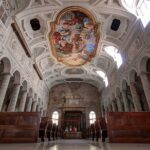
Baroque drama in a real Roman palace. In Palazzo Barberini, you get a focused, two-hour art walk through the Galleria Nazionale d’Arte Antica, with the tall central hall and Pietro da Cortona’s ceiling fresco that makes the whole building feel like theater.
I also love how Raphael’s Fornarina is the kind of famous work you can actually locate and appreciate without needing a week-long museum plan. One clear drawback: the ticket does not include the Caravaggio exhibition, so if that’s your main goal, you’ll feel the pinch.
In This Review
- Key things that make this visit worth your time
- Palazzo Barberini: why this palace feels like the real show
- The Galleria Nazionale d’Arte Antica: 1,400+ works, spanning centuries
- The central hall: full-height drama and ceiling illusionism
- Raphael’s Fornarina: the famous work you can actually find
- Palazzo Corsini: why the second palace matters
- Tickets, timing, and the Caravaggio exhibition catch
- What to do before you go: small prep that pays off
- Price and value: is $28 actually fair?
- Who this is best for
- Should you book Palazzo Barberini + Palazzo Corsini?
- FAQ
- Is the Caravaggio exhibition included with this ticket?
- How long is the visit?
- Which places does this experience include entrance to?
- Does it include an audio guide?
- What do I use at the entrance?
- When should I arrive?
- Is the gallery open every day?
- Can I take photos inside?
- Is this suitable for wheelchair users?
Key things that make this visit worth your time
- A Baroque building first, then the art: the architecture and big rooms are part of the experience
- 1,400+ works in the Galleria Nazionale d’Arte Antica across centuries of Italian art
- Raphael’s Fornarina as a major, well-known anchor in the collection
- The central hall’s full-height scale that leads your eye up to the fresco
- Pietro da Cortona’s monumental ceiling fresco and its illusion-style impact
- Two palaces for one trip: Palazzo Barberini plus Palazzo Corsini
Palazzo Barberini: why this palace feels like the real show
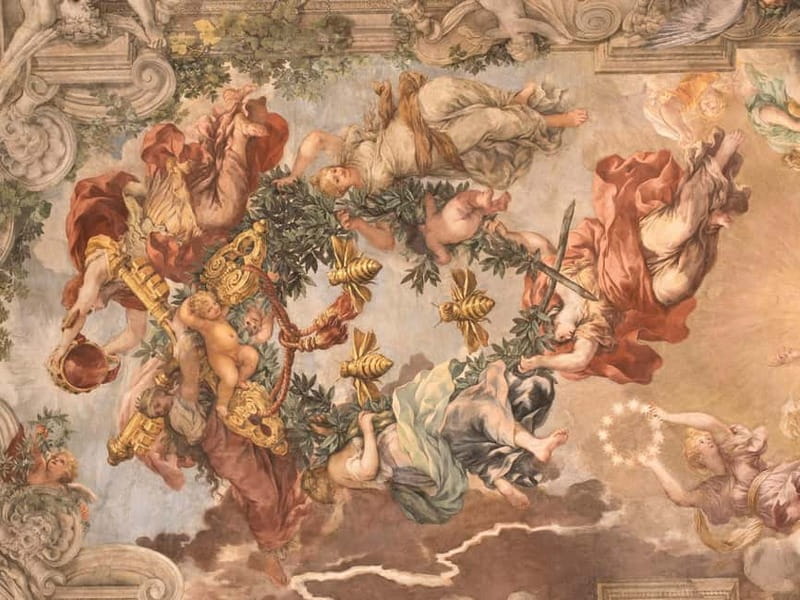
Palazzo Barberini isn’t just a container for paintings. It’s an old-school Roman statement—grand, dramatic, and designed to impress. The story behind it helps you understand the look and attitude. The property was bought by Maffeo Barberini, who later became Pope Urban VIII in 1623. He’s remembered for big political and cultural moments in Rome, including the XIII Jubilee, the practice of nepotism, and the condemnation of Galileo Galilei. But when you walk these rooms, what you can feel is his role in spreading the Baroque style.
That matters because Baroque art and architecture aren’t about quiet realism. They’re about motion, surprise, and emotion. When the ceiling is painted to pull your eyes upward and the rooms are designed for impact, you start to see Baroque as a system—not just paintings on walls.
If you enjoy museums where the building improves your understanding of the art, you’ll likely appreciate Palazzo Barberini more than you expect.
You can also read our reviews of more museum experiences in Rome



The Galleria Nazionale d’Arte Antica: 1,400+ works, spanning centuries
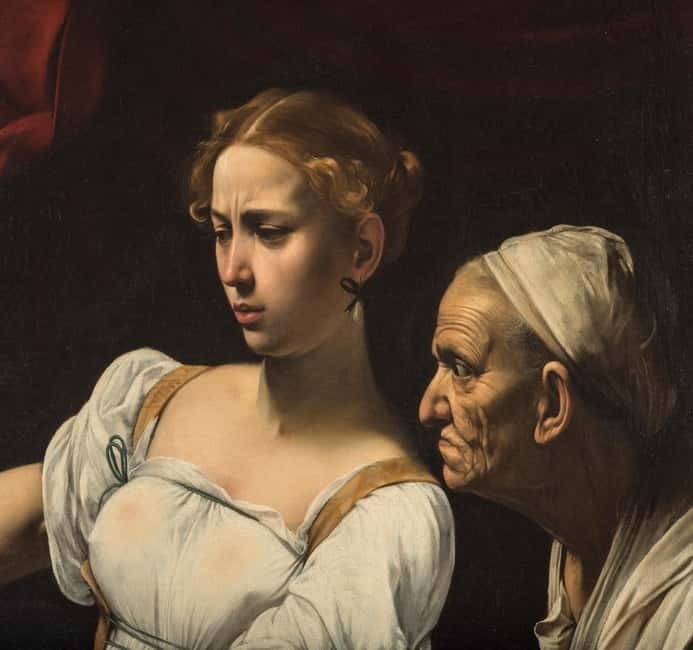
Inside, you’ll visit the Galleria Nazionale d’Arte Antica, which houses more than 1,400 works. You’re looking at a collection that covers the 13th through the 18th century, so it’s not a single style trapped in one era. Instead, you get the slow evolution of Italian painting and sculpture traditions—and the sudden switches in taste as the centuries roll forward.
You can expect famous names to appear in the galleries, including Raphael, Filippo Lippi, Bernini, Borromini, and Caravaggio, among others. Even if you’re not hunting individual masterpieces like a collector, the breadth helps you build a stronger sense of what artists were responding to at different points in time.
Two practical things help you get value from a timed, two-hour visit:
- Pick a few “must-see” moments (like Raphael’s Fornarina and the central hall ceiling) and let the rest support those anchor points.
- Use your time to notice shifts in style—faces, light, composition—not just subject matter.
You’ll get a lot done fast, but it helps to have a game plan so the rooms don’t blur together.
The central hall: full-height drama and ceiling illusionism
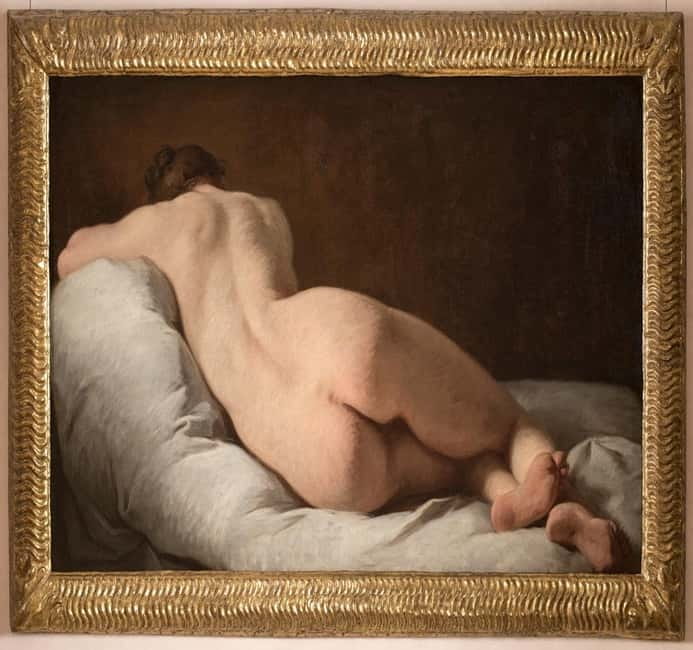
One of the most useful parts of this visit is the building’s layout. The large central hall occupies the entire height of the building, which means it’s not just another gallery room. It’s a vertical event.
In the ceiling, you’ll see a monumental fresco by Pietro da Cortona. The key idea is illusionism—the ceiling artwork is designed to make you feel like the space continues upward or expands beyond what’s actually there. When you’re standing inside, this kind of ceiling painting can do something flat museum labels can’t: it changes your sense of scale and perspective.
What you should do when you’re there:
- Pause. Don’t rush the hall just to move on.
- Look up before you look around. The hall is designed so your eyes are pulled to the top.
- If you like Baroque technique, pay attention to how the fresco creates depth and motion.
This is the moment that turns “I’m seeing paintings” into “I’m inside Baroque design.”
Raphael’s Fornarina: the famous work you can actually find
Among the many masterpieces, Raphael’s Fornarina is singled out for its notoriety. In a collection this large, a famous work can either disappear into the museum haze—or become the reason you’re there.
This one helps because it’s recognizable as a “stop here” item even if you’re not studying Raphael at a graduate level. When your visit is only two hours, that kind of anchor is valuable. It gives you a focal point, so you don’t end up spending the whole time in a sprint.
If you’re a fan of Renaissance art, you’ll appreciate how this gallery places Raphael within a broader timeline rather than treating him like a standalone celebrity. And if you’re new to Italian art, it’s a friendly entry point: you get one major name you can connect to, then you can look outward to the surrounding works.
Palazzo Corsini: why the second palace matters
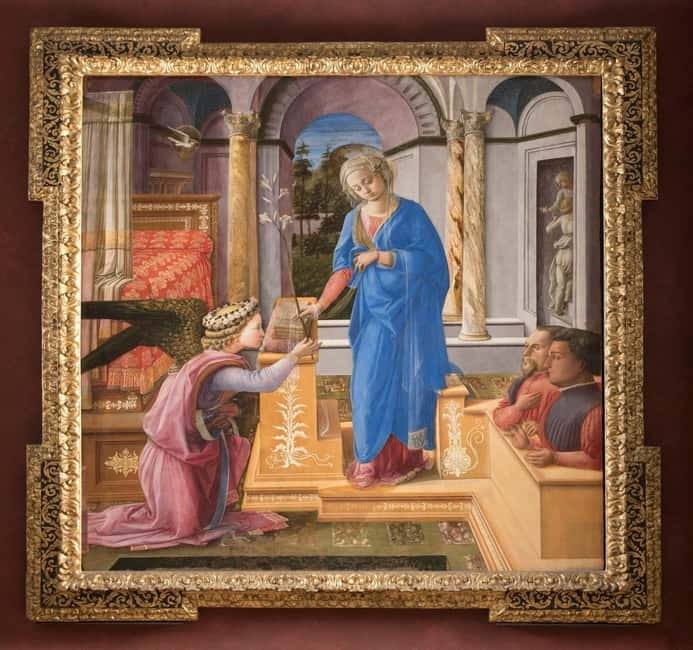
Your ticket includes entrance to Palazzo Corsini as well as Palazzo Barberini. The advantage here is simple: it makes your two-hour time feel fuller. Instead of seeing one palace and feeling like you already paid for the museum box, you get a second setting with a different mood.
You won’t have to invent extra logistics. The experience is built around two entrances, so you can plan your day knowing you’re not burning time later looking for another attraction with the same ticket price.
The trade-off is that you’ll want to keep your expectations realistic: with a two-hour duration, you can’t expect deep, room-by-room scholarship in both palaces. Instead, think “best hits” and let your interests guide what you slow down for.





Tickets, timing, and the Caravaggio exhibition catch
This is where you need to pay attention, because it’s also where most frustration can happen.
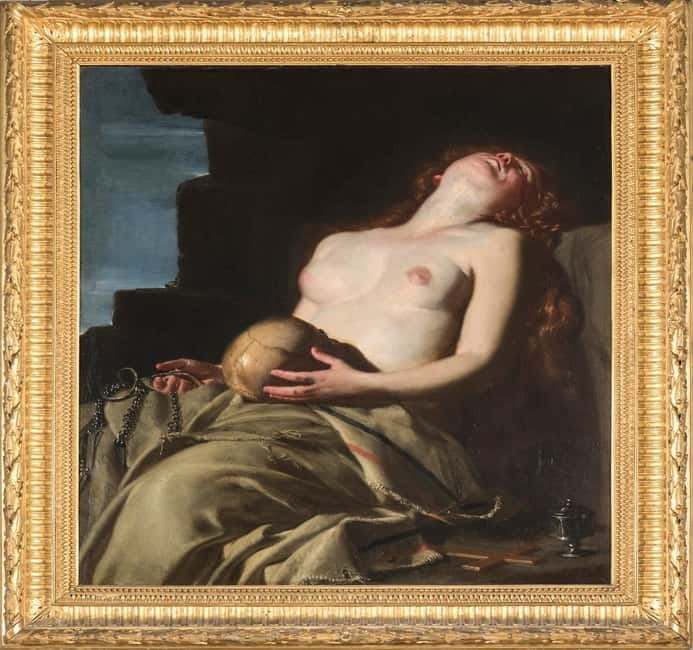
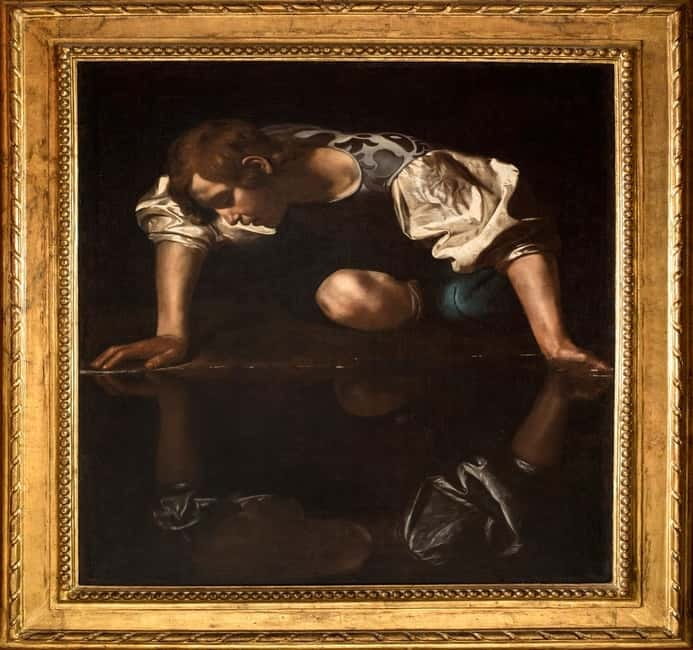
The big note: the Caravaggio exhibition is not included. That means this experience is about Palazzo Barberini and its collection (and the added Palazzo Corsini entrance), not that specific special show. The gallery does include artists such as Caravaggio in its holdings, but the exhibition itself is separate—and your ticket won’t cover it.
So ask yourself one question before booking:
Is your priority the museum collection and Baroque architecture, or is it a specific Caravaggio exhibit date? If it’s the latter, you’ll likely want a different ticket.
Timing rules also affect your experience:
- The gallery is closed on Mondays.
- Last admission is one hour before closing.
- You should report to the ticket office 10 minutes before your selected timeslot.
Since you have a scheduled entry, arriving late can shrink what you’re able to see. This is a visit where momentum matters: get in, get oriented, and then slow down only when you hit your anchor moments.
Skip-the-ticket-line is included, which helps a lot in Rome. You don’t want your art time eaten by waiting.
What to do before you go: small prep that pays off
You’ll get the best experience if you treat this like a timed walk with smart targets, not like a leisurely wander.
Bring:
- Comfortable shoes
- Hat
- Camera
- Sunscreen
- Water
Photography:
- No flash photography.
- Photography is allowed without flash.
Also, plan for your own pacing. Since this is not described as a guided tour with a specific spoken walkthrough, you’ll likely move through rooms at your own speed—and that’s exactly where the included audio guide app can help.
The experience includes a downloadable Rome City audio guide app with more than 170 points of interest. It’s useful if you want to connect what you’re seeing inside to what’s happening across Rome outside the palaces. Even if you only listen for a few stops, it can keep the day from feeling disconnected.
One more practical note: this visit is not suitable for people with mobility impairments and not suitable for wheelchair users. If that applies to you, consider planning a different route or a different type of museum visit.
Price and value: is $28 actually fair?
Price is where people can feel misled if they skim. The listing price is $28 per person. The important value detail is how the included cost is built:
- The total retail price includes €15.00 adult admission to Palazzo Barberini.
- The price difference is due to the services included in the offer.
So you’re paying not only for admission, but for the package elements: skip-the-ticket-line, the structure of a timed entry, and the included audio guide app (plus the Palazzo Corsini entrance).
Is it a bargain? If you came for Baroque architecture plus a large, broad collection in a timed format, it can feel fair. You’re getting two palace entrances and a strong “anchor moment” (the central hall ceiling fresco) without spending hours figuring out logistics.
Is it overpriced? Only if you booked expecting the Caravaggio exhibition included. For that goal, the ticket as described won’t deliver. In that case, the issue isn’t the palace—it’s the mismatch between what you want and what’s actually included.
Who this is best for
This works especially well if you:
- Like Baroque architecture as much as painting
- Want a “high-impact” museum experience in about two hours
- Enjoy a major collection with work from many periods (13th–18th century)
- Prefer self-paced visiting with a phone app rather than a long guided lecture
It might not be ideal if you:
- Are mainly chasing the Caravaggio exhibition (because it’s explicitly not included)
- Need wheelchair-accessible routes (this experience isn’t suitable)
Should you book Palazzo Barberini + Palazzo Corsini?
If your goal is to see a great Roman Baroque setting and get real art exposure quickly, I’d say yes—as long as you’re booking for the right reason. The central hall and Pietro da Cortona ceiling fresco are the kind of “pay attention” moments that make a short visit feel worthwhile. Add Raphael’s Fornarina and the wide collection of over 1,400 works, and you’ve got a strong match for people who want culture without an all-day commitment.
But if you’re booking because of the Caravaggio exhibition, don’t roll the dice. This ticket won’t get you in. Pick the correct Caravaggio show option instead, then pair it with other museums if you still want Palazzo Barberini’s Baroque atmosphere.
FAQ
Is the Caravaggio exhibition included with this ticket?
No. The Caravaggio exhibition is specifically listed as not included.
How long is the visit?
The duration is listed as 2 hours.
Which places does this experience include entrance to?
It includes entrance to Palazzo Barberini and entrance to Palazzo Corsini.
Does it include an audio guide?
Yes. You’ll receive access to a Rome City audio guide app downloadable on your smartphone with more than 170 points of interest.
What do I use at the entrance?
The voucher you received is not the entry ticket. An operator will contact you with instructions to coordinate your entry.
When should I arrive?
You should report at the ticket office 10 minutes before your selected timeslot.
Is the gallery open every day?
No. The gallery is closed on Mondays.
Can I take photos inside?
Yes, photography is allowed without flash. Flash photography is not allowed.
Is this suitable for wheelchair users?
No. It is not suitable for wheelchair users and not suitable for people with mobility impairments.