REVIEW · ROME
Rome: A Journey Back in Time to the Roman Era, Half Day Tour
Book on GetYourGuide →Operated by Welcome Italy by Spare Tour S.r.l. · Bookable on GetYourGuide
Roman history can feel oddly intimate. This half-day walk zeroes in on the Museo Nazionale Romano and the Terme di Diocleziano, where you get major art and real atmosphere without spending your morning fighting the biggest crowds. I also love how the route spotlights masterpieces like Myron’s Discobolus with just enough context to make them click.
The second reason I’m into this tour: you’re not stuck staring at stone through a rope. You’ll walk through the baths complex, including quiet underground areas and worship spaces, and you’ll see how Michelangelo’s work shapes the courtyard today. One possible drawback: you’ll do a fair bit of walking, and Santa Maria degli Angeli has a strict dress code (no shorts, no miniskirts, and uncovered shoulders), so pack for church rules.
In This Review
- Key highlights you’ll feel on this route
- Why this Roman-era route works better than the Colosseum rush
- Starting at Santa Maria degli Angeli: a church with an ancient spine
- Palazzo Massimo alle Terme: where Roman sculpture and frescoes finally make sense
- Terme di Diocleziano: underground spaces, worship areas, and Michelangelo’s courtyard
- The planetary sundial at Santa Maria degli Angeli: when science becomes a sightseeing moment
- How the guides shape the experience in real time
- Pace, walking time, and what to wear so you can enjoy it
- Price and value: what you get for $167.66 per person
- What I’d pack and do before you go
- Should you book this Roman-era half-day tour?
- FAQ
- How long is the Rome Roman Era half-day tour?
- Where does the tour start?
- What’s included in the price?
- Is hotel pickup and drop-off included?
- What languages are offered for the live guide?
- What should I wear for the basilica?
- Is this tour suitable for wheelchair users or mobility impairments?
- Does the tour run in bad weather?
Key highlights you’ll feel on this route
- Palazzo Massimo alle Terme: a guided visit built around the Roman art you usually miss
- Myron’s Discobolus and other standout sculpture moments
- Terme di Diocleziano: walk the restored baths grounds and atmosphere, including underground areas
- Michelangelo’s restored courtyard inside the thermal complex
- Santa Maria degli Angeli: don’t skip the planetary sundial and the science angle
- A short, efficient 3-hour format that keeps you moving but not rushed
Why this Roman-era route works better than the Colosseum rush
Rome’s famous sites can be overwhelming. The Colosseum and the Forum pull all the attention, but you still wonder: where did all the precious art go?
This tour answers that question in a smart way. Instead of only looking at architecture on the street, you spend your guided time where the art and artifacts were preserved and interpreted: the Roman National Museum sites. You’ll move through a tight arc of stops where everything connects—imperial taste, daily life, and later layers of Roman buildings reused and reshaped over centuries.
And because it’s only about three hours, you get to see a lot without your feet begging for mercy before lunch.
You can also read our reviews of more tours and experiences in Rome.



Starting at Santa Maria degli Angeli: a church with an ancient spine
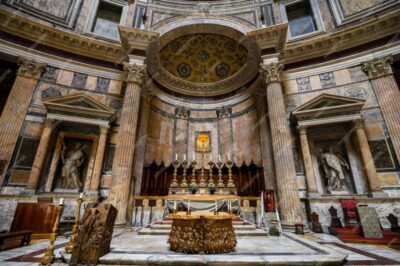
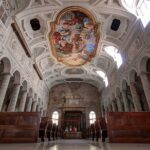
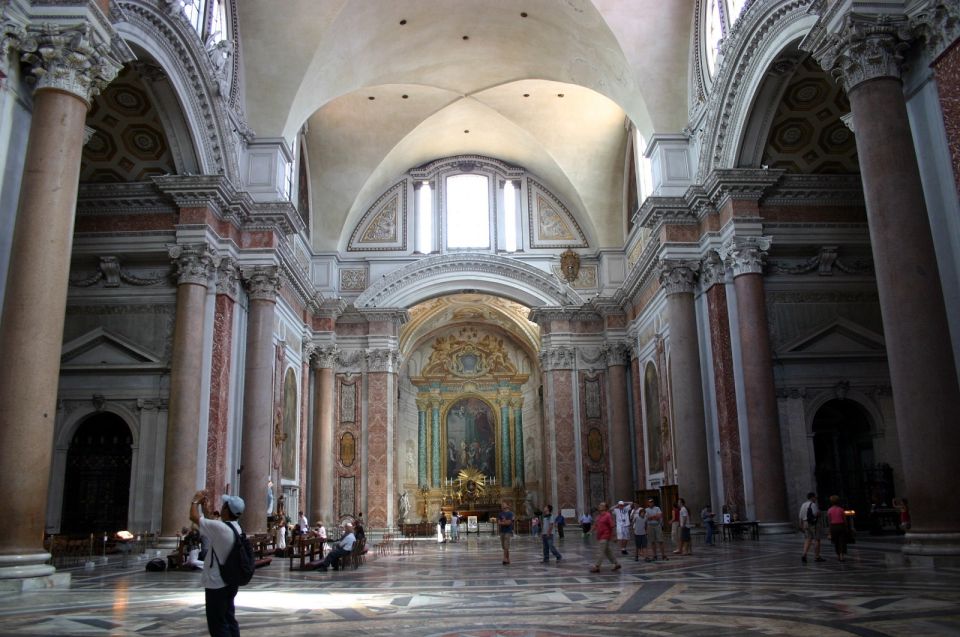
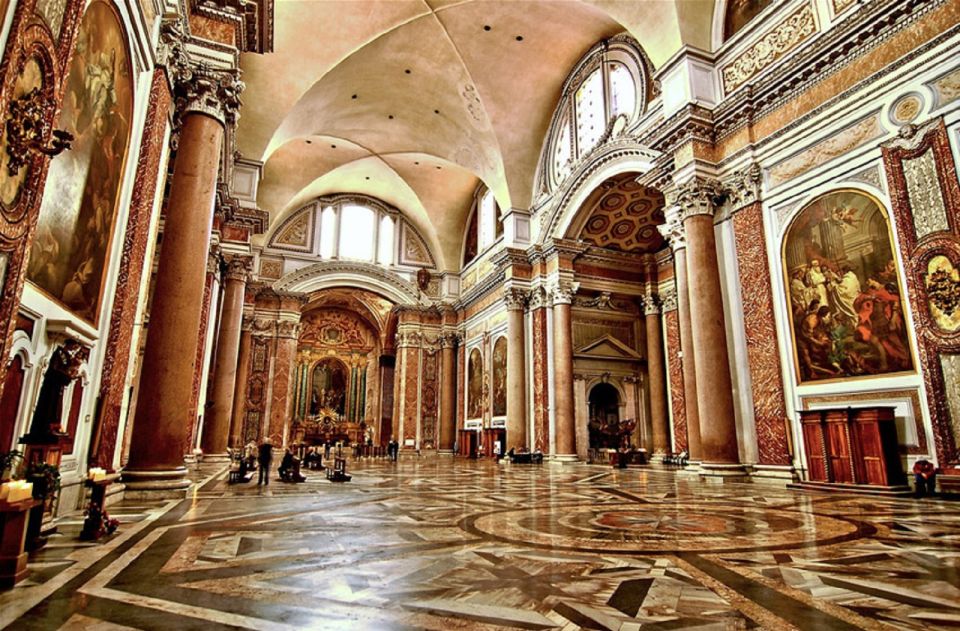
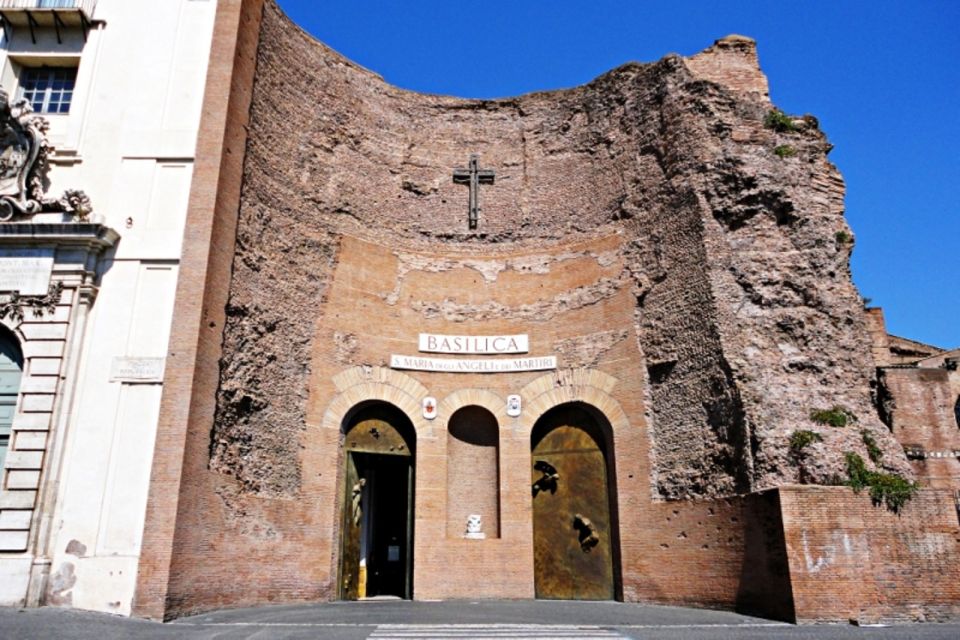
You begin at the Basilica of Saint Mary of the Angels and Martyrs, and that matters. This church sits in the Baths of Diocletian story, so it’s not just a pretty stop. It’s a reminder that Rome keeps recycling its best ideas—new uses built over old spaces.
Before you go inside, know the dress code. Entry to the basilica requires appropriate clothing: shorts and miniskirts are not allowed, and you’ll need shoulders covered. If you’re arriving in hot weather, it’s worth planning your outfit so you don’t waste time at the doorway trying to improvise.
Even if you’re not a church person, you’ll still appreciate why this place has that gravity. It turns the tour from art sightseeing into a bigger timeline: Roman engineering, later restoration, and a continuous setting where science and faith share space.
Palazzo Massimo alle Terme: where Roman sculpture and frescoes finally make sense
Your main museum stop is the National Roman Museum at Palazzo Massimo alle Terme. This is one of those places where the key works are not just framed well—they’re presented in a way that helps you understand the culture behind them.
You’ll have about 75 minutes here, and that’s enough time for the guide to steer you toward the most meaningful highlights without turning it into a marathon. I like this format because it protects your energy. You’re not sprinting room to room just to say you saw everything.
Here’s what you can expect to focus on:
- Imperial sculpture and lost masterpieces, including Myron’s Discobolus (Discus Thrower) and a version of the Old Boxer
- Painted wall art, including frescoes from the Garden Villa of Empress Livia
- Colorful mosaics and tomb-related pieces
The big value of Palazzo Massimo isn’t only the art itself. It’s how the guide ties it to Roman life. A discus thrower isn’t just a statue in a room; it becomes a window into elite taste and the kinds of bodies Rome celebrated. Frescoes connected to Empress Livia help you shift from general Roman history to how power lived inside domestic spaces.
One small practical consideration: museum energy can vary by person. If you don’t usually like art museums, give this one a chance anyway. The guide’s job is to make the objects feel less like random finds and more like a story you can follow.
Terme di Diocleziano: underground spaces, worship areas, and Michelangelo’s courtyard
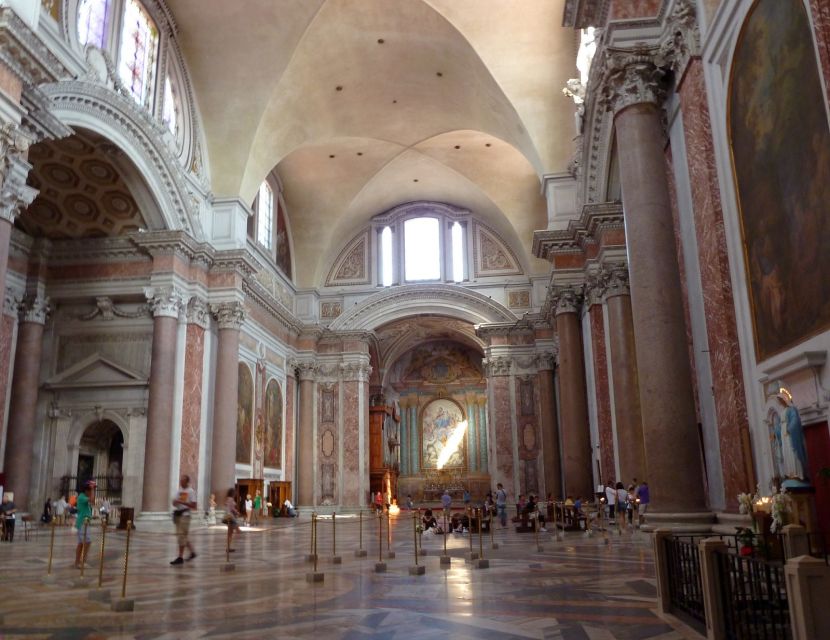
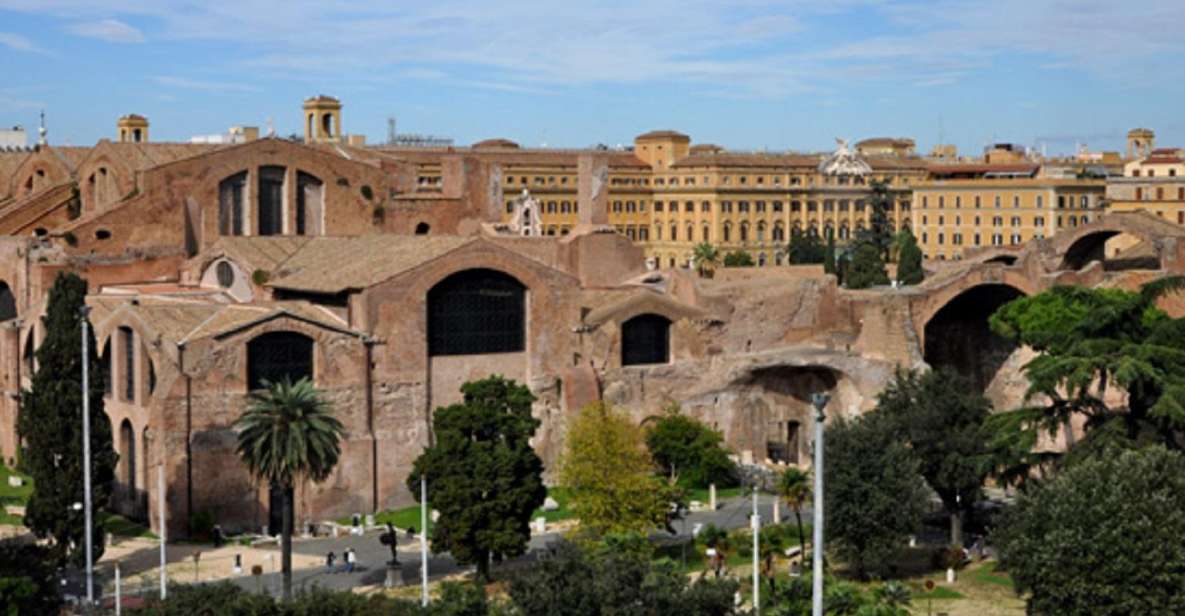
Next you step into the Baths of Diocletian. You’ll get about an hour here, with a mix of walking and guided explanation plus photo opportunities.
The standout for me is the change in texture of the visit. This isn’t only viewing. You’re moving through parts of the complex that feel quieter and more atmospheric than the big street-level landmarks. The tour description also emphasizes underground areas and even places of worship, which makes the baths feel layered rather than frozen in time.
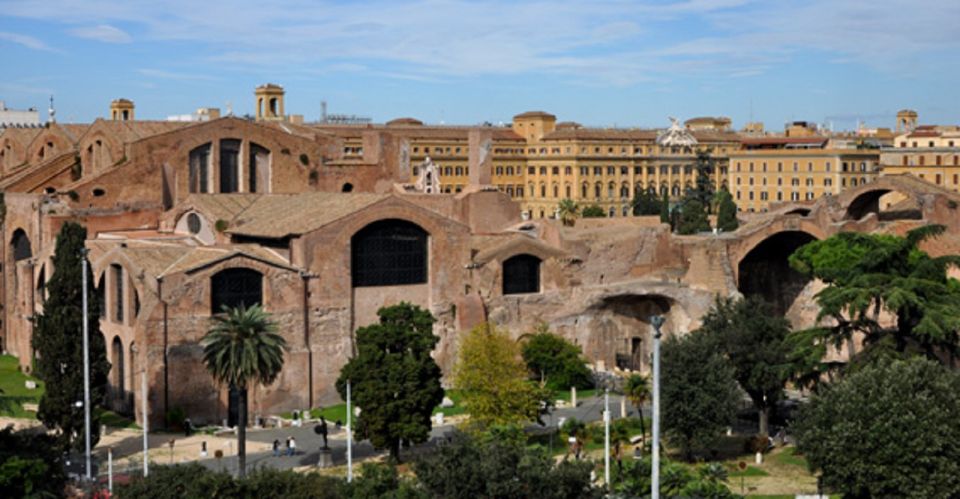
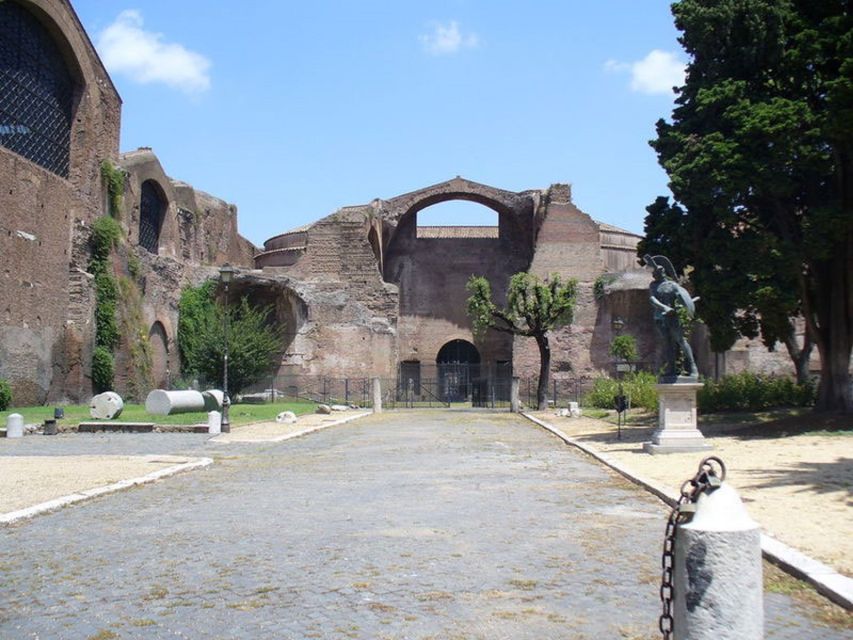
You’ll also spend time in what’s essentially the heart of the complex: an evergreen wood area connected to the thermal baths setting, plus a huge courtyard that was restored by Michelangelo. That detail is more than trivia. It shows you how later artists and architects looked at ancient Rome and decided what was worth preserving, shaping, and keeping alive.
What to watch for while you’re there:
- The way Roman architectural planning still governs the experience as you walk
- The contrast between the baths’ original purpose and later religious use of parts of the space
- How the courtyard’s restoration affects how light and space feel in the complex
Possible drawback to keep in mind: baths buildings can mean uneven ground and stairs, and the tour is not described as ideal for people with mobility impairments or wheelchair users. If you’re managing knees, hips, or balance, bring extra caution and ask what walking surfaces you’ll face before committing.
The planetary sundial at Santa Maria degli Angeli: when science becomes a sightseeing moment
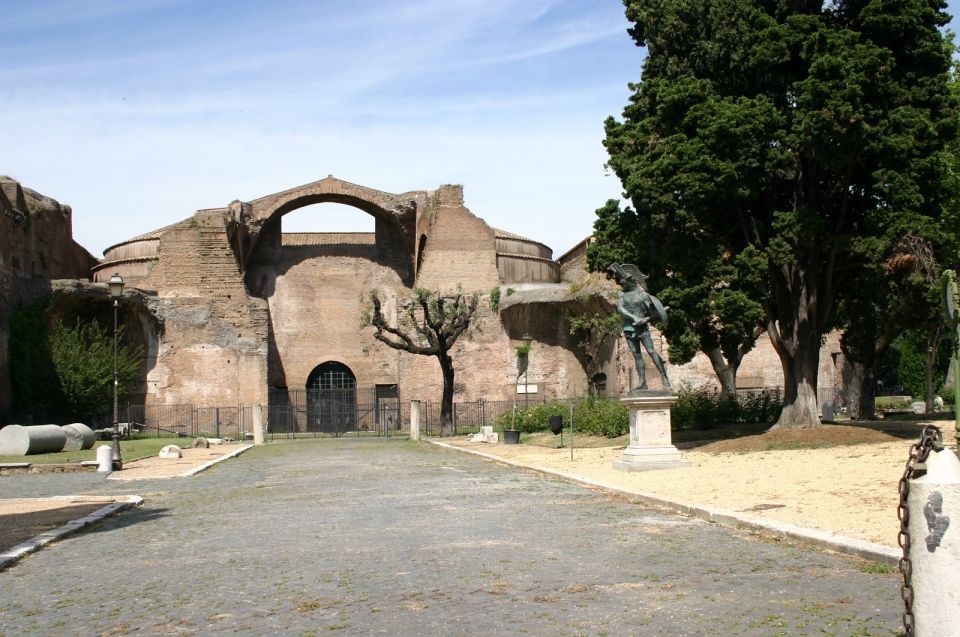
The final stop leans into something most people don’t associate with Rome: astronomy. You’ll walk through Santa Maria degli Angeli again here for about 45 minutes, and you’ll specifically encounter the planetary sundial.
This isn’t just a decorative sundial. It’s a 17th-century creation by astronomers for the pope, designed to calculate the perfect sequence of day and night across the seasons. That single detail turns your visit into a mini lesson about timekeeping, observation, and the way scientific thinking mattered in religious life.
When you’re looking at it, don’t treat it like a prop. Think of it as a tool that had real consequences: organizing schedules, aligning daily life, and expressing order in a world driven by the rhythm of sunlight and seasons.
And it’s a smart final note for the tour. After sculpture and baths architecture, you close with an object that asks you to look at the sky and time differently. It gives the morning an unexpected brainy edge.






How the guides shape the experience in real time
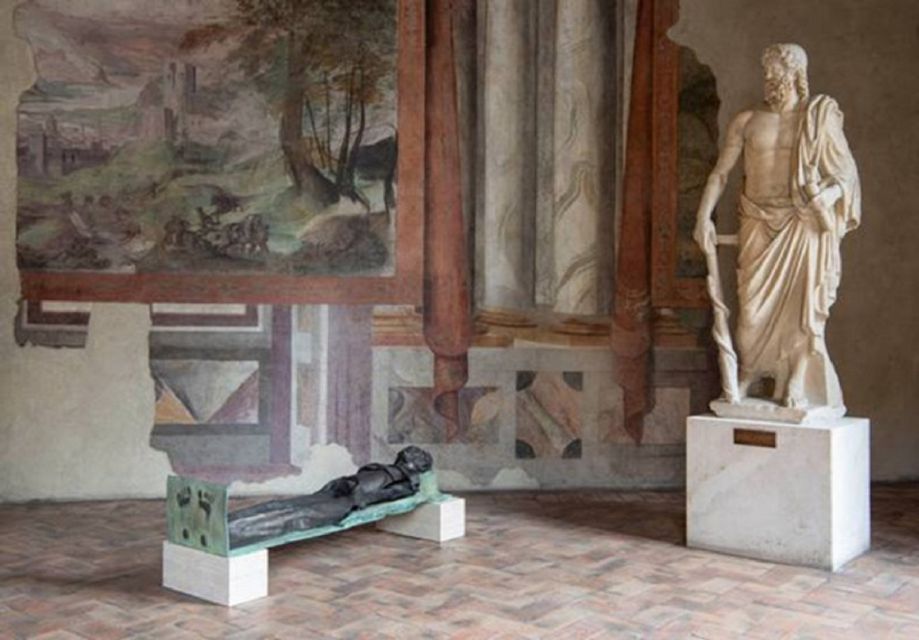
The quality of a short tour lives or dies with the guide, and this one benefits from that. Names you may hear in this experience include Mohammed and Fabio, and their approach shows up in the types of comments you’ll pick up during the walkthrough.
What matters most is that the guidance isn’t only about listing what you see. It’s about pace and context. Mohammed, for example, is described as taking his time through the museum, church, and baths. Fabio is described as bringing Roman and Hellenic history to life with clear explanations tied to the bigger picture.
In practical terms, that means:
- You’ll get context for major works like Discobolus and Livia-related frescoes
- The baths won’t feel like random ancient walls
- The sundial will land as a meaningful object, not a name on a plaque
Pace, walking time, and what to wear so you can enjoy it
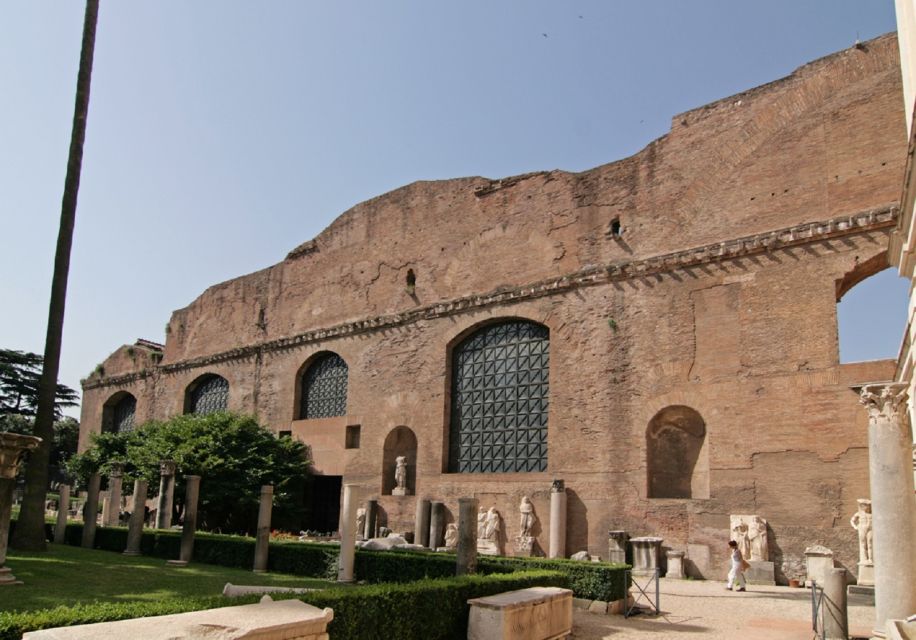
This is a 3-hour tour with scheduled time at each stop: about 75 minutes at Palazzo Massimo, about 1 hour for the baths, and about 45 minutes for the basilica segment. That structure helps you avoid the typical Rome problem: one long wait, then a rushed scramble to fit everything in.
You’ll also want comfortable shoes. Baths complexes and museum floors are not always kind to fragile footwear. Sunglasses and a camera help too, because you’ll be outside and inside with good photo chances.
Weather is handled simply: the tour operates in all weather. So don’t dress like it’s guaranteed sunshine. Bring a layer you can adjust quickly.
If you’re traveling with mobility limitations, take the not-suitable note seriously. The tour is not described as appropriate for people with mobility impairments or wheelchair users. Plan alternatives if that applies to you.
Price and value: what you get for $167.66 per person
At $167.66 per person for a roughly half-day experience, you’re paying for two things: guided time and entry included for the museum. Entrance tickets to the Museum are included, and you get a 3-hour professional guide.
Here’s how that translates into value for you:
- You’re not paying to wander aimlessly through “big Rome” sites.
- You’re getting focused access to a museum collection and a baths complex where major works and context matter.
- You’re also saving your own planning brain. The guide stitches together sculpture, imperial life, and scientific timekeeping into one coherent morning.
What’s not included is pickup and drop-off from your hotel. So you’ll want to be ready to reach the starting point on your own. If you’re already planning a walkable morning near the basilica area, that’s less of a cost factor.
If you’re deciding between this tour and a broader but less focused sightseeing plan, I’d lean toward this one if you care about art quality and meaning. It’s built for people who want Roman culture beyond the postcard stuff.
What I’d pack and do before you go
A few practical reminders that make this kind of Rome morning smoother:
- Comfortable shoes you can walk in for hours
- Sunglasses and a camera for outdoor courtyard moments
- Plan clothing for Santa Maria degli Angeli: shoulders covered, no shorts, no miniskirts
- If you tend to run hot, bring something breathable that still meets the church rules
Also, mentally prepare for a tour that mixes quiet and intensity. Museums can be still. Baths areas can feel expansive and cool. The sundial moment is calm but intellectually engaging. That variety is part of the appeal.
Should you book this Roman-era half-day tour?
I’d book it if you want Roman art and Roman science in the same morning. This route is especially strong if you’re the type who gets frustrated by Rome’s most famous sights being too crowded to really see.
You should also book if you like guided explanations that connect objects to people and power—frescoes linked to Empress Livia, sculpture tied to imperial taste, and the planetary sundial explained as a practical tool, not just a curiosity.
Skip it or consider an alternative if:
- You can’t handle walking and uneven historic surfaces
- You’re likely to be stuck by the basilica dress code
- You only want exterior monuments and don’t care about museum-quality art
If you fall in the first group, you’ll probably love how this tour gives you a calmer, smarter Roman morning—one where the past isn’t just seen. It’s understood.
FAQ
How long is the Rome Roman Era half-day tour?
It lasts about 3 hours. Starting times vary, so you should check availability.
Where does the tour start?
It starts at the Basilica of Saint Mary of the Angels and Martyrs.
What’s included in the price?
The price includes museum entrance tickets and 3 hours with a professional guide.
Is hotel pickup and drop-off included?
No. Pickup and drop-off from your hotel are not included.
What languages are offered for the live guide?
The live guide is available in English and Italian.
What should I wear for the basilica?
Appropriate clothing is required: shorts and miniskirts are not allowed, and uncovered shoulders are not permitted.
Is this tour suitable for wheelchair users or mobility impairments?
No. It is not suitable for people with mobility impairments or wheelchair users.
Does the tour run in bad weather?
Yes. The tour operates in all weathers.