REVIEW · ROME
Private Traditional Cooking Demo with Massimo in Rome
Book on Viator →Operated by Traveling Spoon · Bookable on Viator
Cooking pasta in a real Roman home.
That is what makes this experience feel different from the usual dinner-and-a-show in Rome. I love the private, local-house setting and I also love that Massimo focuses on Roman classics like carbonara and amatriciana, with clear explanations as he cooks. You’ll get a true sense of how Italian families think about ingredients, timing, and taste.
The meal afterward is the payoff: you’re not just watching pasta being made, you’re eating it with antipasti and Roman-style comfort food. The one thing to keep in mind is that this is a cooking demonstration, not a hands-on class—so if you’re hoping to knead dough and flip pans yourself, you may feel a bit more like a careful guest than a studio cook.
In This Review
- Key things to know before you go
- A Rome dinner with real kitchen talk, not restaurant scripts
- What happens during the 2-hour evening (and what you’re really paying for)
- Why the timing works
- The pasta lesson: what makes Roman classics worth learning
- The meal: antipasti to dessert, with Roman comfort food energy
- Dietary needs: how flexible is it?
- Location and logistics: how to plan your arrival in Rome
- Value for $95: when this feels worth it
- Who this suits best (and who might want a different style)
- A note on hosts and the cooking style you should expect
- Should you book this Roman cooking demo?
- FAQ
- What is the price per person?
- How long is the experience?
- What time does it start?
- Where do I meet the host?
- Is hotel pickup or drop-off included?
- What language is the experience offered in?
- Is this hands-on cooking or a demonstration?
- What food will I eat?
- Are drinks included?
- Can you accommodate dietary restrictions like gluten free?
- What is the cancellation policy?
Key things to know before you go
- Private Rome home experience: only your group, no crowd vibe.
- Demonstration style: you watch Massimo cook while he explains key steps.
- Classic pasta focus: carbonara, cacio e pepe, amatriciana, and similar Roman favorites.
- A full traditional meal: you sit down after the cooking, not just a snack.
- Dietary flexibility: vegetarian, vegan, and gluten free options are available if you request in advance.
- Real ingredient talk: guanciale and pecorino show up in the kind of discussion you rarely hear in restaurants.
A Rome dinner with real kitchen talk, not restaurant scripts
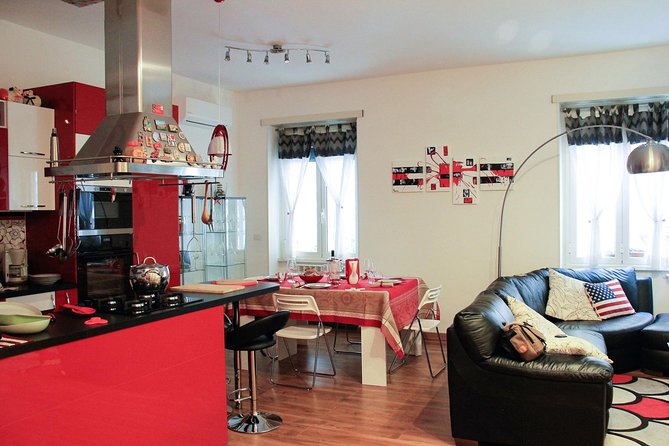
If you’ve eaten your way through Rome and still feel like you’re missing the “why” behind the flavors, this is a smart next step. The core idea is simple: you spend time in a local home where the cooking comes with explanations, then you eat what was made. The setting matters. A Roman apartment kitchen is not trying to impress you with decor. It’s just trying to get dinner on the table.
I like that the experience centers on classic Roman pasta dishes instead of trendy menu hopping. Carbonara and amatriciana aren’t hard to find in Rome, but it’s a different story when someone explains how they decide what goes into the sauce and what counts as the right balance of salt, fat, and sharpness. You’ll also hear about ingredient choices that make Roman food Roman—things like quality guanciale and the right kind of pecorino.
One more thing: the hosts seem to be genuinely interested in sharing. In past bookings, different host names have shown up (like Chiara, Cristina, and Daniella), and that’s a clue that this is a home-based experience rather than a factory tour. You might not always meet Massimo in particular, but the style stays the same: a warm home welcome and a meal built around family cooking.
You can also read our reviews of more private tours in Rome

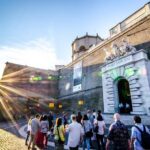

What happens during the 2-hour evening (and what you’re really paying for)
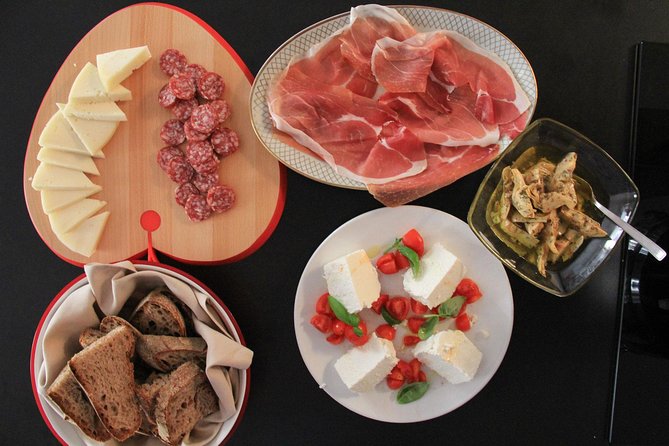
This is scheduled for 7:00 pm and runs about 2 hours. It starts at Via Foglia, 00199 Roma RM, and the activity ends back at that same meeting point. There’s no hotel pickup or drop-off, so you’re planning on being able to get yourself there on time.
What you’ll do in that time window usually looks like this:
1) Arrive, settle in, and meet your host
You’re going into a cozy home setting, so plan to dress comfortably. Rome kitchens are lived-in, not staged. You’ll likely start with small talk and a quick orientation, then the cooking begins.
2) The cooking demonstration
Massimo cooks the pasta while explaining each step. Depending on the night, you might see a Roman favorite like carbonara, cacio e pepe, or amatriciana. He’ll talk through the logic of the dish—how to treat ingredients so they taste like the real version, not a simplified imitation.
Because it’s a demonstration, you won’t be stationed at a prep table. Instead, you watch closely and learn the reasoning behind decisions. That can be a big win if you’re the type who wants to understand what makes good food good, not just collect recipes.
3) Sit down to a full Roman meal
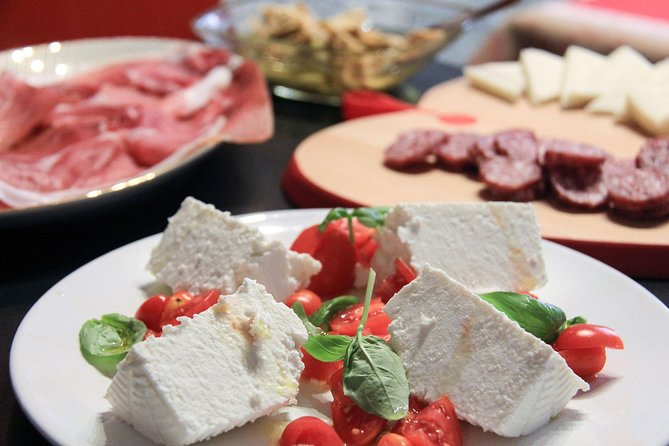
After the cooking, you eat. A typical arc is antipasti followed by the handmade pasta and then a main course such as meatballs. Dessert tends to be Roman and straightforward—one sample menu includes a sour cherry and Roman ricotta cheesecake.
Included with the meal are alcoholic and non-alcoholic beverages, which makes the whole evening feel like a true hosted dinner instead of a short tasting.
Why the timing works
Dinner at 7 pm gives you a few hours in the afternoon and early evening to roam (or recover from the day). You’re also eating fairly “on schedule,” which helps the food taste its best. Hot pasta right after it’s cooked beats lukewarm “tour food” every time.
The pasta lesson: what makes Roman classics worth learning
Even if you’ve tried carbonara before, you’ll likely leave with a clearer mental model of what the dish is supposed to be.
Here’s what the experience emphasizes based on the cooking focus and the ingredient discussion you’re set up for:
- Carbonara is about technique and balance
You’re not just watching pasta happen. You’re hearing how the dish gets its flavor without turning into a heavy, greasy sauce. The experience points you toward the idea that carbonara isn’t a cream sauce with bacon bits. It’s more deliberate than that.
- Cacio e pepe is about restraint
If the night includes cacio e pepe, the lesson is likely to center on the pepper/cheese relationship—how strong flavors should support each other instead of fighting. That’s useful knowledge even if you’ve made it at home in the past.
- Amatriciana leans on Roman ingredient standards
For amatriciana, the conversation is expected to highlight what counts as good pork flavor (often guanciale) and the kind of cheese that gives the sauce its recognizable character.
You may not get a cookbook in your hands. But you’ll get something arguably more valuable: a story-driven method for building flavor.
The meal: antipasti to dessert, with Roman comfort food energy
The sample menu gives you a good idea of the rhythm:
- Mixed fresh Roman antipasti
This sets the table with lighter bites so the pasta feels like the star rather than the only thing to eat.
- Mezze maniche alla carbonara
Roman pasta shapes matter. You’ll taste how the sauce clings and how the portioning feels when it’s built for a hosted dinner.
- Grandma’s beef meatballs
This is where the evening shifts into comfort-food territory—big flavors, familiar satisfaction, and a homemade vibe.
- Sour cherry and Roman ricotta cheesecake
Roman desserts often keep a straightforward tone: not too fussy, not too sweet, and usually built for sharing.






Dietary needs: how flexible is it?
The experience states that vegetarian, vegan, and gluten free options are available if you advise at booking. That’s important. It means you don’t have to hope for a last-minute workaround. If you have specific allergies or restrictions, write them clearly when you book so the host can plan the menu.
One past booking note described a gluten-free adaptation that kept the experience enjoyable. That supports the idea that hosts are willing to work with requests rather than just swapping one component and calling it a day.
Location and logistics: how to plan your arrival in Rome
Meeting point is Via Foglia, 00199 Roma RM, and you return there at the end. No pickup is included, so you’ll want to plan how you’ll get there before you even start dinner plans.
Start time is 7:00 pm, so arrive a few minutes early. Home experiences run on real schedules, and it’s easier on everyone if you don’t show up at the exact moment cooking starts.
Also, because you’re in a residential setting, think about footwear and how you’ll handle the walk from transit. Rome streets can be uneven, and you’ll likely move through small indoor spaces.
Value for $95: when this feels worth it
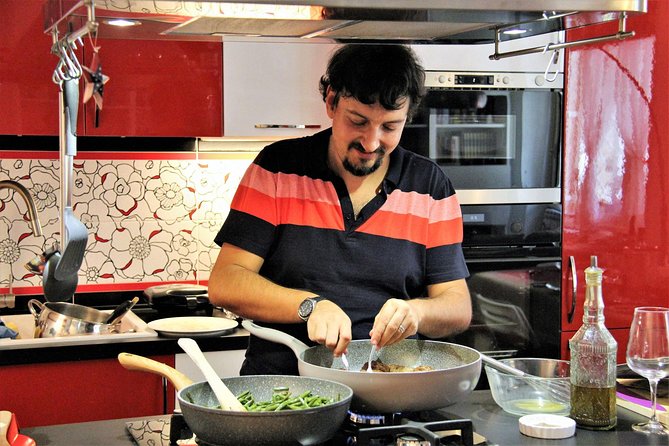
At $95 per person, you’re paying for three things: privacy, expertise, and a full hosted meal. You’re not just buying pasta. You’re buying time in a home with a cook who explains what he’s doing, plus dinner that follows.
This tends to be a strong value if:
- you want something more personal than a group cooking show
- you care about learning the logic behind Roman food
- you want the meal included, so you’re not doubling your spending with dinner reservations elsewhere
It may feel less appealing if:
- you want maximum hands-on participation (this is primarily a demonstration)
- you’re only interested in a quick tasting without the sit-down meal component
Who this suits best (and who might want a different style)
This is ideal for couples, small groups, and food-minded solo travelers who like a slower pace and real conversation. It’s also a good match if you want a “Roman home” night without committing to a long cooking school.
If you’re traveling with someone who gets bored watching while others cook, it could be a mild mismatch. The upside is that the hosting style is built around explanations, so even if you’re not holding a spoon, you’ll likely stay engaged.
A note on hosts and the cooking style you should expect
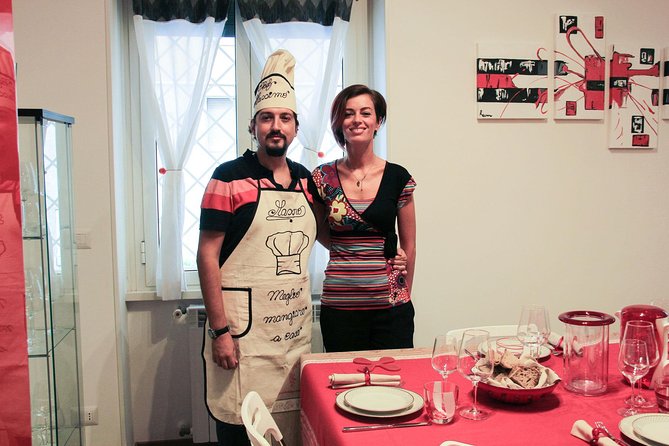
The experience name may say Massimo, but in real bookings you might see different host names tied to the same style of home cooking. That’s normal for home-based experiences. What matters most is the format: you’re there for a demonstration with a full meal afterward.
One booking note described a home experience that sounded more participatory than strict watching. Still, your safest expectation is demonstration-based cooking with lots of learning and conversation, then a seated dinner.
If you want to be extra sure, check your confirmation details and the day-of plan message you receive after booking. Use that to confirm who your host is and what level of participation is expected.
Should you book this Roman cooking demo?
I’d book it if you want a local-home dinner in Rome that teaches you how classic Roman pasta is built, then rewards you with a proper meal. It’s especially good if you like food learning that’s practical, not just performative.
I wouldn’t book it if your main goal is hands-on cooking. This is more about watching, asking, and eating than working the dough yourself. Also, if getting to Via Foglia on your own sounds stressful, you might prefer an option with pickup, since this experience does not include it.
If you want my simple checklist: go for it if you’re excited by carbonara and Roman ingredient logic, and if you’re happy to spend the evening in a home kitchen—less classroom, more family dinner.
FAQ
What is the price per person?
The price is $95.00 per person.
How long is the experience?
It lasts about 2 hours.
What time does it start?
The start time is 7:00 pm.
Where do I meet the host?
You meet at Via Foglia, 00199 Roma RM, Italy.
Is hotel pickup or drop-off included?
No, hotel pickup and drop-off are not included.
What language is the experience offered in?
It is offered in English.
Is this hands-on cooking or a demonstration?
This is a cooking demonstration. You will watch as the host prepares the pasta and explains the steps.
What food will I eat?
You’ll enjoy a traditional Roman meal after the demonstration. A sample menu includes Roman antipasti, handmade pasta (such as carbonara), a main course like beef meatballs, and dessert like sour cherry and Roman ricotta cheesecake. The menu may vary by season.
Are drinks included?
Yes. Alcoholic and non-alcoholic beverages are included.
Can you accommodate dietary restrictions like gluten free?
Yes. Vegetarian, vegan, and gluten free options are available if you advise at the time of booking. If you have allergies or dietary restrictions, you should mention them when booking.
What is the cancellation policy?
Free cancellation is available up to 24 hours in advance for a full refund. Canceling less than 24 hours before the start time does not receive a refund.