REVIEW · ROME
Rome: Private Tour of Navona Square with Undergrounds
Book on GetYourGuide →Operated by Touriks · Bookable on GetYourGuide
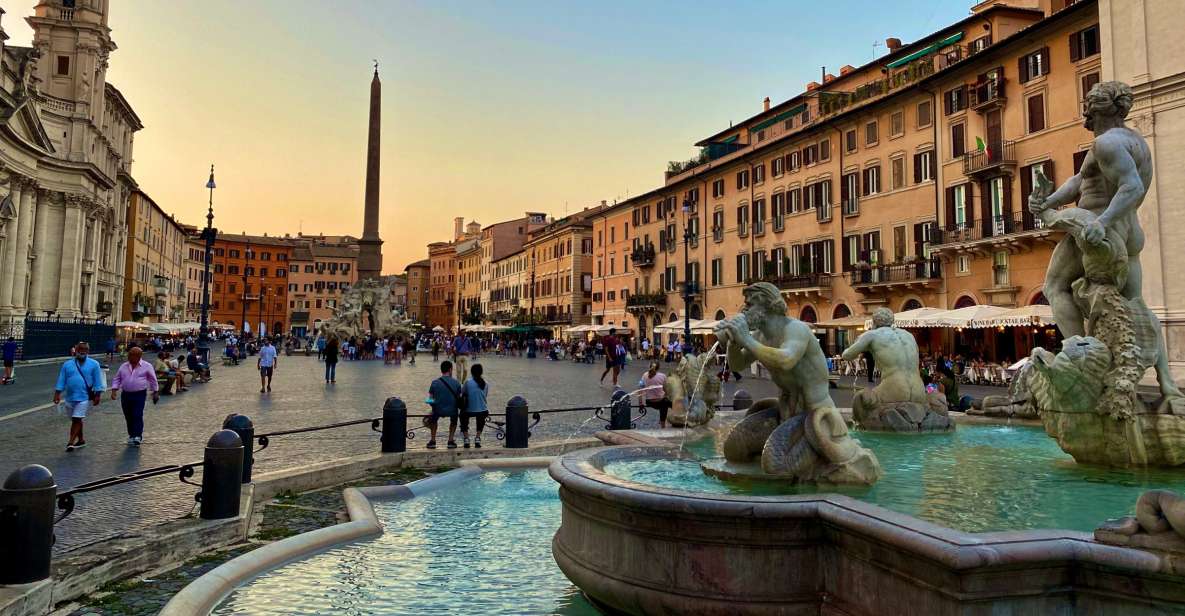
Rome’s secret under Navona is close. Piazza Navona is famous for its fountains above street level, but this tour adds a second story: Piazza Navona underground ruins and the ancient remains beneath the square. I especially like pairing the Fountain of Four Rivers with what it sits on top of, because the square suddenly makes sense.
The visit is led by an expert local guide, and I like how the tour keeps the focus on what you can actually see. You’ll get clear context for how Piazza Navona became shaped the way it did, plus stories tied to the places you pause at along the way.
One thing to consider: if you’re visiting during construction or ongoing restoration work, the surface can be partially obscured. In that case, your underground time still shines, but your expected views of the fountains from street level may be limited.
In This Review
- Key things I’d plan around
- Piazza Navona, but with a second floor
- Where the tour starts on Piazza Navona (and what to look for)
- The 40-minute itinerary, step by step
- Stop 1: Piazza Navona (meeting at 12)
- Stop 2: Piazza Navona guided walk (about 15 minutes)
- Stop 3: Fountain of the Four Rivers (photo stop plus guide notes)
- Stop 4: Stadium of Domitian (main underground visit, about 20 minutes)
- Stop 5: Return to Piazza Navona (end back at the start)
- What you’ll actually get from the underground section
- Baroque on top, ancient underfoot: the best kind of contrast
- Price and value for a private 40-minute experience
- Practical notes: audio, languages, and how long you’re out
- The one drawback to plan around: surface restoration and covered views
- Who should book this Piazza Navona underground tour?
- Should you book this private Piazza Navona underground tour?
- FAQ
- How long is the Piazza Navona underground private tour?
- Where do I meet the guide for this tour?
- What are the main stops on the tour?
- What’s included in the price?
- Do I need to bring anything?
- Is this tour wheelchair accessible?
Key things I’d plan around
- Underground ruins plus a baroque fountain stop: You get the contrast in one short outing.
- Stadium of Domitian visit: You’re not just looking at archaeology signs; you’re seeing what’s left.
- Stop-and-explain pacing: You spend focused minutes on the square, then a longer block below ground.
- Private group experience: Smaller, calmer, and easier for questions.
- Audio support included: Headsets are part of the experience, and you’ll want to have headphones on hand as instructed.
- Surface views can be affected by restoration work: Plan for photos from street level to be less ideal at certain times.
Piazza Navona, but with a second floor
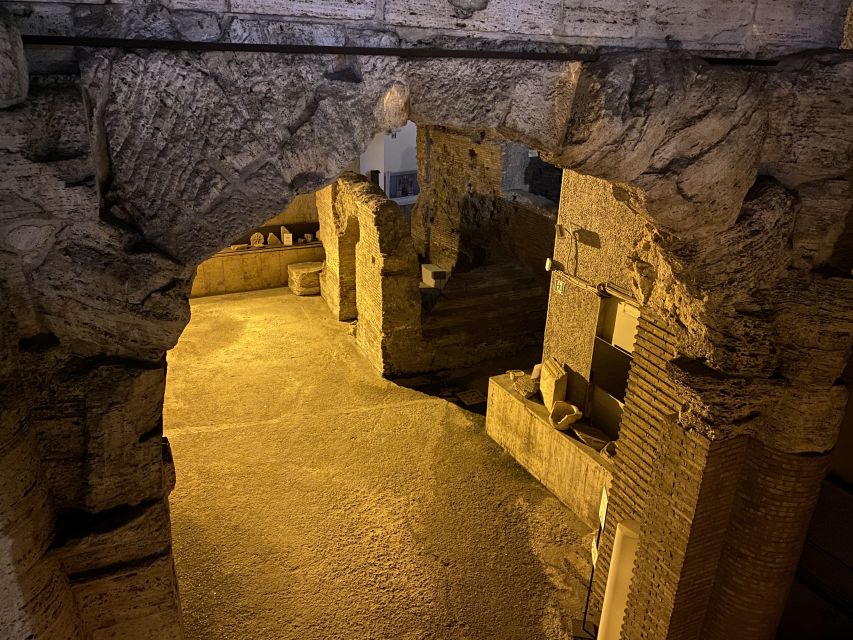
If you’ve only seen Piazza Navona from the sidewalks, you’re missing the real magic trick. The square’s baroque drama is obvious, but the underground story explains why the area looks the way it does today. This tour keeps your attention moving: fountain, then down below, then back up with better context.
I like that it’s a compact format. In about 40 minutes, you cover the main surface highlight and then shift to the ruins under your feet. That timing matters because you’re not signing up for a long excavation trip when you’re already juggling a Rome itinerary.
You can also read our reviews of more private tours in Rome



Where the tour starts on Piazza Navona (and what to look for)
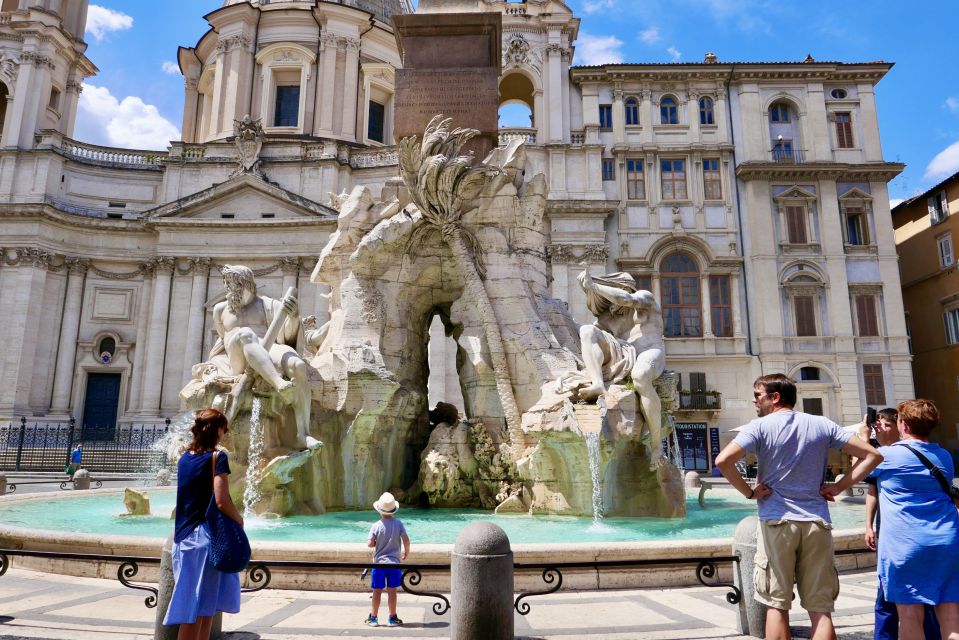
You meet your guide at Piazza Navona at 12, in front of the Brazilian Embassy building. Look for your guide holding a yellow label—it’s the quickest way to spot the right person, especially in busy daylight.
The tour ends back at the same meeting point. That makes it easy to connect with your next stop nearby, whether you’re continuing on foot through the historic center or doubling back for a late lunch.
The 40-minute itinerary, step by step
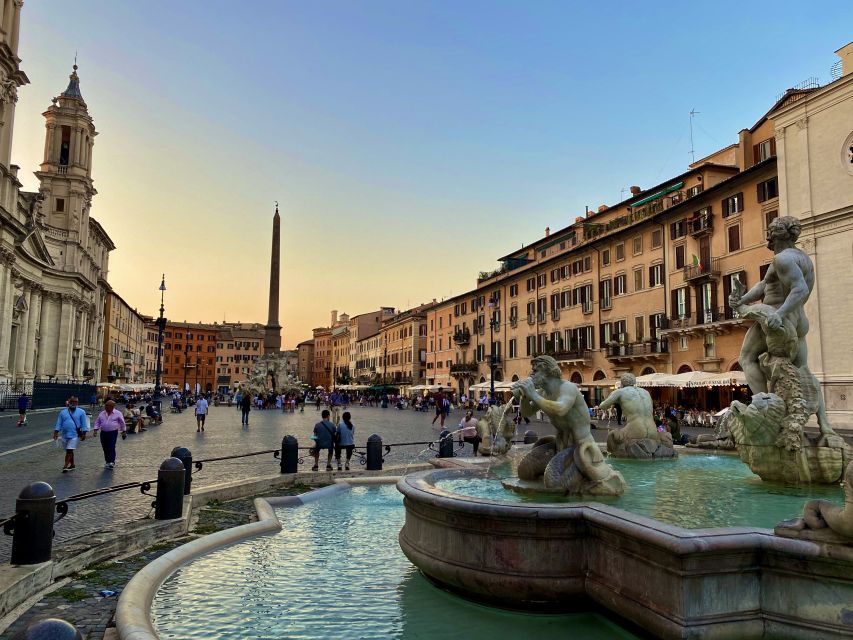
This is structured like a short walking loop with two main themes: the square above, and the archaeology below.
Stop 1: Piazza Navona (meeting at 12)
The tour begins right where the story starts: Piazza Navona itself. Your guide sets the scene and gives you the big picture so that when you look up at the famous fountain, you’re not just admiring art—you’re also seeing it as part of a place with layers.
This initial orientation is useful. It helps you understand what you’re about to see in the underground section, so the ruins don’t feel like random leftovers.
Stop 2: Piazza Navona guided walk (about 15 minutes)
You spend roughly 15 minutes on the square with your guide. Expect explanation tied to the layout, the evolution of the area, and the reasons the shape of the space matters.
This is the time to notice details you’d otherwise skip: where the square feels oval, where sightlines seem shaped, and how the surrounding features frame the fountain area. When you later go below street level, those observations help everything click.






Stop 3: Fountain of the Four Rivers (photo stop plus guide notes)
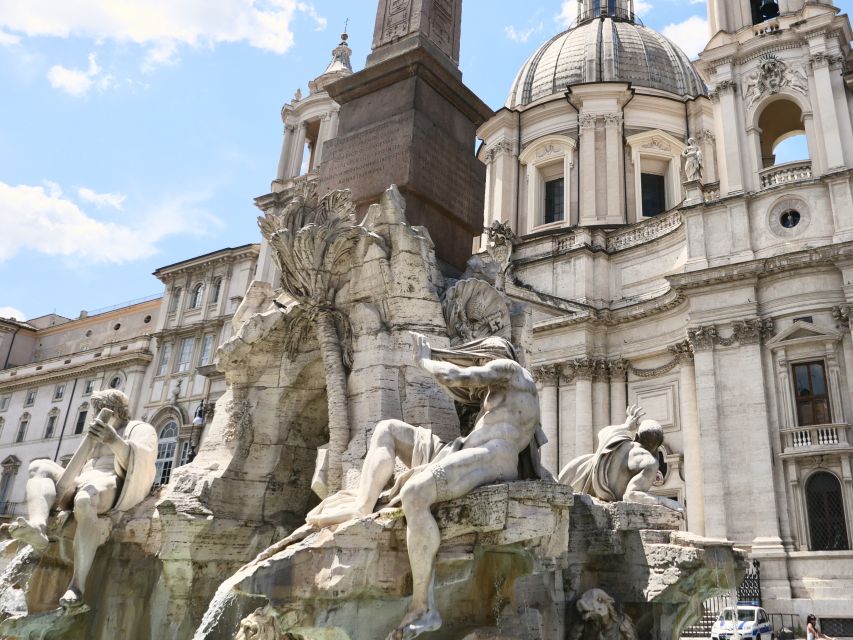
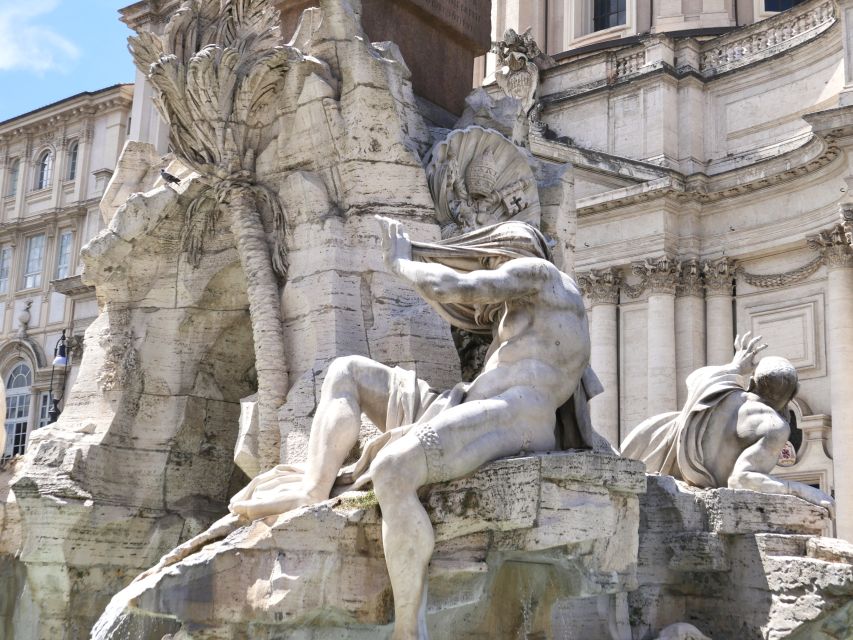
Next comes the Fountain of the Four Rivers. You’ll have a photo stop and a short guided moment focused on Bernini’s creativity. This is the baroque highlight most people come for—but here it has purpose.
Why it works: you’re not only looking at the fountain as a standalone artwork. You’re learning how the square’s identity is tied to the way the city repurposed older spaces and kept building over time.
If your plan includes getting sharp fountain photos, aim for a moment when the square is less crowded. And if construction or restoration is active during your visit, be prepared that parts of the area may look covered or restricted, depending on what’s being worked on.
Stop 4: Stadium of Domitian (main underground visit, about 20 minutes)
Now the tour shifts underground to the Stadium of Domitian ruins. This is the longest portion, and it’s where the experience becomes more than a quick stop.
Your guide leads you through what’s left of the ancient structure and explains how Piazza Navona connects to its origins and naming story. You’ll learn about the ancient roots behind the square’s peculiar shape, and you’ll see how the past survives under a modern plaza.
If you enjoy ruins but hate feeling rushed, this 20-minute block is a sweet spot. It’s long enough to absorb the visuals and get context, without dragging into a full-day archaeology commitment.
Stop 5: Return to Piazza Navona (end back at the start)
After the underground portion, you return to the meeting point on Piazza Navona. Since the tour ends where it starts, you don’t waste time figuring out logistics at the end—just keep walking with your newly improved mental map of the area.
What you’ll actually get from the underground section
The underground ruins are the signature. The idea isn’t to treat this like a museum lecture. It’s more like getting a guided walk through evidence—old stone and structure, explained in plain language, tied back to what you saw above.
Here’s what makes it valuable for your trip:
- It changes how you read the square. You’ll start seeing the surface as a cover layer over older design.
- It adds a Roman timeline feel. You get a sense that the city didn’t restart from scratch; it kept reusing and reshaping existing space.
- It makes the name and shape feel meaningful. The tour doesn’t just say the square used to be something else—it connects the why to what’s visible now.
It’s also a great option if you’re tired of only counting churches and fountains. This adds a different kind of Rome: practical, physical history that you can point to under your feet.
Baroque on top, ancient underfoot: the best kind of contrast
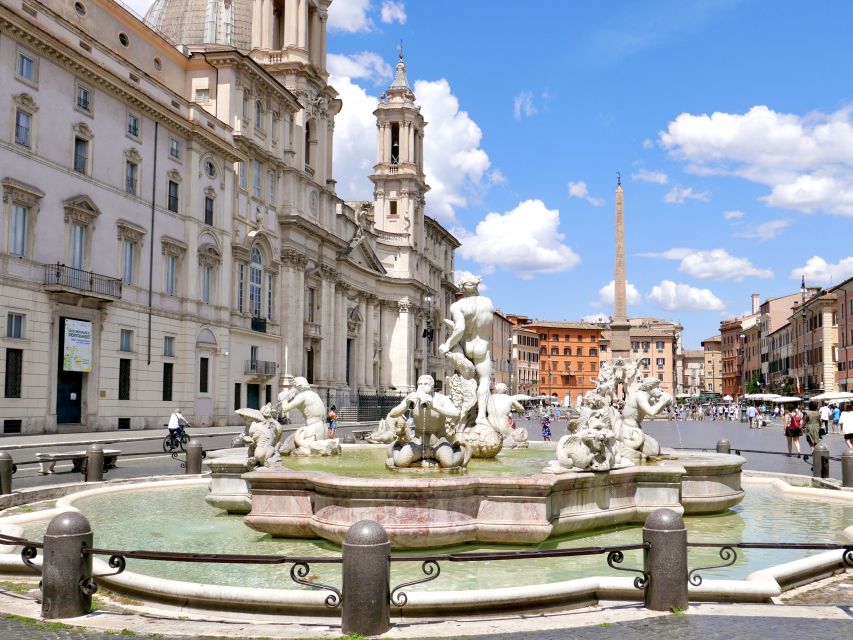
The pairing is smart. You see a major baroque masterpiece above ground and then move to ancient remnants below. Many Rome tours either stay in the art world or stay in the ruin world. This one blends both, so your brain gets two different kinds of satisfaction.
I like the flow because the Four Rivers stop primes you visually, and the stadium ruins complete the story. Even if you’re not an architecture nerd, you’ll likely enjoy the cause-and-effect feeling: the square’s beauty is built on top of an earlier purpose.
Price and value for a private 40-minute experience
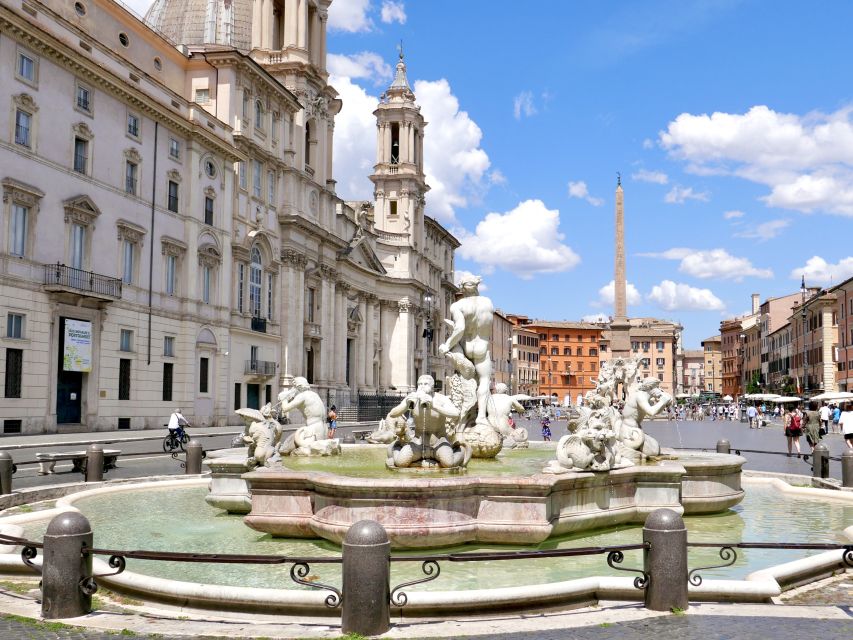
At $146.14 per person for a 40-minute private tour, the price can look steep if you’re comparing it to group tours. But you’re paying for a few things that matter in a short experience:
- a local private guide focused on a tight route
- entrance fees handled as part of the tour
- headsets for clearer audio during stops
- a tour length that fits into a busy day without replacing a big attraction
For me, the value question comes down to whether you’ll use the guide time. If you want the underground explanation and you like having someone point out why things are where they are, this is a good use of money. If you mainly want the fountain photos and you don’t care about archaeology context, you may feel the cost more.
This is also the kind of tour that can work well when you’re traveling with limited time, because the payoff is high per minute.
Practical notes: audio, languages, and how long you’re out
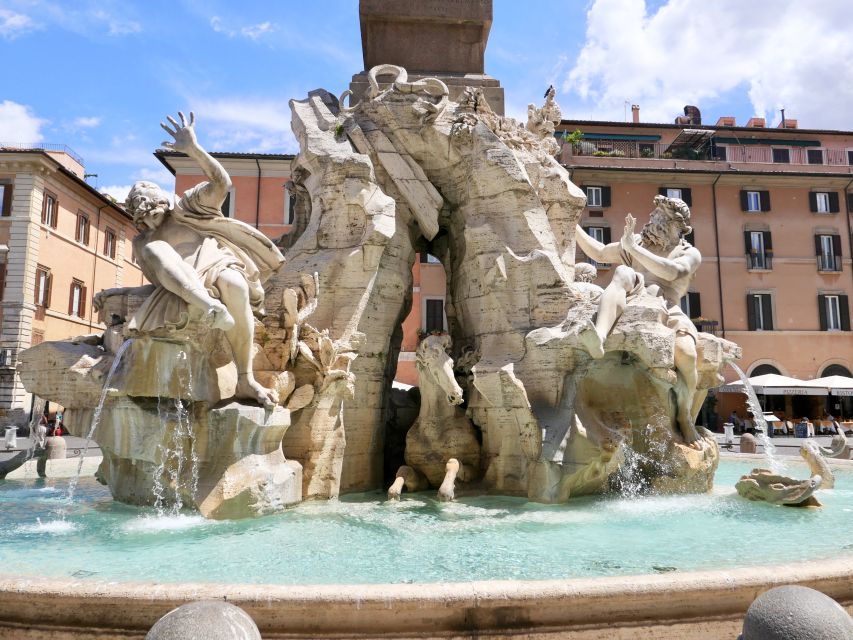
The tour includes entrance fees, your guide, and headsets. Audio support is especially helpful if you’re trying to follow details while walking or standing in tight spots.
You’ll be able to tour with a guide speaking Italian, English, Spanish, German, French, or Portuguese. That’s a real comfort factor if you want a guide who can explain clearly without you forcing translations.
Duration is listed as 40 minutes. While the overall tour is short, the underground part still takes attention and walking, so it’s best to treat it like an intentional stop rather than a quick add-on you multitask through.
The one drawback to plan around: surface restoration and covered views
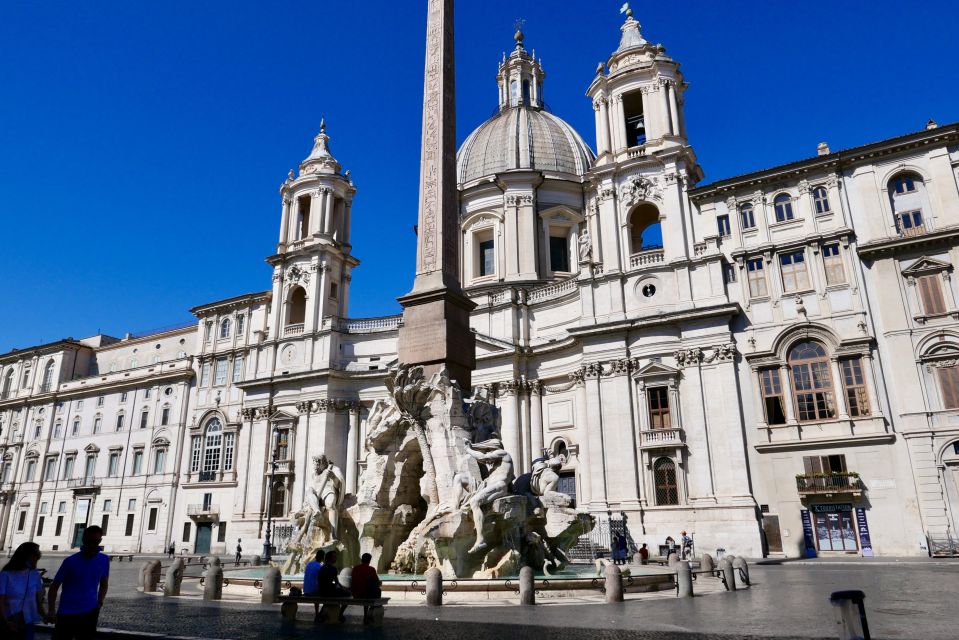
There’s a practical reality with Piazza Navona: conditions on the square can affect what you see above. One prior experience noted that the entire square was covered due to construction, and that fountain restorations were planned through the end of 2024.
If your trip overlaps with restoration periods, expect that:
- the Fountain of the Four Rivers view might be partially blocked or visually different than the postcard version
- your time on the surface could feel less photo-friendly than you hoped
The good news: the underground component is the core attraction here. Even when the surface is less ideal for photos, the ruins still deliver the reason you booked this in the first place.
Who should book this Piazza Navona underground tour?
This is a strong fit if you:
- want Piazza Navona to mean more than a picture
- like learning how ancient design influences the present-day city
- enjoy Roman ruins but prefer a guided, time-efficient experience
- want a private group format for questions and slower pacing
It’s also a smart choice if you’re short on time in central Rome and still want something different from the big-ticket must-sees.
Should you book this private Piazza Navona underground tour?
Yes, if you care about the story under the square and you’re excited to connect Bernini’s work with the Roman structure beneath it. The Stadium of Domitian stop is the main payoff, and the short 40-minute format makes it easy to fit in without draining your energy.
Maybe skip or adjust expectations if your priority is perfect, unobstructed fountain photos. If restoration coverage is active during your dates, the surface can be less satisfying—but the underground angle remains the point of the tour.
FAQ
How long is the Piazza Navona underground private tour?
It’s listed as 40 minutes, with starting times depending on availability.
Where do I meet the guide for this tour?
Meet at Piazza Navona, 12, in front of the Brazilian Embassy. The guide will be standing there holding a yellow label.
What are the main stops on the tour?
You’ll start at Piazza Navona, visit the Fountain of the Four Rivers, and then go to the Stadium of Domitian underground ruins. The tour ends back at Piazza Navona, 12.
What’s included in the price?
The tour includes entrance fees, a tour guide, and headsets.
Do I need to bring anything?
The instructions say to bring headphones.
Is this tour wheelchair accessible?
Yes, it is listed as wheelchair accessible.