REVIEW · ROME
Colosseum, Palatine and Forum tour with virtual guide
Book on Viator →Operated by Touring Fixer · Bookable on Viator
Rome’s ancient center feels close here.
You get a virtual guide that turns three must-see sites into one connected story, so you’re not just looking at stones. I like how the experience is built to make the Colosseum feel alive, and I also love the way Palatine Hill and the Roman Forum connect the dots between imperial power and everyday city life. One thing to consider: since it’s virtual guidance, you may miss the back-and-forth feel of a live host.
This is also a practical “do-the-essentials” tour. You visit the Colosseum first, then Palatine Hill, then the Roman Forum, and admission is included for each stop. With a max of 30 people and a set meeting point at Piazza del Colosseo, it’s easier to manage than a DIY scramble. The drawback is simple: some people feel the pricing is steep for a virtual format, so think about what you want from your guide experience.
In This Review
- Key Points That Make This Tour Worth Your Time
- A Virtual Guided Classic: What This Experience Really Feels Like
- Piazza del Colosseo Start: Easy to Find, Easy to Repeat
- Entering the Colosseum: The Big Wonder, Guided Like a Story
- A quick reality check
- Palatine Hill: Views and Imperial Life on the Seven Hills
- One consideration
- Roman Forum: The Center of Rome’s Politics and Daily Power
- What to do with your hour
- How the Virtual Guide Works: Freedom With Real Context
- Where it might not be your favorite
- Price and Value: Is $59 Worth It?
- Group Size, Timing, and Getting the Most Out of 2–4 Hours
- Who Should Book This Virtual-Guided Rome Loop?
- Should You Book It?
- FAQ
- How long is the Colosseum, Palatine and Forum tour?
- Is the virtual guide available in English?
- Are admission tickets included?
- Where does the tour start?
- Where does the tour end?
- How many people are in the group?
- When will I receive confirmation after booking?
- Is the booking refundable?
- Are service animals allowed?
Key Points That Make This Tour Worth Your Time
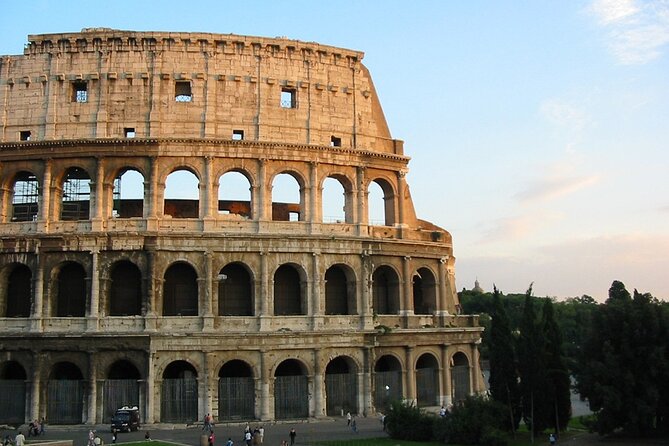
- A connected three-site route so you understand how the story flows from Colosseum to palaces to government.
- Admission tickets included across all stops, which saves you planning stress.
- Flexible pacing in a virtual format, with freedom to focus where your curiosity pulls you.
- Small-to-medium group size (max 30) for a smoother experience near crowded landmarks.
- English virtual guidance so you can follow the details without translating in your head.
- Great match for first-timers who want the classic highlights done in one go.
A Virtual Guided Classic: What This Experience Really Feels Like
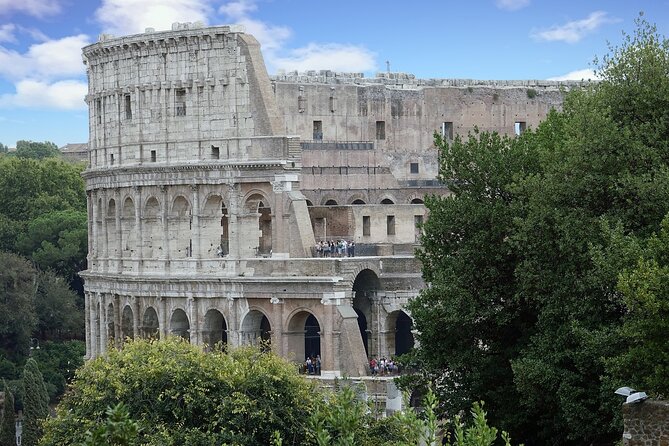
If your goal is to see the big three of ancient Rome without turning your day into a chaotic checklist, this tour format works. The strongest thing here is that it doesn’t treat the Colosseum, Palatine Hill, and the Roman Forum like three unrelated stops. Instead, the virtual narration helps you connect what you’re seeing to the roles those places played in Roman life.
That connection shows up in the way the sites are described and paced. You start at the Colosseum with a simple “you are here” orientation and move into the Palatine next, where the focus becomes the story of where Rome grew from and how imperial life looked from above. Then you finish at the Roman Forum, the political and legal heart of the city—so the day has a natural arc: spectacle, power, governance.
The other thing that matters is the tone. The virtual experience is meant to feel like more than a basic slideshow. Multiple guests describe it as stepping into ancient Rome, with the Colosseum feeling especially striking up close. If you’re the type who likes having context while you walk, you’ll likely enjoy the structure.
You can also read our reviews of more guided tours in Rome



Piazza del Colosseo Start: Easy to Find, Easy to Repeat
Your tour begins at Piazza del Colosseo (P.za del Colosseo, 00184 Roma RM, Italy). This is a good starting point because it’s right where your brain expects to be: the Colosseum area. It also means you can plan your morning or afternoon around one central spot instead of bouncing across town.
The tour ends back at the meeting point. That’s not just convenient—it helps you build the rest of your day. You don’t have to figure out a new pickup location or wonder how far you’ll be from your hotel. If you want to keep exploring afterward, you’re already in the right neighborhood.
Also, because it’s near public transportation, it’s easier to connect this with other Rome plans. And with a max of 30 participants, you’re less likely to feel trapped in a huge crowd shuffle right from the start.
Entering the Colosseum: The Big Wonder, Guided Like a Story
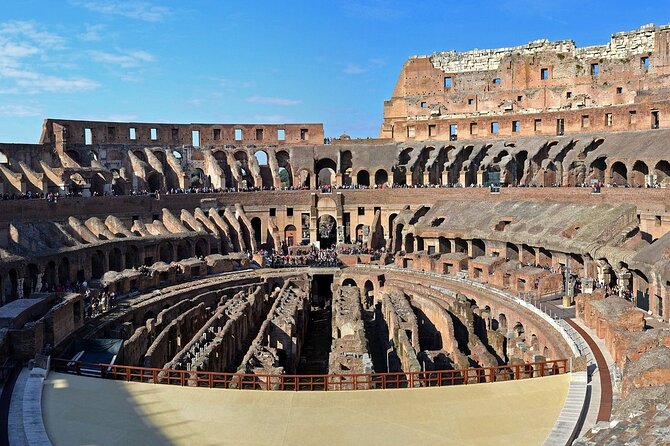
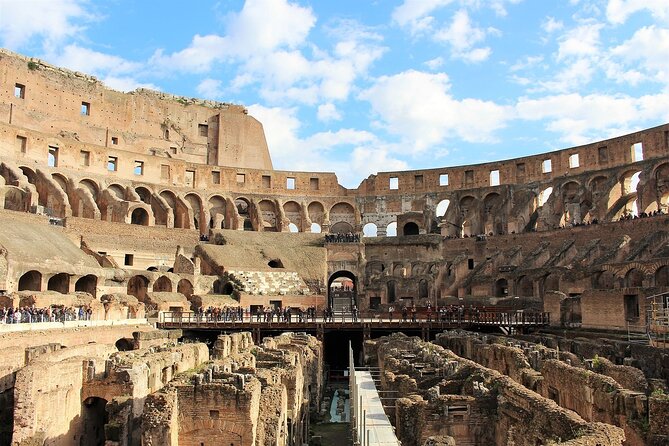
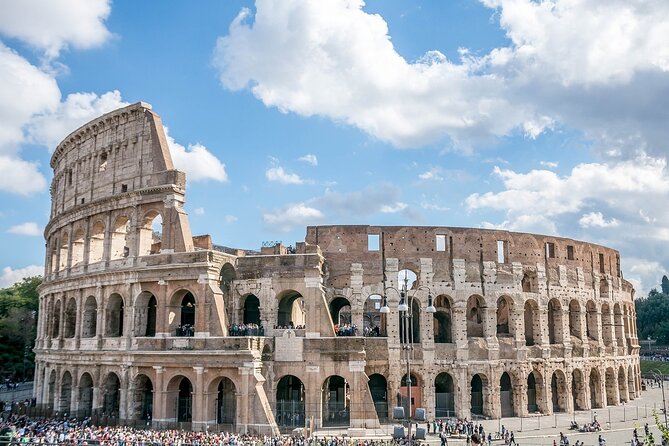
The Colosseum stop is where the day grabs you. It’s listed as about 2 hours, with an admission ticket included, and the focus is on seeing one of the world’s most famous ancient structures as more than a landmark photo.
Here’s the practical value: the virtual guide framing helps you look at the space with purpose. Instead of walking around hoping something clicks, you get prompts that guide your attention to what mattered in that setting. That’s why the Colosseum often lands as the highlight—especially for people seeing it for the first time.
You can also treat the Colosseum visit like your “anchor stop.” If you’re the kind of traveler who likes to understand the mechanics and context of a place, this is the moment you want your mind fully on. Give yourself time to look at what’s in front of you, not just what you already researched online.
A quick reality check
The Colosseum is busy. Even with included tickets and a planned visit, you’ll still be in a high-demand zone. Wear comfortable shoes and plan for some walking and crowding. The tour length gives you room to enjoy the space rather than just rush past it.
Palatine Hill: Views and Imperial Life on the Seven Hills
After the Colosseum, you head to Palatine Hill, around 1 hour, again with admission included. This stop changes the mood. The Colosseum is about spectacle and scale; Palatine is about perspective—how Rome’s story looks when you view it from one of the city’s legendary hills.
What I like about this stop is that it targets the origin story. The guide focus is on the hill where Rome was founded, plus the secrets and curiosities tied to one of the Seven Hills of the Eternal City. That’s a smart pivot after the Colosseum. You’re shifting from an arena atmosphere to a “where it all began” feeling, which helps the day feel coherent.
Palatine Hill is also where many people want to slow down because the views help you read the landscape. Even when the narration is the main driver, your eyes will naturally wander over the broader Roman setting. If you like architecture, vantage points, and the idea of standing where power and myth overlap, this is often the stop that turns a visit into a memory.



One consideration
If you’re expecting a long, hands-on museum style experience, Palatine is more about walking and absorbing. The time is shorter, so prioritize what you want to linger on—especially if you’re photographing or simply want quiet for a moment.
Roman Forum: The Center of Rome’s Politics and Daily Power
The final major stop is the Roman Forum, about 1 hour, with admission included. This is the place that makes ancient Rome feel like a functioning city. The Forum is described as the political, legal, religious, and economic center—basically the engine room of the empire.
This stop shines when you’ve already visited the Colosseum and Palatine. You start understanding how the different parts of Rome supported each other. After seeing the arena and then the hill tied to Rome’s founding and imperial life, the Forum lands with extra meaning.
In a virtual-guided format, that matters. The narration can help you recognize what you’re looking at as part of a system, rather than scattered ruins. The Roman Forum is famous for being dramatic, but what sticks is the sense that the “serious stuff” of Rome happened here—debates, laws, rituals, commerce. It’s not only stone. It’s a picture of how public life worked.
What to do with your hour
Use the time to pause. Don’t just keep moving because you feel you should see everything. Pick a few viewpoints or key structures and let the story connect them. The best Roman Forum visits feel like reading with your feet.
How the Virtual Guide Works: Freedom With Real Context
This tour is offered with a virtual guide in English and is structured as a 2 to 4 hour experience overall. The range is important. It suggests you can match the day to your pace—faster if you want the highlights quickly, slower if you like the details.
What stands out in the feedback is that the virtual format feels more like guided walking than like watching something far away. People describe it as far beyond a typical virtual tour, with the Colosseum feeling like it comes alive and the Palatine offering breathtaking views into imperial life.
The virtual setup also supports a specific kind of traveler: the one who wants freedom. One guest specifically mentioned the ability to visit the monuments in complete freedom, focusing on what interested them most. That’s a real advantage. In a live-guide situation, you’re often pulled along even when you’d rather linger. Here, the structure supports choosing your pace.
Where it might not be your favorite
If you love live answers—questions, unexpected detours, and quick explanations tailored to your interests—virtual guidance might feel limiting. Also, there’s a pricing complaint tied to the virtual nature of the experience. You’re paying for context and structure, not for a fully in-person guide presence.
Price and Value: Is $59 Worth It?
At $59 per person, you’re buying a structured guided experience across three heavy hitters: Colosseum, Palatine Hill, and Roman Forum. You also get admission tickets included for each stop.
That combination is where value comes from. Entrance fees at these sites can add up, and the “classic loop” format helps you avoid spending your time figuring out logistics. If you’re the type who wants the best-known monuments plus explanations without extra ticket hunting, this can be a good deal.
Where you might question value is if you’re highly price-sensitive and you strongly prefer a live guide. One piece of feedback noted concern about the cost for access to the virtual guide (they cited an equivalent amount in their own currency context). If you were expecting a traditional guide-led group experience, it may feel less satisfying.
My practical take: this is worth it if you want structure, included admissions, and a narrative that helps you understand what you’re seeing. If you’re already the kind of traveler who reads every plaque and walks with a phone map for context, you may not get as much “added value” from the virtual layer.
Group Size, Timing, and Getting the Most Out of 2–4 Hours
This tour caps at 30 travelers. That matters because the Colosseum and Forum areas are crowded. Smaller groups generally mean fewer bottlenecks when you’re moving between stops and when you’re trying to pause to watch or read.
The day is designed for about 2 to 4 hours depending on how long you spend at each location. In real life, your pace will decide the experience more than the schedule itself. If you like photos, plan extra time. If you hate crowds, plan to prioritize what you most want to see and keep moving after you’ve hit your must-sees.
Also, confirmation is received within 48 hours of booking, subject to availability. So if you’re planning close to your travel dates, it’s smart to book early enough to avoid last-minute stress.
Who Should Book This Virtual-Guided Rome Loop?
This is a strong fit for:
- First-timers who want the big three ancient Rome sites in one organized flow.
- Travelers who like detailed explanations while walking, but still want some freedom over pace.
- Families and younger travelers who can benefit from technology-based guidance, especially since the experience is described as using newer technologies.
- People who want an English-guided experience without juggling translation.
It may be less ideal if:
- You want a classic live guide dynamic where you can ask questions on the spot.
- You’re extremely sensitive to price and prefer to build the context yourself.
Should You Book It?
I’d book this if you want a smooth, organized way to see the Colosseum, Palatine Hill, and Roman Forum with admission taken care of and with a guided narrative that helps the ruins make sense. The best part is how the virtual approach aims to connect the day, so you’re not just checking boxes—you’re understanding why these places mattered.
Skip it only if you know you’ll be dissatisfied with a virtual format. If you love face-to-face explanations and interactive Q-and-A, a live tour might suit you better. But if you’re comfortable guiding yourself with structured support, this is one of the easiest ways to turn Rome’s ancient center into a story you can actually follow.
FAQ
How long is the Colosseum, Palatine and Forum tour?
It takes about 2 to 4 hours.
Is the virtual guide available in English?
Yes, the experience is offered in English.
Are admission tickets included?
Yes. Admission tickets are included for the Colosseum, Palatine Hill, and Roman Forum.
Where does the tour start?
The tour starts at Piazza del Colosseo (P.za del Colosseo, 00184 Roma RM, Italy).
Where does the tour end?
The activity ends back at the meeting point.
How many people are in the group?
There is a maximum of 30 travelers.
When will I receive confirmation after booking?
Confirmation is received within 48 hours of booking, subject to availability.
Is the booking refundable?
No. It is non-refundable and cannot be changed for any reason.
Are service animals allowed?
Yes, service animals are allowed.