REVIEW · ROME
Private Tour – Capitoline Museums
Book on Viator →Operated by Rome Guides · Bookable on Viator
Ancient Rome fits in 2.5 hours. This private Capitoline Museums tour pairs Musei Capitolini with a quick walk to Piazza del Campidoglio, so you see Roman art and the city design that frames it. It’s guided in English, with tickets handled for you, and it all starts right in the middle of one of Rome’s most important viewpoints.
I especially love how the private guide turns statues into stories you can actually use later in the trip. And I like starting at Piazza del Campidoglio, because the Michelangelo layout makes the museums feel less like a random stop and more like part of one coherent Roman “stage set.”
One thing to plan for: you’ll need to leave bags and backpacks in the museum checkroom. If you like carrying a big daypack, adjust your packing so you’re not juggling it during key viewing moments.
In This Review
- Key Points You’ll Care About
- A 2.5-Hour Rome Win: Musei Capitolini and Piazza del Campidoglio
- Meeting at Piazza del Campidoglio (and Why It’s Not Random)
- Inside Musei Capitolini: Frescoes, Roman Antiquities, and Star Objects
- What might feel challenging
- Roman Art That Feels Explainable: Bronze Sculptures and Courtly History
- Piazza del Campidoglio in 20 Minutes: Michelangelo’s Layout and Marcus Aurelius
- Price and Value: Is $157.22 Worth It?
- The Guide Factor: Why Past Visitors Loved This Tour
- Practical Tips Before You Go (So the Museum Feels Easy)
- Who This Tour Fits Best
- Should You Book This Private Capitoline Museums Tour?
- FAQ
- How long is the Private Tour – Capitoline Museums?
- How much does the tour cost?
- Is the tour private?
- What language is the tour offered in?
- What’s included in the price?
- Do I need to pay for museum entry separately?
- Where do I meet the guide?
- Is hotel pickup included?
- Do I have to leave bags and backpacks somewhere?
- Can I cancel for a full refund?
Key Points You’ll Care About
- Private guidance in English that helps you understand what you’re looking at, not just what it is
- Musei Capitolini admission included for a smooth entry into one of Europe’s earliest public museums
- Roman antiquities plus standout palace art, including frescoed rooms and Baroque works
- Piazza del Campidoglio (20 minutes) with Michelangelo’s design and the Marcus Aurelius copy
- You’ll move at a human pace, with time to ask questions and slow down where it matters
A 2.5-Hour Rome Win: Musei Capitolini and Piazza del Campidoglio
This tour is built for people who don’t want to spend half a day wandering and half a day guessing what to prioritize. You get about 2 hours inside the Capitoline Museums, then around 20 minutes at Piazza del Campidoglio. That rhythm works well because the museum does the explaining, and the square gives you the “look back toward Rome” payoff.
It’s also a smart choice if you’re mixing old Rome with modern touring. You’ll see Rome’s long timeline in one place: from the ideas of Renaissance city planning to the Roman objects the museum preserves. The experience feels structured, not rushed, and you’re not left staring at plaques hoping they’ll make sense.
You can also read our reviews of more private tours in Rome



Meeting at Piazza del Campidoglio (and Why It’s Not Random)
You meet at Piazza del Campidoglio, right where the city starts telling you what matters. The square is a work of urban reorganization designed by Michelangelo, and that’s more than trivia. It sets up how you see the museums and the surrounding city.
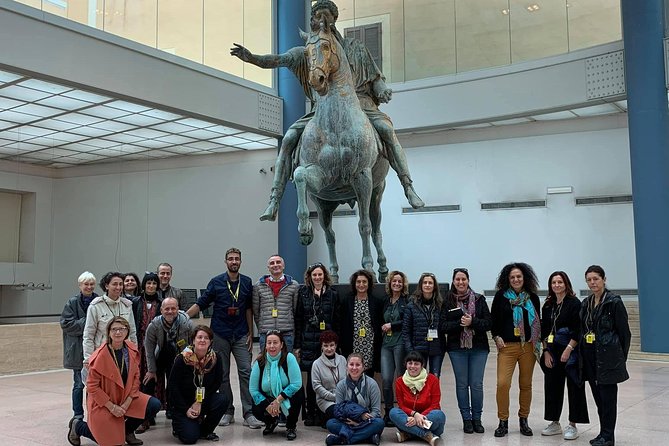
Right in the square is a copy of the Statue of Marcus Aurelius—the original is kept inside the museum. In other words, the square gives you the symbol; the museum gives you the source. Even in a short stop, that connection makes the whole experience click.
This is also convenient for getting oriented. The meeting point is a known landmark and it’s near public transportation, so you’re less likely to waste energy figuring out where you are.
Inside Musei Capitolini: Frescoes, Roman Antiquities, and Star Objects
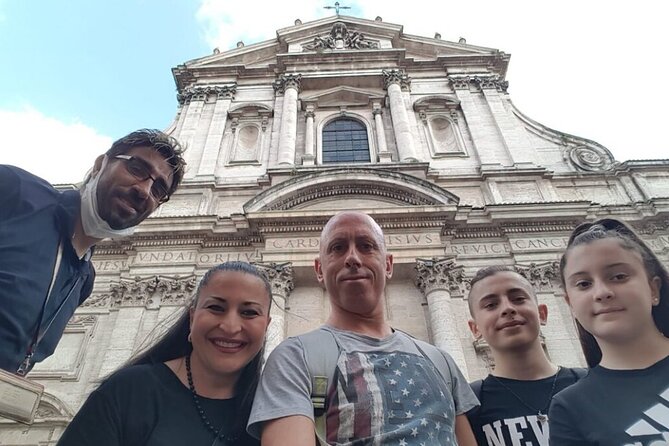
The Capitoline Museums (Musei Capitolini) are often described as a museum of beginnings, and there’s a reason. They’re considered the oldest public museum of all of Europe, created at the end of the 15th century by Pope Sixtus IV. That matters because you’re not just viewing Roman-era objects—you’re stepping into a museum built with a Renaissance-era mindset about collecting and displaying the past.
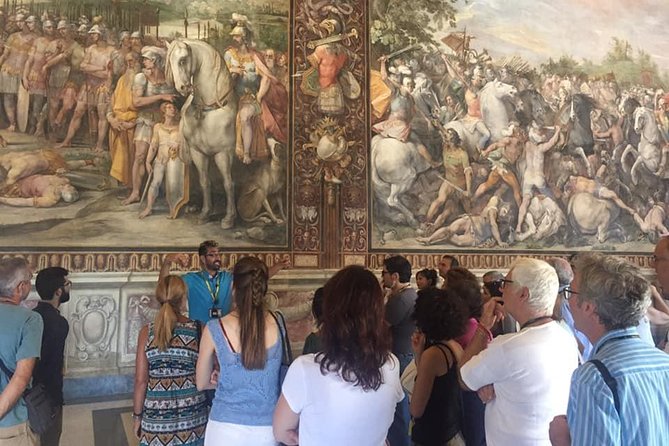
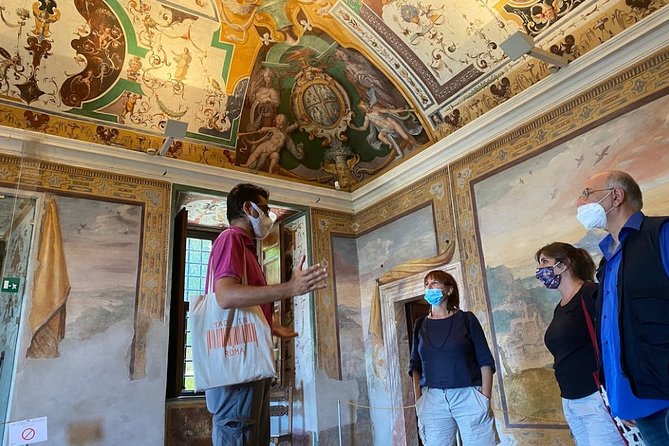
Here’s what your visit is designed to do: help you “read” the collection. You’ll tour a palace decorated with famous frescoes, and you’ll move through Roman antiquities with a guide who can explain not only the objects, but the culture behind them. The highlights include major Roman sculpture traditions, plus bronzes and courtyard moments that can be easy to overlook if you’re going on your own.
One detail I appreciate from the tour description is that it doesn’t pretend the collection is only ancient. You’ll also see Baroque statues, including works by Bernini. That mix is useful. It shows how later artists and patrons kept reworking the Roman idea—Rome didn’t stop being relevant when the empire ended. It just changed costumes.
What might feel challenging
The museum is full—full of objects, names, eras, and visual styles. If you prefer a strict highlights-only visit, you’ll want to tell your guide what you care about most (emperors, mythology, sculpture, portraiture, everyday Roman life). This is a tour where your interests can steer what you spend time on.
Roman Art That Feels Explainable: Bronze Sculptures and Courtly History
One of the tour’s stated strengths is how it brings you through bronze sculptures, courtyards, and more sights. Bronze matters because it has a different “presence” than marble. It catches light differently, and it often survives or gets restored in ways that change what you can actually observe. A good guide can point out those physical details and link them back to Roman craft and status.
The other key value here is context. The description frames this as a journey back through ancient times to understand parts of Roman life. That’s exactly what you want from a museum guide: not just who made something, but why it existed, what it signaled, and how Romans and later collectors interpreted it.
This is also where the “private” part pays off. Reviews highlight guides who talk in clear, memorable ways. People mention guides like Vincenzo, Massimo, Martina, Victoria, and Max, each praised for energy and for making the visit feel interactive rather than lecture-like. In practical terms, it means you can ask questions and get direct answers while you’re still standing in front of the statue.
You can also read our reviews of more museum experiences in Rome



Piazza del Campidoglio in 20 Minutes: Michelangelo’s Layout and Marcus Aurelius
After the museum, you head to the square for a short scenic segment. Piazza del Campidoglio was designed as an urban centerpiece by Michelangelo, and the tour focuses on the square’s Renaissance architecture rather than treating it like a quick photo stop.
The centerpiece you’ll notice is the copy of Marcus Aurelius. It’s a clever way to teach you with your eyes: the museum holds the original statue; the square gives you the familiar city landmark version. That helps you anchor the Roman narrative to a real place you can still find after your tour ends.
Even with only about 20 minutes, this portion is useful. It turns the experience from “objects in a room” into “objects in Rome,” which is what many first-timers end up craving—Rome isn’t just history behind glass. It’s history built into streets, sightlines, and public spaces.
Price and Value: Is $157.22 Worth It?
At $157.22 per person for roughly 2.5 hours, this isn’t the cheapest way into the museums. But the value depends on how you tour.
If you go without guidance, you’re paying with your attention. The Capitoline Museums have serious works, but the collection becomes more satisfying when someone can connect the dots. This tour includes a professional guide and tickets, and it’s private for your group. Those three items can change the math fast:
- You avoid wasted time figuring out what matters most in a big collection.
- You get help understanding why the objects were collected and displayed.
- You can slow down for the pieces you care about.
The tour is also booked far in advance on average (about 81 days), which usually signals steady demand. If you’re traveling in peak seasons or on limited days, booking early can help you lock in a slot without scramble.
A final “value” angle: your time. When you’re only in Rome for a short visit, $157.22 can be a good trade for a tour that’s guided, timed, and structured. If you’re staying long enough to do a second museum later, you might choose a cheaper self-guided visit first. But if you want one museum experience that gives you real payoff, this is aimed at that goal.
The Guide Factor: Why Past Visitors Loved This Tour
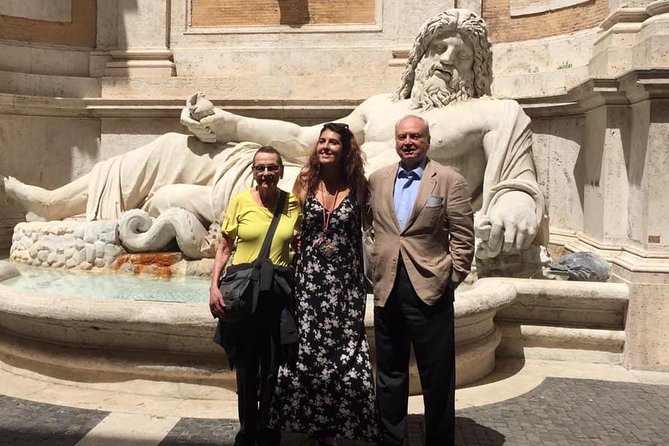
The strongest common thread in the feedback is the guide. People repeatedly mention how energetic, engaging, and memorable the explanations were. A few guide names show up often: Vincenzo is praised for high energy and for helping people retain facts; Massimo is singled out for being knowledgeable and affable; Martina gets credit for keeping a 3-hour tour from dragging and for answering questions clearly; Victoria is praised for making the museum come to life and for accommodating specific requests; Max is praised for excitement and for bringing the collection to life.
Even when guides differ in style, the pattern is consistent: they don’t just recite. They help you connect what you see to broader Roman themes—emperors, power, design of public spaces, and how objects fit into the story of Rome. That’s what you’ll feel if your guide is doing the job well: you leave with ideas you can spot again later, like reading architecture and portraiture differently.
Also useful: some reviews mention the guide noticing comfort needs, like taking a seat or stretching. That kind of attention can matter more than you’d think when you’re standing and looking for long stretches.
Practical Tips Before You Go (So the Museum Feels Easy)
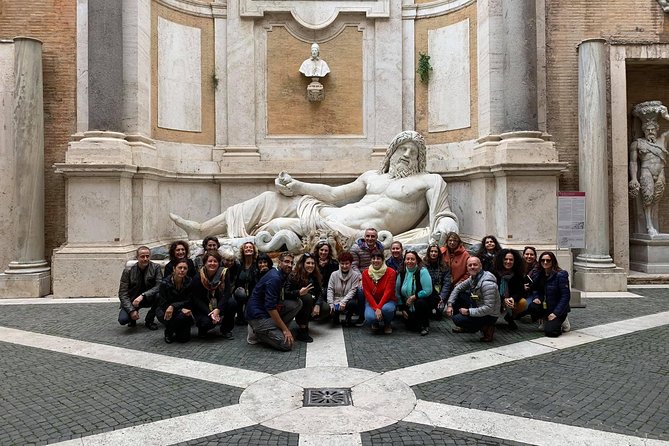
A few practical points from the tour info will save you stress:
- Leave bags and backpacks in the checkroom. This is mandatory. Pack light for this stop.
- Wear comfortable shoes. You’ll be on your feet inside the museum and around the square.
- Plan for a structured pace. You’ll have a set amount of time in the museum and then a short window in Piazza del Campidoglio.
- Expect a meeting at Piazza del Campidoglio and the tour ends back at that same spot.
- No hotel pickup or private transport is included. You’ll handle your own way there using public transit or walking.
If you tend to carry a lot of camera gear or a bulky bag, reconsider what you really need. The checkroom requirement isn’t just an annoyance—it can slow down when you’re eager to get inside and start viewing.
Who This Tour Fits Best
This tour is a good fit if:
- You want Rome’s art and history explained in plain terms while you’re in the room.
- You appreciate Roman antiquities and want the context that turns sculpture into meaning.
- You’re traveling with teens or family members who can handle a guided experience (some feedback praises guides for making material accessible).
- You’ve visited other big museums and now want one that feels more approachable and focused.
It may be less ideal if:
- You dislike guided tours in general and prefer to wander without structure.
- You’re carrying a lot of items and don’t want to deal with a checkroom process.
- You only want quick photo highlights. This one is designed for learning and understanding.
Should You Book This Private Capitoline Museums Tour?
If you’re the type of traveler who wants your museums to make sense—not just look impressive—book it. The tour combines included museum entry, a private guide, and a smart add-on at Piazza del Campidoglio, which helps you connect the art to the city.
I’d skip it only if you’re already comfortable navigating this museum on your own and you don’t care about explanation. If you’re even slightly unsure where to start, the guide time is the part that changes everything. And with the repeated praise for guides like Vincenzo, Massimo, Martina, Victoria, and Max, you’re not just buying access—you’re buying a better way to see Rome.
FAQ
How long is the Private Tour – Capitoline Museums?
The tour lasts about 2 hours 30 minutes (approximately), including 2 hours at the museums and about 20 minutes at Piazza del Campidoglio.
How much does the tour cost?
The price is $157.22 per person.
Is the tour private?
Yes. It’s listed as a private tour/activity, and only your group participates.
What language is the tour offered in?
The tour is offered in English.
What’s included in the price?
A professional guide, a local guide, a private tour, and tickets are included.
Do I need to pay for museum entry separately?
No. The museum admission ticket is included, and the square stop is free.
Where do I meet the guide?
You meet at Piazza del Campidoglio, 00186 Roma RM, Italy.
Is hotel pickup included?
No. Hotel pickup and drop-off are not included.
Do I have to leave bags and backpacks somewhere?
Yes. It’s mandatory to leave bags and backpacks in the checkroom.
Can I cancel for a full refund?
Yes. You can cancel up to 24 hours in advance for a full refund. After that window, the amount paid is not refunded.