REVIEW · ROME
Colosseum Underground, Roman Forum & Cesar Palace Special Access
Book on Viator →Operated by Atlas Tours · Bookable on Viator
Gladiators Gate makes Rome feel real. This special access tour bundles the Colosseum Underground with the Roman Forum and Palatine Hill, so you cover three big-ticket sights in about 3 hours.
I love that you enter the Colosseum through the privileged Gladiator’s Gate and then walk the arena floor before heading to the dungeons below. I also love the way the Roman Forum and Palatine Hill stops keep the story moving, from Senate and Julius Cesare to the palatial ruins tied to Rome’s founding. One thing to consider: the walk includes uneven ground and stairs, so bring a realistic level of stamina (and don’t count on finding perfect shade on a hot day).
In This Review
- Key highlights worth booking
- Colosseum Underground via Gladiator’s Gate
- Skipping the usual entry and walking the arena floor
- Underground dungeons: wild-beast and gladiator backstage
- Roman Forum stop: temples, tombs, Senate spaces, Caesar’s tomb
- Palatine Hill, Caesar’s Palace, and Rome’s long timeline
- How long it takes, and why the pacing matters
- Price and value: what $144.82 really includes
- Meeting point and getting oriented near the start
- What to bring (and what to avoid forgetting)
- Who this tour fits best
- Should you book this? My practical take
- FAQ
- What sites are included in this special access tour?
- How long is the tour?
- Where do I meet the guide?
- What does the Colosseum Underground access include?
- Is the tour in English?
- Do I need a mobile ticket?
- What documents do I need for entry?
- Is this tour suitable for everyone physically?
Key highlights worth booking
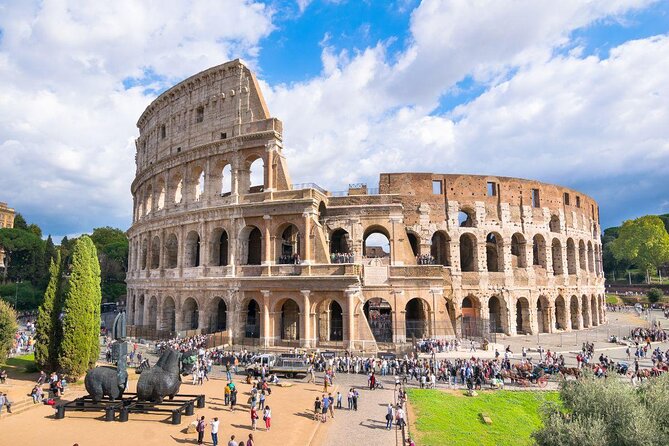
- Gladiator’s Gate entry into the Colosseum, which helps you skip the usual chaos
- Arena-floor access plus photos from a spot most people never see
- Underground dungeons and backstage spaces where wild beasts and gladiators waited
- Roman Forum landmarks including Senate spaces and Julius Cesare’s tomb
- Palatine Hill layers from B.C. origins through later building eras
- Small-group feel with a maximum of 24 travelers
Colosseum Underground via Gladiator’s Gate
If you’ve seen the Colosseum from the outside, this is the step that changes everything. The Colosseum is already impressive, but access through the Gladiator’s Gate gives you a more accurate sense of how the stadium operated.
You start at the Colosseum area near the Arch of Constantine, then move with the group to a privileged entry point that’s designed to avoid the general entrance lines. Once inside, your path shifts from typical sightseeing mode to something closer to a timed route—expect structure, direction, and a clear sense of where you should look next.
What I’d call the best part is the feeling of stepping into the Colosseum as an arena, not a photo backdrop. You’re guided into spaces that explain building choices and crowd flow, the kind of details that make ancient architecture stop being abstract.
You can also read our reviews of more tours and experiences in Rome.



Skipping the usual entry and walking the arena floor
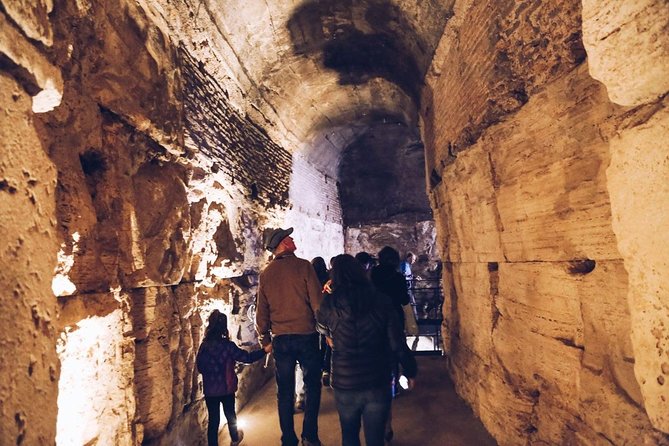
The tour’s Colosseum segment isn’t just about looking up at stone seats. You get to explore the arena floor and take photos after entering through the Gladiator’s Gate.
That arena time matters because it changes scale. From street level, the Colosseum reads as a giant ruin. From the arena, you start noticing how the stadium would have directed movement—where people stood, where action started, and how the space functioned during events.
Pace is part of the deal. You’ll move steadily, and you’ll want your phone charged because you’ll be using it. Reviews repeatedly mention a lively guide experience—people named David, Francesca, Polina, Selene, Andre, Vlad, Enrico, Paulina, and Andrei show up in guide highlights. You can’t control the guide assignment, but you can control your attitude: ask questions, and you’ll get more out of it.
Underground dungeons: wild-beast and gladiator backstage
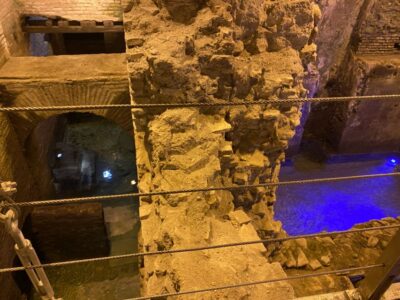
Then comes the portion most people plan a Rome trip around: the Underground. These are the backstage spaces where gladiators and wild beasts were kept before deadly fights, plus the operational underworld that made the show run.
Walking into this area gives you a physical understanding of what you usually only imagine. The Colosseum looks solid from above, but underground you sense the system: access points, staging areas, and the practical pathways that connected the arena to holding zones.
This is also where a good guide can really connect dots. Some guides in this program have excavation or archaeological backgrounds, and it tends to show in how they explain the mental picture of daily life and event timing. If you’re the type who likes “how did this work” history, this is the segment that will satisfy that instinct.
Roman Forum stop: temples, tombs, Senate spaces, Caesar’s tomb
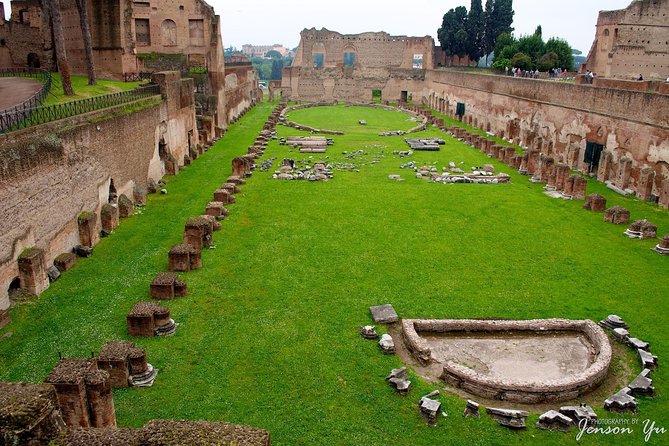
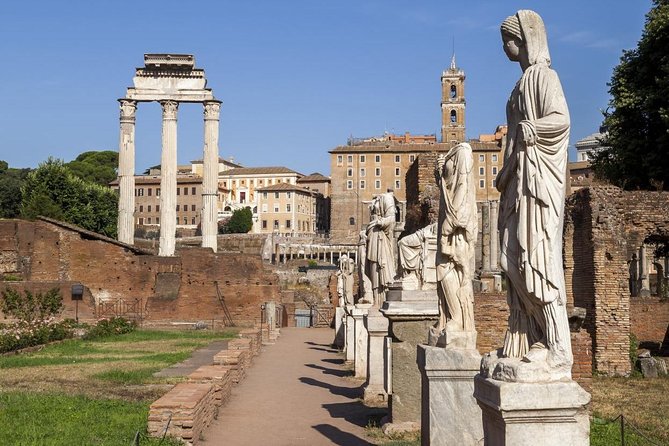
After the Colosseum, you shift from arena drama to political and religious power at the Roman Forum. Expect a guided walk through major clusters of ruins—pagan temples and tombs, the house of the Vestal Virgins, Senate house areas, and Julius Cesare’s tomb among other key sites.
The Forum can feel confusing if you only use your own eyes. The ruins are spread out, and Rome’s centuries pile up. With a guide, the space turns into a map of roles: religion, state, and authority in stone.
One practical benefit here is that the Forum stop keeps your day efficient. You’re not bouncing across Rome; you’re staying centered in the ancient core where the modern city already supports walkability and quick transit.
A small caution: the Forum walking is part of the same overall stamina picture as the Colosseum. There’s history to see, but there’s also a lot of ground to cover. Bring water and keep your pace steady.
Palatine Hill, Caesar’s Palace, and Rome’s long timeline
Your third stop is Palatine Hill, also tied to Caesar’s Palace in the tour framing. Palatine Hill is where Rome was founded nearly 3,000 years ago, and it holds structures from B.C. times through later eras, including Renaissance periods and buildings associated with Benito Mussolini.
This stop is where you really see Rome as a layered city. You’re standing in a place that has been reused, rebuilt, and reinterpreted for thousands of years. That’s a big deal for understanding how Rome survived not by freezing in time, but by constantly changing.
If you like comparisons, Palatine Hill gives you plenty. You’ll see how later periods used older sites, and you’ll also get explanations that connect the political story to the physical hilltop real estate.
And yes, it’s outdoors. Reviews frequently urge visitors to bring sunscreen, a hat, and water—especially in summer—because shade can be limited and the day keeps moving.






How long it takes, and why the pacing matters
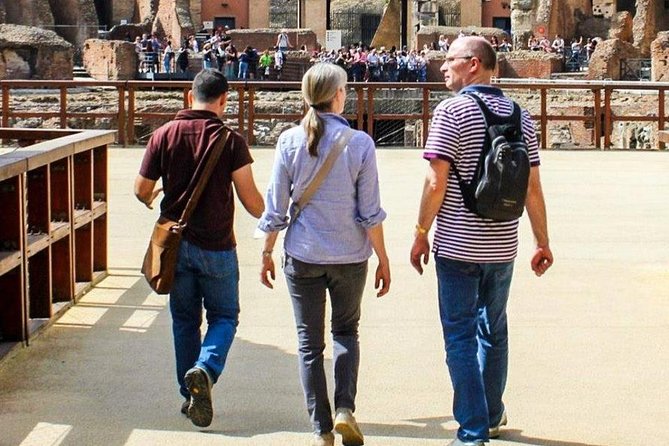
This tour runs about 3 hours. That time box is what makes it a good “best of” plan, especially if you’re trying to fit the Colosseum, Roman Forum, and Palatine Hill into one day without spending half your trip in transit.
The pacing is guided, not leisurely. You should plan for a moderate physical fitness level. Expect uneven surfaces and stairs, especially around older stone sites and the Underground experience.
The tour is also a small-group format with a maximum of 24 travelers. In practice, that usually means you’ll be able to hear your guide, follow the group, and ask questions without feeling swallowed by a sea of people.
Still, the Colosseum area can be busy, and at check-in you may face standard security flow. Build in a mindset of flexibility. If you arrive early, you’ll feel better when the day turns into a line-to-line routine.
Price and value: what $144.82 really includes
At $144.82 per person, this isn’t a bargain-basement ticket. But you’re paying for access that’s hard to DIY.
The value comes from three things that add up:
- You get admission tickets included for each stop.
- You receive special access to the Colosseum’s Underground plus entry through the Gladiator’s Gate.
- You cover Roman Forum and Palatine Hill with guided context, instead of just roaming.
If you try to piece this together on your own, you’ll likely lose time and spend extra energy coordinating entry rules for multiple sites. Here, the routing is set up for efficiency, so you can focus on the history instead of problem-solving.
That said, the low-key cost-saving tip is this: double-check your tickets and the exact tour time after booking. One downside that shows up in feedback is that ticket fulfillment problems can happen when dates or underground entitlements don’t match what was purchased. You can’t control every system, but you can protect yourself by verifying details soon after confirmation.
Meeting point and getting oriented near the start
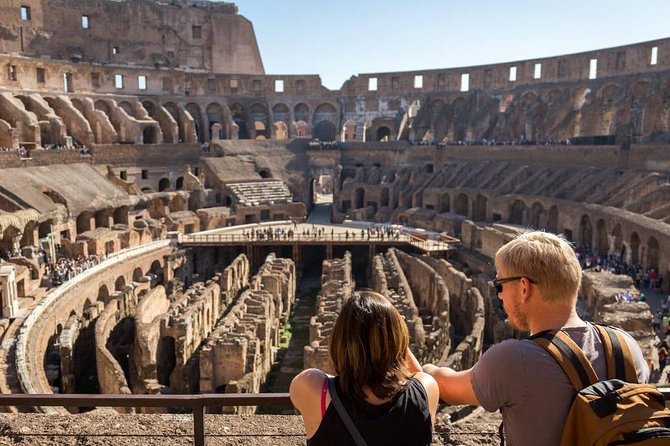
You meet at the Arch of Constantine, Piazza del Colosseo, 00184 Roma RM, Italy. The tour ends in the center of the Ancient City at the Roman Forum area, which is convenient for public transportation and for eating or shopping nearby.
This meeting point is a good choice because it’s a known landmark in a dense tourist area. Still, a few practical notes help:
- Set your map to the address of the Arch of Constantine area.
- Give yourself buffer time for security and crowds.
- If you’ve been before, don’t assume the exact spot where you’ll meet is identical to other tours.
Some reviews mention confusion around waiting for security and unclear meeting spot directions. That’s the kind of thing that becomes a non-issue if you arrive a little early and stay calm.
What to bring (and what to avoid forgetting)
You’ll be in the sun and on ancient surfaces for multiple stops. Reviews repeatedly recommend sunscreen, a hat, and water, and I agree with that advice.
For the Underground portion and the arena area, consider:
- Comfortable shoes for uneven ground and stairs
- A refillable water bottle if allowed by your day’s rules
- Light layers if you’re visiting during cooler parts of the day
Also, bring your patience. Even on a well-run tour, the Colosseum area is a high-traffic zone. If you’re prepared for movement and waiting, the experience feels smooth instead of stressful.
Who this tour fits best
This is a strong pick if you want the Colosseum experience beyond the normal viewpoint. The Gladiator’s Gate entry plus Underground backstage areas are the main draw, and the Roman Forum and Palatine Hill stops round out the day with political and founding-era context.
It’s also a good match for people who like story-driven guides. Multiple guide names show up in positive feedback, often paired with humor and clear explanations that make architecture and systems easier to understand.
I’d be cautious if you:
- Have tight mobility limits, because there’s uneven terrain and stairs
- Hate walking in heat and sun, since shade isn’t guaranteed
- Want zero chaos during check-in, because security flow at the Colosseum area is always a variable
Should you book this? My practical take
Book it if you want the full Colosseum moment, not just the outside photo. The Underground access is the part that most people can’t easily replicate, and the tour keeps your day moving by bundling the Roman Forum and Palatine Hill without extra planning.
Skip it or consider another format if you’re sensitive to crowds, stairs, or long outdoor stretches. Also, if timing is critical, spend a minute verifying your tickets and the exact experience details right after booking so you’re not dealing with last-minute surprises.
Overall, if you’re the type who likes to see where people actually went—arena level to backstage underground—this is one of the best ways to spend a short Rome day.
FAQ
What sites are included in this special access tour?
You’ll visit the Colosseum Underground, the Roman Forum, and Palatine Hill (the Caesar Palace area).
How long is the tour?
The tour runs about 3 hours.
Where do I meet the guide?
You meet at the Arch of Constantine in Piazza del Colosseo, 00184 Roma RM, Italy.
What does the Colosseum Underground access include?
You enter through the Gladiator’s Gate, explore the arena floor, and then visit the Underground areas including dungeons where gladiators and wild beasts were kept.
Is the tour in English?
Yes, the tour is offered in English.
Do I need a mobile ticket?
Yes, the tour uses a mobile ticket.
What documents do I need for entry?
Each traveler must present a valid passport or ID document that matches the name provided at booking.
Is this tour suitable for everyone physically?
It’s best for travelers with a moderate physical fitness level due to walking, uneven surfaces, and stairs. The group is capped at 24 travelers.