REVIEW · ROME
Rome Campo de Fiori and Jewish Ghetto Street Food Tour
Book on Viator →Operated by Italy Street Food Tours · Bookable on Viator
One square, many eras, and plenty of snacks. This Rome street food tour strings together Campo de’ Fiori, the Jewish Ghetto, and nearby ancient sites in about 2.5 hours, so you get food and context without feeling stuck in a museum. You’ll taste sweet and savory bites as you walk, with small tastings of beer and wine included.
What I like most is the small-group feel (max 15), which keeps the pace friendly and the questions flowing. I also really value the mix of stops: you’re not just eating in one neighborhood, you’re moving through distinct Rome pockets, from lively market squares to quieter corners near Largo Argentina.
One consideration: the tour is not built for everyone’s diet. It does not accommodate vegan, gluten-free, or dairy-free needs, and it’s also fairly quick on the Jewish Ghetto portion compared with people who want deeper focus on daily life there.
In This Review
- Key highlights you’ll care about
- Rome’s best snack route: Campo de’ Fiori to the Jewish Ghetto
- Price and value: what $53.92 buys you in real life
- Timing, walking pace, and where you start
- Stop 1 at Campo de’ Fiori: Magia a Campo de’ Fiori and Giordano Bruno
- Stop 2 at Antico Forno Roscioli: quick Roman comfort
- Stop 3 in the Quartiere Ebraico: Jewish Ghetto streets and the food angle
- Stop 4 at Largo Argentina: history you can step through
- Stop 5 at Piazza della Minerva: a short stop with a payoff
- Stop 6 at Sant’ Eustachio: the finish line for sweet notes
- What’s on the menu: snacks, gelato, and seasonal swaps
- Beer and wine tastings: how to drink without derailing your day
- Who should book this food tour (and who should skip it)
- Should you book Rome Campo de’ Fiori and the Jewish Ghetto street food tour?
Key highlights you’ll care about
- Small-group attention with personalized pacing and room for questions
- Beer and wine included, so you can sample without making extra decisions mid-walk
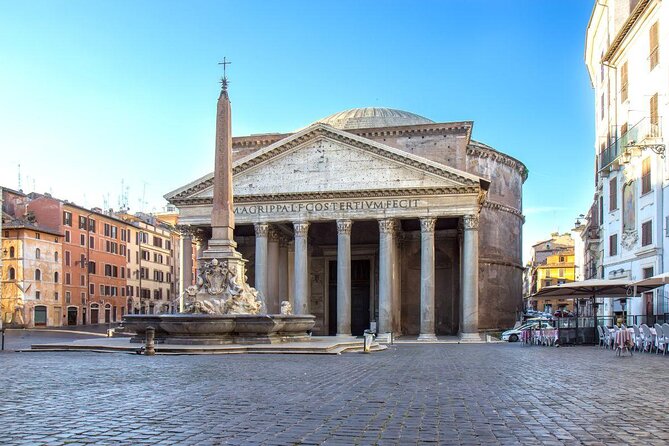
- Route from Campo de’ Fiori to Sant’ Eustachio with multiple food stops
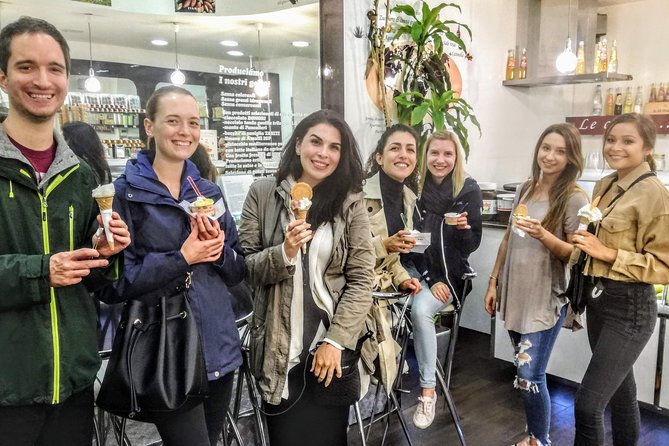
- A mix of sweet and savory bites, including gelato at the end
- Major Roman landmarks woven in (including Largo Argentina and Piazza della Minerva)
- Smart-casual, rain-or-shine walking, so plan for comfortable shoes and weather
Rome’s best snack route: Campo de’ Fiori to the Jewish Ghetto
If Rome is a city of layers, this walk is a nice way to see them while you eat. You start at Piazza Campo de’ Fiori, then work your way through areas tied to ancient ruins and later community life, ending at Piazza di S. Eustachio. It’s about 2 hours 30 minutes of moving on foot, so you’ll want to eat lightly before you go and come ready for multiple tastings.
This tour works well because it doesn’t treat food like a side quest. The stops are chosen to match what you’re seeing: market square energy near Campo de’ Fiori, then deeper historical atmosphere as you reach the Ghetto streets and the ruins zone near Largo Argentina.
You can also read our reviews of more food & drink experiences in Rome

Price and value: what $53.92 buys you in real life
At $53.92 per person, you’re paying for a guided walk, multiple tastings, and small alcohol samples. What makes the price feel fair is that you’re not buying everything on your own one by one. The tour includes snacks street food samples plus small tastings of beer and wine, which can otherwise add up quickly if you’re trying to sample several places.
You also get the kind of “value” that matters on a first trip: a route you’d be hard-pressed to stitch together alone, with a guide to connect the dots. Even with only about 2.5 hours, the plan squeezes in six stop moments that cover both classic Rome flavors and neighborhood history.
The only real “value risk” is your dietary needs. Since it does not accommodate vegan, gluten-free, or dairy-free, the cost is best for people who can eat typical Italian ingredients without strict restrictions.
Timing, walking pace, and where you start
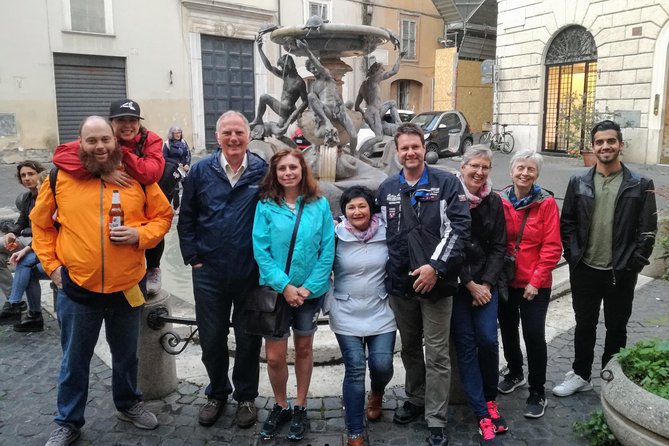
You’ll meet at Piazza Campo de’ Fiori and finish at Piazza di S. Eustachio. The meeting point is near public transport, which helps if your day is already packed with other sights. The tour runs rain or shine, so bring a jacket that handles drizzle and wear shoes with traction.
This isn’t a slow parade. It’s a lively walking tour designed around quick stops and short tastings, so you’ll keep moving even when you want a few extra seconds to look around. If hot afternoons hit hard, aim to start early or plan hydration before you meet.
Group size matters here. With a maximum of 15 travelers, you’re less likely to feel lost in a crowd, and it’s easier for the guide to adjust the pacing when people fall behind or ask questions.
Stop 1 at Campo de’ Fiori: Magia a Campo de’ Fiori and Giordano Bruno
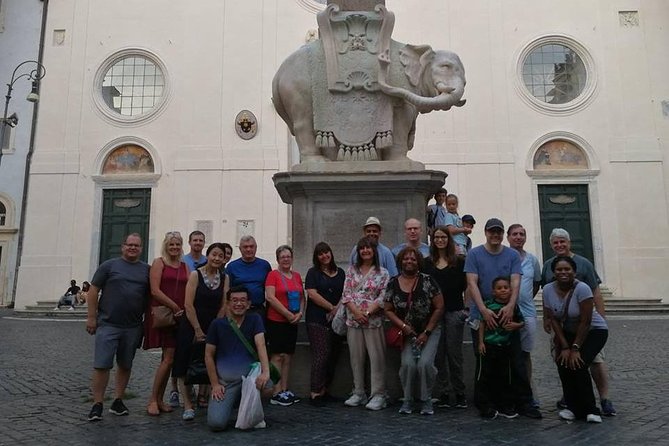
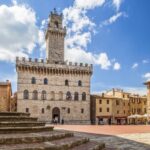
Your first stop is Magia a Campo de’ Fiori, with a story tied to philosopher Giordano Bruno and the way this square has played host to different chapters of Rome. Campo de’ Fiori has that classic “lived-in” feel, and it’s the perfect place to kick off with food, because it sets the rhythm: eat, watch people, then listen as the guide reframes what you’re seeing.
You’ll also get a taste of fresh-made savory Roman street food right away. That means you won’t spend the whole first hour just walking and waiting to eat. It’s a strong start, and it helps you settle in because everyone’s focused on the same bites and flavors.
A small practical note: since this is a square, the area can be breezy. If you’re sensitive to cold while walking, it’s worth layering even in mild seasons.
Stop 2 at Antico Forno Roscioli: quick Roman comfort
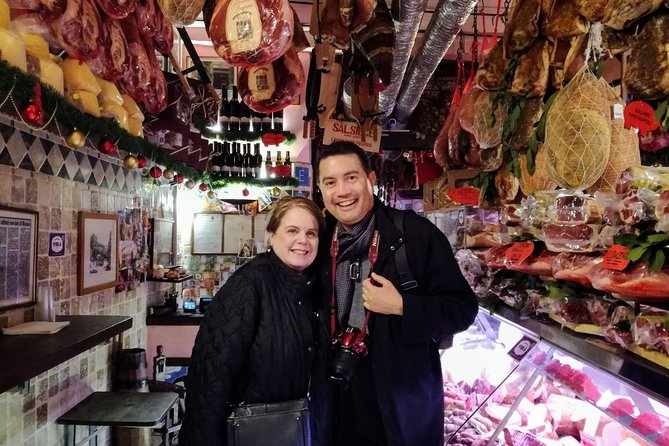
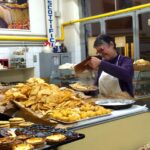
Next comes Antico Forno Roscioli, with a short stop (around 20 minutes). This is the kind of place that signals classic Roman snack culture: baked goods and street-ready food you can grab without turning the outing into a full sit-down meal.
Even if you don’t know the name beforehand, it’s a logical stop in the route. By the time you reach it, you’ve already tasted a first wave of Roman flavors, so the second stop feels like a natural progression rather than a random detour.
If you’re picky about fried or heavy items, pay attention to what’s offered seasonally here. The tour includes a sample menu that features things like pizza and suppli, but what you get can shift with the season.
You can also read our reviews of more tours and experiences in Rome

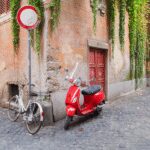



Stop 3 in the Quartiere Ebraico: Jewish Ghetto streets and the food angle
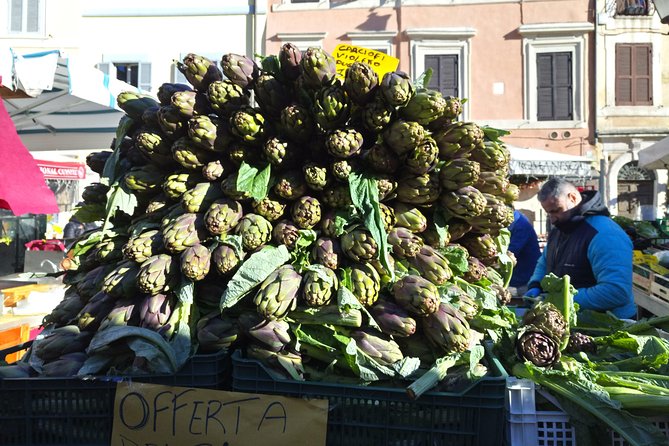
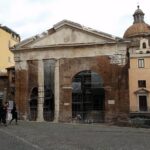
This is the heart of the tour concept: the Quartiere Ebraico stop (about 1 hour). The area is historically significant, and the tour connects that setting to the food story you’re being told as you walk.
Now, here’s the balancing act. Some people love the way this stop gives a clear introduction to the neighborhood. Others feel it doesn’t go far enough into day-to-day Ghetto life. So if your dream is a deep, specific history lecture about the Jewish community here, you may want to treat this as a food-and-overview experience rather than an intensive historical seminar.
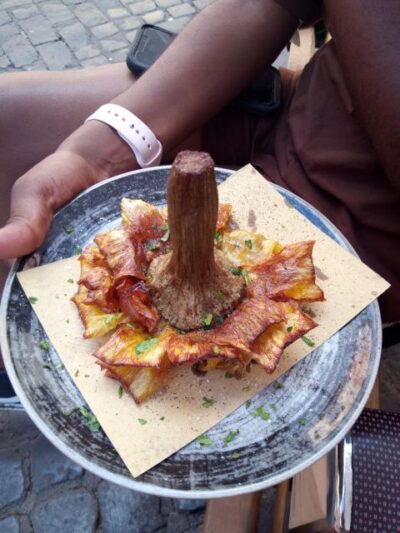
On the food side, the tour includes items tied to this stop, and it also includes a broader spread that is unmistakably Roman and Italian. From the sample menu you might see Jewish artichoke (or similar vegetable options like zucchini flowers), plus savory bites and more familiar favorites along the way.
The best way to enjoy this section is to go with the expectation that it’s both: you’re learning some context, but you’re also tasting. If you want the food to match the history one-to-one, come prepared for a bit of mixture in flavors and influences.
Stop 4 at Largo Argentina: history you can step through
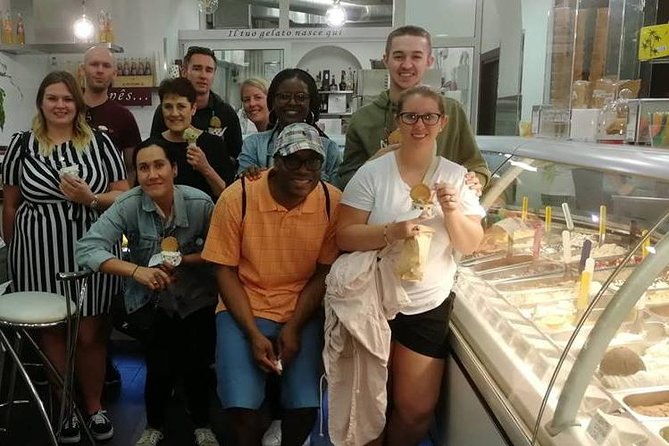
Next is Area Sacra di Largo Argentina (about 20 minutes). This is a change of pace from the food-first mood. You’ll be walking past ruins in a zone that feels “real Rome,” the kind of place where you stop to look even if your stomach is still deciding what to eat next.
The value here is simple: it breaks the routine. After bites in squares and snack stops, Largo Argentina gives you a visual anchor and a mental reset. Even if you don’t spend forever staring, the stop helps you understand that Rome’s street food culture exists right beside ancient remains.
Stop 5 at Piazza della Minerva: a short stop with a payoff
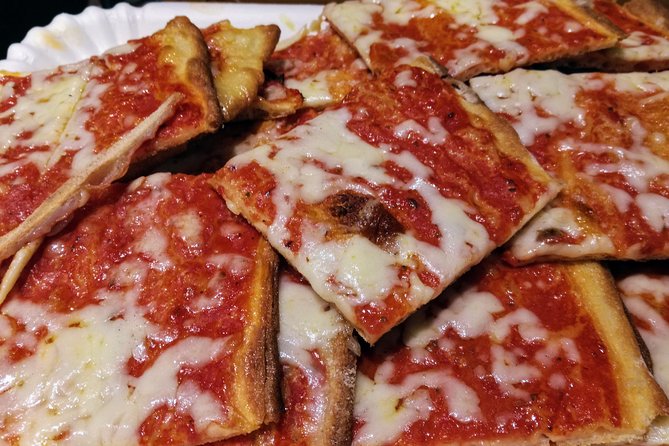
Then you reach Piazza della Minerva for about 10 minutes. It’s brief, which is what you want in a route like this: enough time for a snapshot, not enough time for the whole tour to stall.
This stop works as a connector. You’re moving from the ruins area back into a more street-and-meal rhythm, and Piazza della Minerva fits that role nicely. If you like wandering and quick perspective shifts, this kind of short highlight is perfect.
Stop 6 at Sant’ Eustachio: the finish line for sweet notes
Your ending stop is Sant’ Eustachio (about 10 minutes), and this is where the tour usually closes with something sweet. The sample menu includes gelato as dessert, so expect a final flavor hit to cap off the walk.
Sant’ Eustachio is a satisfying way to finish because it feels like a neighborhood landing spot. You’re already tasting as you walk, then you close with a classic Italian treat that’s easy to enjoy even if you’re a little full.
If you care about gelato texture and temperature, arrive ready to notice the difference. A good gelato finish makes the entire food route feel worth it, even if you paced yourself earlier.
What’s on the menu: snacks, gelato, and seasonal swaps
The sample menu gives you a clear idea of the tour’s style: multiple small stops with several bites. You might taste:
- Salami and wine
- Pizza
- Suppli
- Jewish artichoke or zucchini flowers (seasonal options)
- Gelato for dessert
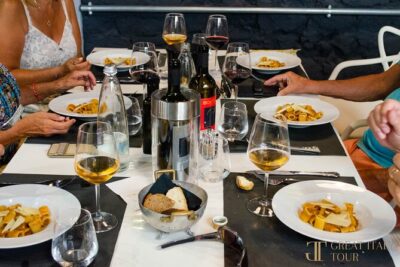
The tour also includes beer and wine tastings across the route. That matters because it turns the walk into a guided tasting session rather than a series of unrelated bites.
One more practical detail: the tour does not accommodate vegan, gluten-free, or dairy-free participants. It does accommodate vegetarian (not vegans) if you advise in advance. If you fall into any of those categories, it’s worth checking directly at booking time so you’re not surprised.
Beer and wine tastings: how to drink without derailing your day
A lot of food tours either skip alcohol or make it optional. Here, beer and wine are part of the tasting experience, but only in small samples. That’s a big plus: you get the cultural context without ending the walk wobbling toward your next attraction.
Still, be smart. Start with water between tastings if you’re prone to headaches. And if you’re the type who doesn’t enjoy wine, you can still treat it like a tasting moment rather than a full glass kind of experience.
The tour’s beer-and-wine pacing also helps you understand why Roman street food pairs well with simple drinks. Salty items and fried snacks tend to call for something chilled and light, so the selections feel functional, not random.
Who should book this food tour (and who should skip it)
This tour is a great match if you want:
- A guided walk that mixes landmarks with food
- A first-night or first-days-in-Rome activity that helps you orient across neighborhoods
- A small-group experience where you can ask questions
- A mix of classic Roman bites plus something linked to the Jewish quarter
It may not be your best choice if:
- You’re vegan or need gluten-free or dairy-free food
- You want a very deep, detailed lecture specifically focused on Jewish Ghetto history and daily life
- You hate walking and snack stops with short time windows
If you’re on a tight itinerary, the route is efficient. And if you enjoy food with stories, the format is exactly what you need: bite, learn, look around, move on.
Should you book Rome Campo de’ Fiori and the Jewish Ghetto street food tour?
I’d book it if you can eat typical Italian ingredients and you want a fun, structured way to cover Campo de’ Fiori, the Ghetto area, and the ruins zone near Largo Argentina without spending the whole day researching spots.
I’d think twice if your top priority is a heavy-hitting historical deep dive into Jewish Ghetto life. This tour gives context, but it also prioritizes tasting and pacing, so it’s more of an approachable introduction than a full historical immersion.
One final tip: come hungry, wear comfortable shoes, and treat the tastings like checkpoints. If you do that, you’ll finish the walk with a real sense of how food culture ties into the streets you just crossed.