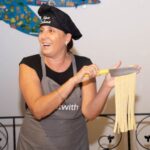
Cooking pasta in Rome changes everything. A private lesson with Chef Stella turns a classic Roman meal into real skills you can reuse, and you’ll get undivided attention as you work through dishes together. It’s a great fit if you want hands-on Italian cooking, not just watching someone else cook.
I especially like that you build a full meal—lunch or dinner—with ingredients provided, plus you can usually match the menu to your needs (including vegetarian and gluten-free). One thing to plan for: private transportation isn’t included, so make sure you can get to Viale Pola 29 without stress.
In This Review
- Key highlights to know before you go
- Chef Stella’s private kitchen lesson: what you’re really paying for
- The value angle (and what it means for you)
- Picking your menu: from ragù and pasta to pesto and carbonara
- What you might cook (sample dishes)
- Step-by-step: how the 3-hour cooking flow usually feels
- Why this pacing matters
- The pasta techniques you’ll actually use at home
- Ragù: patience and matching the pasta
- Carbonara and amatriciana: timing is the hidden ingredient
- Pesto and pasta pairing: balance is everything
- Risotto milanese: texture control, not speed
- Comfort-food Rome: supplì, gnocchi, lasagne, and the joy of structure
- Supplì: crunch outside, creamy inside
- Gnocchi alla sorrentina: a lesson in handling
- Lasagne alla bolognese: layering you can see
- Dessert practice in Italy: caprese and tiramisù without the guesswork
- Small details that affect your experience (like knives)
- Price and value for a private cooking class in Rome
- Where you meet and how to plan your timing
- Who should book this private cooking lesson
- Should you book this private Italian cooking lesson with Chef Stella?
- FAQ
- How long is the private Italian cooking lesson?
- What dishes might we cook in the class?
- Are vegetarian or gluten-free options available?
- What’s included with the lesson?
- Where is the meeting point?
- Can I cancel for a full refund?
Key highlights to know before you go
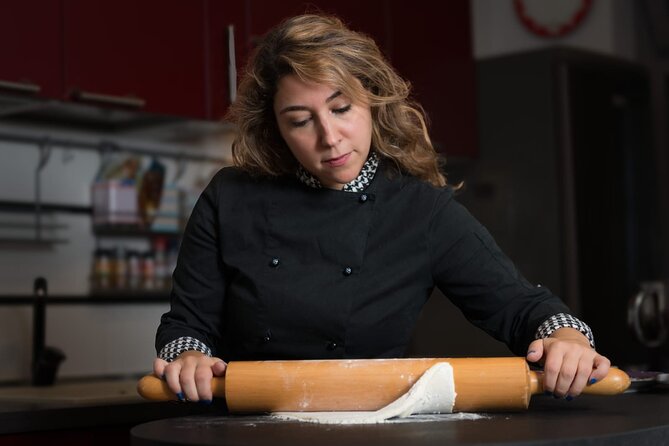
- Chef Stella in an English-friendly class: the chef works as your guide in English-Italian.
- Private by design: only your group joins, so questions don’t get lost.
- You make the meal: ingredients are included, and you’ll cook multiple dishes.
- Dietary options available: vegetarian and gluten-free diners can be accommodated.
- Classic Roman and Italian comfort food: ragù, carbonara, pesto, gnocchi, risotto, plus desserts.
- Private kitchen setting: you cook at the chef’s house, and the activity ends back near the start point.
Chef Stella’s private kitchen lesson: what you’re really paying for
A private Italian cooking lesson in Rome can be either a fun novelty or a real skill-building experience. This one leans hard toward the second option, because you’re not sharing the class with strangers and you’re not stuck in a big-group rhythm.
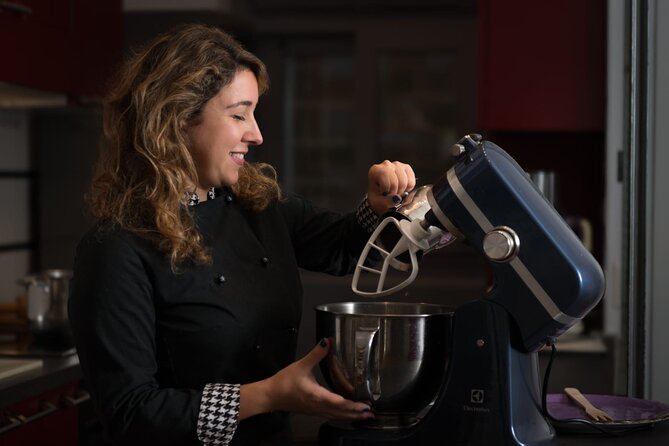
You’re working directly with Chef Stella, an Italian professional chef who offers lessons in her own kitchen and home. That matters. When cooking is hands-on, tiny technique fixes make the difference—things like how you portion, when you adjust seasoning, and how you build sauces so they actually cling to pasta instead of sliding off.
You’re also paying for convenience built into the session. The class includes lunch or dinner (not just “a few bites”), soda/pop, and the chef-guidance in English-Italian. So instead of spending your day looking for food after a class, you leave fed.
You can also read our reviews of more private tours in Rome

The value angle (and what it means for you)
At about $142.97 per person for roughly 3 hours, the price makes sense if you compare it to the total cost of a proper meal plus the cost of a guided food experience. The real bargain is that you’re not only eating Roman classics—you’re learning how they’re made.
This is especially worth it if:
- you’re traveling as a couple or small group and want a custom menu,
- you want techniques you can repeat at home,
- you get more out of “do it yourself” activities than sightseeing tours.
And it’s less ideal if you just want a short tasting. This is a cooking class with a full meal at the end.
Picking your menu: from ragù and pasta to pesto and carbonara
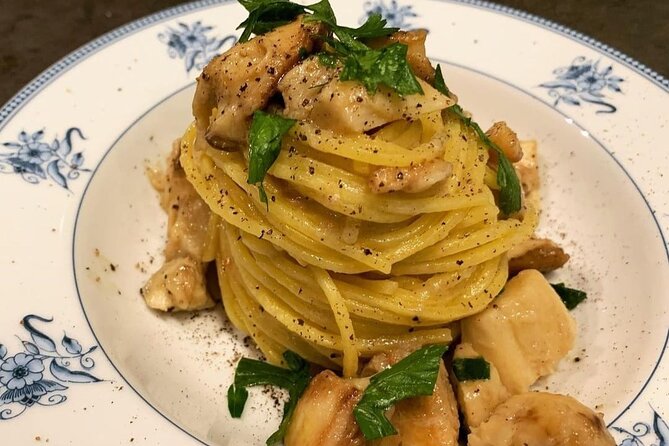
The class is designed around a traditional Italian menu, but it’s not one-size-fits-all. At booking, you confirm your spot, and then you agree on the time and menu by contacting the chef at least one day in advance.
That menu planning is where you can shape the experience. If you’re vegetarian or gluten-free, you’ll want to tell the chef clearly so the plan can be adjusted ahead of time. The lesson is said to be available for everyone, including Italians who want to learn the secrets of Italian cuisine and pastry—so you’re in good company whether you’re a beginner or you already cook.
What you might cook (sample dishes)
Depending on what you choose, your session can include a mix of:
- Supplì (a Roman-style rice croquette—great for learning texture and breading),
- Fettuccine al ragù (meat sauce technique and pasta matching),
- Gnocchi alla sorrentina (shaping/handling gnocchi and building a comforting baked dish),
- Lasagne alla bolognese (assembly layers and timing),
- Linguine al pesto (balancing herbs, garlic, cheese, and oils),
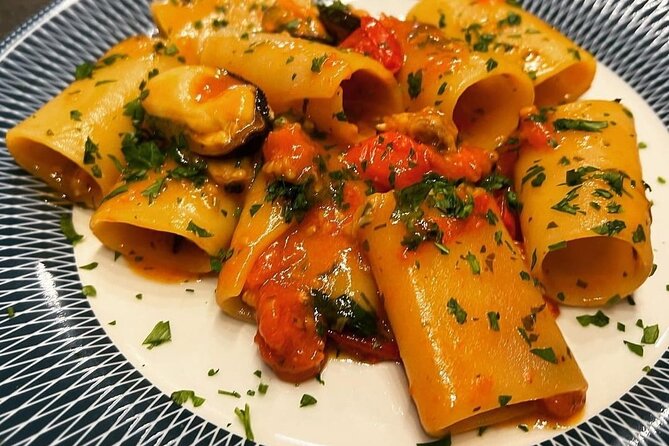
- Rigatoni carbonara (how the sauce emulsifies and why timing is everything),
- Rigatoni all’amatriciana (tomato-forward sauce and savory seasoning),
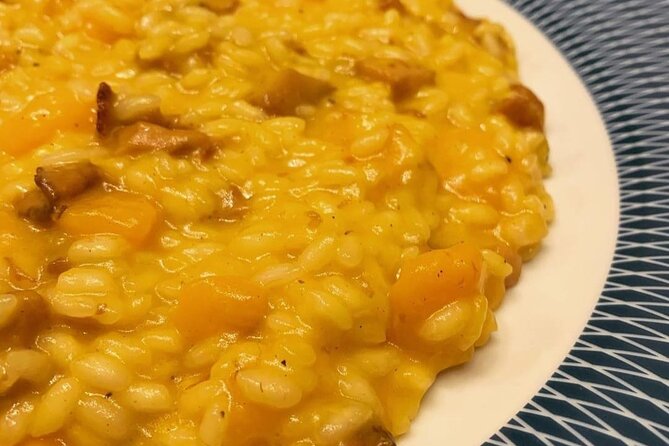
- Risotto milanese (stirring discipline and getting the right texture),
- Torta caprese and tiramisu (Italian dessert skills, not just eating dessert),
- plus other traditional dishes mentioned in the lesson description.
Even if you don’t cook every dish listed, you’ll still get a sequence that feels like a real meal. That’s a big reason this works: you’re not bouncing between random recipes—you’re building a cohesive lunch or dinner.
Step-by-step: how the 3-hour cooking flow usually feels
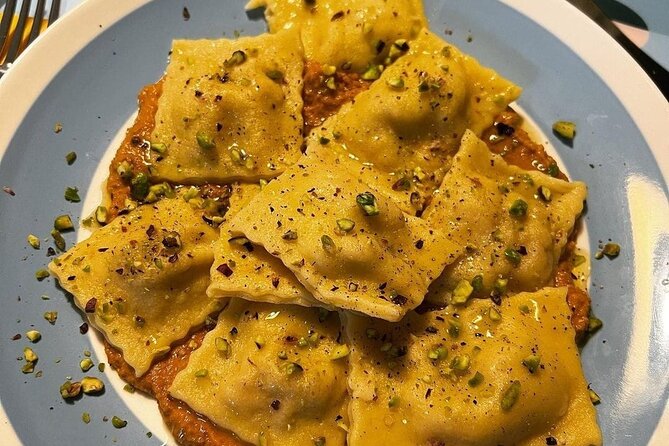
You’ll start at Viale Pola, 29, 00198 Roma. The activity ends back at the meeting point, so you’re not stuck navigating the city afterward with a full belly and cooking gear in your mind.
From there, you’ll move into the chef’s kitchen and house setting where the class happens. The time window is flexible in the sense that the chef’s opening hours run Monday–Saturday from 11:00 AM to 11:00 PM, but your actual lesson time is something you confirm by contacting the chef in advance.
A realistic way to think about the flow is:
1) Brief intro and setup
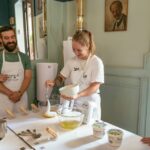
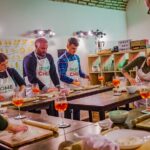
You’ll get oriented and start by prepping ingredients and workstations. In a private lesson, this part tends to go better because the chef can check your level right away.
2) Main pasta and sauce work
For many menus, this is the core: you’ll work on one or more pasta styles and pair them with a corresponding sauce (ragù, pesto, carbonara, amatriciana, etc.). This is where you pick up the “rules” that make Italian sauces act right.
3) Second course or comfort dish
You might make something like gnocchi alla sorrentina, lasagne, or risotto milanese. Each one teaches a different skill: portioning and handling, layering, or texture control.
4) Dessert finish
Torta caprese and tiramisù are popular end points because you learn technique that’s hard to fake—how to fold and assemble, and how to reach the right consistency.
5) Eat what you made
Lunch or dinner is included, along with soda/pop. You’re not transferring to another venue for food. You cook, then eat, all in the same rhythm.
You can also read our reviews of more tours and experiences in Rome


Why this pacing matters
In Rome, it’s easy to end up doing “one thing, then another thing, then another thing.” This class is different because it compresses a complete meal into one session. You’ll come out with skills and a clear sense of what “a traditional plate” actually means.
The pasta techniques you’ll actually use at home
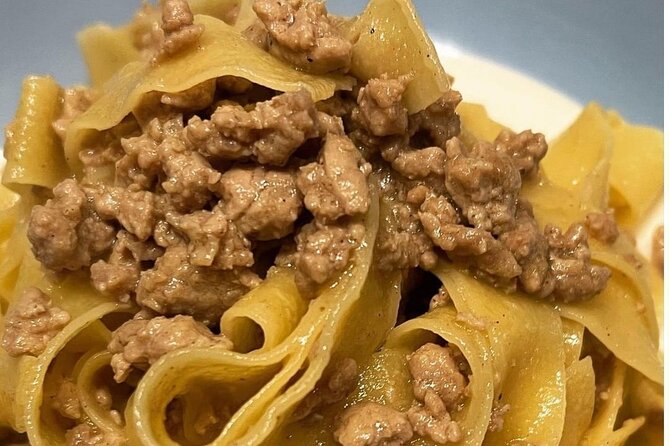
This is where I think a private class shines most. Pasta sounds simple until you try to make it (or match it with sauce). With a chef-focused, small setting, you can get instant feedback.
Ragù: patience and matching the pasta
If you choose fettuccine al ragù, you’ll learn how a classic Italian meat sauce is built and how it behaves when it meets pasta. You’ll get the practical takeaway: don’t treat ragù like a quick topping. It’s a sauce you work into, so it coats rather than just sits.
Carbonara and amatriciana: timing is the hidden ingredient
Carbonara (rigatoni carbonara) and amatriciana (rigatoni all’amatriciana) are the two dishes that separate experienced cooks from good intentions. They demand timing and technique so you don’t end up with a sauce that breaks or a flavor that tastes flat.
A private chef can correct small things quickly—like heat control and how you combine ingredients—so you leave knowing how to avoid the common mistakes.
Pesto and pasta pairing: balance is everything
For linguine al pesto, the skill isn’t just making pesto. It’s learning how to balance it and use it so it sticks and tastes right. In a class like this, you’ll also understand how pesto behaves with different pasta shapes.
Risotto milanese: texture control, not speed
With risotto milanese, you’ll practice the idea that risotto is about texture. Even without being told complicated theory, you’ll learn by doing—how it should look and feel as you stir and finish.
And if you’ve ever tried making risotto and wondered why it tastes good for the first few bites but goes wrong later, this kind of coached practice is the fix.
Comfort-food Rome: supplì, gnocchi, lasagne, and the joy of structure
One reason I like these menus is that they teach structure. You’re not just learning recipes—you learn why certain Italian dishes feel comforting.
Supplì: crunch outside, creamy inside
Supplì is a smart starter because it trains your sense of texture and handling—crisping the outside without letting the inside go wrong. It’s also a great dish for taking home the idea that Italian street-food flavors can be made with real technique.
Gnocchi alla sorrentina: a lesson in handling
Gnocchi alla sorrentina is the kind of dish that tastes like home, but it’s also a practical lesson. Gnocchi can be delicate, so you learn how to treat it and how to build a baked, melty result.
Lasagne alla bolognese: layering you can see
With lasagne alla bolognese, you’ll learn the value of assembly. Layer by layer, you understand how each piece contributes to the final bite. It’s also easier to repeat later because the structure is visible.
Dessert practice in Italy: caprese and tiramisù without the guesswork
Dessert is where many cooking classes go vague. Here, dessert is part of the core plan, including:
- Torta caprese
- Tiramisù
That means you’re doing more than “mix and hope.” You learn what the batter or filling should look like and how to handle it to get the right consistency.
And yes, the tasting part matters too. One highlight you can count on is that dessert is delicious when it’s made fresh, in a real kitchen, with a chef checking your technique.
Small details that affect your experience (like knives)
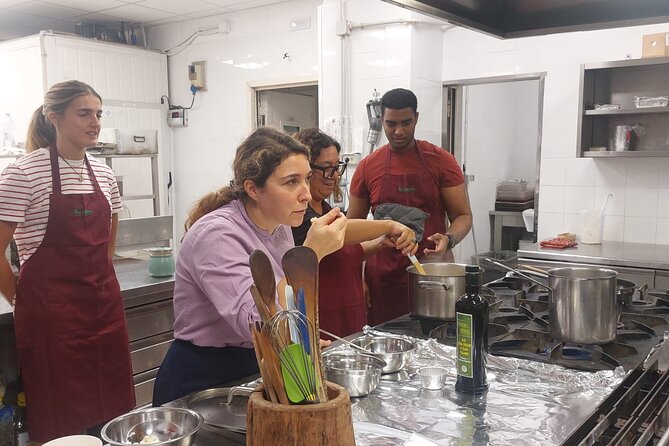
There’s one practical note worth mentioning: kitchen tools matter. One person joked that the knives weren’t as sharp as they’d like. In other words, plan for the fact that this is a home-kitchen style setting, not a polished cooking studio with factory-sharp equipment.
It doesn’t automatically ruin the experience, but it’s a reminder: if you’re sensitive to knife quality, bring that expectation in. Also, you’ll likely be fine as long as you focus on learning technique and not judging the cutlery.
Price and value for a private cooking class in Rome
Let’s talk value without pretending it’s cheap.
$142.97 per person for about 3 hours includes:
- lunch or dinner,
- soda/pop,
- the chef-guide in English-Italian,
- and you get all ingredients for what you cook.
What you don’t get is private transportation. So your true cost is partly time and effort in getting to Viale Pola 29.
Still, for the right traveler, this price is fair because it buys:
- a private, question-friendly setting,
- technique instruction from a professional chef,
- a full meal experience,
- and the chance to cook Roman and Italian classics like ragù, carbonara, pesto, risotto, plus dessert.
If you’re the type who buys a ticket to a cooking class and leaves thinking, That was fun but I can’t do it again, you’ll want this one more than the average food tour. This is built so you can repeat parts of it later.
Where you meet and how to plan your timing
You meet at Viale Pola, 29, 00198 Roma. The activity ends back at that same meeting point.
The class runs Monday–Saturday with hours listed from 11:00 AM to 11:00 PM, and you can coordinate your exact time. Since you’re told to contact the chef at least one day in advance to agree on time and menu, treat this like a real appointment, not a last-minute drop-in.
Also keep in mind:
- it’s near public transportation,
- it’s a private tour/activity, so only your group participates.
Who should book this private cooking lesson
This works best if you want any of these outcomes:
- you love Italian food and want skills, not just stories,
- you’re traveling with a partner or small group and want privacy,
- you prefer learning from direct coaching,
- you have dietary needs and want those needs handled within the menu plan.
It might feel less suitable if:
- you only want a quick taste experience,
- you dislike kitchen work and would rather watch than cook,
- you’re relying entirely on your accommodation to handle transportation (since private transport isn’t included).
Should you book this private Italian cooking lesson with Chef Stella?
Yes—if you want real “cook and eat” value in Rome. The private setup and full meal format make it more than a photo-op activity. You’ll come away understanding how classic dishes like ragù, carbonara, pesto, and risotto are built, and you’ll finish with dessert choices like torta caprese and tiramisu.
Book it especially if you’re the kind of traveler who likes to carry one practical skill home. And if you’re coming with dietary needs, contact the chef early so your menu can be adjusted.
FAQ
How long is the private Italian cooking lesson?
It runs for about 3 hours.
What dishes might we cook in the class?
A sample menu includes fettuccine al ragù, gnocchi alla sorrentina, supplì, lasagne alla bolognese, linguine al pesto, rigatoni carbonara, rigatoni all’amatriciana, and risotto milanese, with desserts like torta caprese and tiramisù. The chef agrees on the menu with you in advance.
Are vegetarian or gluten-free options available?
Yes. Vegetarian and gluten-free diners can be accommodated.
What’s included with the lesson?
The experience includes lunch and/or dinner, soda/pop, and a guide/chef in English-Italian.
Where is the meeting point?
The start (and end) is at Viale Pola, 29, 00198 Roma RM, Italy.
Can I cancel for a full refund?
Yes. You can cancel for a full refund up to 24 hours in advance of the experience start time.