REVIEW · ROME
Lunchtime Pasta Pro Workshop
Book on GetYourGuide →Operated by Global Experiences · Bookable on GetYourGuide
Fresh pasta has a way of changing your standards. This Lunchtime Pasta Pro Workshop in Rome turns a midday meal into hands-on homemade pasta and tiramisu practice, taught in English by a local chef.
I like that it’s practical, not just sit-and-watch. You’ll mix, roll, cut, and cook, then sit down and eat everything you made with included drinks.
One heads-up: the menu uses gluten and dairy, so it’s not a fit for coeliac/gluten intolerance, vegan diets, or lactose intolerance.
In This Review
- Key Things You’ll Do and Love
- A Rome Lunch Class That Teaches by Doing
- Where You Meet: Via Cesare Balbo (and the Rome With Chef Sign)
- Prosecco to Fettuccine: Making Fresh Pasta From Scratch
- The Sauce Course: Carbonara or Cacio e Pepe
- Tiramisu Titan Mode: Dessert You Can Repeat at Home
- The Best Part: You Eat Everything You Cook
- Price and Value: Is $78.17 Worth It?
- Dietary Reality Check: Who Should Book (and Who Should Skip)
- Who This Workshop Suits Best in Rome
- Should You Book This Lunchtime Pasta Pro Workshop?
- FAQ
- How long is the Lunchtime Pasta Pro Workshop?
- Is the cooking class taught in English?
- What will I make and eat during the workshop?
- Can the class accommodate coeliac disease, gluten intolerance, vegan diets, or lactose intolerance?
- What drinks are included?
- Where do I meet the class?
Key Things You’ll Do and Love
- Start with prosecco and meet your chef and tablemates before you touch the dough
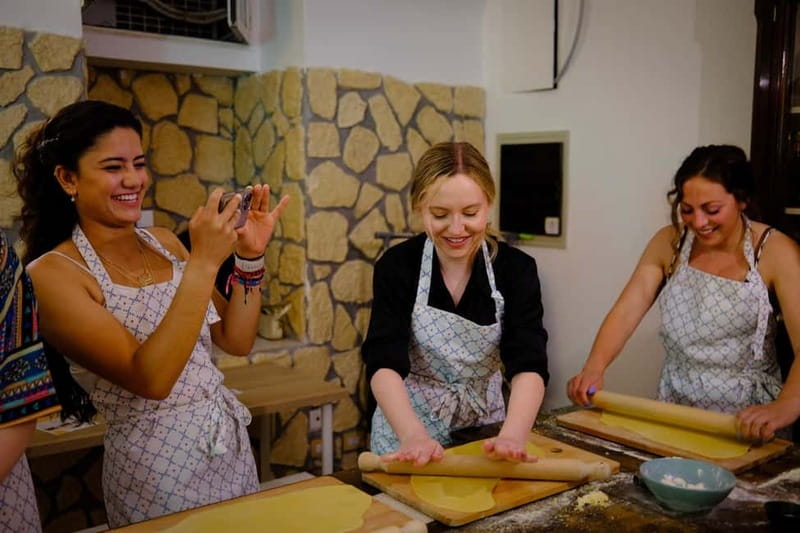
- Make fresh fettuccine from scratch, right down to rolling and cutting
- Cook a classic sauce (carbonara or cacio e pepe) with a glass of local wine
- Build a proper tiramisu and take the recipe home for your next dinner plan
- Eat as a group and end with limoncello after the meal
- Skip if you’re gluten/dairy sensitive since accommodations are limited
A Rome Lunch Class That Teaches by Doing
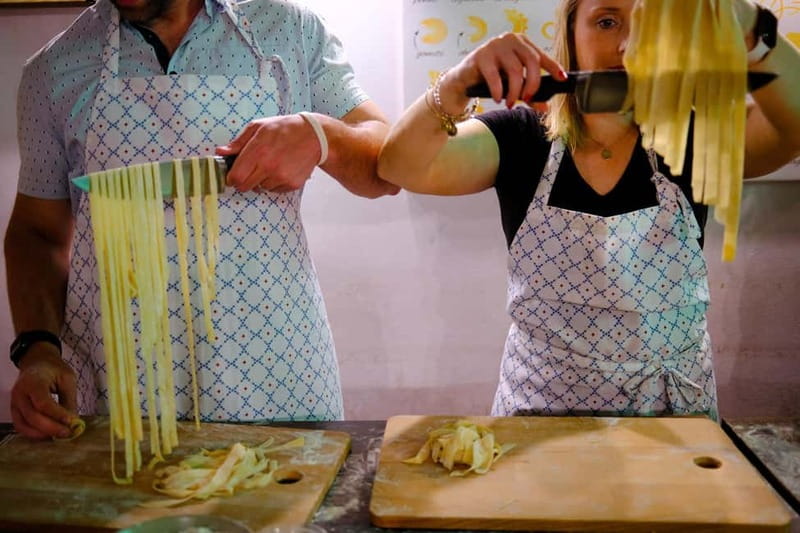
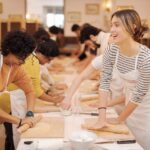
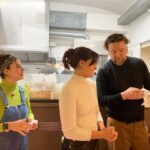
This is the kind of Rome food experience I think many people hope for: you leave with real technique, not just a full stomach. The workshop is built around a hands-on pasta-and-dessert format, where you do the work with the chef—mixing, rolling, cutting, and plating.
What makes it genuinely useful is the recipe payoff. You’re not only making food for that day. You also get take-home recipes, so you can recreate the dishes later without guessing. And the class pairs the savory portion (fresh pasta + one of two Roman-style sauces) with the dessert portion (tiramisu), so your lunch feels like a full Italian menu, not a snack lesson.
The tone is friendly and interactive. In English-speaking instruction, chefs such as Angela and Fillippo have led past sessions, and Laura has been highlighted for clear teaching and strong English. Add in the fact that people describe it as organized and fun, and you get the sense that you’re in good hands from start to finish.
If you’re on a tight schedule, note the timing. The class runs 2.5 hours, and starting times vary—so check availability first. This is not a half-day cooking retreat. It’s a focused lunchtime workshop, and that’s a good thing if you want something memorable without eating your entire day.
You can also read our reviews of more tours and experiences in Rome

Where You Meet: Via Cesare Balbo (and the Rome With Chef Sign)
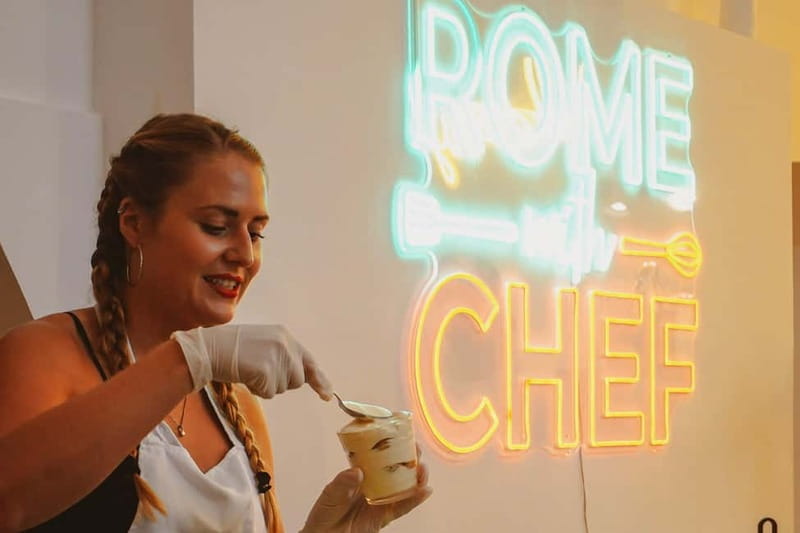
You meet at Via Cesare Balbo 25, close to Hotel 77. The key detail is simple: look for a sign that says Rome With Chef outside the class area. It’s one of those setups where arriving a few minutes early helps you get your bearings fast.
Why this matters: cooking classes often run smoothly only when everyone starts on time. If you’re hopping between Rome sights, build in buffer time so you can settle before the first pour. You also end back at the meeting point, so you’re not stuck figuring out how to get home right after a meal.
The workshop language is English, which keeps things comfortable if you don’t speak Italian. If you do speak some Italian, you’ll still get the cooking workflow clearly, but the main advantage is that you won’t miss important technique explanations. And technique is the point here.
Prosecco to Fettuccine: Making Fresh Pasta From Scratch
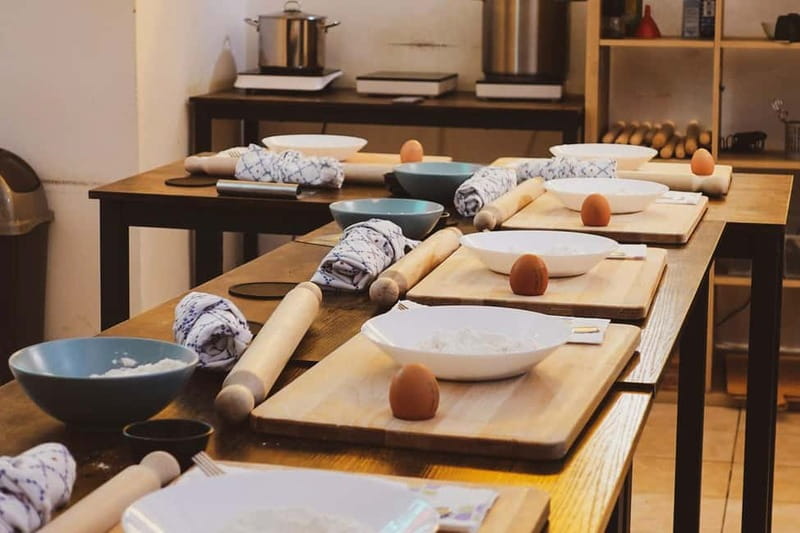
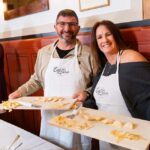
The class begins with a welcome glass of prosecco. It’s a small detail, but I like it for two reasons. First, it puts you in a relaxed mood before you start anything messy. Second, it gives you a moment to chat with the chef and your tablemates before the hands-on work begins.
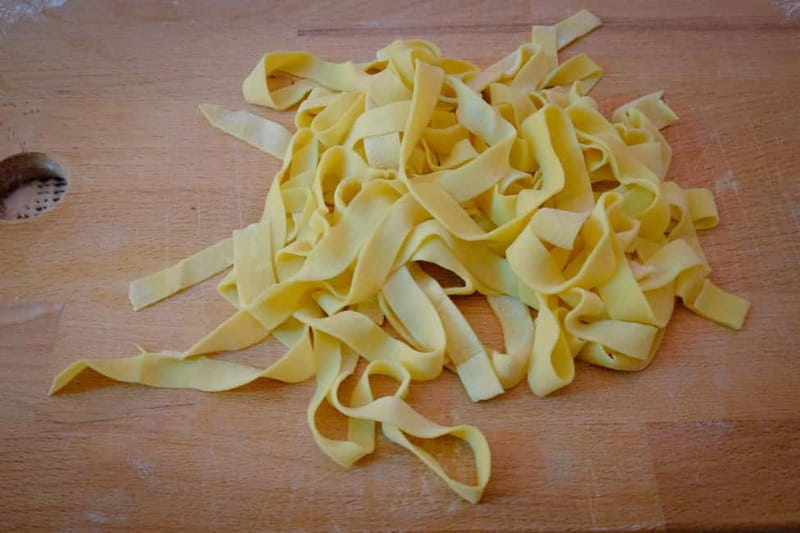
Then comes the main event: homemade pasta dough. You’ll learn the process from the expert chef, and you’ll be doing the physical steps—mixing, rolling, and cutting. You start from dough and end with fresh, handmade fettuccine that’s ready for the sauce course.
This is where a short 2.5-hour class can still feel “real.” You’re not just learning theory about gluten development or hydration ratios. You’re feeling the dough and understanding when it behaves right. Even if you’ve never rolled pasta before, you’ll get guidance that helps you avoid the classic beginner mistakes—like dough that’s too thick, too dry, or hard to work.
One practical note: since you’re handling dough, comfortable clothing helps. You’ll want something you can move in, and you’ll likely get a little flour on you. Rome cobblestones and flour-streaked sleeves are not a great combo, so plan for quick cleanup afterward.
The Sauce Course: Carbonara or Cacio e Pepe
Once your pasta is shaped, the workshop shifts to cooking. You’ll transform the fresh fettuccine into one of two Roman staples: carbonara or cacio e pepe. The chef-led guidance is the difference between “I watched it” and “I can do it.”
Why this sauce choice matters: both options are known for being simple but technique-sensitive. That means your takeaway isn’t just a recipe list—it’s a sense of how the dish should come together. And the class includes a glass of local wine (or a non-alcoholic beverage for non-drinkers), so the meal portion feels like a true Italian lunch, not just a classroom exercise.
If you’re choosing based on flavor mood, think about this:
- Carbonara tends to feel richer and more comfort-food.
- Cacio e pepe is all about cheese and pepper, so it leans sharp and peppery.
The workshop doesn’t stop at cooking. It also includes context and history for these dishes—why they became staples and how they fit into Italian everyday food culture. It’s not presented like a lecture; it’s woven into the cooking so it stays useful rather than academic.
Tiramisu Titan Mode: Dessert You Can Repeat at Home
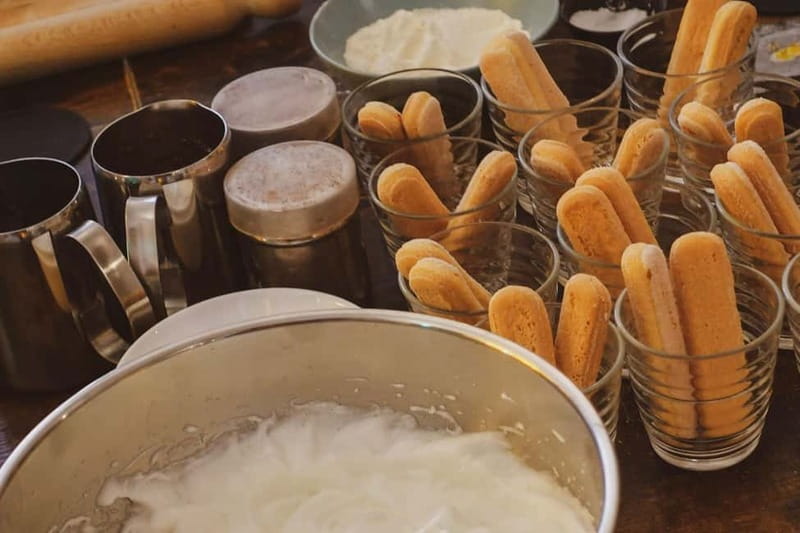
After pasta comes dessert, and yes—this is where you’ll get your hands on tiramisu. You’ll learn how to make it the right way, with the emphasis on the method and timing that makes tiramisu taste like tiramisu instead of a sweet puddle.
You’ll also take away the recipe, which is huge value. Many cooking classes give you something edible and a vague memory of steps. Here, the take-home recipe helps you turn what you learned into a real home-cooked dessert.
The experience is set up to make tiramisu approachable. If you’ve ever been intimidated by whipped textures or layering, you’ll likely appreciate that the chef guides the process while you follow along. And because the class covers the dish’s place in Italian dessert culture, you get a little more confidence explaining what you’re serving when friends ask what’s in it.
At the end of the full meal, there’s a final treat: a refreshing glass of limoncello. It’s a neat punctuation mark—bright, citrusy, and perfect after a rich lunch.






The Best Part: You Eat Everything You Cook
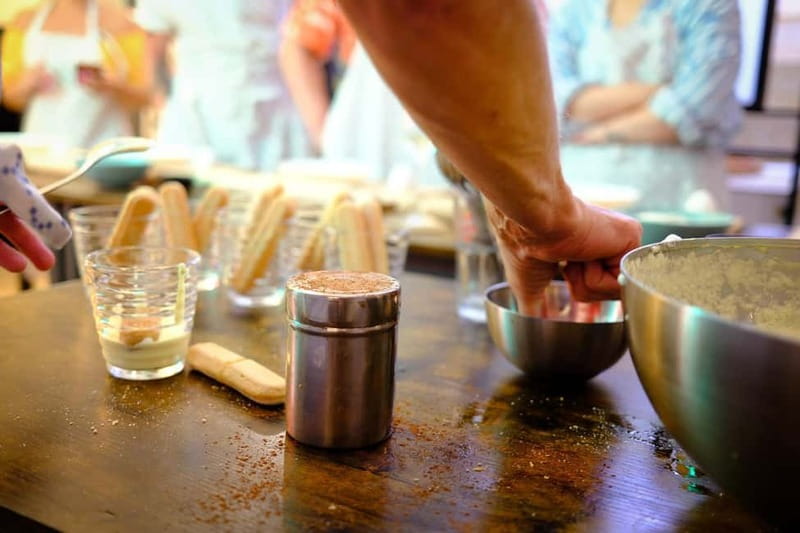
Here’s what I consider a practical win: the class ends with you sitting down and eating everything you made. You don’t spend the whole time waiting for someone else to plate while you remain hungry. That matters, especially in Rome, where midday schedules can get tight and you don’t want to sacrifice the lunch you planned.
Along the way, you’ll have unlimited water, and your drinks are handled as part of the experience: prosecco at the start, wine with the pasta portion (or non-alcoholic alternatives), then limoncello at the end. If you’re traveling with someone who doesn’t drink, the class is set up to include non-alcoholic beverages, so you aren’t stuck with a soda-only experience.
One more thing: the class includes vegetarian options. That’s helpful in a workshop where the menu is built around classics like carbonara or cacio e pepe. Just be aware that the bigger dietary limitations are about gluten and dairy (more on that next).
Price and Value: Is $78.17 Worth It?
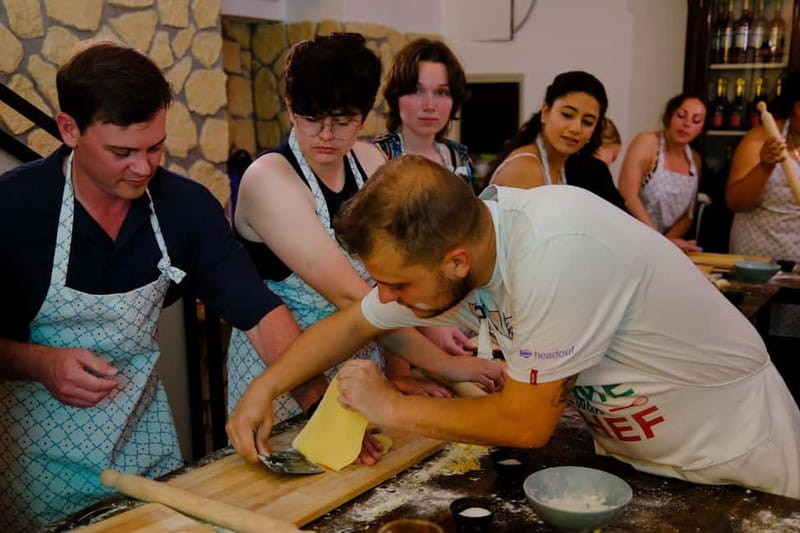
At $78.17 per person, this workshop sits in the range where you’re paying for more than ingredients. You’re paying for the chef instruction, the workflow from dough to plate, and the meal experience that follows. For a cooking class that includes fresh pasta, one cooked sauce course, handmade tiramisu, and multiple drinks, that price can feel reasonable—especially because you also leave with the recipes.
Let’s break down what’s included:
- Interactive chef-led cooking for pasta and tiramisu
- Locally sourced ingredients
- Handcrafted pasta and sauces
- Handmade tiramisu
- A take-home recipe set
- Drinks: prosecco, wine, limoncello, plus unlimited water
- Vegetarian options
- Non-alcoholic options for non-drinkers and kids
So where does the cost show up? Primarily in labor and execution. Someone has to source ingredients, prep supplies, teach technique in English, and guide you through a process that’s easy to get wrong if you’re guessing. This is exactly the kind of class where that support makes the difference between a decent meal and a confident repeat at home.
Where the value drops (or becomes a poor fit) is dietary compatibility. If you can’t have gluten or dairy, you’ll be excluded from the menu. In that case, you’re better off looking for a different kind of experience that matches your needs.
Dietary Reality Check: Who Should Book (and Who Should Skip)
This workshop has clear limits:
- No gluten-free options
- No vegan options
- No dairy-free options
- Not suitable for coeliac disease, gluten intolerance, or lactose intolerance
So if you eat without gluten or dairy, don’t plan to “make it work.” The class is explicit that the menu uses dairy and gluten products. For many food allergies and restrictions, this is the kind of “friendly no” that saves you stress.
On the positive side, vegetarian options exist, so if your main restriction is meat avoidance, you have a better chance of being accommodated. And if alcohol isn’t your thing, the class covers non-alcoholic beverages.
If you have any dietary restrictions, the best move is to contact the organizers in advance so they can confirm what’s possible. The workshop also asks you to share restrictions ahead of time so they can handle substitutions where appropriate.
Who This Workshop Suits Best in Rome
This is a great match if you want:
- A hands-on food lesson rather than a tasting only
- A complete lunch experience: pasta + sauce + dessert
- Techniques you can reproduce later with the take-home recipes
- An English-guided class with a local chef and a group meal ending in limoncello
It’s also a good pick for travelers who feel that Rome food is “better as a story.” Here, you cook the food and also get short context about how dishes like carbonara, cacio e pepe, and tiramisu became staples. You’ll leave with more than flavors—you’ll understand what you made and why.
It’s not the right fit if you:
- Need gluten-free or dairy-free meals
- Prefer a low-engagement, sit-back experience
- Want a slow dinner-style class (this is designed for a lunch window)
One small logistical consideration: since you’re meeting at a specific address near Hotel 77, plan your Rome walk path so you’re not late. Being late in a cooking class is a buzzkill for everyone, and it doesn’t help the pacing.
Should You Book This Lunchtime Pasta Pro Workshop?
If you’re the kind of person who likes to eat well and also learn something real, I’d say yes. The strongest reasons to book are the combo of fresh pasta-making, a Roman sauce you can cook again later, and tiramisu with a take-home recipe. Add the included meal and drinks, and it becomes a memorable Rome lunch that feels practical, not performative.
Skip it if you’re dealing with gluten or dairy needs that this menu can’t accommodate. For everyone else, it’s one of those experiences that gives you a full, satisfying outcome in a short time: you cook, you eat, you learn, and then you leave with something you can repeat at home.
FAQ
How long is the Lunchtime Pasta Pro Workshop?
The class lasts about 2.5 hours. Starting times vary, so check availability for the schedule.
Is the cooking class taught in English?
Yes, instruction is provided in English.
What will I make and eat during the workshop?
You’ll make fresh handmade fettuccine, then prepare one of the following sauces: carbonara or cacio e pepe. You’ll also learn to make handmade tiramisu and then sit down to eat everything you cooked.
Can the class accommodate coeliac disease, gluten intolerance, vegan diets, or lactose intolerance?
No. The workshop cannot accommodate coeliac disease, gluten intolerance, vegan diets, or lactose intolerance because the menu includes gluten and dairy products.
What drinks are included?
You’ll get a welcome glass of prosecco, a glass of wine with your meal (or non-alcoholic beverages if needed), and you’ll end with a glass of limoncello. Unlimited water is also included.
Where do I meet the class?
Meet at Via Cesare Balbo 25, around the corner from the Hotel 77 entrance. Look for a sign that says Rome With Chef. The activity ends back at the meeting point.