REVIEW · ROME
Gelato Cooking Class in Rome – Create & Taste Italian Gelato
Book on GetYourGuide →Operated by Marlene's Gelateria · Bookable on GetYourGuide
Gelato gets personal in Rome. At Marlene’s Gelateria, you learn authentic Italian gelato technique in a hands-on 1.5-hour class, using fresh, natural ingredients.
You come away with more than a sweet souvenir—you understand how gelato gets its texture, and you get guidance in a small group setting with professional instruction (including clear, step-by-step teaching from instructors like Ramon). One quick note: at $106 per person, it’s fun and skill-building, but it’s not cheap for the time.
In This Review
- Key highlights to know before you go
- Gelato class at Marlene’s Gelateria: the real-world setup
- The 1.5-hour flow: what happens from hello to take-home gelato
- 1) Start with gelato basics (and how it differs from other desserts)
- 2) Ingredients and equipment: what you need and why it matters
- 3) Hands-on gelato making: you create your own batch
- 4) Technique and flavor balancing: classics and mix-ins
- 5) Tasting at the shop: try all the flavors
- 6) Take-home gelato
- What you’ll learn beyond the recipe (texture, technique, and choices)
- The “equipment conversation” is actually practical
- Kosher context shows up, too
- Instructor style and language options
- Price and value: is $106 worth it in Rome?
- Who should book this gelato cooking class
- Practical notes for a smooth experience
- Go hungry, but pace yourself
- Expect flavor exploration
- Small group means less waiting
- Should you book this gelato class?
- FAQ
- How long is the gelato cooking class in Rome?
- How many people are in each class group?
- What languages are available for the instructor?
- Is the class wheelchair accessible?
- What is included in the price?
- Do I get to taste all the flavors at the gelateria?
- Can I take gelato home?
- What is the cancellation policy and can I pay later?
Key highlights to know before you go
- Natural gelato ingredients: free from artificial colors, preservatives, and chemicals
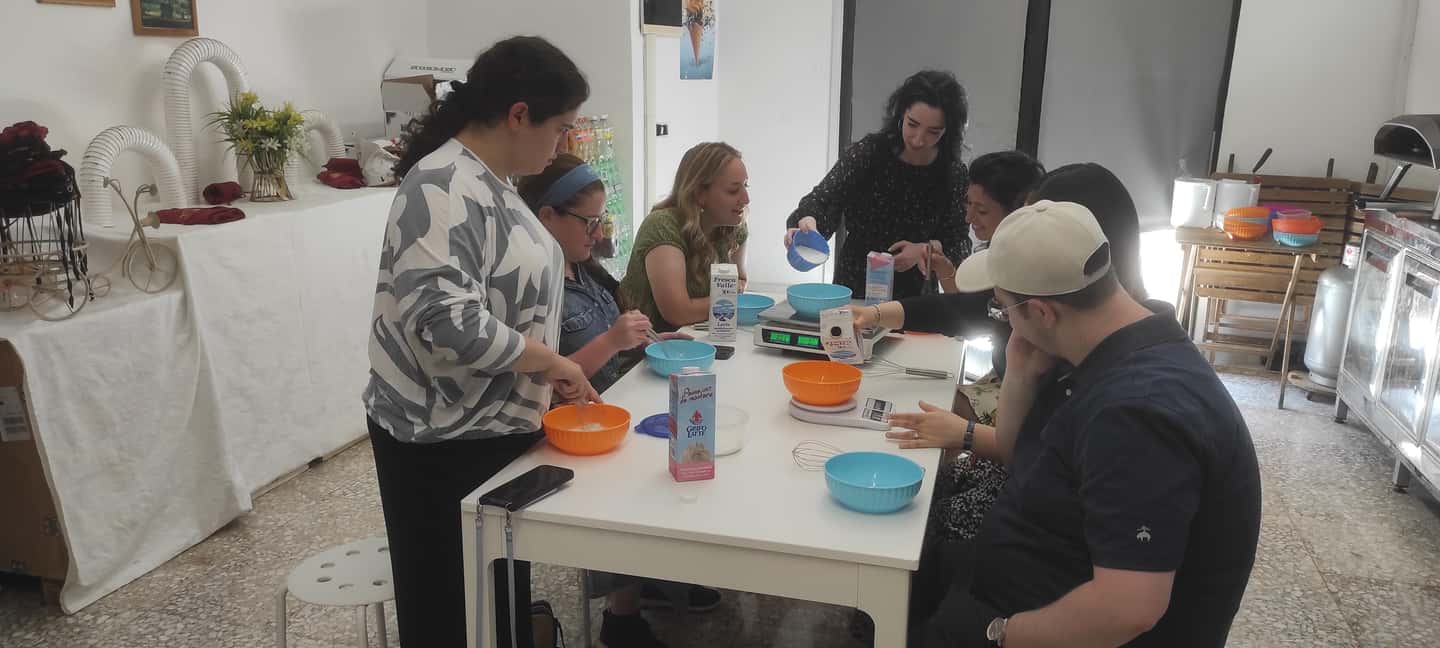
- Small-group size (max 10): more hands-on help and easier questions
- Make + taste: you create your own batch and also taste all the flavors in the shop
- Real technique, not just watching: you learn ingredient prep and how to reach the right texture
- Take-home gelato: you leave with your handmade batch to share
Gelato class at Marlene’s Gelateria: the real-world setup
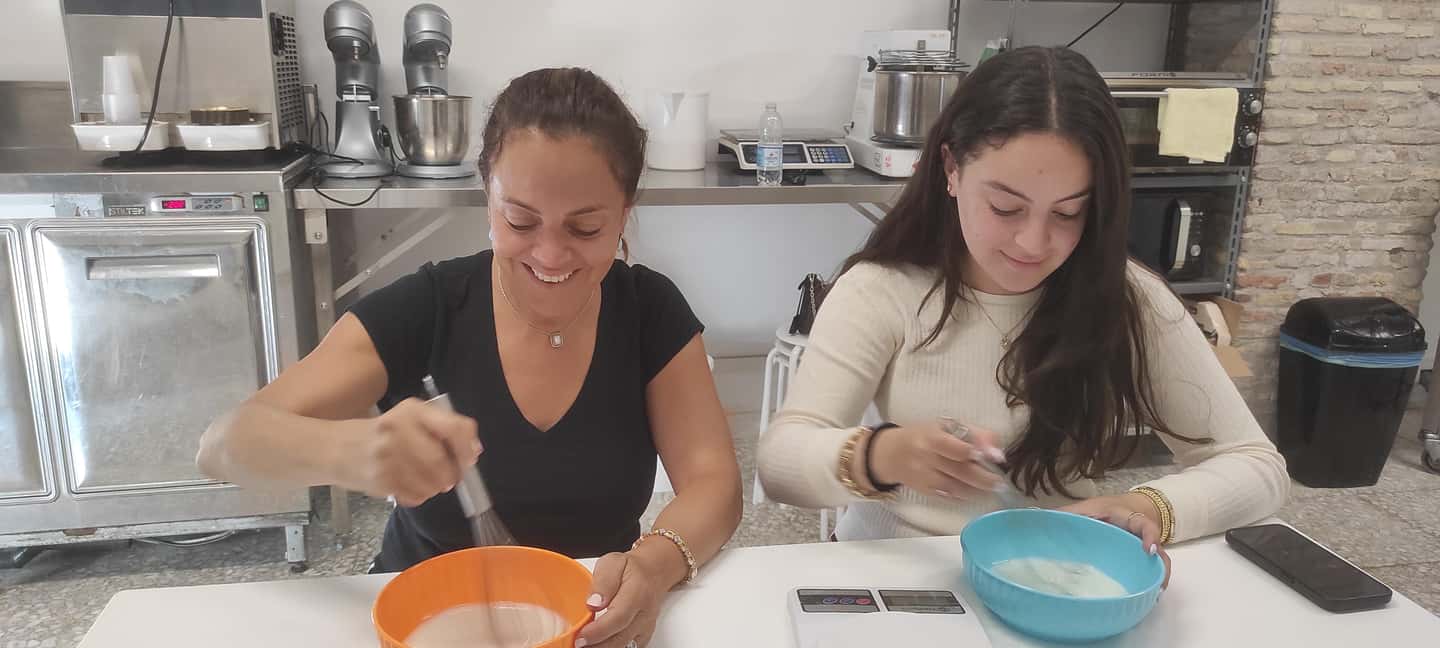
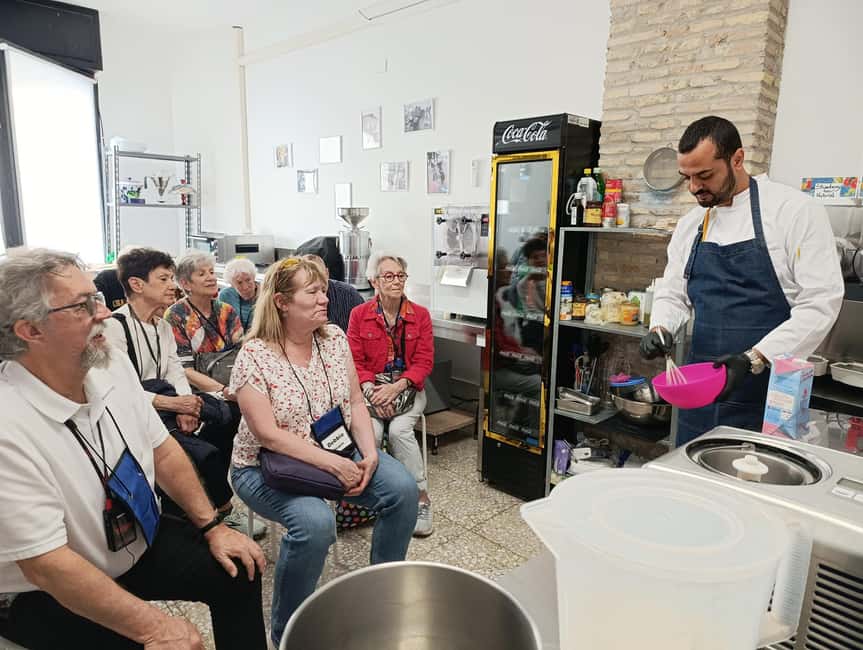
If you love gelato, this is one of those Rome activities that turns a craving into a skill. Marlene’s Gelateria focuses on making authentic Italian gelato—and the class is built around you doing the work, not just standing nearby.
The setting matters. You’re in a working gelateria where the ingredients, tools, and tasting culture make sense. Instead of vague “home dessert” advice, you get practical instruction that fits how professionals think about flavor balance and texture.
Two things I really like about this setup:
First, the class is designed for all skill levels, so you don’t need kitchen confidence to participate. Second, you’re not limited to one flavor. You can make classic picks like vanilla or chocolate, or go for options like pistachio or mango depending on what’s available and what you’re craving.
The main consideration? The price is high. You’re paying for instruction, access to professional equipment, full-flavor tasting, and enough product to take home. If that all sounds worth it to you, great. If you’re just hunting for a quick gelato fix, it may feel steep.
You can also read our reviews of more cooking classes in Rome



The 1.5-hour flow: what happens from hello to take-home gelato
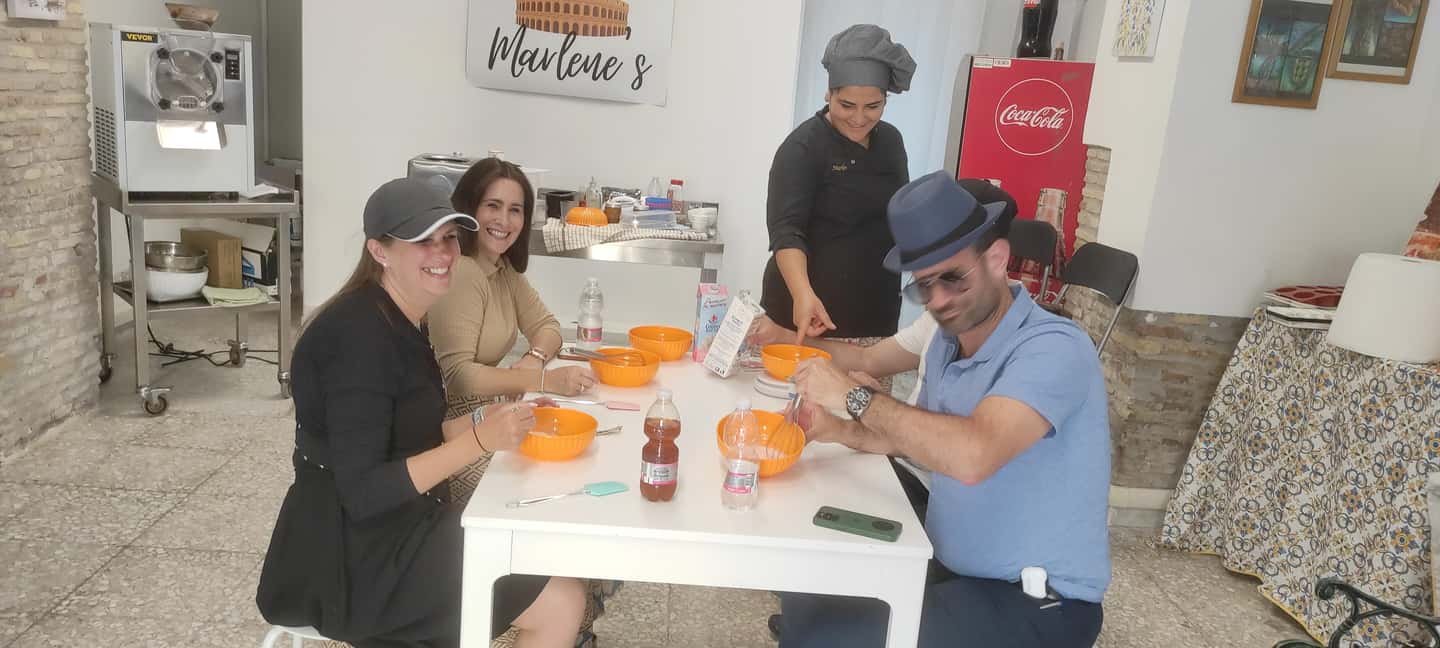
The duration is about 1.5 hours, so the rhythm stays tight. You’ll move through a clear sequence: learn the basics, prep ingredients, make gelato, then taste and share.
1) Start with gelato basics (and how it differs from other desserts)
You’ll get an introduction to gelato and why it behaves differently than other frozen treats. The class covers the difference between gelato and traditional ice cream, and you’ll also hear how gelato compares to related options like soft serve and sorbet.
This part is more useful than it sounds. When you understand the basic “why,” you stop treating texture like luck. You’ll know what the instructor is aiming for as you work.
2) Ingredients and equipment: what you need and why it matters
Next comes the practical part: ingredients and gear. You’ll get familiar with equipment used in gelato making, from gelato machines to flavor mixers.
You’ll also learn what makes their approach “natural gelato.” The class explicitly focuses on gelato made with fresh, natural ingredients, and it’s described as free from artificial colors, preservatives, and chemicals. That’s important because it sets expectations for flavor—no fake shortcuts, so everything tastes like something.
3) Hands-on gelato making: you create your own batch
Now the class becomes real work. You make your own gelato from scratch with guidance from the instructor. You’ll work through the steps needed to get the mix ready for the machine, then you’ll learn what to pay attention to as the texture develops.
This is the part you’ll likely remember when you’re back at home. The instruction isn’t just about following steps. It includes tips on how to get the right consistency and how gelato should feel when it’s done.
You can also read our reviews of more tours and experiences in Rome






4) Technique and flavor balancing: classics and mix-ins
You’ll get technique tips for texture and for flavor balancing. The class also discusses adding mix-ins like fruit, nuts, and chocolate—the kinds of additions that can make a gelato bar-style flavor at home.
If you like experimenting, you’ll enjoy this section. It gives you a framework so you can think beyond vanilla-and-chocolate and build flavors with intention.
5) Tasting at the shop: try all the flavors
After your batch, the best part for many people is the tasting window. The class includes time to visit the gelateria and sample all the flavors in the shop. On top of that, you also get one included gelato portion—either one cone or cup.
This tasting piece is not just “free dessert.” It’s a quick education. When you taste a wide range right after learning technique, you start spotting what makes each flavor work—sweetness level, texture, and how natural ingredients show up on the spoon.
6) Take-home gelato
When the workshop wraps up, you can take home your handmade gelato. That’s a big part of the value math: you’re not only learning, you’re leaving with something you made.
What you’ll learn beyond the recipe (texture, technique, and choices)
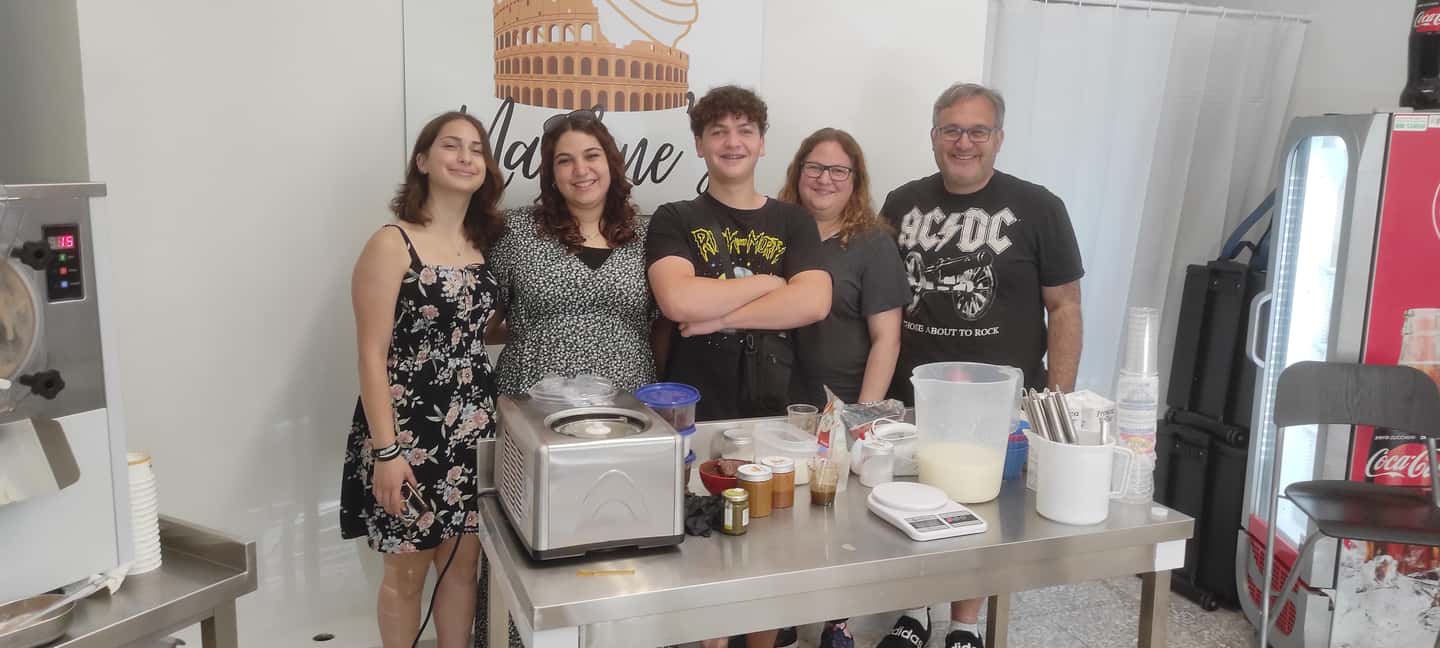
Gelato isn’t only about ingredients. Texture and mixing matter. This class spends time on the parts that usually trip people up at home: consistency, prep, and flavor balance.
Here’s what that means for your trip:
When you taste gelato in Rome, you’re surrounded by great options. But after this class, you’ll have a “lens” for why one scoop feels denser or smoother, or why one flavor tastes fuller. You’re not relying on vibes. You have a few tools and concepts in your head.
The “equipment conversation” is actually practical
You’re not handed a vague overview of machines. You get familiar with the gear used in gelato making. One of the nice perks from real classroom experience is that you might use more than one type of professional setup while making flavors, which helps you understand that tools affect texture.
Kosher context shows up, too
One extra detail that came up in instructor teaching is the significance of kosher at Marlene’s Gelateria. Even if you don’t need kosher information for dietary reasons, it adds context to how ingredient choices get organized and why certain processes matter.
Instructor style and language options
The instructor support is part of why this works in a small group. The class is led with professional guidance and can be taught in English, Italian, Arabic, and Hebrew.
In a workshop like this, language matters because you need to understand what’s changing in the mix and what the instructor expects from you. With a small group capped at 10 participants, you’re more likely to get the kind of help that keeps things smooth.
If you end up with an instructor like Ramon (seen in past sessions), expect clear, step-by-step guidance and lots of check-ins while you’re mixing and tasting.
Price and value: is $106 worth it in Rome?
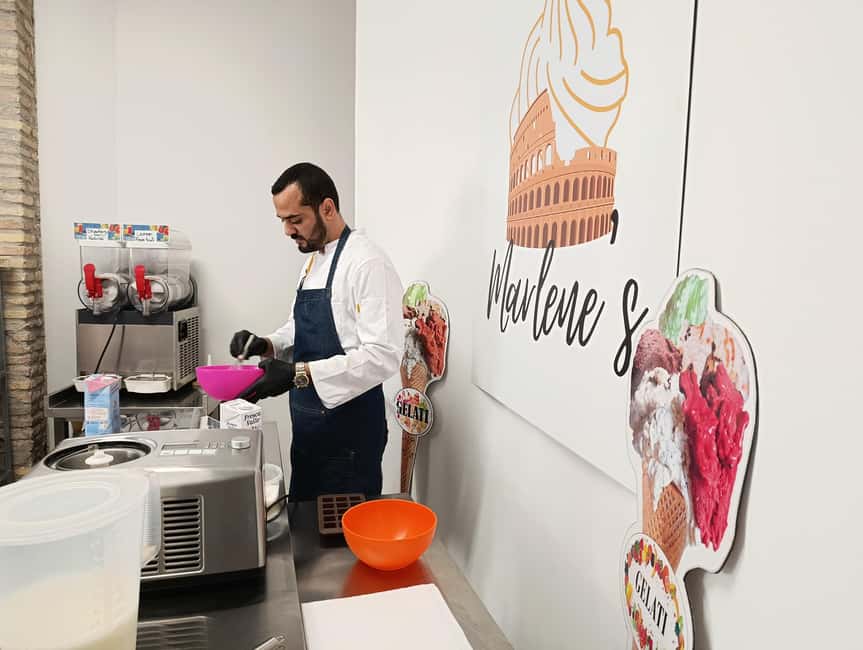
At $106 per person for 1.5 hours, this is a premium gelato experience. The question isn’t whether it’s expensive. It’s whether it covers what you’ll get.
Here’s what you’re paying for:
- Instruction on gelato making with fresh, natural ingredients
- Hands-on time making your own batch
- Tasting of all flavors in the shop
- An included cone or cup plus bottled water or a soft drink
- You can take home your handmade gelato
- Small-group attention (max 10)
So when does it feel like good value?
When gelato is your thing, and you want more than eating—you want technique. If you’re the kind of person who keeps thinking about the taste you had last week, this class gives you a path to recreate that feeling.
When does it feel like a stretch?
If you’re mainly after a casual snack break, you might be happier with a gelato stop and a cheaper food experience elsewhere. This is a dessert course with real instruction behind it.
Who should book this gelato cooking class
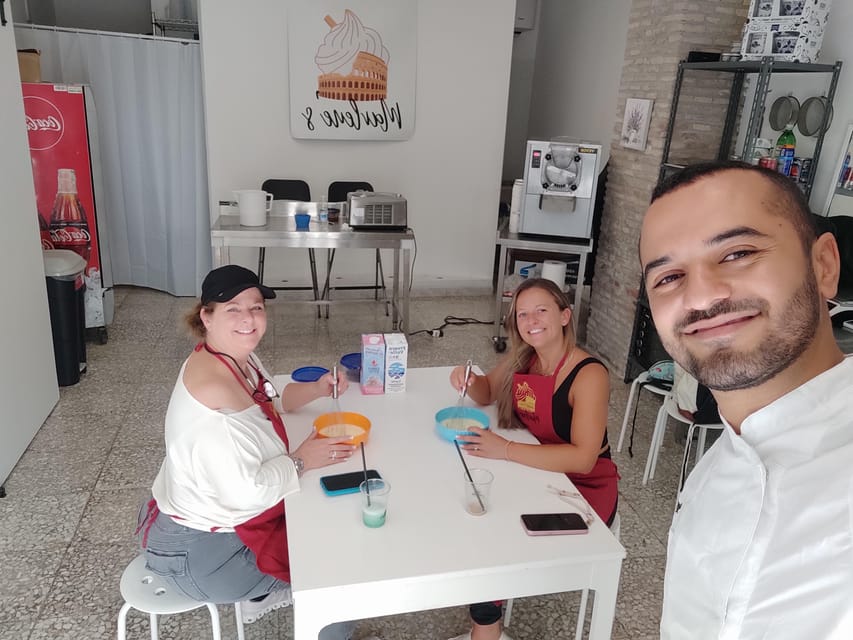
This class suits you if:
- You want a fun, hands-on activity in Rome that isn’t just sightseeing
- You like learning practical kitchen technique
- You enjoy tasting broadly, not one flavor at a time
- You’d enjoy leaving with a take-home treat you made yourself
It might be less ideal if:
- You have a tight budget and only want a quick sweet
- You prefer passive activities (because this is hands-on)
- You’re planning very late in the day and don’t want to manage take-home gelato logistics
Practical notes for a smooth experience
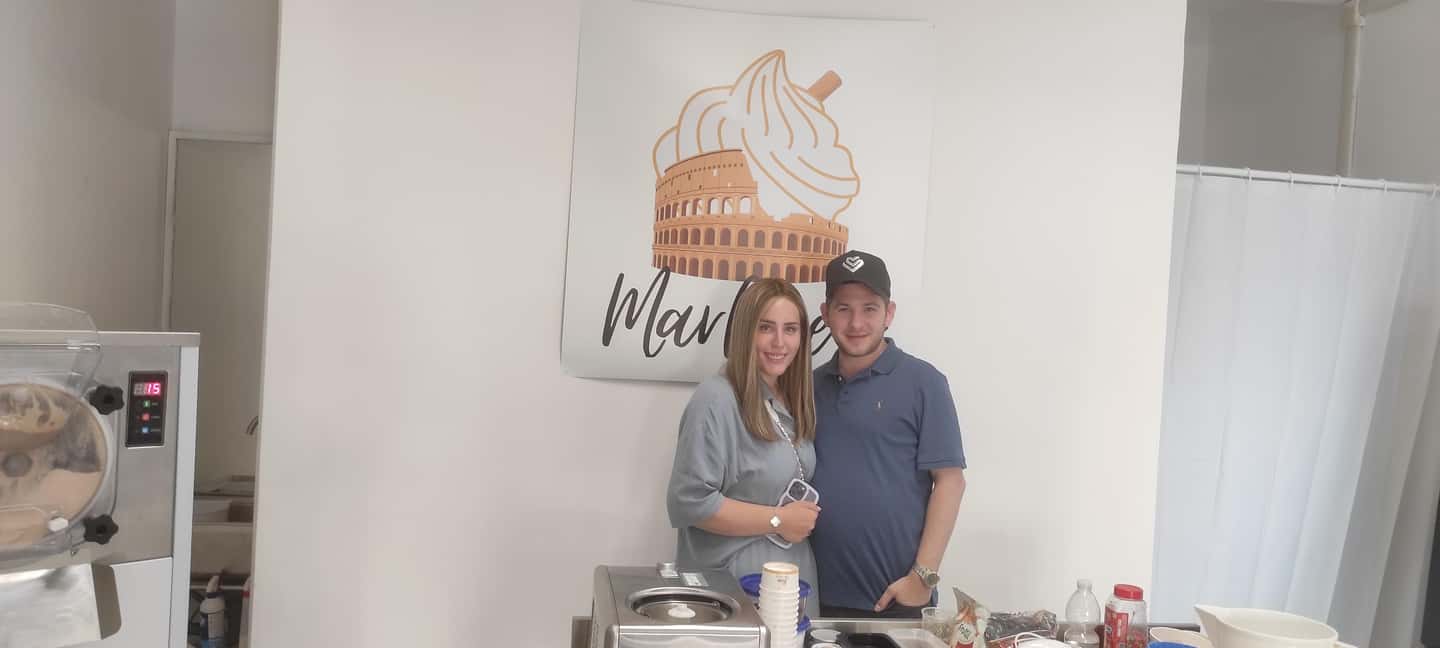
Go hungry, but pace yourself
You’ll make gelato and then taste the shop’s flavors. Plan for a real dessert session. Bring water energy, and don’t schedule a massive meal right before.
Expect flavor exploration
The class mentions classic options like vanilla and chocolate, and also more adventurous choices like pistachio and mango. If you’re indecisive, the tasting part helps you figure out what you truly like.
Small group means less waiting
With a limit of 10 people, the experience stays interactive. You’re not stuck watching others while you wait your turn.
Should you book this gelato class?
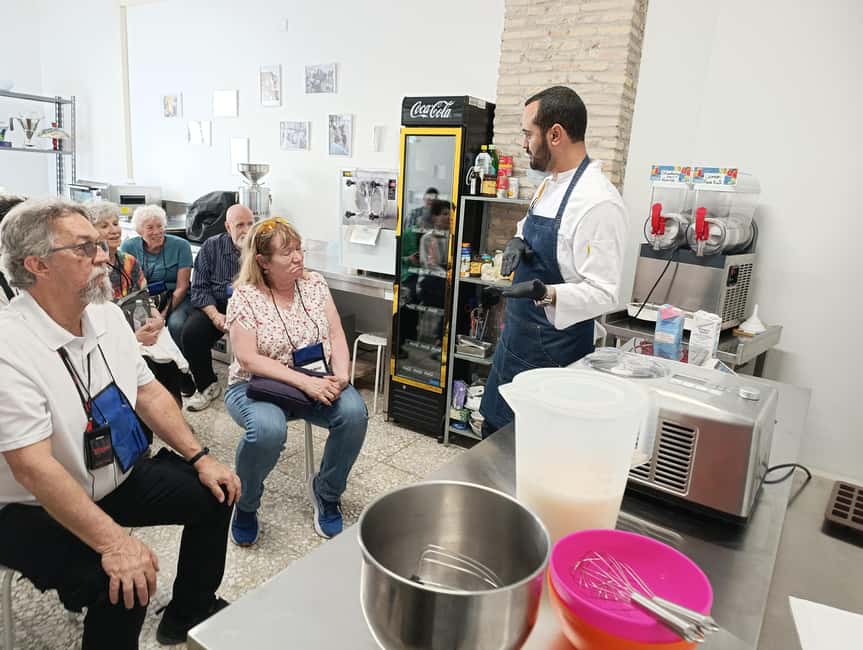
If you love gelato, I’d book it. The combination of hands-on making, natural-ingredient focus, and tasting all the flavors gives you far more than a single scoop experience. Add in the fact you can take home what you make, and the price starts to feel less like a snack tax and more like a skills-and-treat combo.
Skip it only if you’re looking for the cheapest dessert option. This is a craft class with tasting built in. If that matches your travel style, you’ll come away happy—and with a better understanding of why Italian gelato tastes the way it does.
FAQ
How long is the gelato cooking class in Rome?
The class runs for about 1.5 hours.
How many people are in each class group?
The group is limited to 10 participants, which keeps it small and more hands-on.
What languages are available for the instructor?
Instruction is offered in English, Italian, Arabic, and Hebrew.
Is the class wheelchair accessible?
Yes, the activity is listed as wheelchair accessible.
What is included in the price?
You get an explanation of gelato making, you make your own gelato with fresh natural ingredients, you enjoy gelato tasting in the shop, and you get one cone or cup plus bottled water or a soft drink.
Do I get to taste all the flavors at the gelateria?
Yes. The experience includes tasting in the shop so you can sample all the flavors.
Can I take gelato home?
Yes. After the class, you can take home your handmade gelato to share with family and friends.
What is the cancellation policy and can I pay later?
You can cancel up to 24 hours in advance for a full refund. You can also reserve now and pay later.