REVIEW · ROME
From Bones to Gods: Capuchin Crypt to Pantheon walking tour
Book on GetYourGuide →Operated by Rome - Tour · Bookable on GetYourGuide
Bones, gods, and a single walk. This 2-hour guided route strings together the eerie Capuchin Crypt (with its bone-and-museum stop) and the awe-inspiring Pantheon, with the Trevi Fountain in between. I love how the tour mixes the macabre with the monumental, so Rome feels like a single story instead of a pile of sights. I also like the live guide angle, because the best part is the legends and explanations that make each stop click.
One possible drawback: the whole experience is short, so you won’t have long, slow time at every corner. If you want lots of unstructured wandering or you’re a slow museum-goer, plan to add extra time on your own after the tour.
In This Review
- Key things I’d circle before you go
- Price and value: $76 for a guided ticket sprint
- Starting points, meeting up, and how the loop flows
- Capuchin Crypt: bones, rules, and why it’s worth the shock
- Trevi Fountain stop: coin-toss legend with a short, guided moment
- Pantheon: pagan temple to church, with guided clarity
- What I liked most: the guide factor (and how to make it work)
- Who this tour fits best (and who should choose another option)
- Practical tips: what to wear, bring, and plan around
- Should you book From Bones to Gods: Capuchin Crypt to Pantheon?
- FAQ
- How long is the tour?
- What does it cost?
- What’s included in the price?
- What sites does the tour cover?
- Where does the tour start and end?
- Are hotel pickup and drop-off included?
- What languages are available for the live guide?
- Are luggage or large bags allowed?
- What should I wear?
- Is cancellation free?
- Can I take photos in the Capuchin Crypt?
Key things I’d circle before you go
- Bone art meets big-time Rome: Capuchin Crypt, Trevi Fountain, and the Pantheon in one compact loop.
- Tickets are handled: Pantheon entry and Capuchin Museum entry are included in the price.
- A real local guide, not just a headset: Expect stories that connect the religious and political shifts across centuries.
- Trevi without the chaos: You get a guided 30-minute stop built into the route.
- Easy to fit into a tight schedule: At 2 hours total, it’s a good “first Rome” add-on.
- Dress and bag rules matter: No short skirts or sleeveless shirts, and no large luggage.
Price and value: $76 for a guided ticket sprint
At $76 per person for a 2-hour tour, this isn’t the cheapest way to see Rome. But it’s also not just a walking route with facts. You’re getting entry tickets to both the Pantheon and the Capuchin Museum, plus an expert local guide who keeps the pacing meaningful.
That matters in Rome, where “free” sights still cost you time and lines. When you’re paying for tickets plus guided interpretation, the value is in how much you get done without turning your day into a logistics puzzle. It’s a smart pick if you want the highlights, but you don’t want the planning headache.
That said, it’s still only 2 hours. Think of this as a concentrated dose, not a replacement for longer visits later.
You can also read our reviews of more walking tours in Rome


Starting points, meeting up, and how the loop flows
The meeting point can vary depending on which start option you book. You’ll see options around Barberini and Piazza della Minerva 72, and the tour can begin at different spots in that same general zone. The tour finishes at Piazza Barberini, which is convenient because you can continue your day nearby.
Here’s the practical part: since there’s no hotel pickup or drop-off, you’ll want to arrive a bit early and be ready to walk. The included time blocks are roughly:
- Capuchin Crypt visit with guided time (about 45 minutes)
- Trevi Fountain stop with guided time (about 30 minutes)
- Pantheon guided visit (about 30 minutes)
It’s a compact route, so wear shoes that can handle cobblestones and steady walking.
Capuchin Crypt: bones, rules, and why it’s worth the shock
Your tour opens at the Capuchin Crypt, where bone-and-art symbolism does the heavy lifting. The concept is simple but unsettling: human remains presented in a way that’s both ritual and visual. The experience can feel macabre, but it’s also a chance to understand how religion, death, and art shaped community life.
A couple of practical notes help you prepare:
- The crypt is not underground.
- Pictures aren’t allowed.
You’ll get a guided visit (about 45 minutes), which is key here. If you just walk in on your own, you can stare at the bones without fully grasping the story the place is telling.
The best guides I’ve seen referenced for this stop (names like Gabriela, Gabi, Alma, and Joseph) are praised for keeping the tone respectful while still making the history and meaning easy to follow. That balance is exactly what you want in a site like this, where shock and symbolism are closely tied.
Trevi Fountain stop: coin-toss legend with a short, guided moment
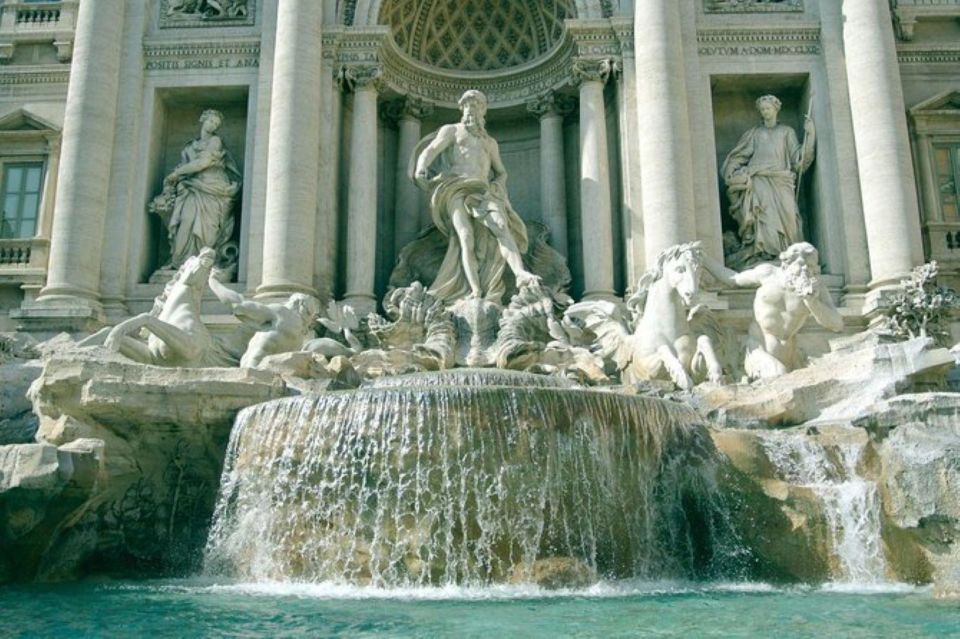
From the crypt, you move through central Rome and reach the Trevi Fountain for about 30 minutes of guided time. Yes, it’s famous. Also yes, it’s still worth seeing because it’s one of those places where you can feel the scale and craftsmanship even if you’ve seen photos for years.
The tour encourages the classic legend—toss a coin as a symbol to ensure your return to Rome. The legend part is fun, but the real value is that you get a guided pause long enough to notice details instead of just snapping a picture and running.
One thing to keep in mind: this is Rome. Even with guided timing, the fountain area can be busy. Your best strategy is to treat the 30 minutes as your chance to take in the design and then let the rest of your Rome day be calmer.
Pantheon: pagan temple to church, with guided clarity
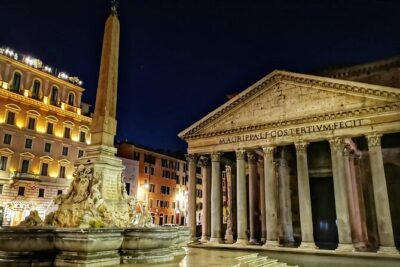
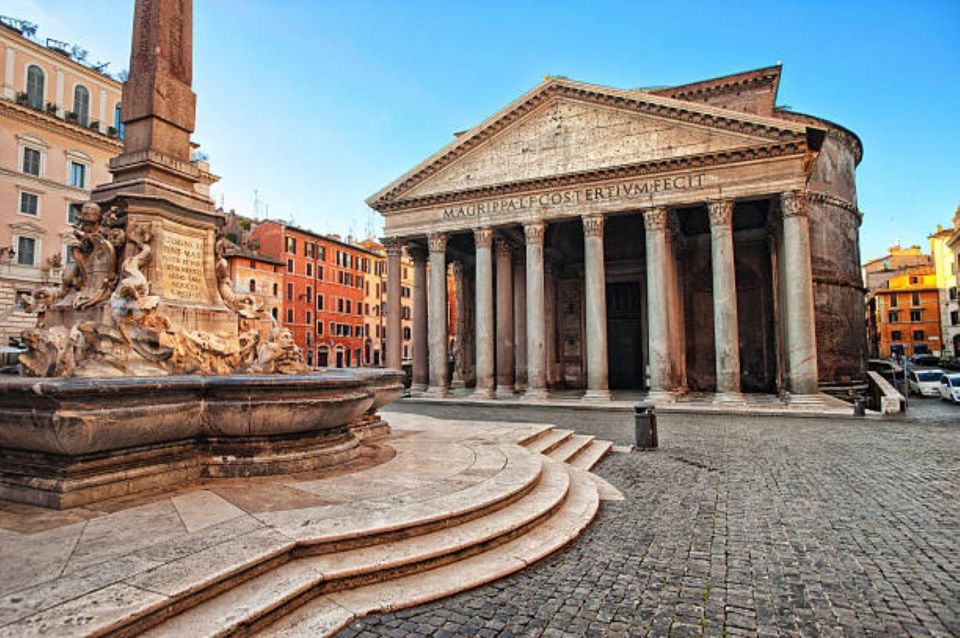
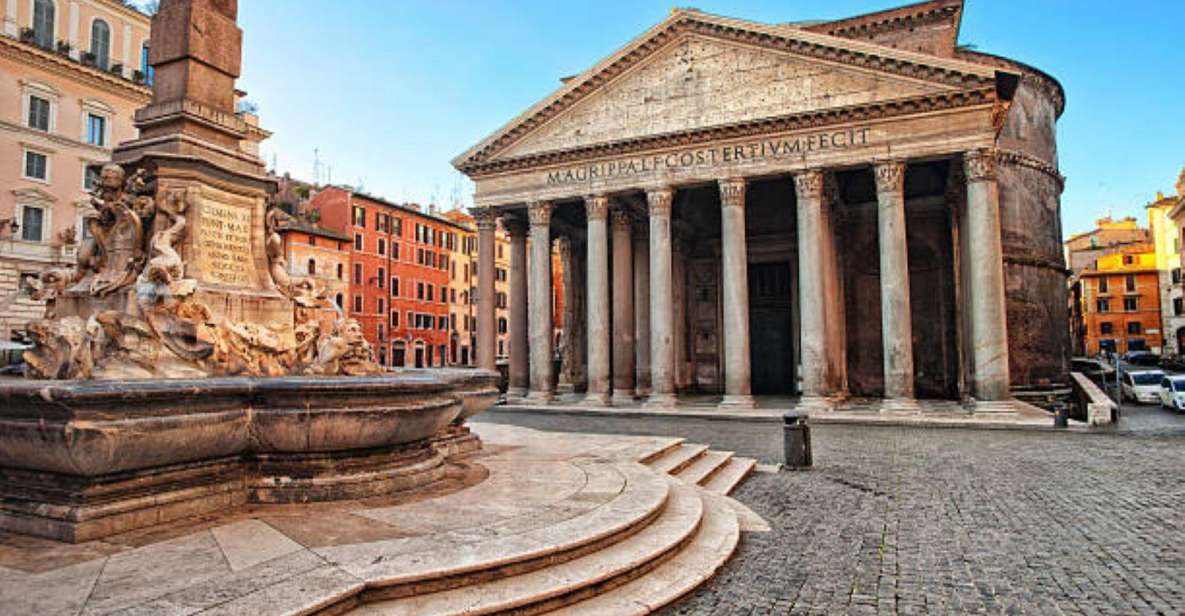
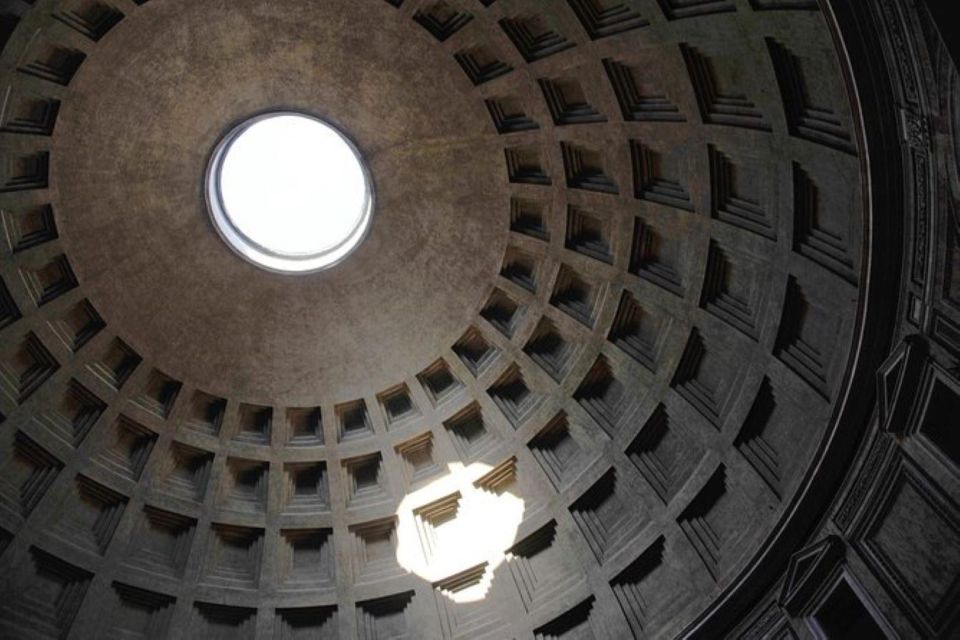
The tour ends at the Pantheon, one of Rome’s most durable showpieces, dating to around 25–27 B.C. You’ll be guided through a short, focused visit (about 30 minutes), with the guide sharing its layered past.
Here’s the core story in plain terms:
- It began as a temple associated with pagan Rome’s gods.
- Later, it was transformed into a church.
- It also became a mausoleum, adding another layer of meaning to the space.
This is the kind of monument where context changes everything. Walk into the dome without explanation and you mostly admire the architecture. Add the stories, and suddenly you’re reading the building like it’s been rewritten over centuries—religion, politics, and power all leaving marks.
Guides on this route are repeatedly praised for turning big-picture details into something you can actually picture. Names like Clara show up with strong feedback for helping people notice what they’d otherwise miss, including for families and for solo visitors who want to ask questions at their own pace.
Also, because the tour is end-focused, you’ll feel the emotional payoff. Bones to gods. That shift is the point.






What I liked most: the guide factor (and how to make it work)
This experience lives or dies by the guide. And the good news is that the guide quality here comes up again and again in the feedback you can see: people describe guides as passionate, engaging, and genuinely tuned in to what the group needs.
Here are the guide skills you should hope for:
- Clear explanations that connect the crypt’s symbolism to what came later in Rome.
- Respectful storytelling in the crypt and confident interpretation in the Pantheon.
- Time-management that keeps you from feeling rushed, even in a short 2-hour format.
- A willingness to answer questions—especially helpful if you’re traveling alone.
If you want the best experience, show up ready. Ask one or two questions early, then let the guide steer you. With a short tour, you’ll get more value from participation than from passively listening.
Who this tour fits best (and who should choose another option)
This tour is a strong fit if:
- You want major Rome highlights in one short block.
- You like guided storytelling, not just seeing landmarks.
- You’re a first-time visitor who wants a sense of Rome’s “before and after.”
- You’re traveling with teenagers who can handle deeper topics than the usual sightseeing list.
It’s also a good match if you’re traveling solo and prefer a human guide to bounce ideas off. One of the biggest wins of a guided route is that you don’t have to figure out what connects the sights—you just follow the thread.
Consider a different option if:
- You dislike “intense” sites. The crypt is eerie by design, even when explained respectfully.
- You need long time at a single monument. The Pantheon gets a guided visit, but it won’t be a slow, hour-long stay.
Practical tips: what to wear, bring, and plan around
Keep it simple:
- Wear comfortable shoes.
- The tour has rules: no luggage or large bags, no short skirts, and no sleeveless shirts.
- Bring the type of clothing you’d use for churches in Italy—coverage matters here.
Also, plan your day like this:
- Do it when you still have energy to absorb big impressions.
- After the tour, consider adding extra time around Piazza Barberini to reset your pace and keep the rest of your Rome day from feeling like a sprint.
Should you book From Bones to Gods: Capuchin Crypt to Pantheon?
I’d book it if you want a tight, high-impact Rome experience with tickets included and a guide who can translate the city’s shifts in religion and meaning into stories you can follow.
I wouldn’t book it if you need lots of free time, you’re strongly photo-focused at all sites, or you’d rather spend longer inside one place than connect three in two hours.
My advice for the decision: if your Rome goal is to understand what you’re seeing, and you like guided interpretation, this tour makes a lot of sense. The bones-to-gods arc is the selling point, and the guide-led structure is what makes it satisfying rather than just surprising.
FAQ
How long is the tour?
The tour duration is 2 hours.
What does it cost?
It costs $76 per person.
What’s included in the price?
You get an expert local guide, plus entry tickets to the Pantheon and the Capuchin Museum.
What sites does the tour cover?
It covers the Capuchin Crypt, a guided stop at Trevi Fountain, and a guided visit to the Pantheon.
Where does the tour start and end?
The meeting point may vary depending on your selected option. The tour finishes at Piazza Barberini.
Are hotel pickup and drop-off included?
No, hotel pickup and drop-off are not included.
What languages are available for the live guide?
French, English, Spanish, Arabic, Italian, Persian, Portuguese, Russian, German.
Are luggage or large bags allowed?
No. Luggage or large bags are not allowed.
What should I wear?
Avoid short skirts and sleeveless shirts. Wear comfortable shoes.
Is cancellation free?
Yes. You can cancel up to 24 hours in advance for a full refund.
Can I take photos in the Capuchin Crypt?
Pictures aren’t allowed in the crypt.