REVIEW · ROME
Fettuccine, Ravioli and Tiramisu Pasta Making in Rome
Book on GetYourGuide →Operated by Eat and Walk Italy · Bookable on GetYourGuide
Rome smells like fresh pasta today. You’ll learn fettuccine and ravioli from flour and eggs, then finish with a made-from-scratch tiramisu you can savor in the middle of Rome. I especially like the hands-on rhythm: roll, cut, stuff, cook, and eat in one tight 3-hour session. The one thing to consider is that $82 per person is a real splurge if you’re only after a quick food taste, not a skill you’ll take home.
This class meets at Gusto Restaurant, Via Giuseppe Zanardelli 14, in a central spot that’s easy to reach once you’re already walking around Rome. You get an English-speaking instructor, and the pace is designed so you can actually finish what you start. If you want a fun break from temples and timelines, this is the kind of hands-on meal class that turns your day into a small story you’ll remember.
In This Review
- Key Points I’d Prioritize Before You Go
- How The 3-Hour Class Works (And What You Actually Eat)
- Gusto Restaurant In Central Rome: The Practical Advantage
- Tiramisu Steps First: Why Starting With Dessert Helps
- Fettuccine From Flour And Eggs: The Skill That Transfers
- Stuffed Ravioli: Rolling, Filling, and Shaping
- Wine, Limoncello, and The Meal Part That Feels Like Rome
- Price and Value: Is $82 Worth It?
- Who This Class Suits Best (And Who Might Skip It)
- A Few Small Tips to Make Your Day Easier
- Should You Book This Fettuccine, Ravioli, and Tiramisu Class?
- FAQ
- FAQ
- How long is the pasta-making experience?
- Where do I meet the chef?
- What dishes will I learn to make?
- What sauces and accompaniments are included?
- Are drinks included?
- Is the class taught in English?
- Is the price $82 per person?
- Is the class suitable for children?
- Are pets allowed?
- What’s not included in the price?
Key Points I’d Prioritize Before You Go
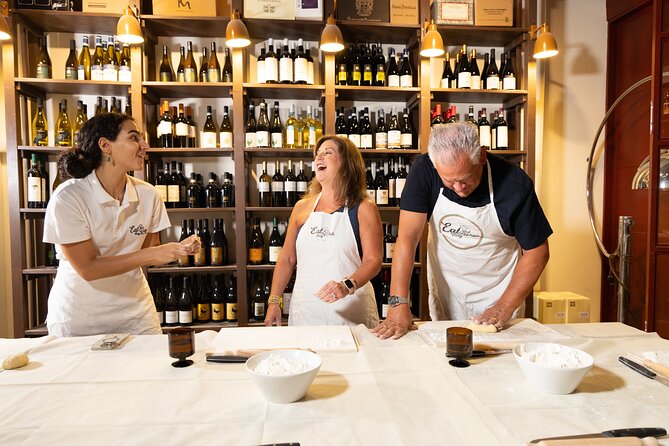
- You make three things: homemade fettuccine, stuffed ravioli, and tiramisù from scratch.
- Two pasta formats, different skills: flat pasta rolling/cutting plus filling and shaping ravioli.
- Sauce choices for fettuccine: tomato and basil, cacio e pepe, or Amatriciana.
- Simple, classic ravioli finish: butter and sage.
- You eat with drinks included: wine or non-alcoholic beverage, plus limoncello or coffee.
- English instruction and wheelchair accessible: good for a wide range of visitors.
How The 3-Hour Class Works (And What You Actually Eat)
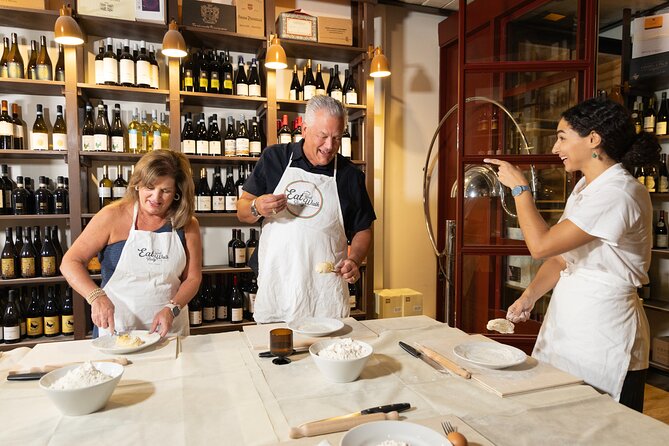
Think of this as a tight cooking sprint with a payoff. In about three hours, you’ll go from raw ingredients to finished pasta and dessert, then sit down and eat what you made. That matters in Rome, where “food experiences” can sometimes be mostly watching. Here, you’re doing the work.
You start with tiramisù: ingredients and the tools you need, then the steps that turn them into a proper dessert. After that, you shift to pasta: you’ll learn the basics of making dough from flour and eggs, then produce two shapes—fettuccine and stuffed ravioli. Finally, you taste everything together, including a glass of wine or a non-alcoholic drink.
The class is designed to feel like a meal with training built in, not a lecture. You leave with a clear sense of what makes each dish work: dough consistency, how filling changes the texture, and why tiramisù is all about timing and assembly.
You can also read our reviews of more cooking classes in Rome

Gusto Restaurant In Central Rome: The Practical Advantage
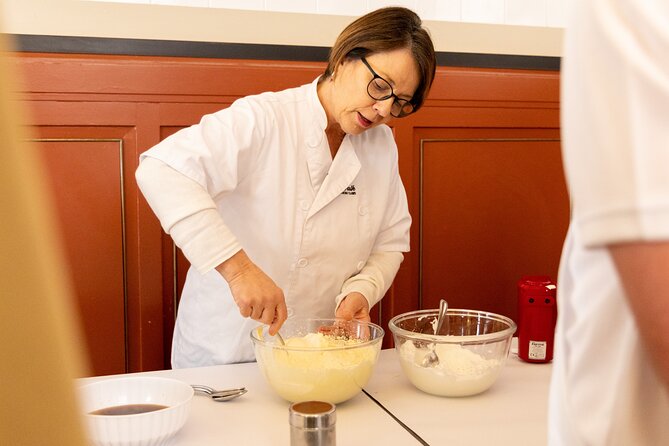
Meeting at Gusto Restaurant (Via Giuseppe Zanardelli 14) keeps things straightforward. You’re not trying to find some far-flung kitchen outside town. You can tack this onto a day of walking, then still have time to roam after you eat.
Arrive about 10 minutes early. That gives you time to settle in, meet your chef, and avoid that last-minute scramble that always steals focus from cooking. The instructor works in English, which is a big deal for a class like this where small technique details matter.
There’s also a real comfort factor: the location is described as cozy and central. A smaller, calmer setting helps when you’re learning dough and timing a sauce, because you can actually hear instructions over flour dust and stovetop noise.
One more practical note: pets aren’t allowed. If you’re traveling with an animal companion, you’ll need to make other arrangements.
Tiramisu Steps First: Why Starting With Dessert Helps
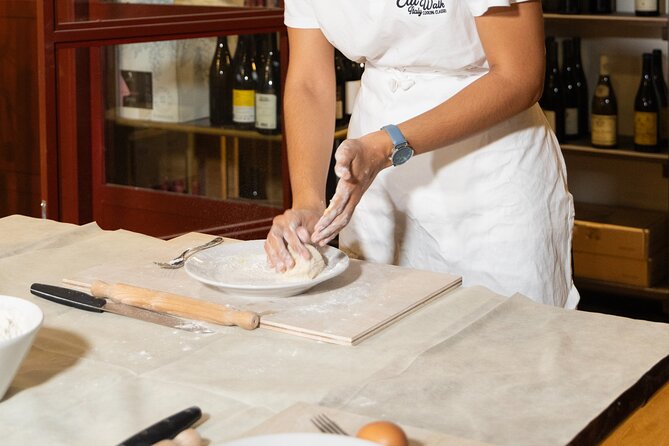
Most pasta classes start with dough and end with dessert. This one flips the order, beginning with tiramisù. I like that, because tiramisù is built in stages: you learn the core technique early, then later you’re not rushing at the end trying to remember every step.
You’ll start by learning how to make tiramisù with the necessary ingredients and tools. Then, with the chef’s guidance, you put it together so you can bring the finished result to the shared tasting. The best part is that you’re not just sampling an existing dessert. You’re making one.
Tiramisu is also a good “confidence builder” in a cooking class. Even if your pasta dough has a learning curve, tiramisù is more forgiving in texture than fresh pasta. It’s a dessert where the structure matters, but you’re not trying to achieve restaurant-perfect shapes like you are with ravioli.
Fettuccine From Flour And Eggs: The Skill That Transfers
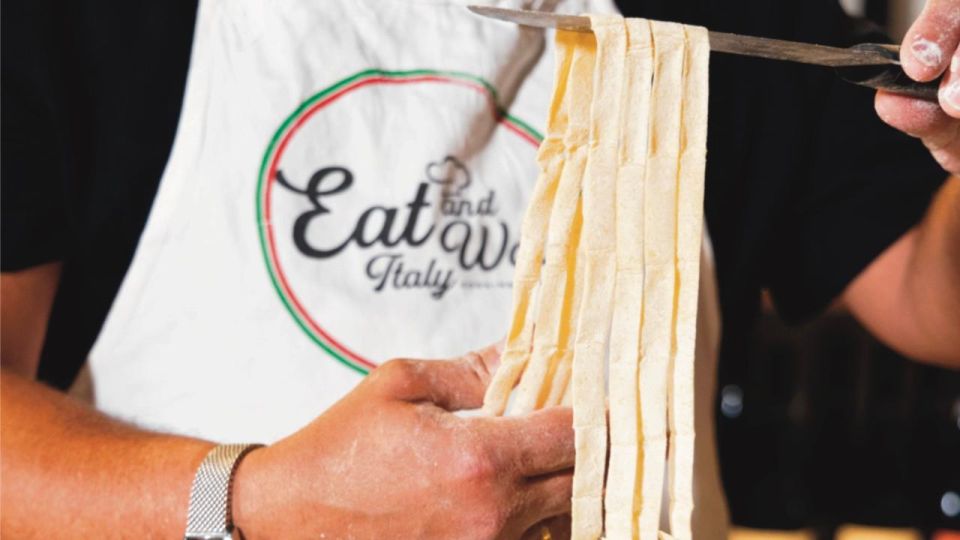
This is the core of the experience: learning homemade fettuccine from scratch. You begin with flour and eggs, so you understand what’s actually happening instead of relying on packaged shortcuts. Rolling dough is where most people discover the real difference between homemade and bought pasta. Store-bought is consistent. Homemade is personal.
You’ll work with the chef’s guidance while learning the steps that turn simple ingredients into workable dough. Then you’ll shape it into fettuccine, which means you’re learning how thickness and cutting affect the final bite.
After that comes the meal reward: your fettuccine is served with a sauce of your choice. You can go with tomato and basil, cacio e pepe, or Amatriciana. Each one changes the experience:
- Tomato and basil feels lighter and more herb-forward.
- Cacio e pepe emphasizes cheese and pepper, so you notice how well your pasta holds sauce.
- Amatriciana brings a richer, more savory punch.
That choice is smart for value. You aren’t stuck with one “chef’s pick” sauce. You get to match the meal to your taste.
Also, the method matters. If you learn how the dough should feel, you can recreate something similar later at home, even if you never remember every minute detail.
Stuffed Ravioli: Rolling, Filling, and Shaping
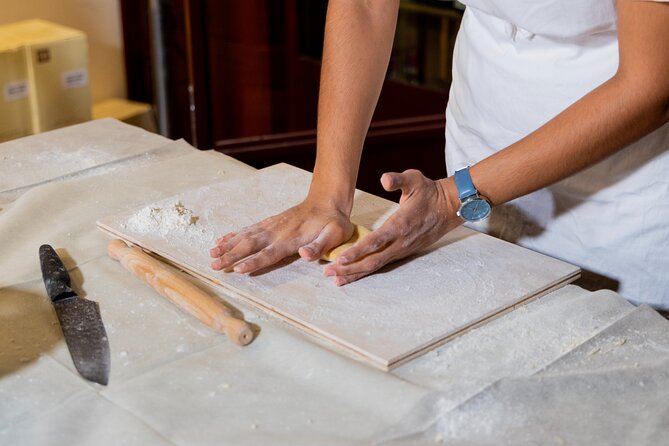
Ravioli is where the class becomes more than “just pasta.” Making stuffed ravioli asks you to think about more than shape. You have to handle filling without overstuffing, then seal in a way that won’t fall apart when cooked.
Here, you’ll craft the ravioli alongside the chef’s instruction, starting from that same dough base made from flour and eggs. That continuity helps. You’re not learning two unrelated methods. You’re learning a foundation, then applying it to two different pasta outcomes.
When it’s time to eat, the ravioli are served with butter and sage. That’s a classic pairing because it keeps the flavor clean and lets you taste the pasta and filling together. Butter coats, sage adds aroma, and you can tell how your dough cooked once you bite in.
Ravioli is also a great “learning trophy.” If you’ve ever bought ravioli and wondered why homemade tastes different, this is the moment you’ll understand it: dough thickness, sealed edges, and how the filling cooks inside.
If you’re nervous about technique, don’t be. This class is set up so you can learn by doing, not by being perfect on your first try.






Wine, Limoncello, and The Meal Part That Feels Like Rome
The food is the star, but the “eat together” portion is part of the value. You get a glass of wine or a non-alcoholic beverage. Then you also get a glass of limoncello or coffee. Water is included as well.
This is practical for planning. You don’t need to budget for every drink on the spot. You also avoid the awkward moment of trying to find a café immediately after you’re done cooking.
One more detail that matters: alcoholic beverages aren’t included for participants under 18. If that’s relevant to your group, you’ll know in advance what’s included and what won’t be.
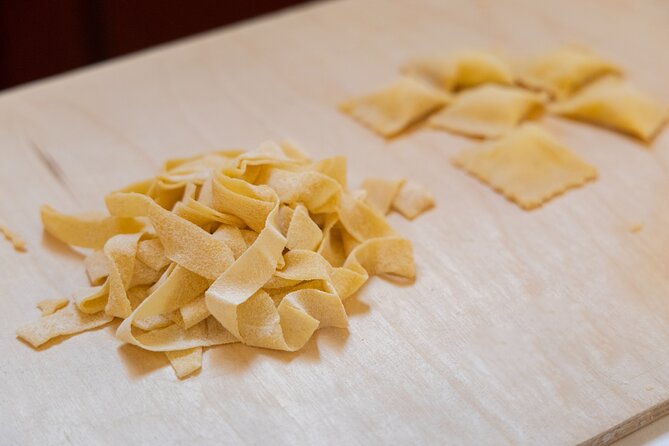
And yes, you’ll taste everything you made. You’ll sample the fettuccine, the ravioli, and finish with your tiramisù alongside fellow participants.
Price and Value: Is $82 Worth It?

At $82 per person for three hours, this isn’t a budget activity. But it’s not just paying for dinner. You’re paying for instruction, ingredients, and a guided process that turns raw basics into multiple finished dishes.
Here’s why I think it can be good value if you care about hands-on food:
- You get to make three dishes from scratch, not just watch.
- You choose between multiple sauce options for the fettuccine.
- Drinks are included (wine or non-alcoholic beverage), plus limoncello or coffee.
- The class lasts long enough for real technique work, not a quick demo.
If you only want a light snack and a photo, you’d probably do better with a casual meal in Rome. But if you want a memorable activity that doubles as dinner and dessert, the pricing starts to make sense.
Who This Class Suits Best (And Who Might Skip It)
I’d point you to this class if you:
- Want a hands-on experience in central Rome.
- Like cooking enough to actually learn steps you can repeat.
- Want a meal plus training, with classic Roman/Italian flavors.
It’s also a strong fit if you need an English-led activity. The instructor is English-speaking, and the workshop style is built for visitors who want clarity while cooking.
You may want to skip it if:
- You’re traveling with very young kids. It’s not suitable for children under 4 years.
- You’re expecting a sightseeing-first day. This is a kitchen-focused experience.
- You’re bringing pets. Pets aren’t allowed.
A Few Small Tips to Make Your Day Easier
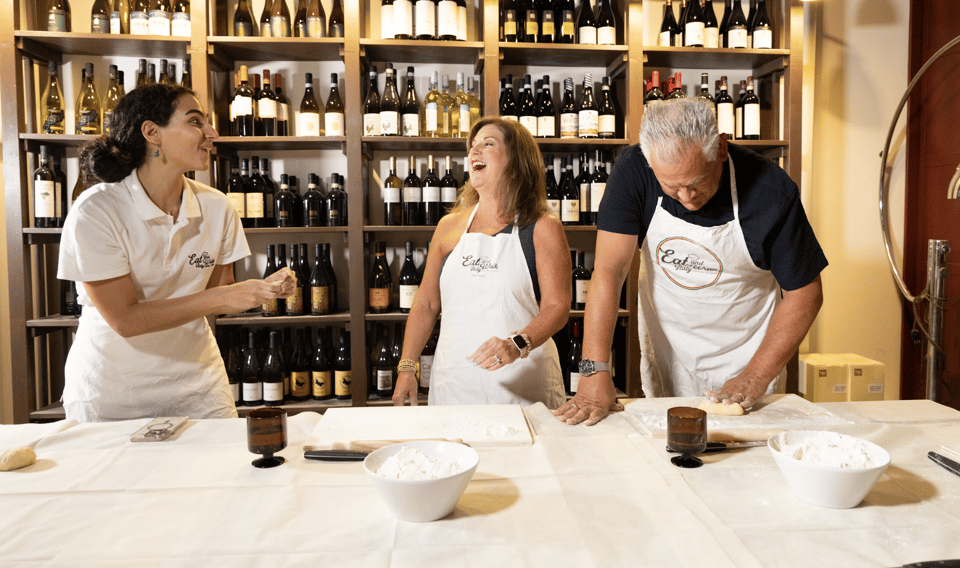
You’ll get the most from this class if you treat it like cooking time, not like a casual stroll.
- Wear comfortable clothes and plan for the possibility of flour on hands or sleeves.
- Eat before you’re starving. The class includes your meal, but you’ll enjoy the work more if you start with some energy.
- Arrive about 10 minutes early so you can settle in without rushing.
Also, decide your fettuccine sauce choice early in your thinking. Tomato and basil, cacio e pepe, and Amatriciana each create a different experience, and you’ll taste more if you know what you’re craving.
Should You Book This Fettuccine, Ravioli, and Tiramisu Class?
If you want a real food skill, I’d say yes. This is the kind of Rome activity that gives you more than memories. You learn to make fresh dough-based pasta and build a classic dessert. Then you eat it while it’s still part of the experience.
It may not be the best choice if you’re strictly budget-minded or if you want mostly sights. At $82, you’re paying for instruction and multiple dishes, plus drinks. For the right mindset, that cost feels fair.
If you book, go in expecting a fun, structured class—not a fast tasting. And look out for the chef leading your session. In at least one recent experience, the chef named Andre made the class especially enjoyable and guided participants through tiramisù, noodles, and ravioli.
FAQ
FAQ
How long is the pasta-making experience?
It lasts 3 hours.
Where do I meet the chef?
You meet your chef at Gusto Restaurant, Via Giuseppe Zanardelli 14. Arrive 10 minutes before the class starts.
What dishes will I learn to make?
You’ll learn to make homemade fettuccine, stuffed ravioli, and tiramisù.
What sauces and accompaniments are included?
Your fettuccine comes with a sauce you choose: tomato and basil, cacio e pepe, or Amatriciana. Your ravioli is served with butter and sage.
Are drinks included?
Yes. You’ll get a glass of wine or a non-alcoholic beverage, plus a glass of limoncello or coffee, and water.
Is the class taught in English?
Yes, the instructor is English-speaking.
Is the price $82 per person?
Yes, the price listed is $82 per person.
Is the class suitable for children?
It’s not suitable for children under 4 years.
Are pets allowed?
No, pets are not allowed.
What’s not included in the price?
Tips or gratuity and any additional food or beverages not listed in the inclusions are not included.