REVIEW · ROME
Cesarine: Small group Pasta & Tiramisu class in Rome
Book on Viator →Operated by Cesarine: Cooking Class · Bookable on Viator
Rome gets tastier at a family dinner table. In this Cesarine small-group class in Rome, you cook Roman comfort food with a host right in their own home, not in a big tour kitchen.
I especially like that it’s hands-on in a small group, so you actually get time at the counter. And I love the fact that you’ll make both pasta and the classic tiramisu, then sit down to eat what you made.
One consideration: this is a cooking-focused 3-hour experience, so it’s not built for sightseeing stops or wandering around at your own pace. You’re there to cook, eat, and learn the method.
In This Review
- Key Things I’d Tell a Friend Before Booking
- A Roman Home Kitchen, Not a Big-Pasteur Table
- What You’ll Cook: Fresh Pasta, Filled Pasta, and Tiramisu
- Fresh pasta (your main)
- Filled pasta (the hands-on bonus)
- Tiramisu (the iconic finish)
- How the 3 Hours Usually Run in Practice
- 1) Welcome and setup in a local home
- 2) Fresh pasta lesson: from dough to shape
- 3) Filled pasta step: portioning and sealing
- 4) Tiramisu: timing and assembly
- 5) Eat what you made, with included drinks
- Drinks, Meal Style, and Why That Choice Helps
- Small Group Size: The Real Comfort of Learning in a Crowd
- Price and Value: Why $105.28 Makes Sense Here
- Who This Class Is Best For (and Who Should Rethink It)
- Should You Book Cesarine Pasta & Tiramisu in Rome?
- FAQ
- FAQ
- How long is the Cesarine Pasta & Tiramisu class?
- What language is the class offered in?
- What dishes will I make during the class?
- Is lunch or dinner included?
- Are drinks included with the meal?
- Where does the tour start and end?
- Is there a mobile ticket?
- How large are the groups?
- What’s the cancellation policy?
Key Things I’d Tell a Friend Before Booking
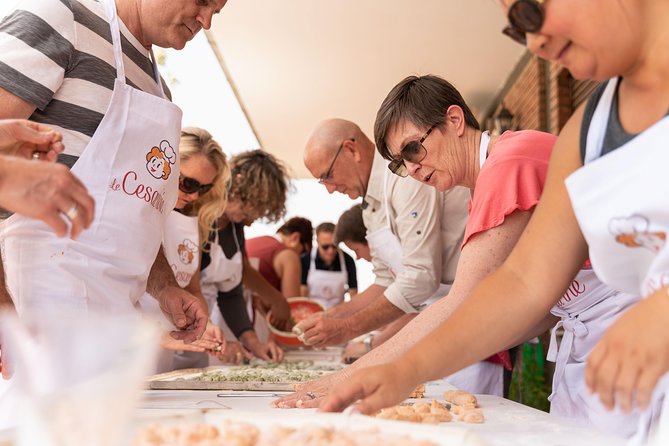
- Home-kitchen cooking: You join a local Italian host in their home, with the class centered on their way of doing things.
- Fresh pasta first: You’ll make a main fresh pasta dish in the style of Rome.
- Filled pasta practice: You’ll also prepare filled pasta, like ravioli, as part of the session.
- Scratch tiramisu: The iconic dessert is part of the class, not an afterthought.
- Lunch or dinner choice: Pick the option that fits your day, then enjoy included drinks with your meal.
A Roman Home Kitchen, Not a Big-Pasteur Table
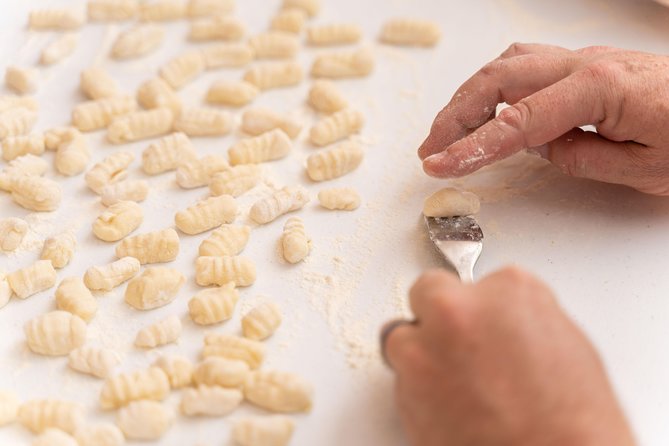
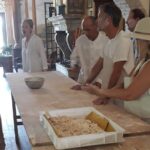
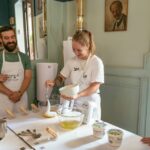
Cesarine’s Pasta & Tiramisu class is built around one simple idea: cooking in a real Roman home. You’ll be welcomed by your host as if you’re part of their day, and that changes the tone. Instead of watching someone else work, you’re right there with flour on your hands and a plan in front of you.
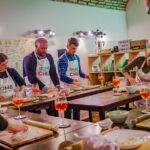
The small-group size matters here. With a maximum of 12 people for the class experience (and an overall cap of 20 travelers for the activity), you’re less likely to get lost in the shuffle. That means you can ask questions, get help with technique, and move through steps at a pace that’s still social but not chaotic.
Also, the class is offered in English, which keeps the focus on what you need to know: what to do, why it matters, and how to troubleshoot when dough gets stubborn. You’ll still hear Italian cooking terms (because you’re in Italy), but the lesson stays understandable.
You can also read our reviews of more cooking classes in Rome

What You’ll Cook: Fresh Pasta, Filled Pasta, and Tiramisu
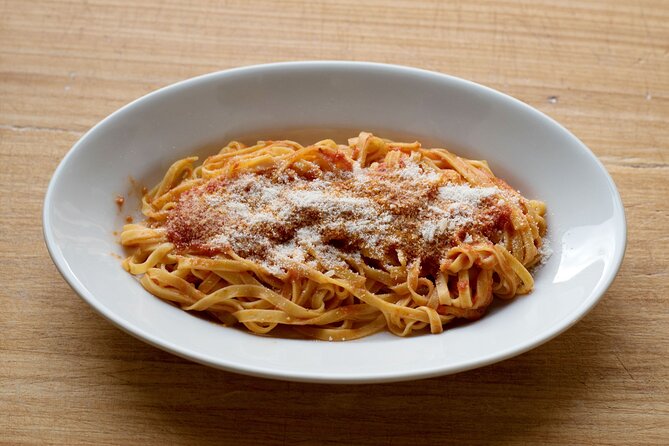
You’re not doing a one-dish workshop. The menu is structured like a proper meal, with multiple skill sets.
Fresh pasta (your main)
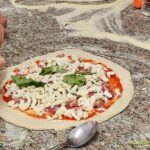
You’ll make fresh pasta and choose from Roman-style options such as fettuccine, rigatoni, bucatini, or gnocchi. That selection matters because the shape changes the sauce behavior. Even if you’re not eating a fancy plated course, you learn the practical part: how pasta types behave and what textures you should aim for when you’re rolling, cutting, or shaping.
Filled pasta (the hands-on bonus)
The class includes filled pasta. In at least one instance of this experience, the group made ravioli alongside tiramisu. If you’re the kind of person who learns best when you’re doing the hard part yourself, filled pasta is where the technique clicks: portioning, sealing, and handling dough without overworking it.
Tiramisu (the iconic finish)
Then comes the big-name dessert: tiramisu. This is the part where you often see the biggest difference between homemade and pre-made versions. The class gives you the steps and timing you need to get it right, not just to make it edible. You’ll also finish with the kind of satisfaction that comes from eating something you made in the same room you cooked it.
You can also read our reviews of more tours and experiences in Rome

How the 3 Hours Usually Run in Practice
Even though you won’t be hopping between multiple landmarks, the time still needs to feel like a story. Here’s how this experience typically plays out in real life, based on how the class is described and what’s included.
1) Welcome and setup in a local home
You arrive near public transportation and meet up at the Rome start point. Then your host gets things going. In a home setting, this usually means you’ll get a quick orientation: where ingredients and tools are set up, how the workflow will move, and what you’ll be making during the class.
One nice detail is the attention to hygiene. The homes provide essential sanitary equipment like paper towels for washing hands and hand sanitizing gel. They also note that hosts keep the necessary sanitary rules, including maintaining 1 meter distance when possible, and wearing masks and gloves if that’s not possible.
2) Fresh pasta lesson: from dough to shape
Next you focus on fresh pasta. Expect to spend real time on dough work and shaping. The goal isn’t speed; it’s consistency. Your host will guide you through the method so you understand what the dough should feel like as you go—because that’s what lets you repeat the results later, even if you don’t live near Rome.
3) Filled pasta step: portioning and sealing
After the first pasta, you move into filled pasta. This is the part that rewards patience. Filled pasta demands a steady hand and attention to detail, especially when it comes to sealing. If you’ve ever found that homemade ravioli opens while cooking, you’ll understand why this portion of the class is worth learning from someone who makes it often.
4) Tiramisu: timing and assembly
Then you shift gears to dessert. Tiramisu is often where people struggle because it’s not just about ingredients; it’s about layering and timing. You’ll build it during the class so you can see how it should look as it’s assembled.
5) Eat what you made, with included drinks
At the end, you sit down and enjoy the meal. This part is more than just included food. It’s how you actually learn. You can compare what you thought would happen while cooking with what happens when you eat it.
Drinks, Meal Style, and Why That Choice Helps
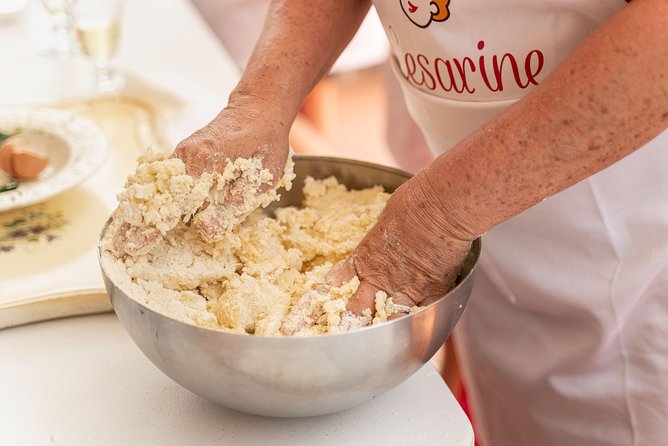
A lot of cooking classes include food, but this one also includes drinks with the meal. The included list is water, wines, coffee, and bubbles. That means your dining time feels like a real Italian pause, not a quick bite before the class wraps.
You also get a choice between lunch or dinner options. That may sound like scheduling trivia, but it’s a big value point in Rome. If you’re trying to fit other sights into your day, choosing lunch can help you avoid rushing. If your plans run later, dinner can keep the class from stealing the best part of your morning or afternoon.
Practical thought: if you want maximum comfort, pick the slot that matches your energy. Cooking classes are fun, but you’ll be on your feet and using your hands. Booking at a time when you’re not already exhausted makes a huge difference in how much you enjoy the session.
Small Group Size: The Real Comfort of Learning in a Crowd
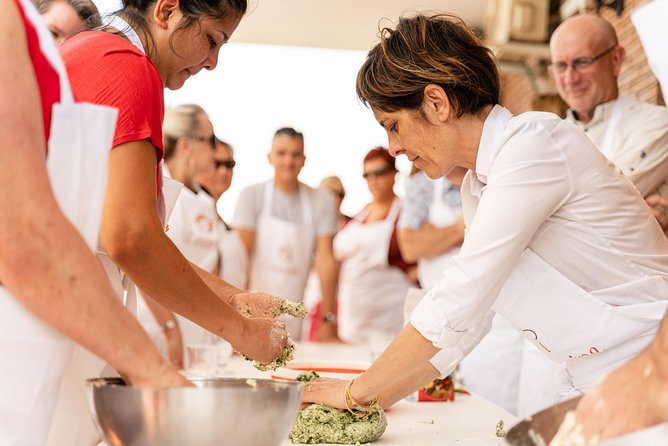
Here’s the honest benefit of the small group: you’re not just paying for access to a kitchen. You’re paying for attention. With up to 12 in the class experience, you can get help when your dough won’t cooperate or your filled pasta needs a second look.
You’ll also find the vibe is more social than staged. One of the experiences described a host named Roberta as gracious and skilled, and that lines up with what you want in a home class. When the host treats you like a guest and not a ticket number, you relax enough to learn.
This is also why it’s easier to ask follow-up questions in a home setting. You’re surrounded by people who are also learning, not just watching.
Price and Value: Why $105.28 Makes Sense Here
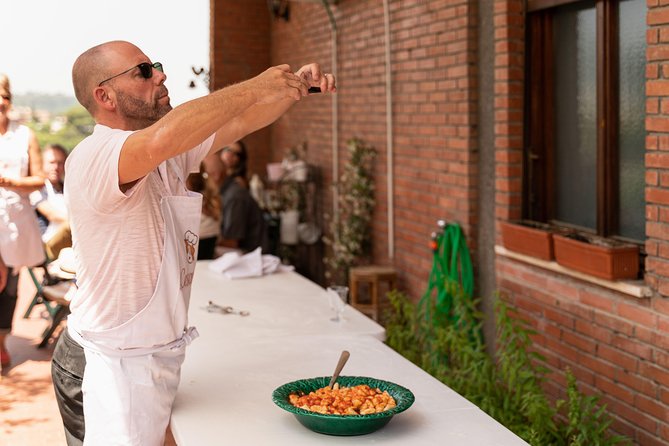
At $105.28 per person for about 3 hours, the first question is always: what are you actually getting?
You’re paying for:
- A hands-on cooking experience making multiple dishes (fresh pasta, filled pasta, tiramisu)
- A small-group format (up to 12 in the class experience)
- A local home setting with a host
- Included meal and drinks: water, wines, coffee, and bubbles
- Instruction offered in English
So the value isn’t just the food. It’s the combination of teaching + eating + ambiance + included drinks. If you try to recreate this on your own in Rome, you’d spend time and money sourcing ingredients and paying for instruction. Here, the setup is already handled, and you go home with practical knowledge you can actually use.
Also, the fact that it’s in local homes often means you get a more natural rhythm than a commercial classroom. You’re there for a meal that feels like it belongs in Rome, not like a themed performance.
Who This Class Is Best For (and Who Should Rethink It)
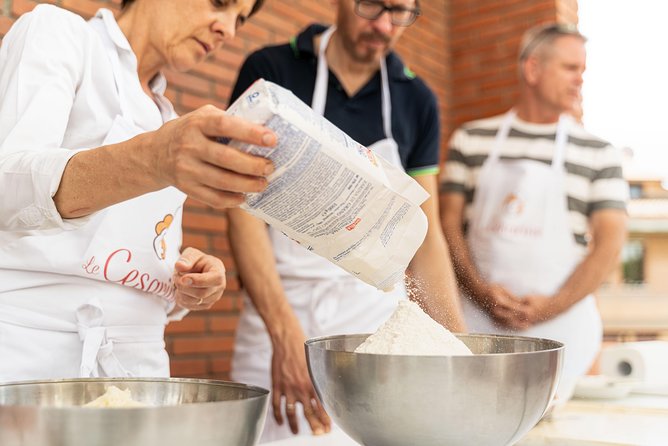
This cooking class is a great match if you:
- Want real skills, not just photos
- Like small groups and hands-on learning
- Enjoy Roman comfort food and want to understand how it’s made
- Appreciate eating what you cook, right then
It may be less ideal if you:
- Want a sightseeing-heavy itinerary with lots of walking and landmark time
- Prefer purely passive experiences (this one requires you to work)
- Have strong limits around getting messy (cooking always leaves a few traces)
If you enjoy the idea of spending a few hours in someone’s home kitchen, learning the method behind Roman dishes, and finishing with tiramisu, this experience fits.
Should You Book Cesarine Pasta & Tiramisu in Rome?
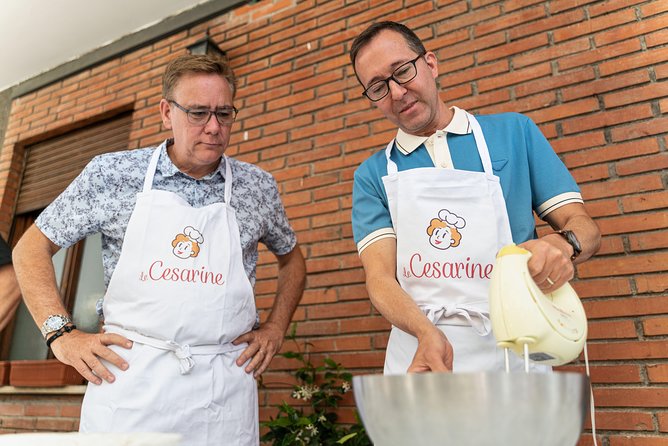
Yes, if you want a hands-on Roman meal experience that feels personal. The combination of fresh pasta, filled pasta, and tiramisu in a small group is exactly the kind of travel memory that turns into real-world cooking later. Add in included drinks and the lunch-or-dinner flexibility, and it’s a straightforward value play.
Book it especially if you care about learning technique, not just collecting tastings. And if you’re trying to make Rome feel less like a checklist and more like a lived-in place, this home-kitchen format is a smart way to do that.
FAQ
FAQ
How long is the Cesarine Pasta & Tiramisu class?
It lasts about 3 hours.
What language is the class offered in?
The class is offered in English.
What dishes will I make during the class?
You’ll prepare fresh pasta (with options like fettuccine, rigatoni, bucatini, or gnocchi), filled pasta, and tiramisu.
Is lunch or dinner included?
You can choose between lunch or dinner options.
Are drinks included with the meal?
Yes. The meal includes water, wines, coffee, and bubbles.
Where does the tour start and end?
It starts in Rome, Metropolitan City of Rome Capital, Italy, and ends back at the meeting point.
Is there a mobile ticket?
Yes, it includes a mobile ticket.
How large are the groups?
The class is described as a maximum of 12 people, and the activity is noted as having a maximum of 20 travelers.
What’s the cancellation policy?
Free cancellation is available. You can cancel up to 24 hours in advance for a full refund.