REVIEW · ROME
Authentic Pasta and Tiramisu Cooking Course in Spanish Steps
Book on Viator →Operated by cheforaday · Bookable on Viator
Fresh pasta beats another museum day. This Rome pasta and tiramisu cooking course is a practical, hands-on way to learn Italian cooking skills using simple ingredients and real technique, not just watching from the sidelines.
I like that the chef guides you step by step, showing how a handful of flour turns into dough you can work with. I also like the personal touch: you make your own tiramisu and get to take that skill home. The one watch-out is that the sit-down meal part can feel a bit basic for the price, especially if you were expecting extra sides beyond what you make.
Ricardo is one of the instructors who brings energy and humor to the room, and the class comes with a certificate so you can prove you can actually do this. Just keep in mind it’s a class focused on technique, and the food service may be light rather than a full restaurant-style feast.
In This Review
- Key things to know before you go
- Learning Pasta Dough by Hand, Not by Guesswork
- What the 2 Hours Actually Cover
- Starting point: V. della Croce, 34
- Pasta prep: from flour to workable dough
- Sauce note: it’s not part of the class
- The Tiramisu Part: Classic Dessert, Practical Skills
- Your Final Meal: What to Expect After the Cooking
- Price and Value: Is $110.84 Worth It?
- Where the value hits
- Where the price can feel tight
- Group Size, Pace, and Who This Suits
- Finding the Right Chef Energy (Ricardo Can Matter)
- Timing in Rome: How to Slot This into Your Day
- Should You Book This Pasta and Tiramisu Class?
- FAQ
- Is this cooking class in English?
- How long is the pasta and tiramisu course in Rome?
- Where does the class start and end?
- Is there a limit on group size?
- Will sauces be cooked during the class?
- What food is included?
- What is the cancellation policy?
Key things to know before you go
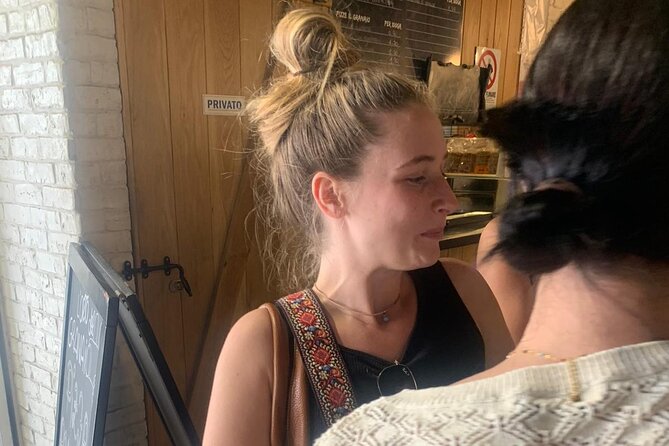
- Small group (up to 20): You’re not lost in a crowd, and you’ll have a real chance to work at your station.
- English instruction: The teaching is offered in English, which makes technique easier to follow without guesswork.
- Hands-on fettucine plus tiramisu: You learn pasta preparation and then finish with a tiramisu made with the classic flavors.
- Sauces aren’t cooked in class: If you want sauce-making skills, this isn’t that kind of course.
- A certificate to take home: One reason people feel motivated afterward is that you leave with proof you learned something.
- The meal can feel simple: You might mainly eat what you made, with limited extras such as bread or appetizers.
Learning Pasta Dough by Hand, Not by Guesswork
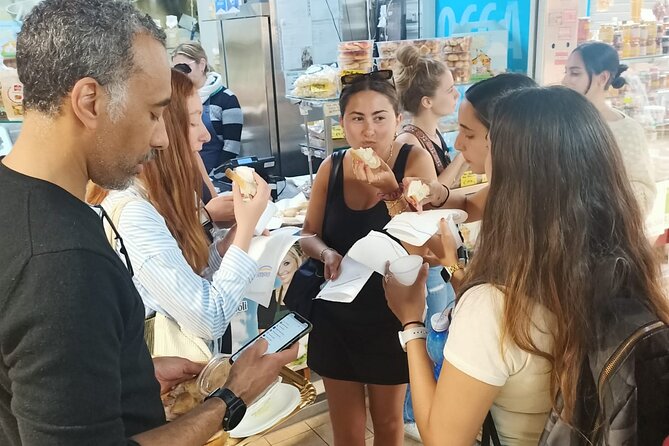
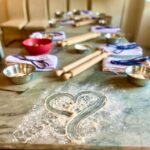
This class is built around one idea: pasta is not magic. It’s technique, attention, and the right feel for dough. In a couple hours, you go from ingredients on the table to the kind of dough you can roll and shape with confidence.
In Rome, where you can spend days bouncing between churches and viewpoints, this is a different kind of experience. You’re not just consuming Italian food. You’re producing it. That matters because once you understand the dough process, you can recreate it later at home, even if you’re not in Italy.
The other thing I appreciate is the tone. It’s guided and friendly, not stiff or overly technical. You’re shown how to do each step and you actually do the steps. That’s why people come away saying they walked away with a useful skill.
You can also read our reviews of more cooking classes in Rome

What the 2 Hours Actually Cover
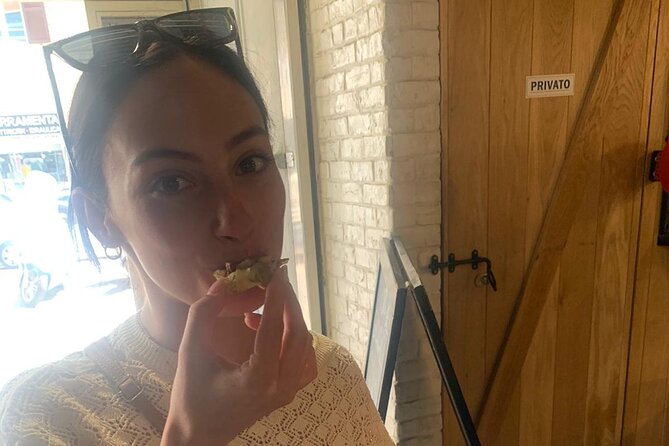
The session runs about 2 hours 15 minutes, and it’s structured around moving through the classic Italian flow: pasta prep first, then dessert.
Starting point: V. della Croce, 34
You meet at V. della Croce, 34, 00187 Roma RM, Italy. It’s a straightforward start and it ends back at the same meeting point. You’ll also find it’s near public transportation, which helps if you’re stacking this with other Rome plans that day.
Pasta prep: from flour to workable dough
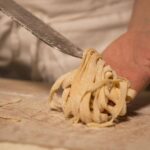
You’ll prepare fettucine—one of those pasta shapes that’s simple enough to learn but rewarding enough that it feels real. The chef walks you through the process step by step, including what the dough should look and feel like as it comes together.
A useful point here: you’re shown how with flour you can create a fabulous dish. That phrasing matters because the class isn’t trying to trick you with complicated ingredients. It’s focused on core methods—dough texture, how to handle it, and how to get it ready for shaping.
Sauce note: it’s not part of the class
One detail to plan around: sauces are not cooked during the class. That doesn’t make the class less valuable, but it does change what you learn. You’ll be strong on dough and pasta preparation, and then you’ll eat what’s served with the pasta, rather than doing a full sauce-making session.
If you love the idea of learning both pasta and sauce from scratch, you may want to look for a different course. If you mostly want the pasta skill, this course fits nicely.






The Tiramisu Part: Classic Dessert, Practical Skills
After the pasta, you shift gears to dessert. The sample menu lists tiramisu as the dessert, and the course is built so you prepare it with guidance.
What you’re really buying here is confidence. Tiramisu can feel intimidating when you see it on restaurant plates—layers, textures, timing. But in a class like this, the value is that you’re doing it yourself and learning how the components come together.
You also get to eat the tiramisu at the end, described as prepared with the chef’s personal recipe style. One of the best parts of a cooking course is leaving with something you made that night—something that tastes like proof.
Your Final Meal: What to Expect After the Cooking
This is one of those cooking classes where the most important food moment is tied to what you made during the session. That said, the exact restaurant-style setup can be a bit minimal.
Here’s the practical way to think about it:
- You should expect pasta served as the result of what you cooked.
- You should expect tiramisu as dessert.
- You might not get the kind of restaurant extras you’d expect elsewhere, such as an appetizer course or bread basket.
One attendee described a setup that felt lean: after cooking, they sat down and the meal was mostly the pasta they made (with the pasta being mixed together for the group), plus a small portion of tiramisu, and only one glass of wine. That doesn’t mean it’s always done exactly that way, but it does tell you what the experience is oriented toward: the class lesson is the main event; the meal is a simple finish.
So if you’re hungry, plan your day accordingly. Eat a solid lunch beforehand, or build in time for another bite after, especially if you’re coming straight from Rome sightseeing.
Price and Value: Is $110.84 Worth It?
At $110.84 per person for about 2 hours 15 minutes, the price is not budget. So the real question is value: what do you gain for that money?
Here’s the balanced take:
Where the value hits
- You learn a real pasta method (fettucine) rather than just assembling a dish.
- You learn tiramisu and actually make it, not just taste it.
- You get a certificate, which turns the class into a completed achievement, not a casual activity.
- Small-group size (max 20) is big for hands-on classes. You’re more likely to get help when you need it.
Where the price can feel tight
- Sauces aren’t cooked here, so you’re not paying for a full multi-course cooking education.
- The final meal experience may feel light on extras, like appetizers, bread, and more drink options.
- If you were expecting a restaurant feast plus lessons, the class format may surprise you.
If your goal is to leave with practical pasta confidence and a dessert you can repeat at home, the price starts to make more sense. If your goal is a big food-and-wine experience, you may find it under-delivers on quantity.
Group Size, Pace, and Who This Suits
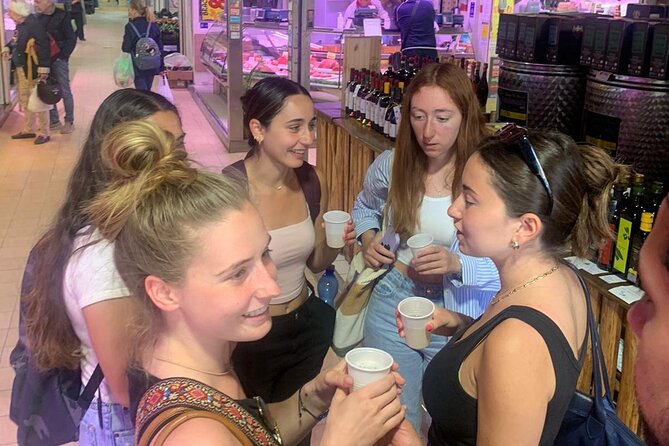
The class has a minimum of 2 people and a maximum of 20 travelers. That matters because it affects how the chef can work with you. Smaller upper limits generally mean fewer people competing for attention.
It’s also helpful that the class is offered in English. You’ll be able to follow instructions without relying on translation apps or hoping the gestures carry everything.
It can work well for:
- Couples and friends who want a shared, memorable skill
- Solo travelers who enjoy small group activities with a clear structure
- People who like food experiences that feel authentic and hands-on
It’s also family-friendly in a specific way. The class allows kids under 6 to attend with one of the parents. If you’re traveling with younger kids, you’ll want to check how comfortable you are with a hands-on cooking environment for that age group.
And if you travel with accessibility needs, note that service animals are allowed. That’s a good practical detail when you’re planning your day.
Finding the Right Chef Energy (Ricardo Can Matter)
Food courses are partly about technique and partly about how the instructor keeps things moving. One of the strong points you’ll hear about is the chef’s personality—especially Ricardo, described as brilliant and entertaining, with a group-friendly vibe.
That kind of energy matters because pasta dough can go sideways if the room feels chaotic. When the instructor keeps you on track, you get that satisfying moment where the dough suddenly makes sense.
The chef also helps you end with something you can actually be proud of. The certificate is one of those touches that reinforces, you did the work, and you learned something that sticks.
Timing in Rome: How to Slot This into Your Day
This is a 2 hours 15 minutes experience, and it ends back at the meeting point. That makes it easy to plan around other Rome stops.
I’d treat it like a planned block, not a flexible wander-through. Pasta and tiramisu classes work best when you show up on time, keep your focus, and let the chef guide the pace.
Also, consider scheduling it earlier in the day if you tend to get hungry later. Since the meal may feel basic for some people, you don’t want it to clash with a late-night dinner that’s already on your list.
If you prefer a calmer evening, do the class earlier and then follow up with a normal Roman dinner afterward.
Should You Book This Pasta and Tiramisu Class?
Book it if you want:
- A hands-on fettucine skill you can recreate later
- An Italian dessert experience that’s practical and not just a tasting
- A small-group, structured activity that feels like doing something real in Rome
Skip it (or consider a different option) if you want:
- A large, restaurant-style meal with lots of extras
- Sauce-making included as part of the lesson
- An experience focused mostly on dining and atmosphere rather than cooking technique
One last practical tip: if you’re paying premium dollars, go in knowing the class is the main course. The food at the end is a simple finish to match the lesson, not a full multi-course banquet.
FAQ
Is this cooking class in English?
Yes. The experience is offered in English.
How long is the pasta and tiramisu course in Rome?
It lasts about 2 hours 15 minutes (approximately).
Where does the class start and end?
It starts at V. della Croce, 34, 00187 Roma RM, Italy, and ends back at the same meeting point.
Is there a limit on group size?
Yes. The class has a maximum of 20 travelers, and it also requires a minimum of 2 people.
Will sauces be cooked during the class?
No. Sauces are not cooked during the class.
What food is included?
You prepare fettucine and tiramisu, and you eat tiramisu at the end. The main focus is the pasta preparation and the dessert.
What is the cancellation policy?
Free cancellation is available. You can cancel up to 24 hours in advance for a full refund, and cancellations closer than that aren’t refunded.