REVIEW · ROME
Typical Dining & Cooking Demo at Local’s Home in Rome
Book on Viator →Operated by Cesarine: Cooking Class · Bookable on Viator
A Roman kitchen beats a restaurant table every time. This small-group Cesarine class brings you into a local home for a gastronomy lesson, a show-cooking workshop, and tastings built around Roman family favorites. It is a rare way to learn what Italians actually order, how they eat, and why certain dishes are treated like everyday celebrations.
Two things I really like here: you get both the food lesson and the cooking workshop, so you leave with ideas you can use, not just memories. And because the max group size is 10, you should get more personal attention than you would in a big tour room.
One drawback to consider: this experience happens in a private home, so the exact address is not shared beforehand. You’ll need to rely on the meeting point and the instructions in your voucher to find the right place without stress.
In This Review
- Key highlights to look for
- A Roman Mammas kitchen, not a restaurant show
- Afternoon or evening: how to time it in your Rome plan
- The menu you’ll taste: pasta shapes and Roman second courses
- What the cooking workshop actually teaches you
- The Roman gastronomy class: how locals structure a meal
- Small group size: why it makes the whole evening feel easier
- Price and value: what you’re paying for in real terms
- Meeting point and private-home reality (read this before you go)
- Who should book this cooking class
- Should you book? My honest take
- FAQ
- Is the experience offered in English?
- How many people are in the group?
- What dishes are included?
- Does it have an afternoon or evening option?
- Where does it start and end?
- Is there free cancellation?
Key highlights to look for
- Roman gastronomy class + cooking workshop in one sitting
- Afternoon or evening option, so you can match it to your Rome rhythm
- Roman family-style recipes, including pasta shapes and classic second courses
- Small group (max 10) for a calmer, more hands-on feel
- English experience with tastings built around what locals actually cook and eat
- Meet Roman locals through conversation, not just watching food go by
A Roman Mammas kitchen, not a restaurant show
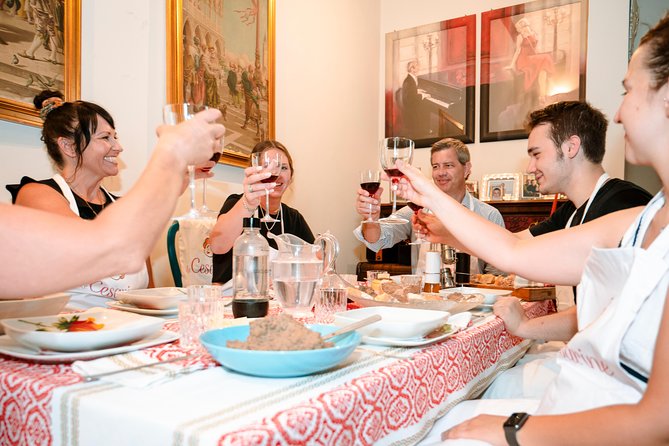
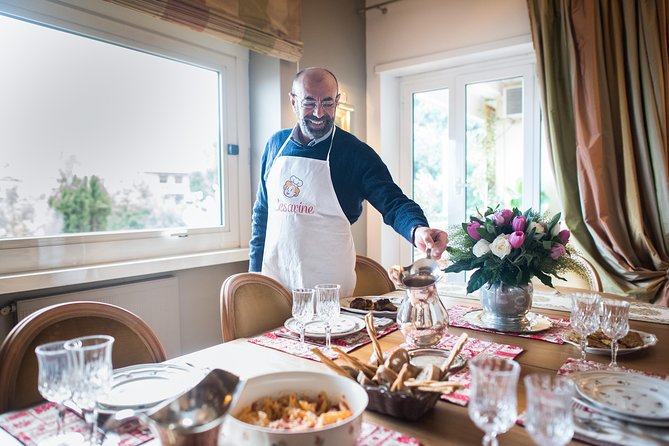
Rome is full of cooking experiences that feel like performance. This one is different because it is tied to a home table, where you’re learning how Romans think about a meal. You’re not just eating; you’re getting a Roman gastronomy class plus a cooking workshop, with tastings of dishes pulled from family cookbook traditions.
The “Mammas” angle matters more than it sounds. It points to the kind of cooking that is passed down through repeated practice, not a single chef’s invention. That’s why the focus is on time-tested tricks you can try back home, not only on ingredients.
And since this is limited to 10 travelers, it’s easier to ask questions and actually talk with your host. If you’ve ever felt lost in a group where nobody looks up from their plate, this setup should feel more human.
You can also read our reviews of more tours and experiences in Rome
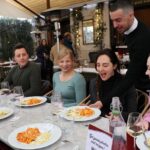

Afternoon or evening: how to time it in your Rome plan
You can choose either an afternoon or an evening option. That flexibility is practical, because it lets you avoid the usual “all the good food happens only at one time” problem.
If you’re visiting Rome for a short stay, I’d treat this like a keystone meal: pick the slot that best protects your other plans. An evening experience pairs nicely with the idea of settling into a calmer neighborhood moment after daytime sightseeing. An afternoon option can work well when you want to eat earlier and still have energy left for a second walk and gelato afterward.
Also, note that this ends back at the meeting point. That means you’re not getting dropped across town with no plan. It keeps the day simpler, especially if you’re relying on public transportation.
The menu you’ll taste: pasta shapes and Roman second courses
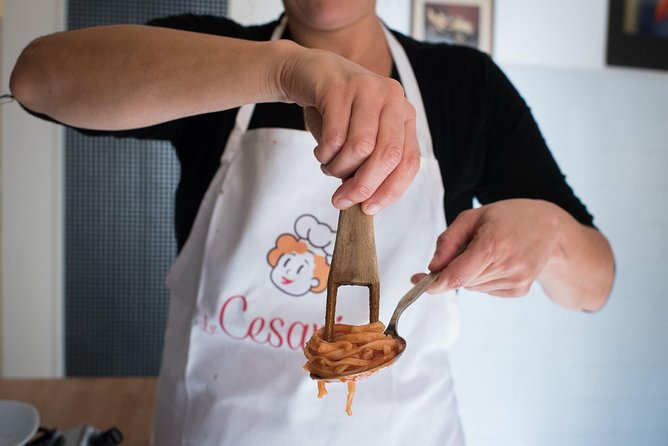
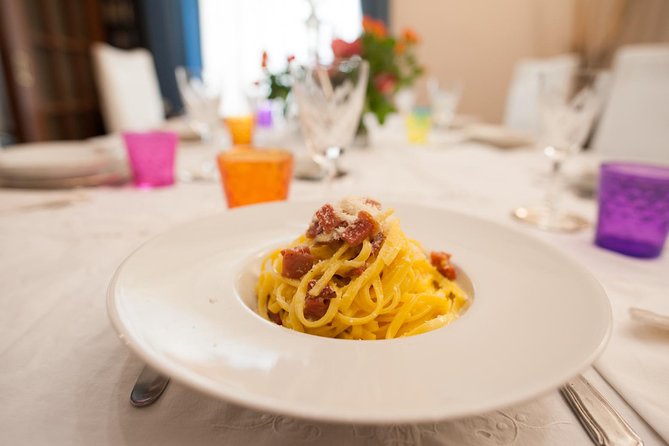
This class is built around a structured menu, with clear tasting stops. It’s not just a random sampling. You’ll typically start with a seasonal starter, then move into fresh pasta and a main course, and finish with a Roman dessert.
Here’s what you can expect in the pasta and mains portion:
Fresh pasta choices
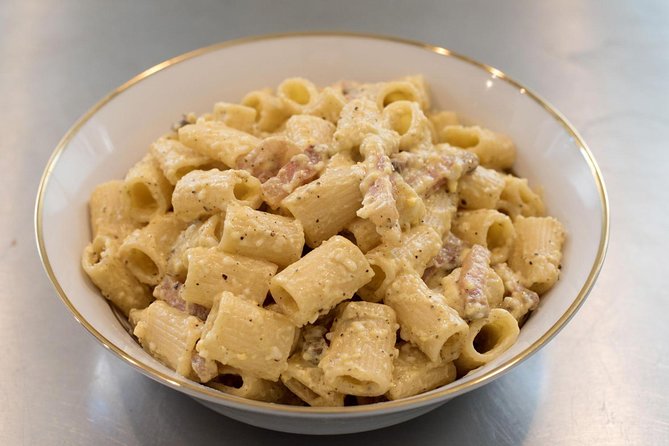
- Rigatoni
- Bucatini
- Gnocchi
These shapes matter because they change how sauces cling and how the bite feels. You’ll see how Romans think about the whole plate, not only the sauce.
Roman second-course options
- Saltimbocca alla romana
- Coda alla vaccinara
- Trippa alla romana
- Costine di agnello alla scottadito
If you’re used to Italian food being reduced to “pizza plus pasta,” these options broaden your view fast. Saltimbocca shows the Roman love for savory, punchy flavor. Coda alla vaccinara leans into slow-cooked comfort. Trippa alla romana reflects a cuisine that uses parts other cuisines often ignore. And costine di agnello brings in the Roman side of grilling and robust meat flavor.
Dessert finish
Your dessert course may be one of several typical Roman sweets, such as:
- Ricotta and cherry tart
- Roman tiramisu
- Chocolate shortbread
- Roman-style tiramisu or a similar classic dessert
Even the dessert choices help teach the theme: this is about what belongs at a real table, not what sells fastest for tourists.
What the cooking workshop actually teaches you
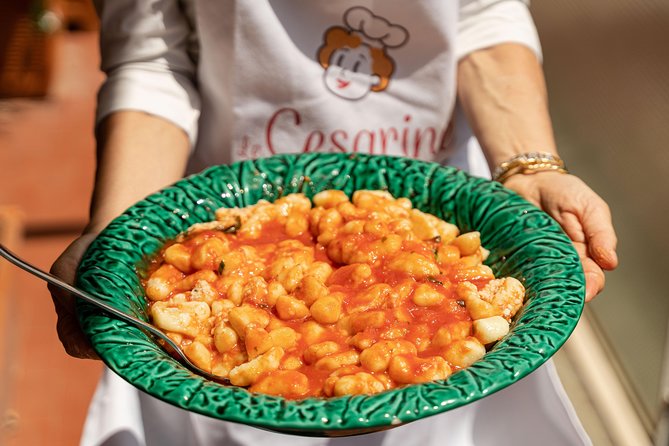
Cooking demos can leave you impressed and still clueless. Here, the goal is to give you cooking tricks you can use at home. The workshop is presented as a show-cooking experience, but it’s tied to the instruction side of the class, so you’re learning alongside the preparation.
That matters because Roman cooking has habits that don’t always translate just by watching. For example, working with fresh pasta is as much about timing and feel as it is about ingredients. Even if you only see the steps rather than doing every action yourself, you’ll likely pick up practical rhythms—when to move fast, when to slow down, and how to judge doneness without overthinking it.
I also like that this experience frames food as part of daily life. You learn how Italians eat and drink, not just what dish names to remember. That makes it easier to recreate the experience later: order pacing, meal flow, and the kind of conversation and attention that comes with a proper sit-down meal.
The Roman gastronomy class: how locals structure a meal
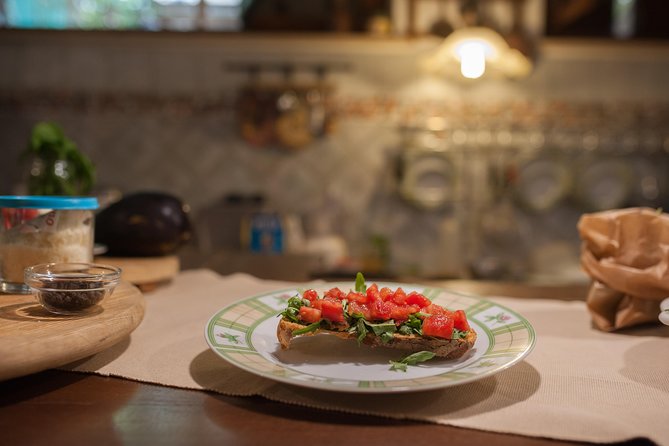
The gastronomy portion is what makes this more than a dinner. It is designed to help you understand the culture behind the dishes—how meals are paced, what you notice in flavor, and what the table etiquette feels like when you’re not rushing.
You’ll connect with Roman locals through conversation and hospitality. That can be as simple as hearing how different dishes are chosen by season, or why certain combinations show up again and again in family cookbooks. It also helps you understand why some classic Roman recipes feel more grounded and comforting than flashy.
If you like food that tells you a story through technique and routine, this is the right style. You’re basically learning the logic of the meal.
You can also read our reviews of more tours and experiences in Rome



Small group size: why it makes the whole evening feel easier
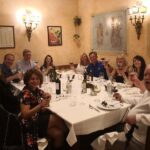
With a maximum of 10 travelers, your host can actually interact with people rather than managing a crowd. That impacts the whole experience: you can ask questions, you can listen closely, and you can enjoy the tasting without constantly rotating into a different seating pattern.
It also affects atmosphere. In a smaller group, the home setting feels more relaxed. You’re not shouting over noise. You’re sharing a table experience that feels less like a ticketed performance and more like an evening with people who care about food.
That’s a big part of why this is rated so highly, with 92% recommending it and an overall rating of 4.7.
Price and value: what you’re paying for in real terms
At $102.25 per person, you’re paying for more than a plate of pasta. You’re paying for a private home setting, an English-led experience, and a structured menu that includes starter, fresh pasta, a Roman second course, and dessert.
You’re also paying for the combination of:
- a Roman cooking workshop style presentation
- a gastronomy lesson about how Italians eat and drink
- time spent with local hosts in a small group
That mix is the key to the value. If you were only buying a dinner in a restaurant, you’d miss the instruction and context. If you were only buying a class, you’d miss the full eating experience tied to Roman dishes. Here, you get both, and the meal flow is part of what you’re learning.
Is it pricey compared to a casual meal? Yes. But it’s in the right range for a home-hosted, menu-driven experience designed for small groups in Rome.
Meeting point and private-home reality (read this before you go)
This activity starts and ends back at the meeting point, listed in the Rome area. Since it takes place in a private home, the exact address cannot be disclosed prior to booking.
What you should do to keep the experience smooth:
- Use the meeting point details from your voucher, not guesswork
- Double-check the instructions right after booking
- Plan to arrive with a bit of buffer time so you’re not hunting while hungry
The downside scenario is simple: if you miss the guidance at a private home, you can miss the experience. So treat the voucher directions like they’re part of your itinerary, not like “extra info.”
Also, this is near public transportation, which helps. You can rely on transit rather than needing a car, and the meeting point-to-home setup should be manageable.
Who should book this cooking class
I think this suits you if:
- you want Roman food beyond the usual headline dishes
- you enjoy instruction you can use later, not just a meal
- you like small groups and conversation with locals
- you want either an afternoon or evening option that fits your schedule
It’s also a good fit if you’re traveling as a couple or small group and would rather have a calm, focused experience than a crowded tour.
If you hate the idea of a private-home location and prefer a big, easy-to-find venue with obvious signage, you might find the address privacy policy and meeting point approach a little stressful.
Should you book? My honest take
If you’re aiming for authenticity with real instruction, I’d book it. The best parts are the combination: Roman gastronomy class plus a cooking workshop, tied to tastings of fresh pasta and classic Roman mains and desserts. The small group limit helps you feel like more than a number, and the 4.7 rating with 92% recommending it supports that the experience usually lands well.
I would book it especially if you want to learn the logic behind Roman meals so you can cook and eat with more confidence back home. Just make sure you’re on top of the meeting point instructions, since private homes rely on clear directions.
FAQ
Is the experience offered in English?
Yes. The experience is offered in English.
How many people are in the group?
The tour/activity has a maximum of 10 travelers.
What dishes are included?
You’ll typically enjoy a seasonal starter, fresh pasta plus a second-course main (with options like rigatoni, bucatini, gnocchi, saltimbocca alla romana, coda alla vaccinara, trippa alla romana, or costine di agnello alla scottadito), and a Roman dessert such as ricotta and cherry tart or Roman tiramisu (or similar typical desserts).
Does it have an afternoon or evening option?
Yes. You can choose between afternoon or evening options.
Where does it start and end?
It starts in the Province of Rome, Lazio (meeting point area) and ends back at the same meeting point.
Is there free cancellation?
Yes, free cancellation is available. You can cancel up to 24 hours in advance for a full refund.