REVIEW · ROME
Urban Rafting on Rome’s Tiber River
Book on Viator →Operated by Roma Rafting ® · Bookable on Viator
One sentence can sum this up: the Tiber is Rome’s escape route. You get a guided float past major sights like Castel Sant’Angelo and Isola Tiberina, with enough rowing to feel active (not stuck on a boat sightseeing bus). I especially like the fact that it’s built for real beginners: helmets, life jackets, and a short training feel you can trust, even before the fun part. The main drawback to plan for is the wet factor and river conditions, since this is still a working river and you should expect to get splashed.
I also like the payoff for the price: about $48.39 for roughly two hours, plus snacks at the end. It’s priced like an “add-on activity” but it feels like a full change of pace from walking Roman streets. One more consideration: you may need to walk a bit to transit at the finish since the river endpoint can be downriver from where you started.
In This Review
- Key things I’d tell a friend before you book
- Urban Rafting on the Tiber: What Makes It Worth Your Time
- Meeting at Piazza del Popolo and Finding the Start Spot
- The Rafting Routine: How Your Trip Actually Flows
- Stop 1: Porta del Popolo Views and the Tour’s Opening Context
- Stop 2: Castel Sant’Angelo From the Water (The Wow Factor)
- Stop 3: Isola Tiberina and the River Island Perspective
- Rapids and Wet Factor: What Two Easy Sections Feel Like
- Snacks and the Mid-Tour Pause: More Than Just Rowing
- Gear Included: Helmets, Life Jackets, Waterproof Bag, and Dry-Clothes Tactics
- Shoes, Clothing, and Comfort: The Part That Changes Your Day
- Getting Back to Transit: Don’t Assume You’ll Be Dropped at the Exact Start
- Who This Tour Suits Best (And Who Should Rethink It)
- Price and Value: What You Get for About $48.39
- Should You Book Urban Rafting on Rome’s Tiber?
- FAQ
- FAQ
- How long is the Tiber rafting experience?
- Where do I meet the guide?
- What safety gear is included?
- Will I get wet?
- Is this suitable for beginners?
- Do I need to bring an action camera?
- Is the activity canceled if weather is bad?
Key things I’d tell a friend before you book
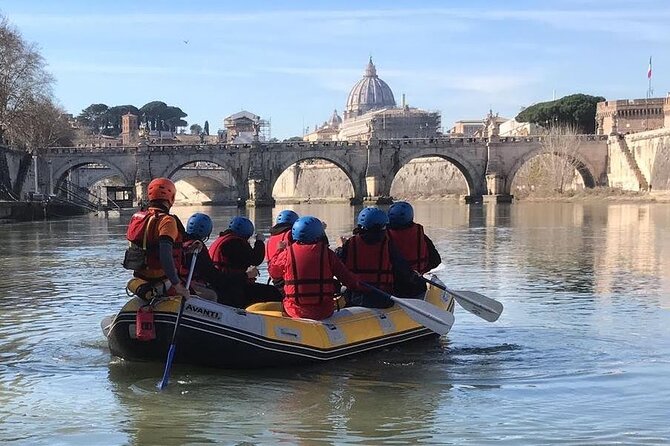
- Beginner-friendly setup with life jackets, helmets, paddles, and a waterproof bag
- Views of big landmarks from the river, not the usual street-level angles
- Two short rapids (about level 1+) at the end, so the earlier part eases you in
- Rowing, but not hard-core: you’re active, then you relax and float for stretches
- Street-food style snack finish, with a food stop built into the ride
- Expect wet shoes and damp clothes and plan accordingly
Urban Rafting on the Tiber: What Makes It Worth Your Time
Rome has a lot of ways to be wowed. This one is different because it trades marble façades for river views and moving perspectives. A few minutes after you’re kitted up, you stop hearing the city the way you’re used to. The Tiber feels cooler, slower, and more open, even while you’re still in the middle of a mega-city.
I love that this tour mixes two things people often chase in Rome: sightseeing and a real break from heat and crowds. From the raft, you see parts of the river corridor and bridges that you’d never notice while walking. And because you paddle and stay engaged, it doesn’t feel like you’re just watching from the outside.
The other big plus is how the experience is staged. You don’t get thrown straight into chaos. There’s a short briefing, you row and float as guides tell you what you’re looking at, and then the rapids show up later for the payoff. It makes the trip feel like a story, not just a boat ride.
Your best expectation to set: it’s fun exercise plus history talk, with a splashy finish. If you want a dramatic, constant rollercoaster of rapids, this isn’t that. But if you want a safe, lively way to see Rome from the water, it’s a strong match.
You can also read our reviews of more tours and experiences in Rome.



Meeting at Piazza del Popolo and Finding the Start Spot
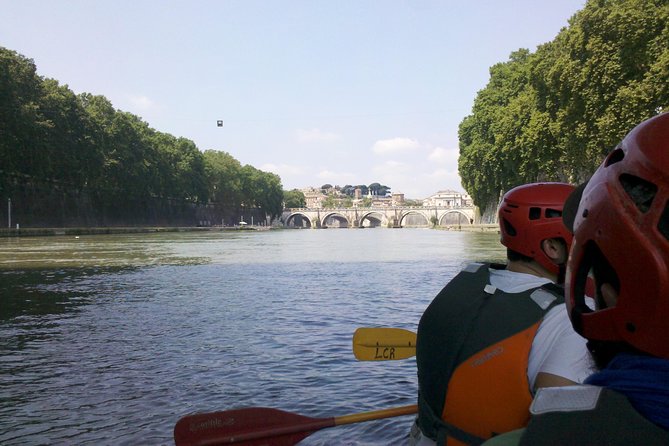
The start point is Piazza del Popolo, near Porta del Popolo. In practice, that area is busy, but it’s also a well-known landmark zone, which makes it easier to orient yourself. The tour also notes it’s near public transportation, which matters in Rome where “getting there” can be half the battle.
Plan to arrive a little early. Even if you’re familiar with central Rome, the group has to get assembled, checked, and equipped before anyone goes near the river. You’ll also want a calm minute for the safety talk before stepping onto uneven ground.
One practical note: the experience uses a mobile ticket, and it’s offered in English. So if you’re traveling with friends who prefer not to piece together translations on the spot, you should be in good shape.
The Rafting Routine: How Your Trip Actually Flows
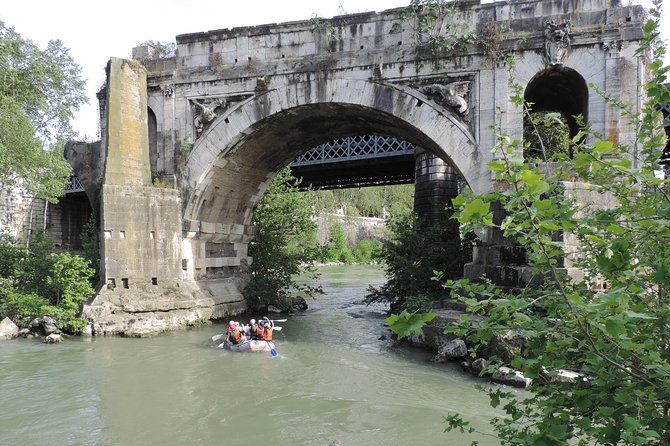
This tour is designed like a guided sequence. You meet, walk to the river, get kitted up, and learn the basics before you’re riding.
Here’s the rhythm to expect:
- Short training and instruction before you take off
- Paddling and floating for a good stretch while you take in the sights
- A water/food pause along the way
- Two rapids sections near the end for the fun and the splash
You’ll use the paddle after a brief setup, but it’s not a “train like an athlete” format. You’re moving enough to feel involved, then you get stretches where you’re basically gliding while the guide points out what’s around you.
Also, you’ll spend the trip seated on the raft. That’s part of why the rapids feel manageable for most people: it’s controlled, not random. And the guide pace matters. The experience is meant to be relaxed, with the rapids acting like a highlight, not a constant grind.
Stop 1: Porta del Popolo Views and the Tour’s Opening Context
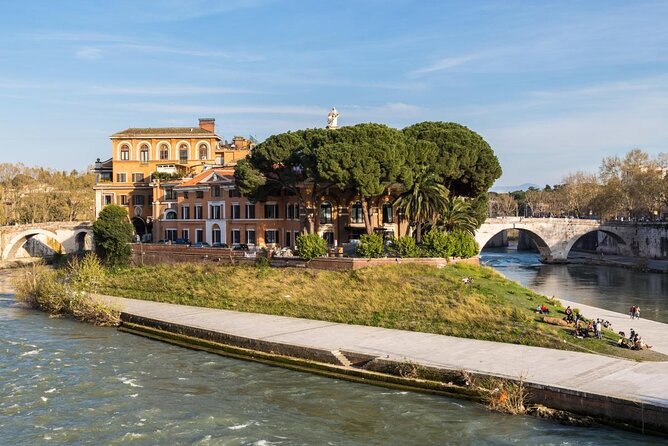
Starting near Porta del Popolo is smart. It anchors the tour in a recognizable Roman gateway zone, then transitions you toward the river where the city changes mood fast.
At this point, the guide sets expectations. You’ll get cues on safety and how you’ll handle the raft. You also get the first “this is what you’ll see” framing, so when you start moving you already know what matters visually.
Why this works for you: you’re not simply picking up facts mid-stream. You’re getting a mental map early, and the raft time becomes more meaningful. Instead of just watching the water, you’re connecting the sightlines to Rome’s geography.
Stop 2: Castel Sant’Angelo From the Water (The Wow Factor)
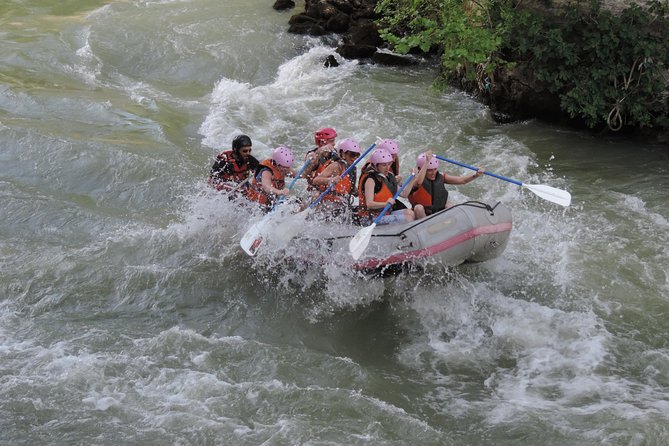
Castel Sant’Angelo is one of those sights that’s almost too iconic from street level. From the river, it looks different. The angles shift, and the fortress feels more connected to the river’s history and role in the city’s layout.
This stop matters because it gives you a “big landmark” moment without the usual museum-line energy. You’re getting a prime view while you’re moving and learning what you’re looking at.
I like that this is not treated like a photo-op only. The guide tells you what’s around you and why it matters, while you’re still actively on the raft. It makes the moment feel like part of the journey instead of a quick stop on land.



Stop 3: Isola Tiberina and the River Island Perspective
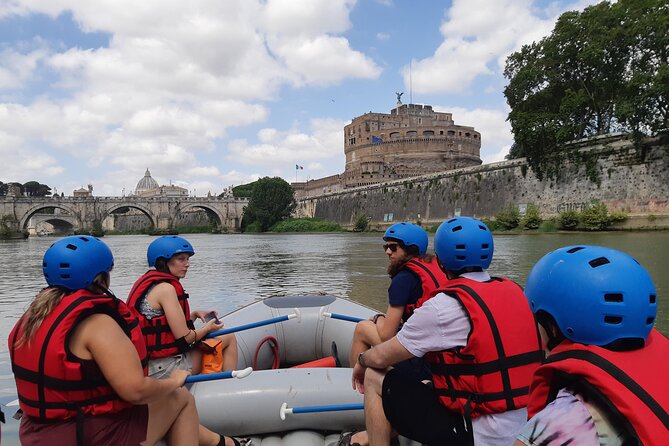
Isola Tiberina is a unique sight because it’s literally the city fractured into “mainland Rome” and an island in the flow. From the raft, the island perspective feels closer and more immediate than it does from many other vantage points.
This is also where the trip starts to feel like more than sightseeing. You’re moving past the river’s structure, not just past buildings. You see how bridges and embankments shape the city’s movement and where the historic core relates to the water.
One realistic consideration: you won’t be seeing Rome like a drone view. The river corridor doesn’t open up to every angle of the city. Instead, it’s a focused route. You’ll catch plenty, but it’s the river side story.
Rapids and Wet Factor: What Two Easy Sections Feel Like
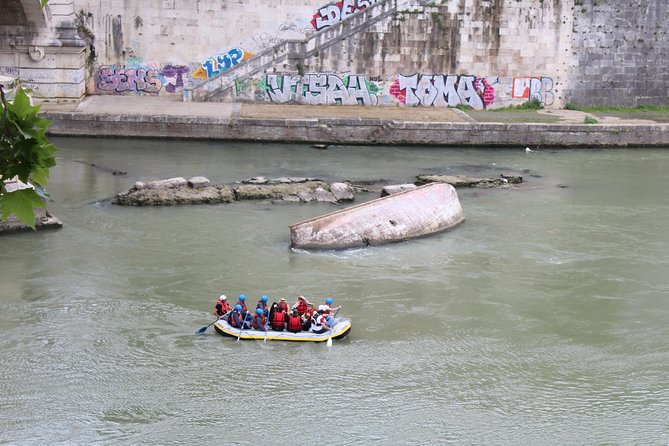
The rapids come later, and that sequencing is the reason most people feel safe and happy about this tour. The first part is calmer. You get comfortable with sitting positions, paddle use, and the raft’s basic movement. Then the rapids sections arrive as a payoff.
The rapids are described as beginner-friendly (about level 1+). That means you should expect fun, water splash, and some movement, but not the kind of white-knuckle “I need to survive” rafting day people do in the mountains.
You’ll get wet. Plan for it. Shoes get splashed. Clothes can dampen. The tour provides a waterproof bag, and life jackets and helmets help you feel secure, but no one should think you’ll stay dry like you’re on a city boat tour.
One tip I really like from firsthand feedback: bring shoes you can rinse or wash afterward. You might end the day needing to rinse river smell out of fabric. If you’re picky about shoes, bring a backup pair you don’t mind getting ruined.
Snacks and the Mid-Tour Pause: More Than Just Rowing

A lot of rafting tours forget food. This one doesn’t. There’s a built-in snack moment, including a typical street-food style stop at the end of the ride.
In real life, that’s often described as pizza and water during a pause. Some people mention the pizza isn’t amazing, but that’s not really the point. The point is a break from paddling and a chance to refuel without standing in a queue.
This snack stop also gives you a “reset” before the last rapids sections. You’re not just pushing through to the finish. You’re moving, eating, laughing, then bracing for splash.
Gear Included: Helmets, Life Jackets, Waterproof Bag, and Dry-Clothes Tactics
The tour gives you:
- Life jackets
- Helmets
- Paddles
- A waterproof bag
- A snack at the end (street-food style)
This is the part you’ll appreciate most if you’re rafting for the first time. It lowers the stress level. You’re not trying to find the right rental jacket or guessing how to use gear. Everyone gets kitted, everyone gets briefed.
People also note they help with logistics around wet gear at the end. The exact setup may vary, but the key idea is: have wet-safe items ready, and don’t bring a delicate electronics situation unless it’s in the waterproof bag.
If you’re thinking of filming: an action camera is not included. So if you want footage, bring your own plan.
Shoes, Clothing, and Comfort: The Part That Changes Your Day
This experience lives or dies on comfort. Rome in summer can be brutal, but the water side still has slippery edges when you enter and exit the raft. The tour advises using sturdy shoes with good traction. That advice is worth taking seriously.
What I’d recommend you do:
- Wear shoes that can get wet and don’t hate river water
- Bring a spare pair of dry socks if you have room
- Put valuables in the waterproof bag
- Expect you’ll want a quick change at the end
One realistic note: changing areas might not be private or fancy. You might find yourself switching clothes in a sheltered outdoor space rather than a dedicated changing room. Don’t count on a full “locker room” experience.
Getting Back to Transit: Don’t Assume You’ll Be Dropped at the Exact Start
The tour information says it ends back at the meeting point. Yet in practice, the finishing point can be downriver, and the return to the nearest metro may involve walking.
A common pattern described is a walk of roughly 15–20 minutes to metro such as Piramide. So I’d treat the end as “near transit, but not always at the exact front door.”
If you hate walking after a wet activity, this matters. If you’re fine with a short stroll and already have your metro pass ready, it’s less stressful. Either way, quick planning helps you enjoy the ride without worrying about how you’ll get out afterward.
Who This Tour Suits Best (And Who Should Rethink It)
This rafting trip is aimed at most people who can climb in and out of the raft. The tour notes a maximum weight limit of 100kg, and that most travelers can participate.
You’ll likely love it if:
- You want a break from walking and want something hands-on
- You like guided explanations while seeing landmarks from an unusual angle
- Your group includes mixed ages and fitness levels
It may not be ideal if:
- You’re extremely sensitive to messy river conditions
- You want a high-energy rafting thrill with big continuous rapids
- You don’t want to deal with wet shoes and clothes
There’s also one negative sentiment worth acknowledging: the river banks can look rough in spots. That doesn’t change the safety gear or the guide route, but it can be emotionally unpleasant if you’re expecting a postcard river scene the whole time.
Price and Value: What You Get for About $48.39
At $48.39 per person for about 2 hours, you’re paying for more than transportation. You’re paying for safety gear, guided storytelling, and guided handling of a river activity in central Rome.
This can be great value if you price it against other “experience tickets” that take you around the city while you stand around mostly still. Here, you paddle, float, laugh, and then get a food break.
It also helps that the group cap is up to 60 travelers. That’s not tiny, but it’s not a mass crowd either. In practice, smaller groups often feel easier to manage at the river edge, especially when everyone needs to be briefed and equipped.
One booking tip: it’s often booked about 24 days in advance on average. If you’re traveling during a busy season or you have limited days, book early so you get the start time you want.
Should You Book Urban Rafting on Rome’s Tiber?
I’d book this if you want a memorable day that feels different from the classic Rome routine. It’s a solid way to see landmarks like Castel Sant’Angelo and Isola Tiberina from the river, with an active but beginner-friendly structure and included safety gear.
I would think twice if your main goal is staying dry and picture-perfect river scenery all day. Also, if walking after the trip stresses you out, double-check how you’ll reach metro from the finish and plan a simple route.
FAQ
FAQ
How long is the Tiber rafting experience?
It’s about 2 hours.
Where do I meet the guide?
You meet under Porta del Popolo near Piazza del Popolo (Piazza del Popolo, 00187 Roma RM, Italy).
What safety gear is included?
You get a life jacket, a helmet, and a paddle, plus a waterproof bag for your belongings.
Will I get wet?
Yes. The experience includes rapids sections, and you should plan for splashes and damp gear, especially around shoes.
Is this suitable for beginners?
Most travelers can participate, and the rapids are described as beginner-friendly. You’ll get instruction before you head out.
Do I need to bring an action camera?
No action camera is included, so if you want one you’ll need to bring your own.
Is the activity canceled if weather is bad?
The experience requires good weather. If it’s canceled due to poor weather, you’ll be offered a different date or a full refund.